
You've landed on Kangaroo Island with a day loosely planned, a beach in mind, perhaps a wildlife stop, and the feeling that one good cellar door could tie it all together. Springs Road is the kind of place that rewards that style of travel. It combines a rural vineyard setting, a practical position near the island's northern tourism corridor, and a road journey that needs a little more care than a mainland winery outing.
Why Springs Road Belongs on Your Kangaroo Island Itinerary
A drive through northern Kangaroo Island rarely feels like a simple transfer between attractions. The area opens into paddocks, gum country and coastal detours, while wildlife, local produce and changing weather keep asking you to slow down. Springs Road fits naturally into that rhythm. You can leave the main route, follow the countryside towards Cygnet River, and arrive somewhere that feels connected to the island rather than separated from it.
The appeal isn't only the bottle you take home. It's the sequence of small moments, parking near the cellar door, walking past vines, tasting local varieties and deciding whether the next stop should be a beach, a wildlife attraction or lunch in Kingscote. Visitors who enjoy building a day around regional food and scenery may also appreciate this broader guide to South Australia's natural beauty and attractions.
A useful stop in a larger day
Springs Road works especially well when you treat it as one part of a northern island loop. Start with a relaxed morning, leave room for a tasting, then choose an afternoon activity that matches the weather and your energy. A clear day might suit Emu Bay or Stokes Bay, while a cooler afternoon could favour wildlife, honey or another producer along the Cygnet River route.
The cellar door's position matters here. It's close enough to Kingscote to combine with town-based food and supplies, yet rural enough to give the visit a genuine vineyard setting. That balance is what makes Springs Road more than a quick photo stop.
Practical rule: Allow flexibility around the tasting. Kangaroo Island is best experienced when you leave space for an unexpected lookout, wildlife sighting or change in weather.
The rest of your planning comes down to understanding the name, reading the map, respecting the road and choosing the right companions for your day.
What Springs Road Actually Is and Where It Sits
You can arrive on Kangaroo Island expecting Springs Road to be one clearly marked attraction. Instead, the name points to both a road crossing the island's northern area and a vineyard and wine label based near Cygnet River. Understanding that distinction makes the visit easier to plan. The cellar door is one stop within a rural route that can also connect with beaches, wildlife experiences and time in Kingscote.

Build the mental map from Kingscote
Use Kingscote as your starting reference. The vineyard associated with Springs Road was established in 1994 on a small sheep property about 7 km west of Kingscote, according to Tour Kangaroo Island's Springs Road listing. Plantings began with the original vineyard and expanded to another block in 2000. The property therefore has a longer farming and grape-growing history than the newer label may imply.
The cellar door sits in Cygnet River, reached from the Playford Highway. On a map, that places it within the northern wine and tourism corridor rather than in a remote inland pocket. From Kingscote, you can build the stop into a wider day, perhaps pairing wine with a northern beach, a wildlife visit or another local producer.
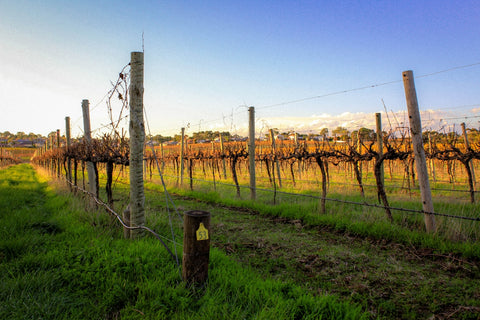
The estate is modest in scale. Its vineyard is described as 11 hectares, with small-quantity production of Chardonnay, Shiraz, Cabernet Sauvignon and a Cabernet Sauvignon/Shiraz blend. This gives visitors a useful sense of scale. Expect a small vineyard destination, not a sprawling winery complex with numerous facilities. The vines, setting and conversation form much of the experience.
The route is best read as a rural access network, not as a single attraction beside a major highway. The Playford Highway provides the main approach, then Springs Road leads you into quieter country roads. Check your route before leaving, allow time for slower driving, and avoid planning the tasting as an isolated, tightly timed stop.
The Story Behind the Label
Springs Road's vineyard history and label history aren't the same thing. The vines go back to 1994, but the modern commercial identity developed later, after Joch Bosworth and Louise Hemsley-Smith purchased the property in 2016. The Springs Road cellar door and new label launched in late 2018, and the first commercial wines under the Springs Road identity were released two years after the purchase, according to the producer's Springs Road Wines profile.
That distinction helps explain why visitors may encounter a comparatively young brand with established vineyard character. The label's market presence belongs to a later phase of ownership and development, while the vines have had decades to mature. By 2026, the original establishment date gives the property a 30-plus-year history, a useful marker of its place within Kangaroo Island's wine story.
Why vine age changes the conversation
The vineyard is associated with very low-yielding vines described as more than 20 years old. Low yield doesn't automatically tell you whether a wine will suit your palate, but it does provide context for why the producer focuses on small quantities and estate-grown fruit. The conversation can move beyond grape names into questions about block conditions, ripening, seasonal variation and how the island's environment shapes the finished wine.
That's particularly relevant when tasting the four listed styles. Chardonnay offers a white-wine reference point, while Shiraz and Cabernet Sauvignon provide different red-wine expressions. The Cabernet Sauvignon and Shiraz blend adds another way to see how varieties are combined rather than tasted in isolation.
Springs Road therefore sits in an interesting middle ground. It has a 30-plus-year vineyard background by 2026, yet the public-facing label emerged from a more recent commercial chapter. For visitors, that creates a tasting with both continuity and renewal, old vines and a newer presentation.
Getting There by Car, Ferry or Plane
Your route depends on where you begin, but the final approach deserves the same attention in every case. Springs Road is associated with the northern part of Kangaroo Island, and the cellar door sits in Cygnet River off the Playford Highway. Use Kingscote and the Playford Highway as your main navigation references, then check current directions before setting out because island road conditions and operating arrangements can change.
From the ferry
If you arrive via the SeaLink ferry from Cape Jervis, plan the day around the crossing, vehicle collection and the drive towards the northern part of the island. The route from the terminal can become part of a wider eastern or northern loop, but don't assume you can stack too many fixed bookings around it. Ferry timing, unloading and road conditions all affect the pace.
Drivers coming from Penneshaw should allow plenty of daylight for the later rural sections. Springs Road itself is an unsealed route, so the last part of the journey won't feel like a standard sealed-highway approach.
From Kingscote Airport
Flying into Kingscote gives you a straightforward starting point. Collect your vehicle, orient yourself towards Kingscote and follow the Playford Highway towards Cygnet River. Because the cellar door is about 7 km west of Kingscote, the visit can fit neatly into a northern itinerary, although the unsealed approach still calls for slower driving and careful navigation. That location is documented in the Springs Road visitor information.
From Adelaide
An Adelaide-based trip usually involves reaching Cape Jervis, crossing to the island and then continuing by car. It's better understood as an island journey than as a quick winery detour. For broader advice on pacing cellar doors, organising transport and leaving room between tastings, use this wine travel guide for planning a vineyard tour.
The key is simple. Enter the destination into your navigation before leaving reliable mobile coverage, download directions where possible, and avoid planning a tight chain of appointments around the unsealed section.
What to Pair with a Springs Road Visit
Springs Road makes the most sense when paired with an attraction that changes the mood of the day. Rather than trying to cover the whole island, choose one companion category, then add a second only if your route and daylight allow it.
Choose the coast for open space
Emu Bay suits a slower beach break close to the northern travel corridor. Stokes Bay offers a more memorable coastal outing, particularly if you're prepared to follow the access route and spend time exploring beyond the entrance. Snelling Beach works well for visitors heading towards the island's north-western side and wanting a scenic coastal contrast after a vineyard visit.
Beaches need more planning than a quick pin on a map suggests. Check your fuel, water, footwear and return route before leaving the main road. A wine tasting followed by a beach walk can be a wonderful combination, but it's much less enjoyable if you're rushing to reach accommodation before dark.
Choose wildlife for a family-friendly day
For a wildlife-focused itinerary, consider Kangaroo Island Wildlife Park, Clifford's Honey Farm and Raptor Domain as different kinds of experiences. The wildlife park offers a broad introduction, the honey farm adds a distinctive local-produce element, and Raptor Domain centres on birds of prey and educational encounters.
These stops don't all create the same pace. A family may prefer the variety of a wildlife park, while a visitor interested in island produce might choose honey and wine as the main pairing. Keep animal welfare and daylight driving in mind, especially if your return journey includes rural roads.
Choose food for a gentler finish
The Cygnet River cellar door corridor allows you to build a producer-led afternoon without covering huge distances between every stop. Kingscote's wharf precinct then offers a practical place to finish with food, supplies or a walk near the water.
A useful half-day pattern is one vineyard visit, one carefully chosen wildlife or produce stop, and a meal in or near Kingscote. A full day can add a beach, but only if you're comfortable with the driving and have checked opening times before departure.
Inside the Cellar Door Experience
Arrive with a little time before your tasting, and the visit begins differently from a large mainland winery. A small cellar door usually feels less staged. Conversation may move between the vineyard, Kangaroo Island and the wines being poured, so the questions you bring become part of the experience.
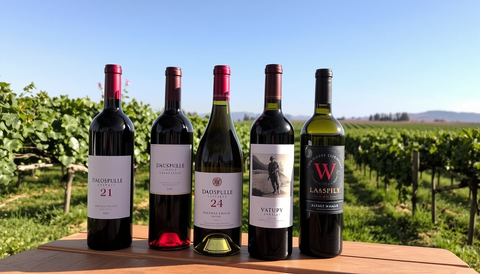
The range includes Chardonnay, Shiraz, Cabernet Sauvignon and a Cabernet Sauvignon/Shiraz blend, as noted in the producer's Springs Road information. Taste them as a sequence rather than a checklist. Begin with the white, compare the two red varieties, then see how the blend brings fruit, structure and texture into a different balance.
How to make the tasting useful
Ask about the estate-grown fruit, the older low-yielding vines and the character of each variety. Technical wine vocabulary is not required. “What changes most from one vintage to the next?” can lead to a more useful discussion than asking whether a wine is “good”.
Food arrangements can vary, so plan on a tasting rather than a full restaurant meal unless you have confirmed otherwise. Some cellar doors may offer selected grazing options, but visitors should check current details before setting out. If wildlife is part of the same day, arrange those bookings separately and use a service that helps you manage wildlife tour reservations, rather than depending on a casual same-day booking.
The order of your stops matters. A cellar door works best as one part of a broader island day, perhaps between a beach visit and a wildlife experience, with enough time afterward for the return drive. Leave room to taste without driving immediately after drinking. Nominate a driver, arrange a transfer where available, or keep the tasting to a responsible level.
For a clear explanation of tasting-room etiquette and rhythm, read this guide to the cellar door experience. Springs Road is likely to feel smaller, more conversational and more closely tied to the vineyard itself. That slower pace suits a day planned around the island, not just a quick stop for a bottle.
Road Conditions, Weather and Seasonal Considerations
Springs Road isn't a sealed suburban access road. The assessed section is 9.5 km of unsealed road, with a 7 m formation width, generally 0.5 m shoulders and 2 to 3 m of clearance back from the pavement edge, according to the Kangaroo Island Ports and Transport traffic assessment. In practical terms, expect dust in dry conditions, a rougher surface and less room for casual stopping than you'd find at a large winery.
The same assessment recorded a 100 km/h speed environment, a school bus route and no crash history along the assessed length. Those details don't mean visitors should drive at that speed. They mean the road has a mixed-use rural function, and drivers need to manage sight distance, oncoming traffic, buses and changing alignment.
The section that needs extra care
Near the Millers Road intersection, one part of the route was described as steep and winding, with a lower geometry rating of 3.5 in the assessment. Slow before the bend, stay alert for approaching vehicles and avoid sudden braking on loose surfaces.
Rain changes the character of an unsealed road quickly. A surface that felt easy in dry weather may become slippery, rutted or less predictable after wet conditions. Check local advice before leaving, and don't assume a standard hire car has the same clearance or traction as a rural vehicle.
Time of day matters
Dawn and dusk bring increased wildlife activity, so plan rural driving in daylight where possible. Kangaroos and other animals can appear suddenly at the road edge, especially when visibility is low. Keep your speed conservative, scan both sides and never swerve sharply to avoid an animal.
Spring and the warmer months can make the island lively and busy, while cooler shoulder periods often suit visitors who prefer quieter tastings. The best season is the one that matches your priorities, whether that's beach time, wildlife activity, vineyard conversation or an unhurried drive.
Planning Your Springs Road Visit Step by Step
A smooth visit starts before you turn off the Playford Highway. Treat Springs Road as a small rural destination within a larger island day, not as a guaranteed drop-in stop with mainland trading patterns.
Your practical checklist
- Check the cellar door arrangements first. Confirm opening days, tasting availability and whether bookings are recommended for your travel date. Peak visitor periods can make a small tasting room feel busy, while quieter seasons may offer a more personal visit.
- Choose a sensible arrival window. Don't leave the cellar door until the final part of the day. Give yourself time for the unsealed drive, the tasting and any return journey before wildlife becomes harder to see on the road.
- Pack for the site, not just the forecast. Closed-toe shoes are useful around vineyard ground, a light jacket helps with changing island weather, and a cloth or old towel can remove dust from the car. Carry water and keep your phone charged, particularly when your itinerary includes rural roads and beaches.
- Decide what comes next. Pair the tasting with one strong follow-up, such as Kingscote food, a northern beach or a wildlife attraction. Adding too many stops can turn a relaxed island day into a timetable exercise.
- Nominate the driver. Wine tasting and rural driving need clear planning. If nobody in your group wants to drive, organise transport before arriving rather than improvising after the tasting.
The common mistakes are predictable. Visitors underestimate the time required on unsealed roads, arrive too late, or assume the cellar door follows mainland winery hours. Check the details, keep the route flexible and allow the island to set the pace.
McLaren Vale Cellars offers a broad selection of South Australian wines, including curated packs and approachable guides for choosing, serving and storing each bottle. Visit McLaren Vale Cellars to continue exploring regional wine after your Springs Road Kangaroo Island day, with Australia-wide delivery available on qualifying orders.
Comments (0)
There are no comments for this article. Be the first one to leave a message!