
Forget the old idea that great bubbles only come from France. Sparkling wine in Australia has well and truly arrived, offering incredible quality and variety for every budget and celebration.
Whether you're after a crisp, classic fizz for a special toast or a fun, fruity sparkler for a casual arvo, the local scene has never been more exciting.
Your Guide To Australian Sparkling Wine

Think of this guide as your personal tour through the vibrant world of Aussie sparkling. We’re here to give you the confidence to choose, serve, and properly enjoy fantastic local bubbles. We'll pop the cork on how those delightful bubbles get in the bottle and take you through the cool-climate regions where our best sparkling grapes are grown.
And it’s not just us saying it—the numbers prove it. The thirst for Australian-made sparkling is booming. Back in 2026, the local market was valued at USD 370.58 million, and it's forecast to rocket to USD 593.32 million by 2033. That’s a growth rate of 5.42% a year, showing just how much Aussies are backing our homegrown fizz. You can dig into the data in the full market report on Australian sparkling wine trends.
Why Now Is The Perfect Time For Aussie Fizz
The quality and buzz around Australian sparkling wine are at an all-time high. Our winemakers aren't just copying international styles anymore; they're crafting unique wines that tell the story of Australia's diverse terroirs.
From a world-class traditional method sparkler out of Tasmania to an aromatic, Prosecco-style fizz from the King Valley, there’s never been a better time to dive in.
Throughout this guide, we'll give you a real, practical understanding of what makes these wines so special. You will learn to:
- Decode Production Methods: Get your head around the difference between the complex Méthode Traditionnelle and the fresh, fruity Charmat method.
- Identify Key Regions: Discover why places like Tasmania, the Yarra Valley, and the Adelaide Hills are hotspots for premium sparkling.
- Recognise Different Styles: Learn to tell your Blanc de Blancs from your Blanc de Noirs and Rosé, so you can always find your perfect match.
- Shop With Confidence: Get practical tips on reading labels, picking bottles for any occasion, and finding brilliant value.
By the end of this journey, you’ll see that phenomenal sparkling wine is being made right here in our own backyard. It's time to look beyond the imports for top-tier bubbles and start celebrating with the incredible sparkling wine Australia has to offer. This guide will show you exactly how.
How Australian Sparkling Wine Gets Its Bubbles

Ever popped a bottle of bubbly and wondered where those mesmerising streams of bubbles actually come from? It's more than just a bit of fizz—it’s a carefully managed winemaking process that defines the entire character of the wine in your glass.
The difference between a complex, toasty sparkler and a zesty, fruit-forward one often comes down to one thing: the production method. Getting your head around this is like having a backstage pass to the world of sparkling wine Australia produces. It explains everything from the price tag to the flavour profile.
At its heart, all sparkling wine gets its bubbles from a second fermentation that creates CO2. The big difference lies in where that second fermentation happens. Let's break down the two main techniques you’ll find down under.
The Traditional Method
Known as the Méthode Traditionnelle, this is the time-honoured, painstaking process used to make the world’s most prestigious sparkling wines, including French Champagne. It’s all about patience, detail, and creating layers of complexity inside each and every bottle.
It starts with a high-quality still wine (the "base wine"). A little hit of yeast and sugar, called the liqueur de tirage, is added to the bottle before it’s sealed with a crown cap—just like a beer bottle. Then, the real magic begins as the second fermentation kicks off inside that sealed bottle.
Key Insight: The wine is then left to mature on its "lees" (sur lie), which are the spent yeast cells. This is where the magic happens. As the wine rests, it develops those incredible, sought-after flavours of brioche, toasted almond, and baked bread. This can last for many months, or even years.
Once the winemaker decides it's ready, the bottles are gradually tilted and turned (a process called riddling) to collect all the yeasty sediment in the neck. The neck is then flash-frozen, the cap is popped, and the frozen plug of sediment shoots out. This is called disgorgement.
The bottle is then topped up with a final dosage (a mix of wine and sugar) to determine its sweetness, before getting its proper cork and wire cage. This bottle-by-bottle craftsmanship is what creates that super-fine, persistent stream of bubbles and a truly unforgettable, savoury character.
If you're curious to learn more about the different styles of sparkling wine, our complete guide to bubbles beyond Champagne is a great place to start.
The Charmat Tank Method
On the other side of the coin is the Charmat method, also known as the tank method. This process is all about capturing freshness, vibrancy, and pure fruit expression. It’s the technique behind Italy’s famous Prosecco and many of the fun, approachable sparkling wines we love in Australia.
Instead of creating bubbles in thousands of individual bottles, the whole process happens in a giant, pressurised stainless steel tank. The base wine is chilled, the yeast and sugar are added, and the second fermentation gets underway on a massive scale.
Because the wine doesn't spend a long time on lees, it keeps all its bright, primary fruit flavours front and centre. This method is faster and more economical, which is fantastic news for our wallets. Charmat method wines are typically:
- Fruit-Driven: Bursting with fresh notes of green apple, pear, and citrus.
- Crisp and Zesty: The bubbles can feel a little frothier and more energetic.
- Ready to Drink: No need for cellaring here—these are made to be enjoyed young.
The Charmat method is the perfect way to make delicious, affordable fizz that’s ideal for a weekend brunch, a sunny afternoon, or any time you just feel like celebrating. It’s less about deep complexity and all about fresh, immediate enjoyment.
Sparkling Wine Production Methods at a Glance
To make things even clearer, here's a quick side-by-side comparison of the two main methods.
| Feature | Méthode Traditionnelle | Charmat (Tank) Method |
|---|---|---|
| Second Fermentation | Inside each individual bottle | In a large, pressurised tank |
| Flavour Profile | Complex, toasty, nutty, bready | Fresh, fruity, floral, crisp |
| Ageing | Aged on lees for months or years | Minimal ageing to preserve freshness |
| Bubble Texture | Fine, elegant, and persistent | Lively, frothy, and energetic |
| Price Point | Mid-range to premium | Entry-level to mid-range |
| Famous Examples | Champagne, Cava, Premium Australian Sparkling | Prosecco, Asti, most everyday Australian sparkling |
Ultimately, neither method is "better"—they simply create different styles of wine for different occasions. Whether you're after the rich complexity of a traditional method sparkler or the fruity burst of a tank-fermented fizz, there’s an Australian sparkling wine waiting for you.
Discovering Australia's Cool-Climate Sparkling Regions
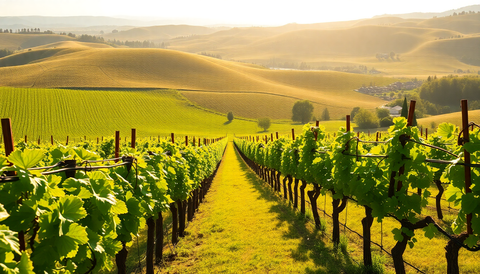
Great sparkling wine isn’t just made in the winery; it’s grown in the vineyard. And when it comes to top-tier fizz, the golden rule is simple: you need a cool climate. Heat is the enemy of the delicate, high-acid grapes that winemakers dream of. They're chasing that perfect, slow ripening period that builds flavour without burning off the electric acidity that makes bubbly so refreshing.
Think of it as the difference between slow-roasting and flash-frying. One builds layers of deep, complex character, while the other just scorches the surface.
This is exactly why Australia’s best fizz comes from a few special cool-climate pockets. These spots, blessed with either high altitude or a southerly latitude, are where Chardonnay and Pinot Noir develop the intensity and backbone needed for world-class sparkling wine Australia is now celebrated for. To understand the wine in your glass, you first need to understand the place it came from.

Tasmania The Sparkling Isle
If Australian sparkling has a spiritual home, it’s Tasmania. This pristine island, surrounded by the chilly Southern Ocean, is a paradise for growing grapes destined for bubbly. Its far-south latitude gives it one of the coolest climates in the country, drawing direct comparisons to the famous Champagne region in France.
Here, long sunny days and cold nights allow the grapes to hang on the vine for an extended period, ripening slowly and steadily. This "hang time" is absolutely critical. It lets the grapes develop complex, nuanced flavours while holding onto the brilliant, razor-sharp acidity that has become the hallmark of Tassie sparkling. The result? Wines with incredible elegance, purity, and the structure to age for years.
Why Tasmania Excels: The secret is a perfect storm of low temperatures, a strong maritime influence, and a long, gentle ripening season. This creates grapes with an ideal balance of sugar and acid, making them tailor-made for the high-quality demands of the Méthode Traditionnelle.
Yarra Valley Classic Victorian Elegance
Just a stone's throw from Melbourne, the Yarra Valley has been crafting sophisticated, elegant wines for generations. As one of Australia’s most historic wine regions, its vignerons have a deep understanding of how to get the best out of Chardonnay and Pinot Noir, the classic sparkling grapes. Its varied landscape, with different altitudes and vineyard aspects, creates a patchwork of microclimates that allows for a huge diversity of styles.
Yarra Valley sparkling wines are celebrated for their finesse and layers of complexity. They often strike a beautiful balance between bright fruit character and the savoury, toasty notes that come from traditional winemaking. Think of them as the polished, refined members of the Aussie sparkling family.
- Key Characteristics: Expect beautiful notes of citrus and stone fruit, layered with hints of brioche and almond from time on lees.
- Regional Strength: Decades of experience with Chardonnay and Pinot Noir give Yarra producers an innate feel for crafting balanced, cellar-worthy sparkling wines.
Adelaide Hills Modern and Vibrant
Nestled in the Mount Lofty Ranges just east of Adelaide, the Adelaide Hills is a key player in Australia's premium sparkling scene. The region's defining feature is its elevation. With vineyards perched high up, the cool temperatures—especially overnight—are a given. This is crucial for preserving the grapes’ natural acidity, leading to wines that are zesty, fresh, and incredibly energetic.
The Adelaide Hills has carved out a reputation for a modern, refined style of fizz. The region’s producers are known for creating sparklings with piercing green apple and lemon notes, often with a clean, mineral-like finish. It's a style that screams precision and purity. When you taste a sparkling from the Adelaide Hills, you're tasting the direct impact of its cool, high-altitude home.
This incredible quality hasn't gone unnoticed. In 2026, Australian sparkling wine exports hit a total value of USD 223.66 million from over 12 million kilograms in volume, with huge demand from markets like New Zealand, Canada, and Singapore. You can see how Australia stacks up on the world stage and explore more sparkling wine export data.
Finding Your Perfect Style of Australian Sparkling

Walking into a bottle shop and facing a wall of sparkling wine can feel a bit overwhelming. The labels are often a sea of French terms that seem designed to confuse. But once you know what they mean, you’ll unlock the secret to choosing the perfect bottle, every single time.
It all comes down to understanding the core styles. This helps you look past the fancy foil and know exactly what you’re getting. These styles are defined by the grapes, which has a huge impact on the final flavour, feel, and even the colour of the wine.
Let's break down the three main styles you’ll come across when exploring the best sparkling wine Australia has to offer.
Blanc de Blancs: The Essence of Purity
Blanc de Blancs literally means "white from whites." In the world of Australian sparkling, this almost always means the wine is crafted from 100% Chardonnay grapes. Think of this as the sharpest, most elegant style of fizz, all about precision and finesse.
These wines are loved for their bright, zesty acidity and distinct citrus character. You'll often taste crisp green apple, lemon zest, and grapefruit. With a bit of age, especially those made in the traditional method, they develop beautiful notes of toasted brioche, almond, and a creamy texture that perfectly balances their natural zing.
When to Drink It: Blanc de Blancs is the ultimate aperitif. Its clean, crisp acidity is perfect for waking up your palate before a meal. It's also a dream match for delicate seafood—think freshly shucked oysters, grilled prawns, or seared scallops.
Blanc de Noirs: The Power of Red Grapes
Next up is Blanc de Noirs, which translates to "white from blacks." This means it’s a white sparkling wine made only from red-skinned grapes. For this style, the go-to grapes are Pinot Noir and Pinot Meunier.
So, how do you get a white wine from red grapes? The secret is in the gentle press. The juice is quickly separated from the dark skins before they can add much colour, which gives you a white base wine. These wines tend to have more body, richness, and red-fruit character than their Blanc de Blancs cousins.
- Flavour Profile: Expect more structure and a fuller body, with flavours of strawberry, red cherry, and raspberry.
- Texture: They often have a creamier mouthfeel and a richer, more powerful character.
- Pairing Potential: That depth makes them surprisingly good with heartier dishes.
This style is a fantastic bridge between white and red wine. It’s got all the refreshment of a sparkling but with enough weight to stand up to roast chicken, pork loin, or even duck.
Sparkling Rosé: The Brilliant All-Rounder
Finally, we have the incredibly popular and versatile Sparkling Rosé. These beautiful pink-hued wines get their colour in one of two ways. Most commonly, a small amount of still red wine (usually Pinot Noir) is blended into the white base wine before the second fermentation. The other method, called saignée, involves letting the juice have brief contact with the red grape skins.
Sparkling Rosé truly offers the best of both worlds. It brings together the bright acidity of a white sparkling with the lovely red fruit flavours of a light red. You’ll find everything from delicate notes of wild strawberry and raspberry to bolder hints of cherry and cranberry.
Its superpower is its versatility. A quality dry Rosé is fantastic with everything from a cheese platter to spicy Thai food. Wine experts often call it the ultimate food wine for its ability to handle a huge range of flavours at the dinner table. It’s a brilliant choice when you're just not sure what to serve.
How to Serve and Pair Sparkling Wine Like a Pro
There’s so much more to enjoying a fantastic bottle of sparkling than just the festive pop of the cork. A few simple tricks of the trade can transform your experience, taking the wine from simply "good" to truly exceptional. It’s all about letting the incredible aromas and flavours the winemaker worked so hard to create really shine.
First things first: get the temperature right. While chucking a bottle in the freezer seems like a quick fix, the perfect serving temperature is actually between 6–8°C. Too cold, and you'll mute all those beautiful, delicate notes. Too warm, and the wine can feel flat and lose its refreshing crispness. The best method? An ice bucket filled with half ice and half water will chill it down perfectly.
Next, let's open that bottle with a bit of style and safety. Tilt the bottle to a 45-degree angle, drape a cloth over the cork, and unwind the wire cage. Now for the pro tip: hold the cork firmly and twist the bottle, not the cork. This gives you far more control, releasing the pressure with a gentle sigh instead of a loud bang, and most importantly, it keeps all those precious bubbles in the wine, not on the ceiling.
Choosing Your Glassware
Believe it or not, the glass you pour your sparkling into can dramatically change how you taste and smell it. The classic, tall flute is an icon, but it's not always the best tool for appreciating the complex sparkling wine Australia is becoming famous for.
- The Flute: It’s brilliant for watching the bead (the elegant stream of bubbles) and looks fantastic. However, its very narrow opening can hold back the wine's aromas. It's best suited for simple, fresh styles like a basic fizz.
- The Tulip Glass: This is a fantastic all-rounder. The bowl is wider than a flute but tapers back in at the rim, which helps to collect and concentrate the aromas. This makes it a great choice for more complex, traditional-method sparkling wines.
- The White Wine Glass: This might surprise you, but a standard white wine glass is often the top pick for high-quality vintage sparklers or a premium Blanc de Blancs. The wider bowl gives the wine space to open up and reveal its layered, toasty character.
Beyond Oysters: Food Pairings
Sparkling wine is a secret weapon at the dinner table. Its high acidity and cleansing bubbles make it one of the most food-friendly wines you can find. It's time to move beyond the classic oyster pairing and get a little more adventurous.
A crisp, zesty Blanc de Blancs is an absolute knockout with anything salty and fried. Think crispy fried chicken, tempura prawns, or even a simple bowl of hot chips. The wine’s acidity cuts right through the richness.
A richer, more structured Blanc de Noirs or a vintage sparkling can handle heartier dishes with ease. Don’t be afraid to pour it alongside creamy pasta, roasted pork, or a decadent mushroom risotto. For even more ideas, check out our guide on perfect food pairings for wine.
Sparkling Rosé is the ultimate all-rounder. Its blend of bright acidity and red berry fruit makes it a perfect partner for everything from a charcuterie board to spicy Asian cuisine.
If you want to get creative, try using your sparkling wine in a cocktail. It adds an elegant fizz to classics like the French 75 cocktail recipe. It’s a fun way to explore the versatility of bubbles, tapping into a global trend of people looking for new ways to enjoy wine at home.
Your Guide to Buying Australian Sparkling Wine
Alright, you've got the lingo down. Now for the fun part: putting that knowledge to work and finding the perfect bottle. Navigating the world of sparkling wine Australia offers is so much easier—and more rewarding—when you know what to look for. With just a few key pointers, you can confidently pick a winner for any occasion or budget.
The secret is understanding the connection between production method, region, and price. A traditional method fizz from a premium cool-climate region like Tasmania will naturally have a higher price tag. That’s because of the incredible amount of hands-on work and long ageing it requires. What you get in return is stunning complexity and a wine that can age beautifully.
But if you’re after something for immediate, joyful drinking, a fresh, fruit-forward Charmat method sparkling is brilliant value. Knowing this helps you choose wisely. Hosting a big backyard party? A vibrant, tank-fermented fizz is a fantastic, budget-friendly crowd-pleaser. Celebrating a special anniversary? You won’t regret splashing out on a sophisticated, traditional method Blanc de Blancs from the Adelaide Hills.
Start Your Tasting Journey
One of the absolute best ways to figure out what you love—without committing to a whole case of something new—is with a curated sample pack. Think of it as a guided tour for your tastebuds. A great pack, like the ones we put together here at McLaren Vale Cellars, might feature a crisp Blanc de Blancs, a richer Blanc de Noirs, and a versatile Sparkling Rosé.
This lets you taste the different styles side-by-side, which is the fastest way to pinpoint the flavours and textures that really get you excited. You might be surprised to find you adore the red-fruit depth of a Blanc de Noirs or the zesty, chalky purity of a cool-climate fizz. It’s a fun, no-pressure way to build your wine confidence. For more tips on finding great bottles, check out our article on how to discover the best Australian sparkling wines you can order online.
A regional Blanc de Blancs is often a best-seller for a reason. Its clean, elegant profile and ability to pair with a wide range of foods make it a trusted choice for both newcomers and seasoned enthusiasts alike. It’s the little black dress of the sparkling world—always in style.
Making Shopping Easy And Rewarding
These days, buying wine online makes it easier than ever to explore the incredible variety of Australian sparkling. When you're ready to purchase, look for reputable specialists like Wine Selectors or dedicated online cellars that provide detailed tasting notes and food pairing ideas to help you choose.
A good online cellar door should also make the buying experience a breeze. Here are a few perks to keep an eye out for:
- Loyalty Programs: Many retailers offer points or rewards on your purchases that can be used for discounts down the track.
- Free Delivery: Look for free shipping offers, usually when you spend over a certain amount. It’s a simple way to add great value to your order.
- Taste Guarantees: A money-back or replacement guarantee is a sign of a retailer who stands behind their wines, giving you complete peace of mind with your purchase.
Armed with your new knowledge and these practical shopping tips, you’re all set to dive into the exciting world of Australian sparkling. Cheers to that
Your Sparkling Wine Questions, Answered
Diving into the world of Aussie bubbles can spark a few questions. That’s perfectly normal! To help you get the most out of every glass, we've put together some straightforward answers to the things we get asked most often.
What’s the Difference Between Champagne and Australian Sparkling Wine?
The short answer? Location, location, location. True Champagne can only come from the Champagne region of France—it's a legally protected name, like a trademark for a place.
But here’s the exciting part. Many of Australia's best sparkling wines are made using the exact same grapes (Chardonnay and Pinot Noir) and the time-honoured Méthode Traditionnelle. The real difference is that our wines tell the story of Australia's incredible cool-climate terroirs. Think of them as world-class cousins, not copies, offering brilliant quality and a uniquely Australian personality.
How Long Can I Keep a Bottle of Australian Sparkling?
This really comes down to the style of the wine. Not all fizz is made for the long haul in a cellar.
- Non-Vintage (NV) and Charmat Method Wines: These are designed to be popped and enjoyed while they're young and vibrant. Their magic is in their zesty, fresh fruit flavours. It's best to drink them within a year or two of buying them.
- Vintage and Traditional Method Wines: This is where things get interesting. A top-quality vintage sparkling, especially from a stellar region like Tasmania, can age beautifully for 5-10 years, sometimes even longer. Over time, it will shed its primary fruit and develop gorgeous, complex layers of toast, honey, and nuts.
Is Sweeter Sparkling Wine Lower in Quality?
Absolutely not! Sweetness is a style choice, not a reflection of quality. A beautifully made off-dry or sweet sparkling wine will have a perfect harmony between its sugar and acidity, making it delicious and refreshing, never sickly or cloying.
The true mark of quality in any wine—sweet or dry—is balance. A well-crafted sweeter fizz can be the perfect partner for dessert, a cheese platter, or even spicy Asian food, where that touch of sweetness cuts through the heat beautifully.
What Does Blanc De Blancs Mean on a Label?
"Blanc de Blancs" is French for "white from whites." It’s a simple way of saying the wine is made 100% from white grapes. Here in Australia, that almost always means it’s crafted entirely from Chardonnay.
These wines are famous for their elegance, crispness, and sheer zest for life. You'll often find notes of green apple, lemon, and fresh-cut pear, which can evolve into creamy, biscuit-like notes as the wine ages.
Ready to explore the best of local fizz? The experts at McLaren Vale Cellars have curated a fantastic range of Australian sparkling wines, from crisp Blanc de Blancs to versatile Rosé. Explore our sample packs and best-sellers at https://www.mclarenvalecellars.com.

Comments (0)
There are no comments for this article. Be the first one to leave a message!