
Forget everything you thought you knew about sparkling wine being strictly dry. Let's talk about its sweeter, more playful sibling: sparkling sweet wine. These are bubbly, vibrant wines with a noticeable touch of sweetness, ranging from just off-dry to properly luscious. They’re a fantastic alternative to the classic Brut style and perfect for celebrations, desserts, or just kicking back with an elegant aperitif.
The magic is all in the balance of fizz, fruit, and sweetness.
What Are Sparkling Sweet Wines

Welcome to the delightful world of sparkling sweet wines, where bubbles meet bliss. This guide is your perfect starting point for understanding what makes these vibrant wines tick and how they differ from their drier cousins. We'll demystify the sweetness scale so you can confidently pick a bottle that hits just the right spot for your palate.
Think of this as your personal introduction to the craft behind the fizz. We want you to feel like a seasoned pro before you even pop the cork. You'll soon see why these styles, especially from renowned regions like our own McLaren Vale, are becoming the go-to choice for celebrations and casual sipping alike.
Decoding Sweetness Levels
The key to navigating sparkling sweet wines is getting to know the language. The terms used to describe their sugar content can seem a bit backward at first, but once you get the hang of it, they provide a clear roadmap to finding your perfect style.
- Demi-Sec: This translates to "half-dry," which is a bit of a curveball because it’s actually noticeably sweet while still feeling beautifully balanced. It’s a fantastic entry point for anyone just starting to explore sweeter bubbles.
- Doux: This is the sweetest of the sweet. The name literally means "sweet" in French, and these wines are rich, luscious, and often served as a stunning dessert wine.
The secret to enjoying these wines is recognising that "sweet" doesn't mean simple. A well-crafted sweet sparkling wine offers a complex interplay of fruit, acidity, and bubbles, creating a sophisticated and refreshing experience.
The Growing Appeal in Australia
The popularity of these delightful wines is absolutely booming. Australia's sparkling wine market has been bubbling with impressive growth, and it's the sweeter styles that are really capturing the hearts of those looking for that perfect effervescent indulgence.
The total Australian sparkling wine market was valued at USD 370.58 million, and it's projected to soar to USD 593.32 million by 2033. This surge aligns perfectly with South Australia's dominance, where regions like McLaren Vale are crafting exquisite examples, including stunning Blanc de Blanc sparkling wines. You can dive deeper into the Australian sparkling wine market growth on Deep Market Insights.
How Winemakers Create Bubbles and Sweetness

Ever wondered how those delightful little bubbles get captured inside a bottle of wine? It's a fantastic mix of science and artistry, all centred around a second fermentation. This clever step creates carbon dioxide, which dissolves into the wine and, once opened, gives us the beautiful fizz we all know and love.
Winemakers generally take one of two main paths to create this bubbly magic, and the method they choose has a huge impact on the final style of the sparkling sweet wine.
The Traditional Method
Think of the Traditional Method (or Méthode Champenoise, as they call it in France) as the old-school, artisanal approach. It’s patient and labour-intensive because that all-important second fermentation happens right inside the individual bottle you end up buying.
This extended time in the bottle allows the wine to develop wonderfully complex, layered flavours of brioche, toasted almond, and baked apple. It's the gold standard for Champagne and many of the world's top-tier sparkling wines, including some sophisticated sweeter styles made right here in Australia. The result is a fine, persistent stream of bubbles (known as the mousse) and a rich, creamy texture.
A key part of this process is riddling, where bottles are slowly turned and tilted over several weeks. This painstaking step coaxes the spent yeast cells, known as lees, into the neck of the bottle so they can be removed before the final corking.
The Charmat Method
On the other hand, the Charmat Method (also called the Tank Method) is all about capturing fresh, bright, vibrant fruit flavours. Instead of fermenting in thousands of separate bottles, the winemaker conducts the second fermentation in large, pressurised stainless steel tanks. It’s a much quicker and more efficient way to get the fizz.
This technique is absolutely perfect for aromatic sparkling sweet wines like Italian Prosecco and Moscato d'Asti. It locks in those primary fruit notes of green apple, pear, and citrus, leading to a wine that’s crisp, clean, and bursting with fruity character. If you want to dive deeper into different styles, check out our guide to bubbles beyond Champagne and explore the full spectrum.
Mastering the Sweetness
So, how do winemakers dial in that perfect level of sweetness? They've got a couple of clever tricks up their sleeves.
One common technique is to simply stop the first fermentation early. By chilling the wine down, they pause the yeast before it has a chance to convert all the natural grape sugars into alcohol. This leaves a delicious touch of residual sweetness in the final wine, a method often used for naturally sweet styles like Moscato.
Alternatively, for wines made using the Traditional Method, the sweetness is adjusted right at the end of the process. After the yeast sediment is removed, the winemaker adds a small top-up called the dosage—a mixture of wine and sugar. The amount of sugar in this final addition is what determines whether the wine will be a dry Brut, a semi-sweet Demi-Sec, or a lusciously sweet Doux.
Discovering Grapes and Popular Wine Styles

Not all sparkling sweet wines are created equal, and the secret to their unique personalities lies in the grapes. Think of it like this: different apples create ciders with distinct flavours, and in the same way, the grape variety is the starting point for everything you taste in your glass.
Understanding the grapes is your shortcut to finding a style you'll truly love. From intensely floral and aromatic to subtly crisp and fruity, each grape brings its own signature character to the finished wine. This is where the real fun of exploration begins.
The Aromatic Wonders
When it comes to those wonderfully fragrant and fruity sparkling sweet wines, a few key grapes tend to steal the show. They’re celebrated for their expressive, inviting profiles, making them hugely popular choices for anyone who enjoys a more perfumed and flavour-forward style.
- Moscato: Known officially as Muscat, this grape is a true superstar in the world of sweet wines. It’s famous for its enchanting aromas of peach, apricot, orange blossom, and honeysuckle, creating a wine that’s both luscious and refreshingly light.
- Glera: This is the grape behind the world-famous Italian Prosecco. While often made in a dry style, sweeter versions are fantastic, showcasing a crisp character of green apple, pear, and honeydew melon with a clean, zesty sweetness.
Classic Grapes in a Sweeter Style
You might associate grapes like Chardonnay and Pinot Noir with dry Champagne, but they are also used to craft exceptional, more complex sweet sparklers. It’s all in the hands of the winemaker, who uses the dosage to dial up the sweetness, creating richer, more layered wines that still carry the classic hallmarks of these noble varieties.
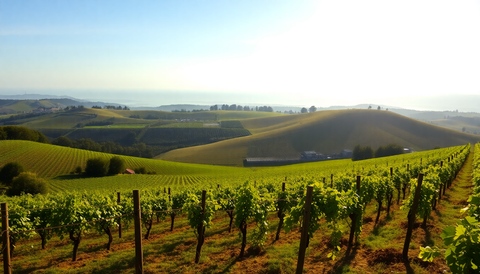
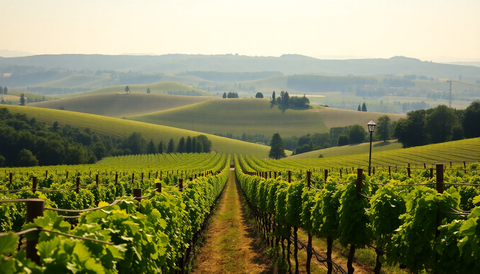
In regions like McLaren Vale, our warm, sunny climate helps grapes develop beautiful ripeness and concentrated fruit flavours. This local terroir gives our sweet sparklers a distinctive richness and depth that sets them apart—it's like bottling a drop of South Australian sunshine.
Chardonnay, when used for a sweet Blanc de Blancs ("white from whites"), brings notes of baked apple, lemon curd, and a lovely creamy texture. Meanwhile, Pinot Noir can lend hints of strawberry and cherry to a sparkling rosé, adding a delightful red-fruit complexity to the sweetness.
Knowing the grapes is the key to unlocking this diverse and delicious world. It allows you to explore the full spectrum of sparkling sweet wines, whether you’re after the bright, floral charm of a Moscato for a casual afternoon or a sophisticated Demi-Sec Blanc de Blancs for a special celebration.
Sparkling Sweet Wine Styles at a Glance
To help you navigate the options, here's a quick comparison of some of the most popular sweet sparkling styles you'll come across.
| Wine Style | Primary Grape(s) | Common Flavors | Typical Sweetness Level |
|---|---|---|---|
| Moscato d'Asti | Moscato (Muscat) | Peach, apricot, orange blossom, honeysuckle | Sweet to Very Sweet |
| Asti Spumante | Moscato (Muscat) | Ripe stone fruit, grape, floral notes | Sweet |
| Sweet Prosecco | Glera | Green apple, pear, honeydew melon, white flowers | Off-Dry to Sweet |
| Demi-Sec | Chardonnay, Pinot Noir | Baked apple, citrus, red berries, brioche | Off-Dry to Sweet |
| Doux | Chardonnay, Pinot Noir | Candied fruit, honey, pastry, toasted nuts | Very Sweet |
| Sparkling Rosé | Pinot Noir, other red grapes | Strawberry, raspberry, cherry, citrus | Dry to Sweet |
This table is just a starting point, of course. The real joy is in discovering how different producers and regions put their own unique spin on these classic styles. Happy exploring
The Art of Tasting and Food Pairing

Ready to turn a simple glass of bubbly into a full-blown sensory experience? Getting the most out of your sparkling sweet wine is all about the little details—namely, how you serve it and what you serve it with. It’s the difference between just drinking wine and truly tasting it.
First things first: temperature is everything. You'll want to serve your sparkling sweet wine nicely chilled, right around 6-8°C. If it’s too warm, the sweetness can feel a bit heavy and the wine loses its refreshing crispness. Too cold, and you'll mute all those beautiful, delicate aromas the winemaker worked so hard to create. A proper chill keeps the bubbles lively and the flavours bright and expressive.
How to Taste Like a Pro
Once your bottle is perfectly chilled, it’s time for the fun part. This isn’t about being stuffy or formal; it’s simply about taking a moment to appreciate what’s in your glass. A few simple steps can unlock a wine's entire story.
- Look: Pour the wine into a flute or tulip glass. Check out the colour—is it pale straw or a deeper gold? Watch the stream of bubbles, what we call the perlage. Tiny, persistent bubbles are often the hallmark of a well-made sparkling.
- Swirl: Give the glass a gentle swirl. This simple move helps the wine breathe, releasing all its complex aromas and letting them gather at the top of the glass, ready for you.
- Smell: Now, bring the glass to your nose and inhale. What do you smell? Fresh peaches and apricots? Floral notes like honeysuckle? Or maybe richer scents of toasted brioche and almonds?
- Sip: Finally, take a small sip. Let the wine wash over your tongue. Notice the interplay between the sweetness and the acidity, and feel the texture of the bubbles. Does the flavour linger? That's what we call the finish.
Unlocking Perfect Food Pairings
Sure, sparkling sweet wines are a no-brainer with dessert, but they’re far more versatile than you might think. The secret is balance. The wine's sweetness and acidity are brilliant at cutting through rich foods, complementing creamy textures, and even taming the heat of spicy dishes.
Forget the old rules that limit sweet wines to dessert. A well-chosen Demi-Sec can be one of the most food-friendly wines on your table, creating a perfect harmony with savoury, spicy, and rich dishes alike.
This is where the real magic happens. A great pairing can elevate an entire meal, turning a casual Tuesday night dinner into something special. If you want to dive deeper, our guide on the art of pairing Champagne with culinary delights has some fantastic tips that work for all kinds of bubbles.
Pairing Ideas to Get You Started
To get your creative juices flowing, here are a few real-world examples that show just how versatile sparkling sweet wines can be:
- Spicy Dishes: The touch of sweetness is the perfect foil for the heat in a Thai green curry or spicy Szechuan chicken. It cools the palate and lets the aromatic flavours of the dish shine.
- Creamy Cheeses: Pop a bottle with a decadent triple-cream brie or a tangy goat cheese. The wine's bright acidity slices right through the richness, cleansing your palate for the next bite.
- Rich and Savoury: There's a reason foie gras or a smooth pâté with a sweet sparkling is a classic pairing. The effervescence and sweetness lift the richness, creating a truly luxurious match.
- Fruity Desserts: And of course, it’s a natural with dessert! Try it with a fresh berry tart, a warm peach cobbler, or even a simple bowl of strawberries and cream to echo its fruity character.
Choosing the Right Bottle for Any Occasion
The right bottle of wine does more than just complement a moment; it elevates it. Matching the style of your sparkling sweet wine to the event is the secret to creating a truly memorable experience. Think of it as casting a character in a play—each wine has its own personality, perfectly suited for a specific role.
For those casual, sunny gatherings like a weekend brunch or a relaxed picnic with friends, you can't go wrong with something light, aromatic, and fruity. A vibrant Moscato d'Asti or a sweeter style of Prosecco is flawless here. Their lower alcohol and bright, fresh notes of peach and green apple are crowd-pleasing and wonderfully refreshing.
Stepping Up for Special Moments
When the occasion calls for a bit more elegance, it’s time to choose a wine with greater complexity and structure. These are the moments that demand something that feels just as special as the celebration itself.
For significant milestones like an anniversary, a graduation, or a sophisticated dinner party, a Demi-Sec sparkling from a premium region like McLaren Vale is an exceptional choice. Often made using the traditional method, these wines offer finer bubbles and richer notes of baked apple, brioche, and citrus, adding a real touch of class to the proceedings.
A well-chosen bottle reflects the spirit of the event. A light, fun wine for a casual get-together says, "let's relax," while a more complex Demi-Sec for an anniversary whispers, "this is a moment to savour."
Perfect Pairings for Life’s Celebrations
Let’s map out a few specific scenarios to make your next choice even easier. This approach ensures the wine not only suits the food but also perfectly matches the mood of any gathering.
- Casual Afternoon Drinks: A bright, sweet Sparkling Rosé is perfect. Its notes of strawberry and raspberry are wonderfully inviting and laid-back.
- Holiday Festivities: A richer, sweeter Asti Spumante can stand up to a variety of festive treats and celebratory flavours.
- Romantic Dinners: A sophisticated Demi-Sec Blanc de Blancs offers an elegant profile that feels both intimate and special.
- Weddings and Engagements: When selecting the perfect bubbly for a grand celebration, you want something that makes the toast unforgettable. A beautiful sweet sparkling can complement elegant themes like those in these outdoor wedding reception ideas.
Your Smart Shopping Guide for McLaren Vale Wines
Let's be honest, walking into a cellar door or browsing online can feel a little overwhelming, but a few insider tips will have you shopping like a pro in no time. When you're looking at what McLaren Vale has to offer, especially its gorgeous sparkling sweet wines, think beyond just grabbing a single bottle. Curated sample packs and mixed cases are your secret weapons for discovery and incredible value.
Sample packs are the perfect, low-risk way to explore. Instead of taking a punt on a style you think you'll love, you get to try a hand-picked selection. It's the best way to taste the diversity of the region—from a zesty Blanc de Blancs to a richer, fruit-forward sparkler—and pinpoint your new favourite without committing to a full dozen.
Maximise Value with Mixed Dozens
Once you've found a few favourites, buying in bulk is the smartest way to stock your rack. Mixed dozens give you exceptional value, bringing the per-bottle price right down and making sure you’re ready for any occasion that pops up. A great mixed case might have a few bottles of your go-to sweet sparkler for celebrations, some classic Shiraz for winter dinners, and a crisp Sauvignon Blanc for sunny afternoons.
This isn't just about saving money; it's about being practical. You'll build a versatile home cellar that’s ready for anything, from last-minute guests to a planned dinner party. You can find more inspiration for your next purchase in our guide to the best Australian sparkling wines to buy online.
Create Impressive Gifts with Local Flair
Looking for a gift that truly stands out? Step away from the single bottle and put together a curated bundle that tells a story of McLaren Vale. A brilliant gift pack could feature a celebrated sparkling sweet wine alongside a bottle of the region's famous fortified tawny, or even a small-batch local gin.
The best gifts offer an experience. Combining different styles—like a sweet sparkling and a bold fortified—gives the recipient a true taste of the region's incredible range and craftsmanship.
While McLaren Vale is famous for Shiraz, its sweet sparkling styles, often with 30-60g/L of residual sugar, have become a huge hit with new wine drinkers—many of whom were introduced to them through these very sample packs. For our customers, this has made best-sellers of our Blanc de Blanc sparklers. They're often bottled at accessible prices around AUD 25-40 per bottle in dozen bundles, which is fantastic value for such premium quality.
Got Questions? We've Got Answers
To wrap things up, let's tackle a few of the most common questions we hear from fellow wine lovers. Think of this as your go-to cheat sheet for all things sparkling and sweet.
What Is the Difference Between Prosecco and Moscato?
It’s an easy mistake to make, but while both are famous Italian-style bubblies, they couldn’t be more different. It all comes down to the grape.
Prosecco is made from the Glera grape, giving it those classic notes of green apple, pear, and citrus. On the other hand, Moscato comes from the aromatic Muscat grape, which is famous for its heady flavours of peach, apricot, and orange blossom. Generally, you’ll find Moscato is sweeter and a touch lower in alcohol than most Prosecco.
How Long Can I Store an Unopened Bottle?
Most sparkling sweet wines, especially those made with the Charmat (tank) method like Prosecco and Moscato, are crafted to be enjoyed young and fresh. To get the best out of their vibrant, fruity character, you’ll want to drink them within 1-3 years of the vintage date.
For best results, always store your bottles on their side in a cool, dark place. This keeps the cork moist and protects the wine from temperature swings, ensuring it’s in perfect condition when you’re ready to pop it open.
More complex, traditional-method sparkling wines are a different story and can often be cellared for much longer.
Are All Sparkling Sweet Wines Considered Dessert Wines?
Not at all! This is probably the biggest misconception out there. While many are absolutely brilliant with dessert, their versatility is one of their greatest strengths. A demi-sec, for example, makes a fantastic aperitif to kick off an evening.
That hint of sweetness also makes them a secret weapon for food pairing. They can beautifully balance the heat in spicy Asian dishes or cut through the richness of creamy cheeses and pâté. They are far more flexible than many people give them credit for.
Ready to explore the delightful world of sparkling sweet wines from McLaren Vale? McLaren Vale Cellars offers curated sample packs and mixed dozens to help you find your next favourite.
Comments (0)
There are no comments for this article. Be the first one to leave a message!