
Introduction
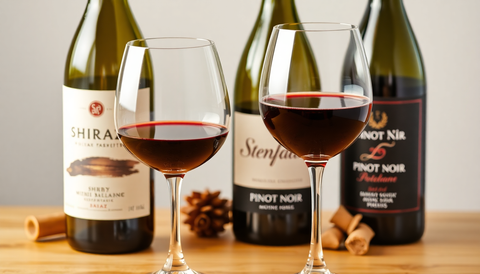
In the world of red wines, few debates are as enduring and passionately discussed as the one between Shiraz and Pinot Noir. Both are highly regarded and beloved by connoisseurs and casual drinkers alike, yet they offer remarkably different tasting experiences, origins, and food pairing possibilities. As we move further into 2025, understanding these two iconic varietals can significantly enhance your wine selections and appreciation. This comprehensive guide will delve into their unique histories, flavor profiles, aging potentials, and pairing tips, helping you make informed choices whether you're hosting a dinner, celebrating a special occasion, or simply exploring the diversity of wine.
Origins and Historical Background
The roots of Shiraz and Pinot Noir lie in different parts of France, but both have cultivated reputations that have transcended their native regions.
Pinot Noir
- Historical Origins: Tracing back to Burgundy, France, Pinot Noir's history spans over a millennium, with evidence of cultivation dating as far back as the Roman era. The word "Pinot" refers to the grape's pine cone shape, which is evident in its small, tightly clustered grapes.
- Global Spread: Its delicate nature has made it a challenge to grow, but regions like Oregon’s Willamette Valley, New Zealand’s Central Otago, and parts of Germany and California have become renowned for producing exceptional Pinot Noir wines.
Shiraz
- Historical Origins: Although Shiraz is associated with Australia today, its ancestral roots are firmly planted in the Rhône Valley of France, where it is known as Syrah. The name "Shiraz" gained popularity in Australia, with some suggesting it reflects the ancient city of Shiraz in Persia, symbolizing the wine’s bold character.
- Global Adoption: Aside from its native Rhône origins, Shiraz is now synonymous with Australian wine production, especially in regions like Barossa Valley and McLaren Vale, where the warm climate allows the grape to reach full ripeness and develop its signature flavors.
Climate and Terroir's Impact on Flavor
Climate and terroir profoundly influence the taste and structure of both varietals:
Pinot Noir
- Thrives in cooler climates; long, cool growing seasons foster delicate acidity and complex aromas.
- Soil composition, such as limestone and clay, enhances minerality and finesse.
Shiraz
- Requires hot, dry conditions to fully ripen—characteristic of Australian and certain Rhône vineyards—imparting boldness and richness.
- Often grown in rocky or sandy soils, which contribute to the intensity and depth of flavor.
Deep Dive into Flavor Profiles and Tasting Notes
Pinot Noir
Recognized for its elegance and complexity, Pinot Noir offers a nuanced palate that varies with origin and winemaking style:
- Fruits: Bright red berries such as cherries, raspberries, and pomegranate.
- Earth and Mineral Notes: Mushroom, forest floor, damp earth, and subtle mineral hints.
- Spice and Floral Elements: Notes of clove, cinnamon, violet, and rose petals.
- Finish and Acidity: Typically crisp and highly refreshing, with balanced acidity that enhances food pairing versatility.
Shiraz
In contrast, Shiraz presents a bold, full-bodied profile:
- Fruits: Ripe blackberries, black cherries, plums, and dark currants.
- Spices and Smoke: Black pepper, cloves, licorice, and smoky nuances—often with a touch of roasted character.
- Chocolate and Mocha: Hints of dark chocolate, espresso, or mocha deepen the wine's richness.
- Texture and Finish: Firm tannins, a velvety mouthfeel, and a long, lasting finish that lingers with spice and fruit.
Aging Potential and Cellaring Insights
Although both wines can be enjoyed young, their aging trajectories differ:
Pinot Noir
- Typically best consumed within 3 to 7 years from vintage for optimal freshness and delicate aroma expression.
- High-quality Pinots from Burgundy or premium regions may age up to 10–15 years, gaining complexity, Burgundian spice, and tertiary earth notes.
Shiraz
- Generally more robust and suited for aging 10 to 20 years, developing deeper, more refined flavors.
- Age contributes to softening tannins and enhancing smoky, spicy character, especially in top-tier wines.
Food Pairing Strategies
Pinot Noir Pairings
- Light meats such as roasted chicken, duck, and turkey.
- Seafood dishes, especially salmon, tuna, and shellfish.
- Earthy vegetables like mushrooms, root vegetables, and beet salads.
- Cheeses such as Brie, Camembert, and goat cheese.
Shiraz Pairings
- Rich grilled beef, lamb, or veal.
- Hearty stews, especially beef or lamb curries.
- Barbecue dishes with smoky flavors and spice rubs.
- Dark chocolate desserts and aged hard cheeses like aged Cheddar or Gouda.
The Importance of Serving and Tasting Temperature
Proper serving temperature enhances the qualities of each wine:
- Pinot Noir: Serve slightly chilled at around 14–16°C (57–61°F) to accentuate freshness and delicate aromas.
- Shiraz: Best enjoyed at room temperature or slightly warmer—around 16–18°C (61–64°F)—to reveal full body and spiced nuances.
Ideal Aging and Storage Tips
To preserve and develop your wines:
- Keep bottles lying horizontally in a cool, dark, and humid environment.
- Avoid temperature fluctuations to prevent premature aging or spoilage.
- Use quality wine cellars or temperature-controlled wine fridges for optimal aging conditions.
Making Your Choice: Factors to Consider
Deciding between Shiraz and Pinot Noir depends on personal taste, occasion, and food pairing considerations:
- Preference for delicacy or boldness: Do you prefer the finesse and subtle nuances of Pinot Noir or the power and intensity of Shiraz?
- Meal type: Light dishes or seafood suit Pinot Noir, while hearty meats call for Shiraz.
- Occasion: For elegant, sophisticated gatherings, Pinot Noir is ideal; for casual barbecues or bold-flavored dishes, Shiraz shines.
- Age and cellaring: Consider whether you want an immediately enjoyable wine or one to age and develop over time.
Conclusion
Both Shiraz and Pinot Noir represent the incredible diversity within the world of red wines. Their differences—rooted in history, climate, and winemaking style—offer a wide range of tasting experiences. By understanding their origins, flavor profiles, aging potentials, and perfect pairings, you can confidently select the right wine for any occasion in 2025. Whether you seek the delicate elegance of Pinot Noir or the bold statement of Shiraz, both varietals promise a rewarding journey into the depths of wine craftsmanship. Embrace the exploration, and let your palate guide you to new favorites!

Comments (0)
There are no comments for this article. Be the first one to leave a message!