
Introduction
In the vast and diverse world of red wines, few debates are as passionate and enduring as Shiraz vs Pinot Noir. Both these varietals have captivated wine enthusiasts, sommeliers, and casual drinkers alike with their unique character and rich histories. As we navigate through 2025, understanding the fundamental differences, flavor nuances, and pairing possibilities of these two iconic reds can significantly enhance your wine journey. Whether you're planning a special dinner, expanding your cellar, or simply exploring new tastes, this comprehensive comparison aims to guide you in choosing the right wine for your palate and occasion.
Origins and Terroir: The Roots of Pinot Noir and Shiraz
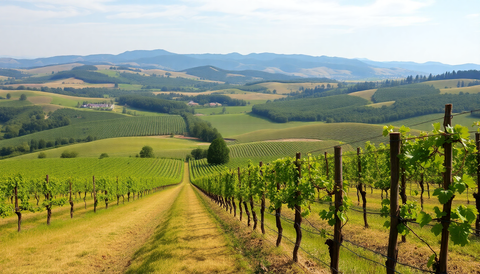
Every wine tells a story of its terroir—the unique combination of soil, climate, and geography. The origins of Pinot Noir and Shiraz reveal their distinctive personalities shaped by their native environments.
Pinot Noir
- **Historical Roots:** Originating over a thousand years ago in the Burgundy region of France, Pinot Noir is one of the most ancient and revered grape varieties.
- **Climate Preference:** Thrives in cooler climates with long, gentle growing seasons, including Burgundy, Oregon, New Zealand, and parts of Germany and California.
- **Terroir Impact:** The more delicate and finesse-driven nature of Pinot Noir is highly susceptible to terroir influences, which contribute to the complexity and elegance of the wine.
Shiraz
- **Historical Roots:** Known as Syrah in France, Shiraz traces its roots to the Rhône Valley, especially in regions like Côte Rôtie and Hermitage. The Australian version, Shiraz, has developed its distinct identity with a bold, full-bodied style.
- **Climate Preference:** Flourishes in warmer, sunnier climates such as Australia’s Barossa Valley, McLaren Vale, and parts of the Rhône in France, which provide the heat needed to develop its rich flavors.
- **Terroir Impact:** The intensity of sunlight and soil composition in these regions imbues Shiraz with its signature boldness and depth, making it a favorite for those who enjoy powerful reds.
Comprehensive Flavor Profile Breakdown
The defining feature of a wine often comes down to its flavor profile, which is shaped by the grape variety and terroir. Let’s explore what makes Pinot Noir and Shiraz distinct and appealing.
Pinot Noir
- Delicacy and Finesse: Known for its light body and silky texture, Pinot Noir offers a subtle yet complex sensory experience.
- Primary Flavors: Red berries such as cherries, raspberries, and cranberries form the core flavor notes, often complemented by hints of pomegranate and red currants.
- Secondary & Tertiary Notes: Earthy elements like mushroom, forest floor, and subtle spices such as cinnamon or clove become apparent with age, adding depth and complexity.
- Acidity & Tannins: High acidity supports freshness and versatility, while tannins are usually soft and finely integrated, making Pinot Noir approachable for many palates.
Shiraz
- Bold and Intense: Flavors are rich, dark, and powerful, with a full-bodied structure that fills the palate.
- Primary Flavors: Deep fruit notes including blackberries, blackcurrants, plums, and dark cherries define Shiraz’s fruity richness.
- Secondary & Tertiary Notes: Spicy elements like black pepper, licorice, and hints of smoke, alongside dark chocolate or mocha as the wine ages, contribute to its complexity.
- Tannic and Alcohol Content: Firm tannins and higher alcohol levels (often 14-15%) give Shiraz its characteristic robustness and intensity.
Terroir and Climate: How They Shape the Flavors
The unique climates in which these grapes are grown significantly influence their flavor expressions.
Pinot Noir’s Cooler Climates
- Allow the grapes to develop delicate flavor compounds
- High acidity is preserved, maintaining freshness
- Result in wines with elegance and finesse
Shiraz’s Warmer Climates
- Promote ripe, concentrated fruit flavors
- Encourage the development of bold tannins and spicy notes
- Produce powerful wines that age gracefully over decades
Food Pairings: Enhancing the Drinking Experience
Each wine's profile lends itself to specific culinary pairings, enhancing both the dish and the wine.
Pinot Noir Pairings
- Seared salmon and other fatty fish
- Roast chicken or turkey
- Earthy vegetable dishes like mushroom risottos
- Soft cheeses such as brie or camembert
- Light grilled meats
Shiraz Pairings
- Grilled or roasted red meats like steak and lamb
- Spicy Indian or Middle Eastern curries
- Rich stews and braised dishes
- Dark chocolate desserts
- Barbecue ribs and smoky dishes
Cellaring and Aging Potential: How Long Can You Keep Them?
Understanding the aging potential of these wines allows collectors and enthusiasts to plan their drinking window.
- Pinot Noir: Typically best enjoyed young — within 3 to 7 years of vintage — to fully appreciate its fresh, fruit-forward character. However, well-crafted examples can age up to a decade, developing nuanced earthy and spice notes.
- Shiraz: Usually more robust, capable of aging gracefully for 10, 15, or even 20 years. As it ages, Shiraz often gains complexity, with richer tertiary flavors and smoother tannins.
The 2025 Verdict: Which Reigns Supreme?
Determining the “better” wine ultimately hinges on individual preferences, food pairings, and occasion. Here's a closer look at which might suit different tastes and scenarios:
- If you prefer elegance, finesse, and versatility: Pinot Noir is ideal. Its lighter body, bright acidity, and complex flavors make it perfect for various dishes and casual sipping.
- If you crave boldness, intensity, and richness: Shiraz is your go-to. It complements hearty, spicy, and smoky foods seamlessly and can serve as a statement wine for special occasions.
Exploring Both: A Journey of Discovery
Rather than choosing solely based on preference, consider exploring both wines to broaden your palate. Each offers a different window into the diversity of the wine world, representing distinct personalities and styles.
Conclusion
As we stand in 2025, the debate between Shiraz and Pinot Noir remains vibrant. Their differences—spanning origins, flavors, pairings, and aging potential—highlight the incredible variety within red wines. Whether you lean toward the delicate elegance of Pinot Noir or the bold intensity of Shiraz, embracing both can enrich your appreciation of wine’s complexity. Ultimately, the
Comments (0)
There are no comments for this article. Be the first one to leave a message!