
Introduction
In the ever-evolving landscape of red wines, 2025 stands out with a remarkable debate: Shiraz vs Merlot. Both varietals have longstanding traditions and dedicated followings, yet they embody very different expressions of winemaking artistry. Whether you’re a seasoned connoisseur or just beginning your wine journey, understanding these two iconic wines can transform your tasting experience. This comprehensive guide dives deeply into their personalities, regional influences, food pairings, trends shaping their popularity, and tips on selecting the perfect bottle for any occasion in 2025.
Deep Dive into Core Personalities of Shiraz and Merlot
To truly appreciate the distinctions, it helps to visualize each wine’s fundamental character traits:
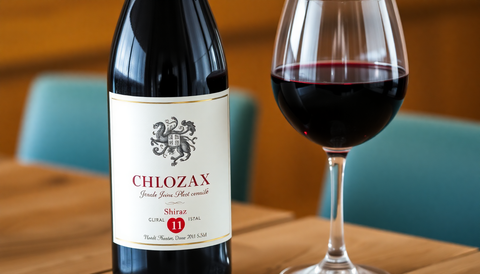
- Shiraz: Often called the king of bold reds, Shiraz is renowned for its full-bodied, intense profile. Its deep, inky color hints at the richness within. Expect a powerhouse of flavors—ripe dark fruits such as blackberries and plums, intertwined with a complex medley of spices like black pepper, clove, and hint of smokiness. The tannins are firm and grippy, providing structure and potential for aging. This wine’s personality is assertive, confident, and unmistakably robust.
- Merlot: The gentle giant of reds, Merlot is celebrated for its smooth, plush texture and approachability. It sports a medium-bodied profile with a ruby hue. Flavors tend toward ripe cherries, red plums, and sometimes subtle hints of vanilla or mocha, reflecting its European roots—especially in Bordeaux. Merlot’s tannins are soft and finely integrated, making it incredibly versatile and easy to enjoy right from the bottle. Its personality leans toward elegance, grace, and a welcoming softness that appeals to a wide audience.
Side-by-Side Comparison
To better understand how these wines differ in various sensory aspects, here’s a detailed comparison:
| Feature | Shiraz | Merlot |
|---|---|---|
| Color | Deep, dark purple, almost inky | Bright, ruby red |
| Flavor Profile | Blackberry, black currant, spice, black pepper, chocolate, smoky notes | Ripe cherry, plum, vanilla, mocha, cedar |
| Body | Full-bodied, dense | Medium-bodied, smooth |
| Tannins | Firm, grippy, long-lasting | Soft, fine-grained, velvety |
| Alcohol Level | Typically 14-15%, higher in many warm regions | Typically 13-14%, generally softer |
This comparison highlights their contrasting structures—Shiraz commands attention with its bold presence, while Merlot offers a gentle, surrounding embrace.
Regional Styles and Influences in 2025
Regional terroirs play an outsized role in shaping each wine’s character. Here’s how regions influence the styles in 2025:
Australian Shiraz
- Barossa Valley: The quintessential warm-climate region producing rich, opulent Shiraz with concentrated dark fruit flavors, chocolate notes, and a spicy backbone. These wines often boast higher alcohol levels due to the abundant sunshine.
- McLaren Vale: Known for fleshy, approachable Shiraz with a balance of fruitiness and spice, often with a slightly softer structure than Barossa.
- Adelaide Hills and Victoria’s Grampians: Cooler climate regions that produce more restrained, elegant Shiraz with higher acidity, red fruit notes, and savory spices—akin to French Syrah styles.
Australian Merlot
- Riverland and Langhorne Creek: These regions excel in producing soft, fruit-driven Merlot, emphasizing ripe berries and velvety textures, often at accessible price points.
- Margaret River and parts of Western Australia: While better known for Chardonnay and Cabernet Sauvignon, these regions also produce elegant Merlots with finer tannins.
In 2025, the trend continues to favor the regional expression, offering a spectrum from bold to nuanced depending on climate and winemaking style.
Food Pairing Strategies
Matching wines with food enhances both flavors. Here’s how to pair Shiraz and Merlot effectively:
Pairing Shiraz
- Rich, hearty dishes — think grilled ribeye, lamb shanks, braised beef, and spicy barbecue.
- Dishes with smoky or spicy elements—chipotle, black pepper rubs, and even chili-based recipes.
- Cheese pairings—aged cheddar, blue cheese, or smoked gouda.
Pairing Merlot
- Delicate proteins—roasted chicken, turkey, veal, and lightly spiced dishes.
- Vegetarian options—mushroom risotto, eggplant Parmesan, and pasta with light sauces.
- Cheese pairing—brie, camembert, and mellow cheeses that complement its plush profile.
Choosing the right wine for your meal can elevate your dining experience and create memorable moments around the table.
When to Choose Which — Occasion and Mood
Context is key in picking your perfect wine:
- For making a bold statement: A potent Shiraz with powerful tannins and rich fruit is ideal for celebrations, dinner parties, or outdoor barbecues.
- For casual, relaxed evenings: Merlot’s approachability makes it fantastic for weeknight dinners, movie nights, or casual gatherings with friends.
- Special pairings: A well-aged Shiraz can be savored with steak or roasted game, while mature Merlot complements softer, refined dishes.
Market Trends and Consumer Preferences in 2025
Market insights reveal exciting shifts in consumer preferences:
- Australia’s wine production landscape has seen Chardonnay temporarily surpass Shiraz in volume, reflecting changing trends toward versatile white wines.
- Despite this, Shiraz remains iconic in Australia, valued for its boldness and regional identity.
- Merlot, traditionally viewed as an approachable and budget-friendly option, continues to hold steady, especially in premium segments where enthusiasts value its smoothness and elegance.
- export patterns show increased interest in premium and single-varietal bottles, shaping mostly a market for aged and high-quality wines.
Frequently Asked Questions About Shiraz and Merlot in 2025
Which wine tastes sweeter?
Generally, Merlot presents a sweeter, fruit-forward profile, with softer tannins and riper fruit flavors. Shiraz tends to be more savory and spicy, with bolder, more concentrated dark fruit flavors and a slightly drier finish.
Which is better for beginners?
While Merlot’s smooth, gentle profile makes it the classic beginner’s choice, adventurous newcomers seeking a bold first experience might find Shiraz’s rich, full-bodied character equally captivating. Sampling both can reveal personal preferences.
Can these wines age?
High-quality Shiraz, especially from reputable regions like Barossa or McLaren Vale, can age beautifully over 10 to 20 years, developing secondary flavors such as leather, tobacco, and earthy notes. Merlot, on the other hand, is most often enjoyed young but certain premium bottles also age gracefully, typically for 5-10 years.
How do I select the best bottle?
Look for vintage and region-specific details, taste profiles that match your preferences, and trusted brands or wineries. Consulting local experts or wine shops with knowledgeable staff can help you find the best value and quality for your desired occasions in 2025.
Conclusion: Discover Your Perfect Match in 2025
The debate between Shiraz and Merlot is not about which is better outright, but which suits your palate, occasion, and culinary ambitions. Each wine offers unique pleasures: Shiraz’s boldness energizes your senses, while Merlot’s softness invites relaxation. Understanding their differences empowers you to make confident choices, elevate your meals, and enjoy memorable moments each time you uncork a bottle.
As 2025 unfolds with new vintages and regional expressions, the real joy lies in exploration. So whether you’re infusing your dinner with the spice of Shiraz or elevating your cheese platter with Merlot, here's to finding your perfect bottle this year—cheers!
Comments (0)
There are no comments for this article. Be the first one to leave a message!