
Does a dry white really belong with dessert, or does sweetness demand a sweet wine? That's the gap most pairing advice leaves open. It treats Sauvignon Blanc as a seafood wine and sends dessert lovers straight to Moscato or fortified wine.
I pour it differently. A good Sauvignon Blanc pairing dessert works when you match sweetness first, then use acidity to refresh your palate. In Australia the variety is predominantly dry and high in acid, and Wine Australia's Sauvignon Blanc guide describes Adelaide Hills wines as vibrant, structured and complex. That style loves light, fruit-driven desserts, not dense chocolate or heavy caramel. The seven matches below use three repeatable principles, acid-on-acid, tropical echo and herbal bridge, with an exact serving temperature for each pour.
1. Lemon Tart with Sauvignon Blanc
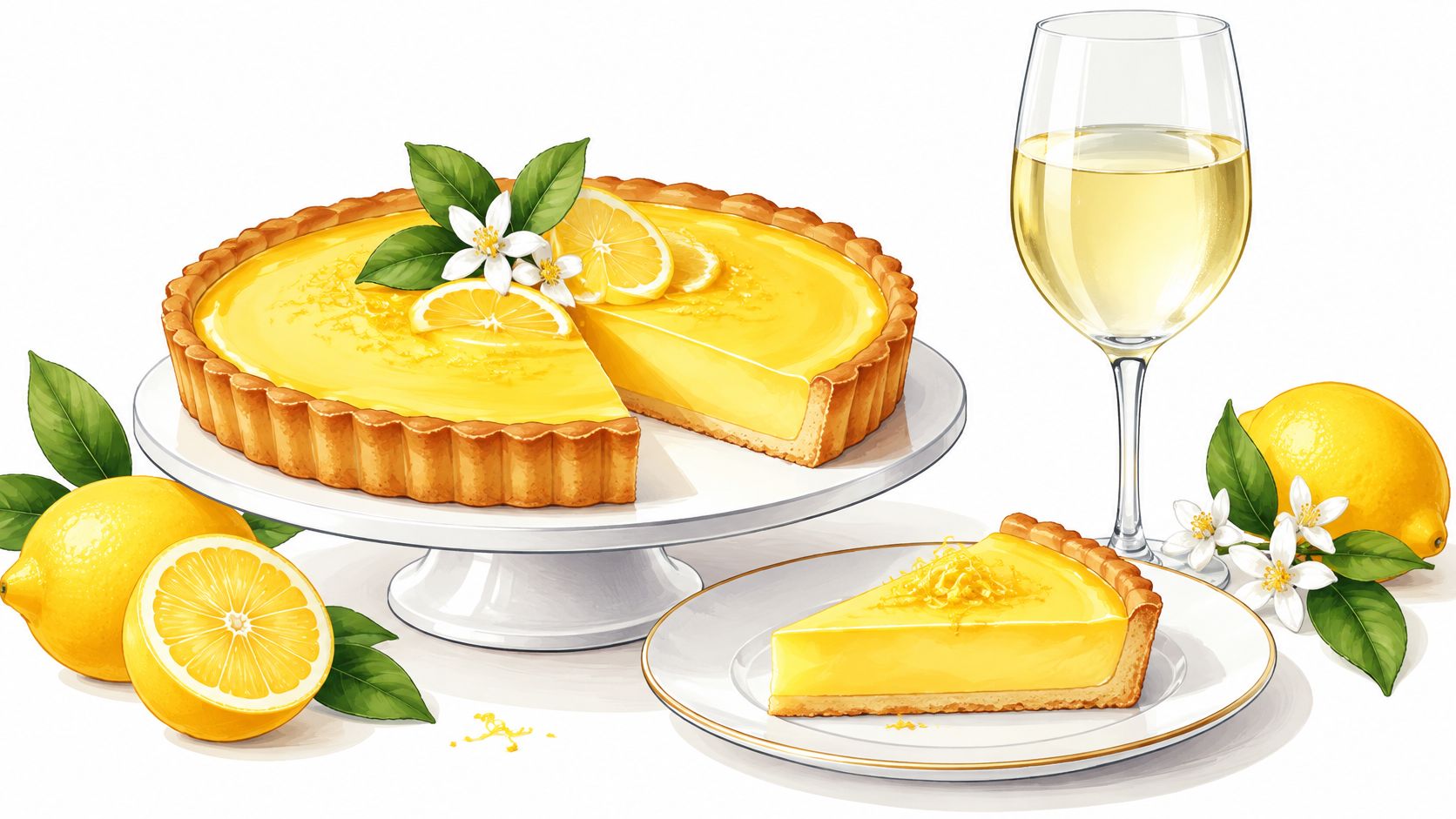
This is pure acid-on-acid. Sharp lemon curd meets lemon, lime and grapefruit in the glass, so neither side bullies the other. Buttery pastry gives the wine something rich to cut through, and each sip resets your palate for the next bite.
Sweetness is where people get caught. Qantas Wine's Sauvignon Blanc guidance notes typical examples may contain only around 0 to 2 g/L residual sugar, whereas approximately 5 g/L is a commonly cited threshold for perceivable sweetness. Fruity isn't sweet. If your tart is sugared like a lolly, a dry bottle will taste thin and sharp.
How I'd serve it
- Temperature: Pour at 7 to 9 degrees Celsius, properly chilled but not icy.
- Tart choice: Pick a tangy curd with restrained sugar, served cool, not frozen.
- Style note: A riper, fuller McLaren Vale style suits a richer tart better than a lean, herbal one.
You'll see lemon meringue pie with crisp Sauvignon Blanc at summer dinner parties for exactly this reason. For broader food matches beyond dessert, see our guide to pairing McLaren Vale Sauvignon Blanc with suggested foods.
2. Passionfruit Pavlova with Sauvignon Blanc
Passionfruit pavlova at an Australian summer barbecue is the test case I use with sceptics. The meringue is sweet, the cream is rich, and yet the wine works. Why? Tropical echo plus creamy-cut.
Passionfruit pulp mirrors the passionfruit and tropical notes in the wine, while high acidity slices through cream and marshmallowy centre. It helps that the variety matters locally, since Wine Australia's 2024-25 Sauvignon Blanc snapshot records it represented 15.8% of Australia's white-grape crush in 2025, with 115,110 tonnes crushed. Plenty of styles means you can choose weight, not just variety.
Practical rule: Spoon the passionfruit over just before serving. Crisp shell, cold cream and a cold pour give you contrast. Soggy meringue gives you soup.
Serve the wine at 8 to 10 degrees Celsius. Chilling both wine and dessert components sharpens that contrast, and kiwifruit on top adds another tart green note the wine loves, a combination you'll also see in New Zealand restaurants with Marlborough styles. If your pavlova carries heavy, sweetened cream, I reach for a slightly sweeter Sauvignon Blanc rather than the driest bottle on the shelf.
Watch the technique for a pavlova that holds its structure under fruit and cream.
3. Key Lime Pie with Sauvignon Blanc
Say you're serving key lime pie after seafood at a seaside café lunch. You've already got Sauvignon Blanc open. Good news, you don't need a second bottle, but you do need to manage portion and style.
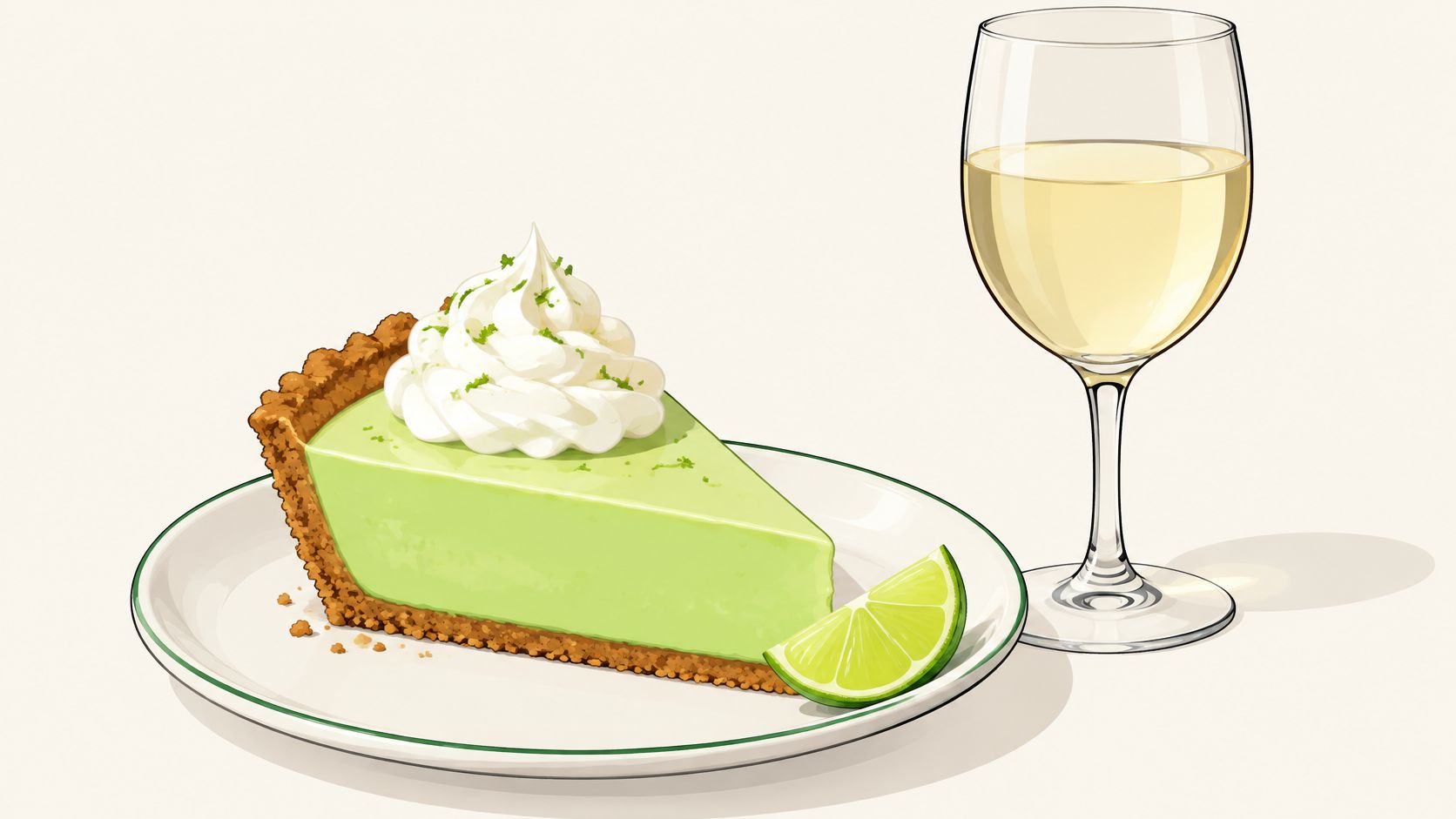
Lime curd on a sweetened condensed milk base is richer and sweeter than lemon tart, with a biscuity crust adding weight. The wine's lime and grapefruit notes align through acid-on-acid, but the condensed milk pushes sweetness higher.
Keep it in balance
- Portion: Serve a thin slice so the wine isn't drowned by sugar.
- Bottle: Choose fruit-forward, not aggressively herbal or grassy.
- Bridge: Fold a little lime zest into the cream topping to link plate and glass.
Pour at 7 to 9 degrees Celsius. American seafood restaurants pair these two routinely because the wine refreshes between bites instead of piling on more sweetness. Our wider notes on desserts and wine sweet matches explain when to step up to a sweet wine instead.
4. Lime or Green Apple Sorbet with Sauvignon Blanc
Sorbet is the easiest Sauvignon Blanc pairing dessert you'll ever serve, and the hardest to mess up, provided the sorbet tastes like real fruit.
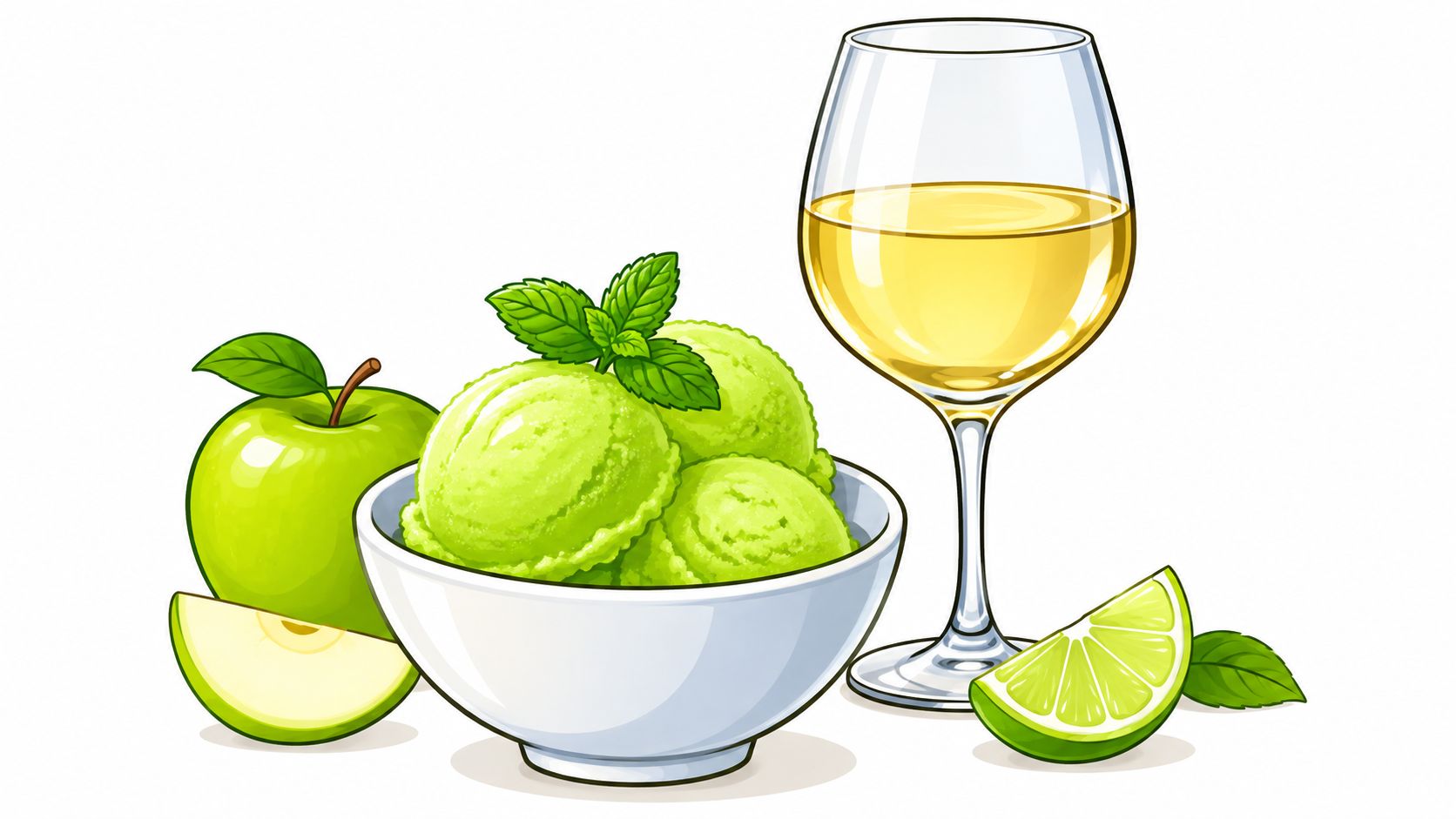
Lime and green apple echo the wine's citrus and green fruit directly. There's little fat to cut here, so the principle is acid-on-acid with texture contrast, icy sorbet against a crisp, still wine. Italian and French summer restaurants serve green apple sorbet this way, and it works just as well at Australian outdoor events.
Let the sorbet soften for a few minutes before serving. Rock-hard sorbet numbs your palate and you'll taste neither fruit nor wine properly.
Serve the wine coldest of all these pairings, at 6 to 8 degrees Celsius, in small pours alongside small scoops. It doubles as a palate cleanser between courses. If you're making your own, you can explore refreshing lime sherbet recipes and keep the sugar restrained. For background on how the grape travelled and changed, our piece on the origins of the Sauvignon Blanc wine grape is worth a read.
5. Coconut Panna Cotta with Passionfruit and Sauvignon Blanc
Coconut panna cotta asks a different question. Can a lean, citrusy wine handle something silky, creamy and tropical? With the right bottle, yes. With the wrong one, it tastes like lemon juice in coconut milk.
The principle is creamy-cut with a tropical echo. You need a riper, fuller Sauvignon Blanc showing passionfruit, guava or ripe tropical fruit, not a lean, grassy, high-acid style. That fruit weight meets the coconut halfway, and the passionfruit on top supplies the acid link. Southeast Asian-inspired Australian restaurants use this combination at summer dinner parties because the wine lifts a dessert that could otherwise sit heavy.
- Temperature: 9 to 11 degrees Celsius, a touch warmer so tropical aromatics show.
- Timing: Spoon passionfruit pulp on just before serving, straight from the fridge.
- Watch out: A heavily oaked or vegetal wine will clash with delicate coconut.
Style matters more than the grape name here. That versatility is worth building on at home, and Wine Australia's export report to June 2025 shows national Sauvignon Blanc exports fell 6% by volume to 25.441 million litres in 2024-25. Occasion-led pours like this give the variety a life beyond aperitif hour.
6. Gooseberry and Rhubarb Crumble with Sauvignon Blanc
Gooseberry is the flavour descriptor printed on half the Marlborough back labels you'll ever read, so serving the actual fruit with the wine is almost cheating. It's acid-on-acid with a direct flavour echo.
Warm, tart gooseberry and rhubarb under buttery crumble gives you fruit sharpness plus fat. The crumble topping softens the wine's acidity, and unsweetened or lightly sweetened cream keeps sugar in check. Heavy custard, by contrast, adds sweetness and weight you don't need. You'll find gooseberry crumble with Marlborough Sauvignon Blanc in New Zealand pubs, and rhubarb crumble poured the same way at British country dinners.
Temperature is the trick
This is the one warm dessert in the list, so don't serve the wine fridge-cold. Pour at 10 to 12 degrees Celsius so the temperature gap doesn't shock your palate and the gooseberry aromatics open up.
- Fruit prep: Taste the filling and sweeten lightly. You want tart, not jammy.
- Shortcut: If fresh gooseberries aren't in season, a jar of gooseberry preserve folded through rhubarb keeps the pairing on track.
- Bottle: Choose one with ripe gooseberry notes rather than green capsicum.
7. Poached Pear with Honey, Lemon Thyme and Sauvignon Blanc
This one's my pick for a wine dinner, because it teaches the herbal bridge better than any other dessert here.
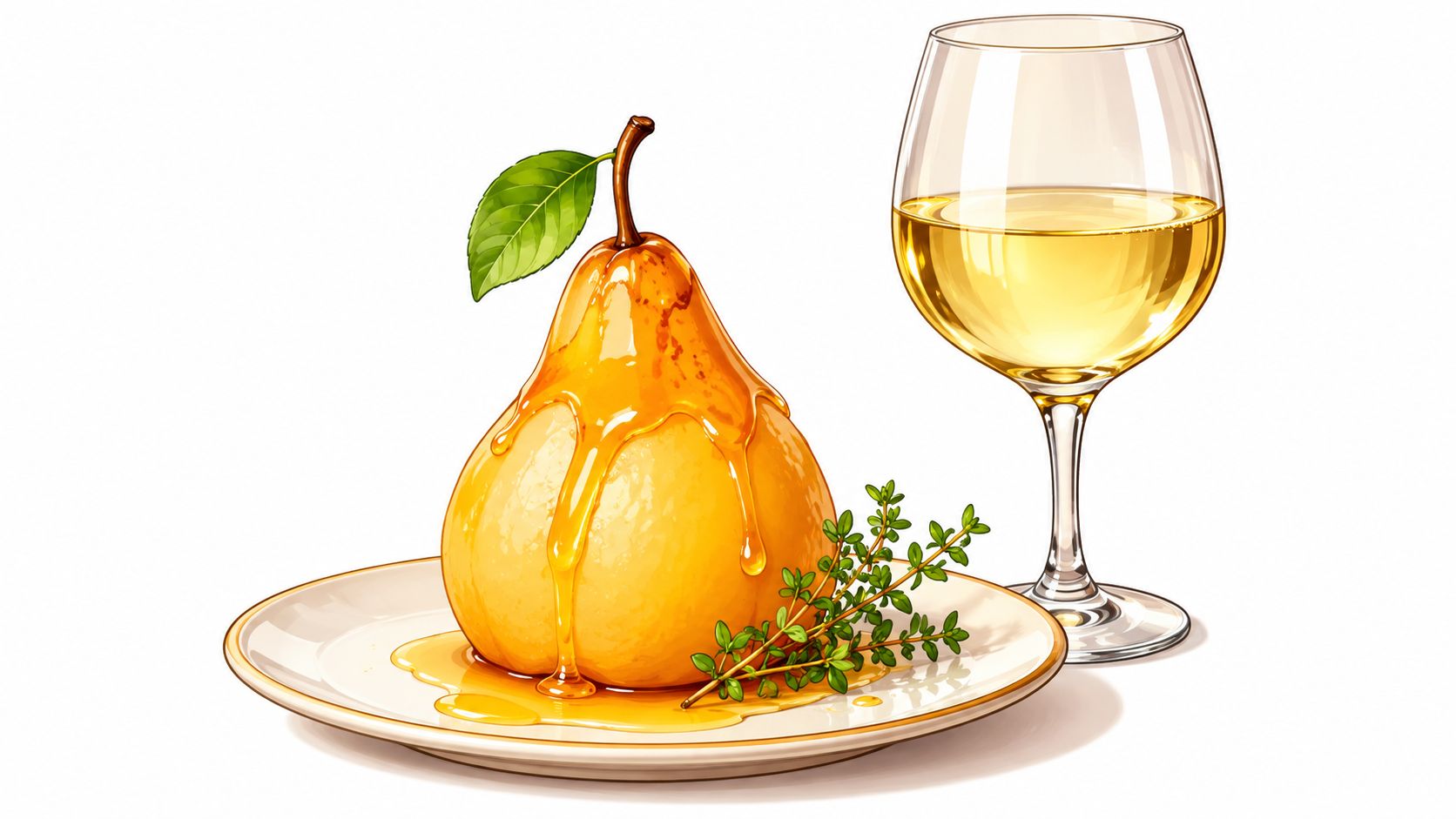
Poached pear is gentle, honey is sweet but thin rather than cloying, and lemon thyme does the pairing work. Sauvignon Blanc often carries herbal, green and citrus-leaf notes, and thyme in the syrup echoes them directly. Modern European restaurants serve poached pears with herbs alongside this wine for that reason, and Australian wine dinners have picked up the same trick.
My judgement: Use a wine with some fruit weight. A bone-lean, austere bottle will taste hollow against honey, however good the herb match looks on paper.
Serve the pear warm or at room temperature so its aroma carries, with a sprig of thyme or lemon verbena in the syrup. Pour the wine at 9 to 11 degrees Celsius, cool enough to stay fresh, warm enough for the herbal and pear-skin notes to show. Keep the honey drizzle light. Drown the pear and you're back to the sweetness problem that sinks dry wine.
7 Sauvignon Blanc Dessert Pairings at a Glance
| Dessert | Matching principle | Serve the wine at | Best occasion |
|---|---|---|---|
| Lemon Tart with Sauvignon Blanc | Citrus acidity mirrors the tart lemon curd | Well chilled, 8–10°C | Casual cafés or summer dinner parties |
| Passionfruit Pavlova with Sauvignon Blanc | Tropical fruit notes echo passionfruit; acidity balances meringue and cream | Chilled | Summer entertaining and outdoor gatherings |
| Key Lime Pie with Sauvignon Blanc | Lime notes complement the filling; acidity refreshes the palate | Chilled | Seaside meals or casual dinners |
| Lime or Green Apple Sorbet with Sauvignon Blanc | Citrus and green-fruit flavours echo the wine's freshness | Chilled, but not overly cold | Warm-weather meals or as a palate cleanser |
| Coconut Panna Cotta with Passionfruit and Sauvignon Blanc | Tropical flavours complement the wine; acidity cuts through creaminess | Chilled | Summer dinner parties |
| Gooseberry and Rhubarb Crumble with Sauvignon Blanc | Gooseberry notes match the wine; buttery crumble softens its acidity | Slightly cool, around 10–12°C | Cooler-month dinners |
| Poached Pear with Honey, Lemon Thyme and Sauvignon Blanc | Herbal notes echo the thyme; acidity balances honey and pear | No specific temperature given | Elegant dinner parties |
Pick Your Bottle and Pour
You've now got a rule you can reuse, not just seven recipes. Match sweetness first, because a dessert sweeter than the wine makes Sauvignon Blanc taste thin, sharp or dull. Then pick your principle, acid-on-acid for lemon tart, lime pie and sorbet, tropical echo for pavlova and coconut panna cotta, herbal bridge for poached pear, and a direct flavour echo for gooseberry crumble.
Temperature does more work than many drinkers credit. Pour coldest, 6 to 8 degrees, with sorbet, and warmest, 10 to 12 degrees, with hot crumble. Everything else sits in between. Glassware helps too, a smaller white wine glass keeps aromatics focused and the pour cold, which is worth considering when choosing wine glasses for NZ venues or your own table.
For stocking up, we offer the Nut House SA Sauvignon Blanc 2025 Dozen at $120.00 and the Troublemaker SA Sauvignon Blanc 2025 Dozen at $120.00, which works out to $10.00 a bottle. Both suit the fruit-driven, lightly sweet desserts above, which is where dry Sauvignon Blanc earns its place rather than forcing it onto chocolate fondant or sticky date pudding.
We offer free delivery Australia-wide on orders over $100, so a dozen clears that threshold on its own. Our Taste Guarantee backs your choice, and if a customer does not like a wine, we'll help them find a wine suited to their taste. Start with lemon tart or pavlova, pour at the temperature listed, and taste the principle for yourself.
Ready to test these principles at your own table? Shop our South Australian Sauvignon Blanc dozens, mixed packs and tasting guides at McLaren Vale Cellars, and pick a bottle for your next lemon tart, pavlova or poached pear. Order over $100 for free delivery Australia-wide, and buy with confidence knowing we'll help you find a wine suited to your taste if your first pick doesn't suit.

Comments (0)
There are no comments for this article. Be the first one to leave a message!