
Most rosé advice starts with a picnic blanket and ends with a seafood platter. That's far too narrow.
A good rosé can be refreshing, yes, but it can also be structured, savoury, dry, food-friendly, and worth putting away for later. If you only think of rosé as a warm-weather stopgap between whites and reds, you'll miss some of the most interesting bottles on the shelf.
The market has already moved on from that old stereotype. Australian rosé consumption has grown by 18% over the last 12 months, and exports have risen 22% as rosé gains traction in cooler months and formal dining, according to Wine Australia's market bulletin. Drinkers are treating rosé more seriously. It's time rosé advice did the same.
Rosé Is More Than Just A Summer Drink
Walk into a cellar door on a hot afternoon and rosé often gets introduced as the easy option. Cold, pink, uncomplicated. Pleasant enough, but not serious. I think that does the style a disservice.
Rosé sits in one of wine's most useful middle grounds. It can carry freshness like a white and still hold some shape, texture, and savoury detail from red grapes. That makes it far more adaptable at the table than many people realise.
Why the old stereotype doesn't hold up
The biggest misconception isn't about sweetness or colour. It's about occasion. People still file rosé under “summer only”, as though a bottle loses its purpose the moment the weather turns cool.
That doesn't match how people are drinking it now. As noted earlier, Australian drinkers are reaching for rosé more often, and not just in beach weather. The shift into cooler months and more formal dining tells you something important. People are discovering that rosé belongs with proper meals, not just sunny afternoons.
Rosé isn't a compromise wine. In the right hands, it's a deliberate style with its own structure and personality.
What year-round rosé actually looks like
Think beyond prawns and salads. A dry, savoury rosé can work with roast chicken, grilled vegetables, charcuterie, tomato-based dishes, and plenty of autumn and winter cooking. Some styles even have enough grip and flavour concentration to handle grilled meats.
A more serious rosé also rewards slower drinking. You don't have to rush through it while it's icy cold. Let it warm slightly in the glass and you'll often find more spice, herbs, citrus peel, and red berry detail than the first sip showed.
Here's the practical shift I'd suggest:
- Treat rosé like a style, not a season: Ask how it was made, what grapes were used, and whether it's dry or fruit-forward.
- Use it at the table: Reach for rosé when white feels too lean and red feels too heavy.
- Don't assume youth is the whole story: Some premium rosés are built with enough balance to develop added interest over time.
That's where this rosé wine guide really begins. Not with a stereotype, but with a reset.
What Exactly Defines A Rosé Wine
Rosé isn't a grape variety. It's a winemaking style.
That's the first point to lock in, because a lot of confusion starts when people assume rosé comes from one special pink grape. It doesn't. Rosé is usually made from red grapes, but the winemaker handles those grapes in a way that creates a pink wine rather than a red one.
Rosé is made in the winery, not in the vineyard
Red grapes have pale juice inside them. The colour lives mostly in the skins. When a winemaker wants to make red wine, the juice stays in contact with those skins for much longer. When they want rosé, that skin contact is much shorter.
That short contact changes everything. You still get colour, some aroma compounds, and a touch of texture from the skins, but not the deeper tannin and weight you'd expect in a red.
If you'd like a simple companion read on the basics, this overview of rosé wines and the pink drink revolution is a handy starting point.
The common myth to drop
Many people still think rosé is made by mixing red and white wine. In still wine, that's not the usual story. Rosé is generally made from red grapes with controlled skin contact.
A simple analogy helps. Think of making tea. Leave the tea bag in for a brief dip and you get a pale, delicate infusion. Leave it in much longer and the flavour, colour, and grip become stronger. Rosé works on a similar principle. The winemaker decides how much extraction they want.
Practical rule: If you want to understand a rosé, ask “how long did the skins stay with the juice?” That question tells you more than the colour alone.
What this means for the drinker
Once you understand rosé as a style, buying gets easier.
You stop asking, “Do I like rosé?” and start asking better questions:
- Which grapes were used: Grenache will speak differently from Shiraz or Sangiovese.
- How much extraction was chosen: This often shapes colour, body, and flavour intensity.
- Was the aim crisp delicacy or fuller texture: Both can be excellent. They're just different styles.
That's why rosé deserves a proper place in your wine thinking. It isn't a watered-down red or a tinted white. It's its own category of decisions, and the winemaker's hand shows clearly in the glass.
How Rosé Gets Its Beautiful Colour
Rosé colour comes from grape skins. The winemaker's job is to decide how much colour, flavour, and texture to draw from them before the wine moves on.
If you've ever wondered why one rosé looks like pale salmon and another glows bright pink, the answer usually sits in the production method. Different methods don't just change appearance. They also shape body, fruit profile, and structure.
Skin contact works like steeping
The most intuitive way to understand rosé colour is to compare it to steeping tea. A short steep gives a lighter result. A longer one gives more depth, flavour, and intensity.
With rosé, crushed red grapes or juice stay in contact with skins for a limited time. That time can be very brief or a little longer, depending on the style the winemaker wants. More contact usually means deeper colour and more palate presence.
The three classic methods
Not every rosé is made the same way. These are the main approaches you'll hear about.
| Rosé Production Methods Compared | ||
|---|---|---|
| Method | Process | Resulting Style |
| Maceration | Juice spends a controlled period in contact with red grape skins before fermentation continues without them | Often balanced, aromatic, and flexible in colour from pale blush to deeper pink |
| Saignée | Some juice is “bled” off from a red wine ferment early in the process | Usually fuller in colour and flavour, sometimes with more body |
| Direct Press | Red grapes are pressed quickly so the juice has very brief skin contact | Often very pale, crisp, and fine-boned |
Maceration gives the winemaker the most dial control
Maceration is the method many people picture when talking about rosé. The fruit is crushed, the juice touches the skins, and the winemaker watches that contact carefully.
This method gives room for fine adjustments. A short contact can preserve brightness and delicacy. A slightly longer one can build more strawberry, cherry, spice, or texture.
For drinkers, maceration often produces the most recognisably “classic” rosé styles. Dry, fragrant, and balanced.
Saignée creates a bolder feel
Saignée means “bleeding”. Some juice is drawn off early from fruit intended for red wine, and that juice becomes rosé.
Because the source fruit is often aimed at red wine concentration, saignée rosés can feel more substantial. They may show deeper colour and a broader palate. These aren't always the palest bottles on the shelf, and that's not a flaw. It's a different expression.
Direct press leans toward delicacy
With direct press, red grapes are pressed quickly and gently. There's only a short window for the skins to influence the juice.
That tends to produce rosés with pale colour, brisk energy, and a more restrained shape. If you love subtle citrus, delicate florals, and a cleaner, finer frame, direct press styles are often where you'll find them.
A darker rosé isn't automatically sweeter, and a pale rosé isn't automatically better. Colour tells you something about extraction. It doesn't hand you the full tasting note.
Why colour can't be judged in isolation
People often buy rosé with their eyes first. That makes sense, but it can also mislead. A vivid hue might signal more fruit and texture, not sugar. A whisper-pale wine may be taut and mineral, or it may be light.
The better habit is to connect colour with method and grape. Once you do that, a bottle starts to make sense before it's even opened.
The Rosé Flavour Spectrum From Pale Blush To Deep Ruby
Rosé gives you visual clues before the first sip. Hold the glass against a white tablecloth and you'll start to see style hints straight away. Pale blush often points toward delicacy. Deeper pinks and light ruby tones usually suggest more flavour intensity and structure.
That doesn't mean colour tells the whole story. It does mean colour is useful. Think of it as the first chapter, not the ending.

What pale rosé often signals
A very pale rosé can lean toward lifted aromatics and a cleaner line across the palate. You may find citrus, redcurrant, florals, or a faint herbal note rather than overt sweetness.
These wines often feel at their best when the winemaker is chasing finesse. They don't shout. They glide.
What deeper colour can tell you
Move along the spectrum and the fruit profile often deepens. Strawberry becomes riper. Cherry notes can appear. Sometimes you pick up spice, blood orange, or a more savoury edge.
That extra pigment usually arrives with a little more presence on the palate as well. Not necessarily heavy. Just more assertive.
A McLaren Vale example in the glass
A good McLaren Vale Grenache rosé shows how precision shapes style. McLaren Vale rosé wines, particularly those based on Grenache, are defined by a dry profile with residual sugar below 4 g/L and fine acidity of TA 6.5 to 7.0 g/L, with a controlled cold-soak maceration of 3 days to optimise skin-derived flavour without excessive tannin extraction, as described in the Willunga 100 McLaren Vale Grenache Rosé technical details.
Those numbers matter because they explain the tasting experience. Dryness keeps the finish clean. Fine acidity keeps the wine lively. The controlled 3-day cold-soak helps build vibrant citrus and berry aromatics without dragging the wine into red-wine heaviness.
How to read the spectrum in practice
If you're standing in front of a shelf and trying to choose, use colour as a clue, then refine your guess with the label.
- Pale blush: Often suggests lighter body, crispness, and subtle perfume.
- Salmon to bright pink: Usually sits in the middle, with freshness plus more obvious red fruit.
- Deep pink to light ruby: Often points to richer fruit, more texture, and stronger food-pairing potential.
Don't ask whether a rosé is “good for a pink wine”. Ask whether the colour, aroma, and palate line up with the style it's trying to be.
That's where confident tasting starts. You're no longer reacting to a pretty shade. You're reading a wine.
Discover Rosé From McLaren Vale And Beyond
The world of rosé is broader than many guides admit. Some regions are celebrated for barely tinted, bone-dry wines. Others produce rosés with deeper colour and enough weight to sit beside serious food. Both deserve a place on the table.
France still sets many of the visual and stylistic reference points. Provence is the benchmark many drinkers think of first when they picture pale, dry rosé. Tavel, by contrast, is often associated with fuller, darker expressions. Those two poles help show how wide the category can be.

Why regional identity matters
Rosé doesn't erase place. Grape choice, climate, and winemaking priorities still show through.
A region known for elegance may emphasise delicacy and line. A region with strong red wine heritage may produce rosés with more shape, savoury notes, and flavour concentration. That's one reason broad rosé advice often fails. It treats all pink wine as one thing when regional character can be quite distinct.
If you're curious about the pale French style that shaped so much rosé fashion, this piece on the charm of Provence rosé wines gives useful context.
McLaren Vale's rosé identity
Now for the local pride, and I think it's earned.
McLaren Vale in South Australia is a 433 km² Geographical Indication area with 7,438 hectares of vineyards, and rosé there isn't built on anonymous pink-wine fruit. It's tied to the region's red grape strength. Grenache and Sangiovese are primary grapes for high-quality rosé, while McLaren Vale's famous Shiraz also plays an important role in premium styles, according to Wine Australia's McLaren Vale regional profile.
That link to red varieties is important. McLaren Vale rosé often carries more than simple refreshment. It can show heritage vine character, savoury edges, and a real sense of intent.
The case for taking McLaren Vale rosé seriously
Grenache is especially compelling here. The region has 402 hectares of dry-grown bush vines devoted to Grenache, and Shiraz covers 3,218 hectares, with Shiraz comprising nearly 50% of the total annual crush in the regional profile linked above. Those figures tell you rosé in McLaren Vale is not disconnected from the region's core vineyard resources. It grows out of them.
The quality signal is equally clear. A McLaren Vale Grenache rosé won Best Rosé with 97 points at the 2025 Melbourne Royal Wine Awards from more than 2,300 entries across 450 Australian wineries, as noted in the same regional source. That's not a novelty result. It's a strong sign that the region can produce benchmark rosé from the varieties it already grows exceptionally well.
What to expect in the glass
When McLaren Vale rosé is done well, especially from Grenache, Sangiovese, or Shiraz, expect more than generic berry fruit. You may find savoury tones, texture, brightness, and enough structure to take the wine beyond aperitif duty.
That's why I'd encourage drinkers to stop thinking of Australian rosé as a shadow of European models. Regions like McLaren Vale have their own voice, and it's a confident one.
How To Serve And Pair Rosé Year-Round
The fastest way to flatten a good rosé is to serve it too cold and give it nothing more ambitious than a token salad.
Rosé rewards a bit more care than that. Serve it chilled, certainly, but not so cold that aroma disappears. Give it a proper glass, not the smallest thing in the cupboard. Then put food next to it that lets its acidity, fruit, and savoury detail do some work.

How to serve it properly
A dry, quality rosé usually shows better when it's cool rather than freezing. If it's too cold, you mute the nose and compress the palate. As the wine warms slightly in the glass, fruit and savoury notes often become more expressive.
A medium-sized white wine glass usually does the job nicely. It gives enough room for aroma without exaggerating alcohol or broadening the wine too much.
Keep these points in mind:
- Start cool, not icy: You can always let the wine open in the glass, but you can't taste what extreme chill hides.
- Use sensible glassware: A white wine glass is generally more helpful than a tiny tumbler.
- Match the serving style to the wine: Finer rosés suit a gentler chill. Fuller rosés can handle a touch more warmth.
Move past summer-only pairings
One of the biggest knowledge gaps around rosé is food. Many Australian rosés now have savoury notes that suit grilled meats and hearty winter dishes, and 65% of Australian wine enthusiasts report confusion about rosé pairing beyond summer, according to Wine Companion's rosé variety guide.
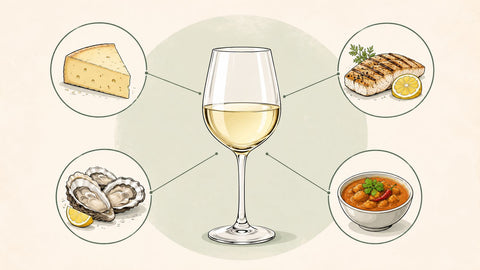
That confusion is understandable because the standard advice is repetitive. Seafood. Salad. Done. But a dry rosé with herbal or olive-like detail can be a beautiful fit with roast chicken, grilled lamb, charred vegetables, tomato-based dishes, or aged cheeses.
Here's a useful way to look at it:
- Pale, crisp rosé: Try it with oysters, simple prawns, fresh cheese, or lighter starters.
- Mid-weight, dry rosé: Bring in roast chicken, pork, herb-driven dishes, or charcuterie.
- More savoury, structured rosé: Think grilled meats, roasted vegetables, and richer plates that still need freshness.
For more local pairing ideas, this guide to pairing McLaren Vale rosé with suggested foods is worth bookmarking.
A quick visual refresher helps too:
A few pairings people often overlook
Rosé can bridge gaps that white and red can't always manage neatly.
- Roast chicken with herbs: The wine's acidity cuts the richness, and the herbal notes meet the dish halfway.
- Grilled lamb cutlets: A fuller rosé can handle char and seasoning without the heaviness of a red.
- Aged cheese and cured meat: Salt, fat, and dry rosé are usually very comfortable together.
- Tomato-based meals: Rosé often handles acidity better than many reds at the lighter end.
If a dish needs freshness but also has enough flavour to overwhelm a simple white, rosé is often the answer.
A Smart Shoppers Guide To Buying And Storing Rosé
Buying rosé gets easier once you stop shopping by colour alone. Start with style clues on the label. Look for grape variety, region, and any note that suggests a dry finish rather than a sweet one. If you're exploring, mixed packs are useful because rosé styles can vary dramatically from bottle to bottle.

How to buy with more confidence
- Use sample packs for discovery: They let you compare grapes and styles side by side instead of guessing from one bottle.
- Buy by purpose: A crisp bottle for aperitif drinking is different from a rosé you want beside dinner.
- Read for dryness clues: In premium styles, wording around freshness, acidity, savoury notes, or structure often points you in the right direction.
Storing rosé without fuss
Most rosé is bought to enjoy relatively young, but better bottles can reward careful storage and a bit of patience. Keep them in a cool, dark, stable spot away from heat and sharp temperature swings. If you're setting up storage at home and want a practical overview of rack and cellar options, this guide for man cave wine storage is a helpful planning resource.
Rosé also makes a smart gift because it feels generous without being too formal. For corporate bundles or mixed gifts, choose bottles with clear regional identity and dry, food-friendly style. If sustainability matters to you, look for wineries that mention organic or biodynamic practices on the label or in their winery information.
A good rosé isn't hard to buy once you know what you're looking for. The trick is to shop for style and purpose, not just the prettiest pink.
If you're ready to taste these ideas rather than just read about them, McLaren Vale Cellars is a strong place to start. You can explore premium McLaren Vale rosé alongside curated sample packs, mixed dozens, and cellar-worthy regional wines, with plenty of guidance to help you choose a bottle for tonight's dinner or a few for the rack.
Comments (0)
There are no comments for this article. Be the first one to leave a message!