
Guests are due any minute. The afternoon is still warm, the platter is half-built, and a chilled bottle of McLaren Vale rosé is waiting in the fridge. Pouring it as-is will always work, but turning that bottle into a cocktail gives the table a little more energy without adding much effort.
Rosé is a very useful mixer because it already does part of the bartender's job. It brings fruit, acidity, and freshness in one pour, so you are not building flavour from scratch the way you would with a spirit-led drink. A dry McLaren Vale rosé is especially good at this. It keeps its shape with citrus, herbs, berries, peach, and sparkling mixers, rather than disappearing underneath them.
That matters for entertaining. Rosé cocktails suit long lunches, backyard catch-ups, and casual celebrations because they can feel bright and refreshing instead of heavy. If you are choosing bubbles for spritzes or party serves, our guide to sparkling wine varieties and styles can help you match the fizz to the wine.
There is also a practical reason to start here. Many rosé cocktails scale neatly from one glass to a pitcher, which makes them ideal for hosts who want something polished without standing at the bench all afternoon. That is part of the appeal at McLaren Vale Cellars. You can make a single serve for Friday drinks, or use our bulk-buy options to batch a party cocktail that still tastes considered.
The eight recipes below are built with that exact approach. Each one is selected to suit the bright, dry, fruit-forward profile of McLaren Vale rosé, with pairing notes that help the wine stay at the centre of the drink.
1. Rosé Spritz
Guests have arrived, the table is set, and you want the first drink in hand quickly. A rosé spritz is ideal for that moment. It feels celebratory, stays light on the palate, and takes very little effort to build well.

The structure is simple. Rosé gives you fruit and acidity, the aperitif brings a gentle bitter-orange note, and soda adds lift. It works a bit like seasoning a dish. Each part has a job, and the drink tastes balanced when none of them dominates.
How to make it
Fill a large wine glass with ice, then add:
- Rosé base: about 3 oz chilled McLaren Vale rosé
- Bitter orange note: 2 oz Aperol or a similar aperitif
- Fizz: 2 oz sparkling water or soda water
Stir gently and finish with an orange wheel. For a more savoury version, add a basil leaf or a small sprig of mint.
Practical rule: Chill the wine, aperitif, mixer, and glass before serving. Cold ingredients keep the flavour bright and slow down dilution.
A dry McLaren Vale rosé suits this drink especially well because it holds its shape once the aperitif and soda go in. That is the key point many home bartenders miss. If the rosé starts sweet, the whole spritz can taste candied. If it starts dry and fresh, you keep the snap of citrus, the red-berry fruit, and a clean finish that makes you want another sip.
If you are still choosing the bottle, our guide to understanding rosé wine styles and what makes the pink drink so appealing will help you pick a style with the right balance for cocktails.
For pairing, serve this with prawns, charcuterie, marinated olives, or a peach and burrata salad. The bright, bitter edge cuts through salty and creamy foods beautifully. It is also one of the smartest batch options in this list. Use our bulk-buy McLaren Vale rosé offers for a pitcher at long lunches or engagement drinks, then top each glass with fresh soda as you pour so the spritz stays lively.
2. Rosé Sangria
Rosé sangria is the crowd-pleaser. It looks generous on the table, it can be made ahead, and it welcomes almost any summer fruit you've already bought. This is the drink I reach for when someone says, “We've got people coming over, but I don't want to spend the whole afternoon shaking cocktails.”

Build the fruit first
Start with a large pitcher and layer in sliced peaches, orange rounds, berries, and a few lemon slices. Add chilled rosé, a splash of orange juice or berry juice, and, if you like, a small pour of brandy or orange liqueur. Let it rest in the fridge so the fruit and wine have time to meet properly.
Just before serving, add sparkling water or ginger ale for lift. Serve over ice with fruit in each glass.
A McLaren Vale rosé with lively acidity is ideal because it keeps the drink fresh when ripe fruit starts contributing sweetness. That's especially helpful for picnics, engagement parties, and long lunches where the punch bowl may sit out for a while.
Hosting notes
- Best fruit mix: Strawberries, raspberries, peaches, citrus, and blueberries keep the flavour bright.
- Infusion window: A few hours in the fridge helps the fruit perfume the wine without turning soft and tired.
- Smart garnish: Mint or rosemary gives the pitcher a fresher, more aromatic finish.
Rosé is a versatile style in its own right, and if you want a deeper feel for how it behaves in the glass, our overview of understanding rosé wines is worth bookmarking.
This is also one of the easiest rosé wine cocktail recipes to scale with half-case or dozen buys. If you're planning a birthday, baby shower, or family barbecue, sangria gives you style without fuss.
3. Strawberry Rosé Margarita
This one sits between a wine cocktail and a modern party drink. It borrows the visual appeal of a strawberry margarita, but the rosé keeps it softer, more fragrant, and more food-friendly. It's excellent for summer celebrations, wedding cocktail hour, or a dressed-up afternoon platter of prawns, tacos, or grilled chicken skewers.

A smoother way to serve strawberries
Blend fresh strawberries until smooth, then strain if you want a silkier texture. In a shaker or mixing glass, combine the strawberry purée with chilled rosé, fresh lime juice, and a modest splash of triple sec. Shake with ice if serving straight up, or blend with ice if you want a frozen version.
Rim the glass with sea salt if you like contrast. For a prettier finish, mix the salt with a little crushed freeze-dried strawberry.
What makes this drink work with McLaren Vale rosé is the regional style's natural fruit character. Those red berry notes echo the strawberry, while the wine's acidity stops the cocktail from feeling jammy. The lime matters too. It sharpens the drink and keeps the finish clean.
If you're serving canapés, this is brilliant with spiced prawn bites, grilled halloumi, or fresh tomato bruschetta.
A simple hosting tip. Make the strawberry base ahead, keep it cold, and add the rosé close to serving time. That way the wine stays fresh and you don't lose its floral lift. Among rosé wine cocktail recipes, this one is especially good when you want something that feels polished and a bit celebratory without being too strong.
4. Rosé Mojito
A rosé mojito sounds unusual until you taste it. Then it makes perfect sense. Mint, lime, soda, and chilled rosé create a drink that's clean, brisk, and ideal for hot weather. It's less tropical than a rum mojito and more wine-led, which makes it easier to pair with lunch.

Keep the mint fresh, not bruised
In a tall glass, gently muddle fresh mint leaves with lime juice and a little sugar or sugar syrup. Don't grind the mint into the glass. Pressing lightly is enough to release the oils without pulling out bitter green flavours.
Fill the glass with crushed ice, pour in chilled dry rosé, then top with soda water. Stir lightly and garnish with more mint and a lime wedge.
Here's where McLaren Vale rosé really earns its place. A crisp regional rosé brings enough fruit to soften the lime, but not so much sweetness that the mojito loses shape. The result is light, savoury, and very drinkable.
When to serve it
- Garden lunches: It's perfect with grilled seafood, herb salads, or chicken skewers.
- Beachside drinks: The soda and mint keep it cooling and easy.
- Warm evenings: It works beautifully when people want something refreshing rather than boozy.
The best version is simple. Good mint, fresh lime, plenty of ice, and a rosé with real acidity. That's all you need.
5. Rosé Kir Royale
If the spritz is relaxed and sociable, the rosé kir royale is its dressier cousin. It's elegant, easy, and ideal when you want a first drink that feels refined. Think anniversary dinner, bridal shower, or a pre-dinner glass before a special meal.
Elegant, simple, and very quick
Pour a small amount of crème de cassis into a chilled wine glass or flute. Top with cold dry rosé, and if you want extra sparkle, finish with a splash of sparkling wine. Garnish with a lemon twist or a few fresh berries if you have them.
The blackcurrant note from the cassis gives the drink depth, while the rosé keeps it lighter than a traditional sparkling kir royale. A drier McLaren Vale rosé works best because sweetness from the liqueur is already built in.
“Start with less cassis than you think you need. You can always add a touch more, but you can't pull sweetness back out.”
This is one of the smartest rosé wine cocktail recipes for hosts who want speed. No shaking, no muddling, no blender. Just chilled ingredients and a careful pour. It also works nicely alongside smoked salmon blinis, goat's cheese tartlets, or simple salted almonds.
If you enjoy classic serves and their variations, our piece on famous cocktails and their enduring appeal gives useful background for building your own repertoire.
6. Peach Rosé Fizz
Peach and rosé are natural friends. Both can bring floral notes, ripe orchard fruit, and soft perfume, so when they're handled carefully the result feels generous rather than sweet. This is a lovely choice for brunch, spring racing get-togethers, or a warm-weather wedding table.
The easy formula
Blend ripe peaches into a smooth purée, or use good peach nectar if you need a shortcut. Add the peach to a shaker or pitcher with chilled rosé and fresh lemon juice. Stir or shake lightly, then top with sparkling wine or soda just before serving.
A peach slice on the rim looks lovely, but a mint sprig works just as well if you want a fresher finish.
The drink needs acidity to stay lively. That's why lemon juice is important, and it's why a bright McLaren Vale rosé suits it so well. The wine carries the fruit without becoming heavy, particularly if the rosé already shows subtle stone-fruit character.
A few practical tweaks
- Use ripe peaches: Hard, under-ripe fruit won't give enough aroma.
- Chill every component: Warm purée flattens the drink fast.
- Top at the end: Add the fizzy element only when the glasses are ready.
This is one of those rosé wine cocktail recipes that can move from casual to elegant depending on your glassware. Serve it in stemless glasses for a barbecue brunch, or in flutes for a more polished event.
7. Rosé Paloma
The paloma is usually all about grapefruit, and rosé takes to that flavour beautifully. This version swaps out the usual spirit-heavy profile for something brighter and more sessionable. It's tart, slightly bitter, and perfect for people who say they want a cocktail that isn't too sweet.
Why grapefruit works so well
Fresh grapefruit brings bitterness, perfume, and juicy acidity. Pair that with rosé and you get a drink that feels grown-up and refreshing at the same time. Add lime juice and a touch of agave if needed, then serve over plenty of ice.
For one glass, combine dry rosé with fresh grapefruit juice, a squeeze of lime, and a little agave syrup if your fruit is especially sharp. Stir, taste, and adjust. A salted rim is optional, but it gives the drink a lovely savoury edge.
McLaren Vale rosé suits this style particularly well because the region's fruit-forward profile can stand up to grapefruit without getting buried. You still taste the wine, which is the whole point.
Best occasions for this serve
- Brunch tables: Excellent with avocado toast, grilled prawns, or spicy corn fritters.
- Modern dinner parties: It feels more distinctive than a standard spritz.
- Hot afternoons: Citrus, salt, and ice make this supremely refreshing.
Serve this in a tall glass with lots of ice and a generous grapefruit wheel. The aroma hits before the first sip, which makes the drink feel more complete.
If you're building a menu for mixed tastes, the rosé paloma is a smart midpoint. It pleases wine drinkers and cocktail drinkers at the same time.
8. Rosé Wine Punch Party Format
A dozen glasses are on the table, friends are arriving, and no one wants to watch the host measure drinks one by one. Rosé punch solves that problem neatly. You can build it ahead, chill it properly, and pour something that still feels polished once the room fills up.
That format suits rosé especially well. Dry rosé already brings fruit, freshness, and colour, so you do not need many extra ingredients to make a punch taste complete. A good bowl works like a well-balanced salad dressing. You need acid, fruit, a little lift, and the right dilution so no single element dominates.
A broader market trend supports rosé's staying power too. One industry forecast values the global rosé wine market at US$3.62 billion in 2025, with projected growth to US$5.46 billion by 2033 at a 5.3% CAGR. For home hosts and venue teams, that continued interest makes rosé a smart choice for low-ABV party serves.
Here's a useful visual if you're planning service for a crowd:
A flexible bowl formula
Start with this simple structure, then adjust to taste:
- Wine base: 1 bottle dry McLaren Vale rosé
- Sparkling lift: about half a bottle of sparkling wine
- Fruit or citrus: 1 to 2 cups juice, such as blood orange, pink grapefruit, or white peach
- Optional depth: a splash of brandy, elderflower liqueur, or orange liqueur
- Fresh fruit: sliced peaches, strawberries, oranges, or chilled grapes
- Aromatics: mint, basil, or a few strips of citrus peel
Mix the still ingredients first and chill them well. Add bubbles and ice just before serving. That order matters because it keeps the punch bright rather than flat.
McLaren Vale rosé is particularly good here because it has enough fruit weight to stay noticeable in a larger mix. If your wine shows strawberry, watermelon, or red cherry notes, match those flavours in the fruit bowl rather than competing with them. If it is drier and more savoury, use citrus, herbs, and less juice.
For event-scale planning, MODERN LYFE insights for event beverage planning can help you think through vessel size and service flow.
How to keep it looking sharp
- Freeze an ice ring: It melts more slowly than loose cubes and protects flavour.
- Use a clear bowl or dispenser: Rosé punch should look inviting from across the table.
- Keep fruit slices tidy: Too much chopped fruit can make the bowl look muddy after an hour.
- Set out a zero-proof version: The same fruit, herbs, and sparkling water keep the table inclusive.
For large gatherings, McLaren Vale Cellars offers a practical edge. Buying rosé in a half-case or dozen makes batch cocktails easier to cost and easier to repeat, especially for long lunches, engagement parties, and warm-weather celebrations. It is one of the smartest ways to turn a premium regional rosé into a relaxed, generous party serve.
8 Rosé Cocktail Recipes Comparison
| Cocktail | Implementation complexity | Resource requirements | Expected outcomes | Ideal use cases | Key advantages |
|---|---|---|---|---|---|
| Rosé Spritz | Low, simple pour-and-stir | Rosé, aperitif liqueur (Aperol), sparkling water, ice, wine glass | Light, low-ABV, refreshing aperitif; quick service | Warm-weather entertaining, casual gatherings, bulk pours | Approachable, low cost per serve, minimal prep |
| Rosé Sangria | Low–Medium, batch infusion needed | Rosé, assorted fresh fruits, juice, brandy/liqueur, pitcher/refrigeration | Fruit-forward, visually striking punch; serves many | Dinner parties, picnics, weddings, poolside events | Batch-friendly, make-ahead, cost-efficient for groups |
| Strawberry Rosé Margarita | Medium, fresh puree and straining | Rosé, fresh strawberries, lime, triple sec, blender, fine mesh | Bright, fruit-driven cocktail bridging wine and spirits | Cocktail bars, wedding hours, specialty entertaining | Appeals to spirits drinkers; elevated presentation |
| Rosé Mojito | Medium, muddling per drink | Rosé, fresh mint, lime, sugar, soda water, muddler, crushed ice | Herbaceous, refreshing, lower-ABV variant of mojito | Garden/ beach parties, tableside preparation, casual lunches | Refreshing, showcases herbs, health-conscious appeal |
| Rosé Kir Royale | Low, pour only | Rosé, crème de cassis, optional sparkling wine, chilled glassware | Elegant, simple aperitif with cassis note | Pre-dinner service, formal gatherings, fine dining | Minimal skill required; sophisticated presentation |
| Peach Rosé Fizz | Medium, fruit processing advised | Rosé, fresh peach or nectar, lemon, sparkling wine/soda, blender | Stone-fruit forward, balanced aperitif/dessert cocktail | Summer weddings, brunches, resort/hospitality menus | Visually appealing; natural sweetness; batch-capable |
| Rosé Paloma | Medium, fresh juice balancing | Rosé, fresh grapefruit, lime, agave, salt rim, crushed ice | Citrus-forward, refreshing wine reinterpretation of Paloma | Brunch, fusion restaurants, summer entertaining | Appeals to tequila drinkers; complex citrus profile |
| Rosé Wine Punch (Party Format) | Medium–High, planning and equipment | Multiple bottles of rosé, spirits, juices, fruit, punch bowl/dispenser, refrigeration | Volume-friendly, visually impressive punch for crowds | Large weddings, corporate events, garden parties | Excellent value per serve; scalable; time-saving for hosts |
Raise a Glass to Your New Bartending Skills
A good rosé cocktail doesn't need to be complicated. It needs a chilled bottle, a clear flavour idea, and a few ingredients that support the wine instead of covering it up. That's why these eight serves work so well. Each one keeps rosé at the centre of the glass, whether you're reaching for citrus, berries, mint, peach, or bubbles.
The biggest lesson is simple. Start with the style of drink you want to serve, then choose the right rosé to match it. A dry, crisp McLaren Vale rosé is brilliant in a spritz, mojito, paloma, or kir royale because it brings freshness and structure. A fruit-forward style can shine in sangria, punch, or strawberry and peach-based cocktails where a little extra generosity in the wine helps the drink feel plush and welcoming.
It also helps to think like a host, not just a home bartender. If you're making drinks for two, you can fuss over garnishes and glassware. If you're serving a group, pitcher serves and punch bowls are often the smarter move. Rosé is especially good for that because so many of the best rosé wine cocktail recipes are designed to be scalable, refreshing, and easy to batch.
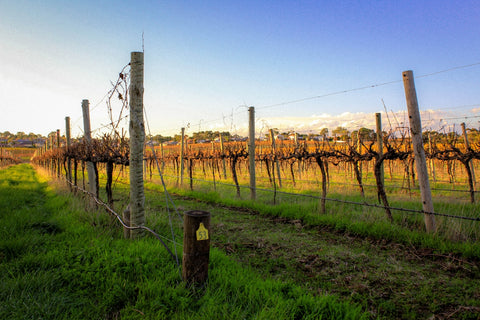
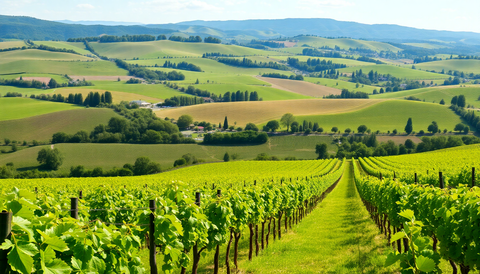
McLaren Vale rosé has a natural advantage here. The region is known for wines that are vibrant, expressive, and full of personality, but still balanced enough to play well with mixers. That means you're not forced to choose between quality wine and cocktail flexibility. You can have both in the same glass.
Don't be afraid to adjust these recipes to your own table. If your guests prefer drier drinks, pull back the sweetener. If you love herbs, add basil to the spritz or rosemary to the sangria. If peaches are beautiful at the market, lean into the fizz. The wine gives you the foundation. The rest is about season, mood, and the food you're serving.
Most of all, keep it enjoyable. Rosé cocktails should feel easy, social, and generous. Open the bottle, fill the ice tray, slice the fruit, and let the wine do its work. With a few simple techniques and a solid McLaren Vale rosé in hand, you're already well on your way to serving drinks that look polished and taste even better.
If you're ready to mix with better wine, explore the regional range at McLaren Vale Cellars. You'll find premium McLaren Vale rosés, value-packed half-case and dozen deals, and mixed bundles that make it easy to stock up for spritzes, sangria, and party punch.
Comments (0)
There are no comments for this article. Be the first one to leave a message!