
A customer once stood in front of the shelf, holding two Robert Oatley reds, and asked me the question I hear all the time: “Which one's the good one?” The honest answer is that both can be good. You just need to know what the label is trying to do.
An Introduction to Robert Oatley Wines
Robert Oatley Wines rewards a bit of context. If you pick up a bottle without knowing the story, the range can seem broad, even slightly puzzling. If you know who founded it, why the labels differ, and how the wines line up with Australian regions, the whole portfolio starts to make sense.
For many drinkers, Robert Oatley sits in a sweet spot. The wines are recognisably Australian, but they don't feel anonymous. They're built around region, grape variety, and drinkability. That matters when you're choosing between a midweek bottle, a dinner-party red, or something with a bit more pedigree.
The easiest way to approach the Robert Oatley winery is to ask three questions:
- Which label am I looking at? Signature, Finisterre, and The Pennant don't mean the same thing.
- Which region is behind the wine? McLaren Vale, Margaret River, and Great Southern bring very different personalities.
- What kind of experience do I want? Fresh and accessible, regionally focused, or more serious and cellar-worthy.
If you're still finding your footing with terms like regionality, tannin, or varietal character, a simple primer like this beginner-friendly wine guide can help before you dive deeper.
Practical rule: Don't shop Robert Oatley by brand name alone. Shop by label tier and region together.
That's where this producer becomes much more enjoyable. Instead of seeing one big brand, you start seeing a set of deliberate choices in style, place, and value.
The Man Behind the Label Robert Oatley's Legacy
A lot of Australian wine drinkers have had this moment. You spot Robert Oatley on the shelf, recognise the name, and sense there is history behind it. What is less obvious, until someone explains it clearly, is why that history matters when you are choosing between Signature, Finisterre, and The Pennant.

From the Hunter to a national name
Robert Oatley built his reputation over decades, not through a quick brand launch. The broad outline is important. He bought into the Hunter Valley in the late 1960s, released Rosemount's first vintage in 1974, grew Rosemount Estate into Australia's largest family-owned wine producer, sold it to Southcorp in 2001, and then returned with the family to establish Oatley Wines in 2006, according to the National Portrait Gallery profile of Robert Oatley.
That sequence tells you a lot. First came vineyard ownership. Then came scale. Then came a second act, shaped by experience rather than ambition alone.
For a shopper, that matters because the current label is easier to read once you know it was built by someone who had already spent a lifetime learning which regions, varieties, and wine styles connect with drinkers.
A legacy you can actually taste in the range
Wine history can feel abstract if it stays at the level of dates and business deals. Here, it shows up in the way the portfolio is organised.
Robert Oatley Wines does not present itself as one blurry national brand. It behaves more like a well-run cellar door with clearly marked shelves. One part of the range is designed for reliable, regional drinking. Another pushes further into site and structure. At the top, the flagship wines ask for more attention and often more patience.
That is the useful link between the man and the modern brand. His legacy is not just fame. It is clarity.
If you are still building confidence with regional differences, this guide to understanding Australian wine regions and local terroir helps explain why an Australian producer would organise wines by place so carefully.
Why his name still means something on a bottle
A founder's name can sometimes be little more than decoration. In this case, it acts like a signpost. It suggests the wines were assembled by people who know that Margaret River Cabernet should not feel like McLaren Vale Shiraz, and that a top-tier bottling needs a different role from an everyday one.
That is the gap many Australian buyers are trying to close. They do not just want a famous surname. They want to know what each label stands for, where the fruit comes from, and whether the price step up is justified.
Robert Oatley's legacy helps explain why those questions have sensible answers within this portfolio. The range was built with hierarchy, regional identity, and drinker usefulness in mind.
For readers interested in how place shapes style in other Australian regions too, River Front Estate's Huonville insights offer another good example of how regional stories help make bottles easier to choose.
A Tapestry of Terroirs Vineyards and Winemaking Philosophy
The Robert Oatley winery isn't defined by a single patch of dirt. It works across several important Australian regions, and that multi-regional approach is one of its strengths. For shoppers, though, it can also be the source of confusion. If you don't connect each bottle to its region, the range can blur.

Why these regions matter
Three names come up again and again with Robert Oatley wines: McLaren Vale, Margaret River, and Great Southern.
McLaren Vale usually speaks in a richer voice. Think generous reds, ripe fruit, spice, and texture. When you're looking at Shiraz, Grenache, or GSM, this region often brings warmth and a broad, satisfying palate.
Margaret River tends to feel more composed. Cabernet Sauvignon and Chardonnay from there often appeal to drinkers who want intensity with shape and line rather than sheer power.
Great Southern has a different energy again. It often suits wines with lift, perfume, and a cooler feel in the glass. Even when a label doesn't shout about the climate, you can often taste that regional distinction.
If regional differences still feel abstract, this guide to understanding Australian wine regions and local terroir is useful because it breaks down how place changes flavour.
For a broader view of how Australian geography can shape wine style beyond the mainland's best-known regions, I also like River Front Estate's Huonville insights. It's a handy reminder that climate and site are never background details. They're the reason one region whispers while another sings.
A concrete example from McLaren Vale Grenache
This producer becomes easier to trust when you look at the winemaking details. Robert Oatley Vineyards uses a specialised fermentation protocol for the McLaren Vale Grenache G-19 2019. Grapes from the southern end of the region are fermented on skins in a combination of open and closed fermenters, followed by a short maturation in tank to preserve varietal fruit character and structure, according to the wine sheet for the G-19 2019.
That's a great practical example because it shows the winery isn't forcing every wine into the same mould.
- Open and closed fermenters: This mix can help shape texture and aromatic detail.
- Short maturation in tank: That choice protects fruit purity instead of burying the wine under heavy oak.
- Site-specific thinking: The technique is described as critical for quality Grenache in the hot McLaren Vale climate.
Good regional winemaking doesn't mean doing less. It means doing the right amount, in the right place, for the right grape.
How to think about the philosophy in plain language
If you're not a technical wine person, here's the simple version. Robert Oatley wines generally make the most sense when the producer lets regional fruit lead the conversation. The better bottles don't feel dressed up for effect. They feel tuned.
That's worth remembering when you compare labels. The region gives the wine its accent. The label tells you how loudly that accent will speak.
Decoding the Portfolio Signature Finisterre and The Pennant
Many shoppers face a common challenge. They recognise the producer, but the labels don't immediately explain themselves. That's a real gap in the market. Existing guidance often doesn't clearly show how Signature, Finisterre, and The Pennant line up with region and value, leaving buyers less confident when choosing wines such as McLaren Vale Shiraz, as noted in this discussion of the brand's portfolio presentation on Robert Oatley Wines.
The simplest way to decode the Robert Oatley winery is to treat the labels as three different promises.
Start with Signature
Signature Series is the range I'd hand to someone who wants a dependable introduction to the producer. These wines are built for approachability and regional typicity without demanding a special occasion.
If you're standing in a shop and want the easiest entry point, Signature is usually where to begin. The wines tend to be friendly early, clear in varietal style, and well suited to dinner rather than contemplation alone.
Typical reasons to choose Signature:
- You want everyday value: This is the tier for relaxed drinking and regular rotation.
- You're exploring the producer: It's the easiest way to learn what Robert Oatley does with key regions and grapes.
- You want a food wine without fuss: Signature bottles usually fit naturally at the table.
Move to Finisterre for stronger regional identity
Finisterre sounds more dramatic, and in the glass it often feels more focused. This is the label to look for when you want the wine to say more about region and site.
I'd describe Finisterre as the tier for drinkers who already know what they like and want a more specific expression. If Signature says, “Here's a good McLaren Vale red,” Finisterre is more likely to say, “Here's a more serious take on a particular regional idea.”
That doesn't mean it has to be solemn. It just means the wine usually asks for a bit more attention.
If Signature is your front door into the producer, Finisterre is where regional character starts to sharpen.
Save The Pennant for the most serious bottles
The Pennant sits at the top of the tree. This is the label for wines that are meant to represent a heightened expression of place, often with a stronger sense of pedigree and occasion.
When customers ask me which Robert Oatley bottle feels gift-worthy or cellar-minded, The Pennant is the answer. It's the part of the range that invites slower drinking, larger glasses, and a bit more patience.
These are the bottles I'd choose for:
- A special dinner
- A meaningful gift
- A buyer who values site expression over simple fruit appeal
- A cellar purchase rather than a quick weeknight pour
Robert Oatley Wine Tiers at a Glance
| Label | Price Point | Key Regions | Style & Focus | Ideal For |
|---|---|---|---|---|
| Signature Series | Entry point within the producer's range | Often associated with major regional styles including McLaren Vale and Margaret River | Approachable, varietally clear, everyday drinkability | Weeknight drinking, casual dinners, first-time buyers |
| Finisterre | Mid to upper tier | Regionally expressive bottlings with a stronger sense of place | More focused, more structured, more region-led | Enthusiasts who want detail and character |
| The Pennant | Premium tier | Top regional and site-driven expressions | Serious, cellar-worthy, occasion-focused | Gifting, cellaring, celebratory meals |
A simple way to choose confidently
If the labels still feel abstract, use this decision path:
- Pick Signature when budget, versatility, and easy pleasure matter most.
- Pick Finisterre when you want the region to show more definition.
- Pick The Pennant when you want the producer's most ambitious expression.
The main mistake people make is assuming the “best” bottle is always the one they should buy. It isn't. The right Robert Oatley wine is the one whose label tier matches the moment. For pizza and lamb chops on a Friday, Signature may be exactly right. For a long lunch or a gift, Finisterre or The Pennant may make better sense.
Spotlight on Flagship Wines Tasting Notes and Cellar Potential
A lot of shoppers reach this point with one practical question: which Robert Oatley bottle should I buy?
That is where the labels stop being abstract and start behaving like signposts. Signature usually gives you the clearest, easiest read on a region and grape. Finisterre tends to turn the dial toward structure and site character. The Pennant is where the range speaks in its deepest voice, with more concentration and stronger cellar interest. If you keep that map in mind, tasting notes become far easier to use.

McLaren Vale Shiraz
For plenty of Australian drinkers, this is the natural starting point. McLaren Vale Shiraz often delivers the flavour people expect from a warm-climate red: dark plum, blackberry, spice, and a broad, generous palate.
The useful lesson here is the difference between power and heaviness. A wine can be full of flavour and still move cleanly across the palate. Good Shiraz feels more like a nicely cut winter coat than a heavy blanket. It gives warmth and presence, but it should not drag.
The 2015 McLaren Vale Shiraz and 2016 GSM are both listed at 14.0% ABV in the Robert Oatley Vineyards wine listing from Wine Australia, which fits the ripe, full-bodied style you would expect from these McLaren Vale reds.
At the table, this is a very easy wine to place. Pour it with chargrilled lamb cutlets, beef sausages with onion relish, or roasted mushrooms. Each dish has enough savoury depth to meet the wine's fruit and spice.
For the cellar, treat it as a bottle with flexibility. Drink it young for plush fruit and immediate pleasure, or hold it for a few years if you enjoy Shiraz when the fruit starts to pick up more savoury detail.
GSM from McLaren Vale
A good GSM solves a common problem for buyers who like richness but do not want density. Grenache, Shiraz, and Mourvedre often spread flavour differently from straight Shiraz. You get warmth, but also more lift, more red-fruit fragrance, and a looser, more layered texture.
That makes this style useful if Robert Oatley's label tiers still feel new to you. A McLaren Vale GSM often sits in a sweet spot between generosity and drinkability. It has enough flavour for a hearty meal, yet it usually feels less dense than a solo Shiraz.
Expect red berries, baking spice, a touch of dried herb, and a soft, savoury finish. It is the red you open when the group around the table includes both Shiraz drinkers and people who usually want something a little lighter.
Pair it with woodfired pizza, slow-cooked lamb, or a baked pasta with tomato and herbs.
After you've read tasting notes, it helps to watch how people talk through wine in plain language. This short video adds a nice visual layer:
McLaren Vale Grenache G-19
This is the bottle to reach for if you want to understand intent in the Oatley range. Grenache can show McLaren Vale from a different angle. Instead of depth and darkness first, you often get perfume, brightness, and finely drawn shape.
That matters because many newer drinkers assume fuller-bodied Australian reds must all behave the same way. Grenache corrects that idea quickly. It can carry plenty of flavour while feeling more lifted, with notes closer to raspberry, red cherry, spice, and dried herbs than to the darker fruit profile of Shiraz.
It also has a strong role in helping buyers decode the labels. If you are comparing a more accessible tier with a more ambitious bottling, Grenache often reveals the difference clearly. Better examples show more line, more detail, and more composure, rather than just more weight.
Serve it with roast chicken, pork with fennel, or a plate of grilled vegetables. It is also a smart choice for someone who usually drinks Pinot Noir but wants to explore a warmer Australian region without jumping straight into a dense Shiraz.
Margaret River Chardonnay
Margaret River Chardonnay plays a different role in the portfolio. It is often the bottle that reassures cautious buyers because the region has a long track record for combining flavour with restraint.
In plain language, this is Chardonnay with both shoulders and spine. You can get stone fruit, citrus, and a creamy or nutty edge from winemaking, but the acidity keeps the wine upright. That balance is why Margaret River Chardonnay works so well for mixed groups. People who enjoy richer whites find enough texture, while fresher-style drinkers still get energy and length.
Food pairing is straightforward. Grilled fish, roast chicken, and creamy pasta all make sense here.
If you are choosing across Robert Oatley's labels, this is also a useful benchmark bottle. It shows how the producer handles a classic Australian region in a style that feels confident rather than showy. For many buyers, that is exactly what turns curiosity into a confident purchase.
Commitment to Quality Awards and Sustainability
Quality in wine gets measured in two very different ways. One is what ends up in the glass. The other is whether the producer gives buyers enough confidence about how those wines are grown and made.
Robert Oatley clearly has standing in the first category. The brand's profile and reputation place it in the conversation among serious Australian producers, and that reputation helps explain why drinkers keep returning to the range when they want reliable regional wines.
Why sustainability now matters to the purchase
For many Australian shoppers, quality no longer stops at flavour. People also want to know how a winery treats land, water, and long-term stewardship.
That's especially relevant in South Australia, where 78% of wine buyers now prioritise sustainability, according to this Wine Companion winery page for Robert Oatley Wines. The same source highlights an information gap around verifiable environmental metrics in existing Robert Oatley content.
That gap matters because a lot of buyers now ask practical questions:
- Is there clear certification?
- Are environmental practices explained in concrete terms?
- Can I buy this for a sustainability-minded gift recipient with confidence?
The reality for buyers today
Here's the fair, balanced view. The Oatley name carries a strong association with serious wine stewardship and long-term family involvement. But if you're the kind of buyer who wants detailed, third-party sustainability proof before purchase, the available public material can feel thinner than you'd like.
That doesn't automatically mean the wines fall short environmentally. It means the communication around that topic isn't as complete as some buyers now expect.
Quality today has two audiences. Your palate is one. Your conscience is the other.
For shoppers, the smart move is to separate what's clear from what isn't. It's clear the producer has deep wine credentials and a strong regional focus. It's less clear, from the verified public material, exactly how its sustainability story is being measured and communicated.
Your Guide to Experiencing Robert Oatley Wines
Once you understand the labels, buying becomes much easier. The next step is knowing how to choose, store, and enjoy the wines without overthinking it.
How to buy with confidence
Start with the occasion, not the producer prestige.
If you need a versatile bottle for dinner, choose from the more accessible end of the range. If you're buying for a gift or a more attentive tasting, move upward into the more premium labels. That simple shift stops you from overspending on one hand or underbuying on the other.
If you're ordering wine from outside your local area, freight costs can shape what makes sense to buy. For readers sending wine more broadly, this guide on how to reduce international shipping costs offers useful general logistics advice.
How to taste the range more clearly
A small tasting at home works better than guesswork in the bottle shop. Try one white and two reds across different label tiers or regions. Pour small serves, compare the aromas, then taste with and without food.
If you'd like a refresher on the basics of smelling, swirling, and identifying structure, this article on how to taste wine like a sommelier is a handy companion.
Here's a simple home tasting order:
- Start with Chardonnay if you have one.
- Move to Grenache or GSM for the lighter red profile.
- Finish with Shiraz as the fuller red.
Storage and serving tips
You don't need a grand cellar to treat these wines well.
- Keep bottles cool and steady: Avoid hot cupboards, sunny windows, and the top of the fridge.
- Serve reds a touch cooler than many people do: Warm rooms can make alcohol feel more obvious.
- Open serious bottles early if needed: Some wines improve with a bit of air in the glass or decanter.
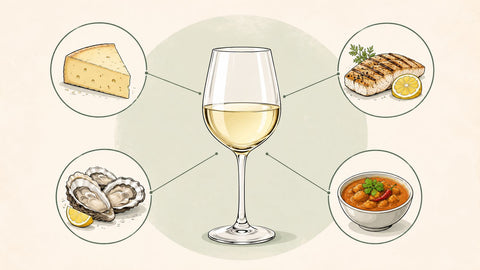
For food, Robert Oatley wines are easy companions. Chardonnay suits seafood and chicken. Grenache and GSM are excellent with shared plates, pizza, and roast pork. Shiraz belongs with lamb, beef, and richer winter meals.
The beauty of the Robert Oatley winery is that it gives you room to grow. You can begin with an easy, well-priced regional wine and, as your palate sharpens, move toward more site-driven bottles with confidence.
If you're ready to explore these styles for yourself, McLaren Vale Cellars is a smart place to start. You'll find a strong selection of Australian wines, practical tasting resources, and the kind of guidance that helps you buy the right bottle for the right moment.
Comments (0)
There are no comments for this article. Be the first one to leave a message!