
As wine enthusiasts, we often find ourselves debating the merits of red wine versus white wine. Both offer unique flavors, aromas, and characteristics that can captivate the senses, but what exactly sets them apart? In this comprehensive blog post, we'll delve into the world of red and white wines, exploring their distinct features, production methods, and the factors that contribute to their unique personalities.
The Basics: Grape Varieties and Winemaking
At the heart of the red wine versus white wine debate lies the fundamental difference in grape varieties and winemaking processes. Red wines are typically made from red or black grape varieties, such as Cabernet Sauvignon, Merlot, Pinot Noir, and Shiraz. These grapes contain pigments in their skins, which are extracted during the winemaking process, giving red wines their distinctive deep, rich colors.
In contrast, white wines are primarily produced from white grape varieties, including Chardonnay, Sauvignon Blanc, Riesling, and Pinot Grigio. These grapes lack the pigments found in red grape skins, resulting in the lighter, more translucent hues of white wines.
The winemaking process also plays a crucial role in shaping the character of red and white wines. For red wines, the grape skins are left in contact with the juice during fermentation, allowing for the extraction of tannins, color, and other compounds that contribute to the wine's structure and complexity. White wines, on the other hand, are typically fermented with minimal skin contact, preserving the delicate aromas and crisp acidity that are characteristic of these wines.
Flavor Profiles and Aromas
One of the most noticeable differences between red and white wines is their distinct flavor profiles and aromas. Red wines are often described as having bold, full-bodied flavors, with notes of dark fruits, such as blackberries, cherries, and plums, as well as earthy, spicy, or even smoky undertones. The tannins in red wines also contribute to their robust, sometimes slightly astringent, mouthfeel.
White wines, in contrast, tend to exhibit more delicate and refreshing flavors. They often showcase bright, citrusy notes of lemon, lime, or grapefruit, as well as floral or herbaceous aromas, such as those found in Sauvignon Blanc or Riesling. Some white wines, like Chardonnay, can also display creamy, buttery, or nutty characteristics, depending on the winemaking techniques used.
Body and Alcohol Content
Another key distinction between red and white wines is their body and alcohol content. Red wines generally have a fuller, more substantial body, with a higher concentration of tannins and alcohol. This is due to the extended skin contact and fermentation process, which extracts more compounds from the grapes.
White wines, on the other hand, tend to be lighter in body and have a lower alcohol content. The shorter skin contact and fermentation process results in a more delicate, refreshing mouthfeel, making them a popular choice for warm weather or as an aperitif.
Food Pairing Considerations
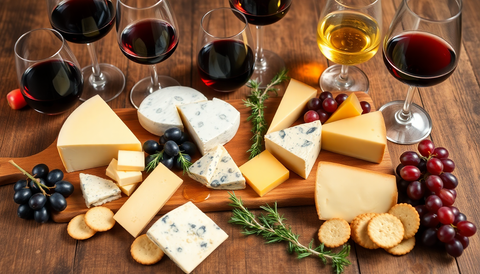
The differences in flavor profiles and body between red and white wines also make them well-suited for different types of food pairings. Red wines, with their robust flavors and tannins, often pair well with heartier dishes, such as grilled meats, stews, and aged cheeses. The tannins in red wine can help to balance the richness of these foods, while the bold flavors complement the savory elements.
White wines, with their lighter, more delicate flavors, are often better suited for pairing with seafood, poultry, and fresh, lighter dishes. The acidity in white wines can help to cut through the richness of creamy sauces or balance the spiciness of certain cuisines. Additionally, the refreshing nature of white wines makes them an excellent choice for enjoying with salads, vegetables, and other lighter fare.
Aging and Cellaring
The aging and cellaring potential of red and white wines also differ significantly. Red wines, with their higher tannin and alcohol content, are generally better suited for long-term aging. As they mature, the tannins soften, and the flavors become more complex and integrated, creating a more nuanced and sophisticated drinking experience.
White wines, on the other hand, are typically meant to be consumed relatively young, often within a few years of their vintage. While some white wines, such as certain Rieslings or Chardonnays, can benefit from a few years of aging, they generally do not have the same longevity as their red counterparts.
Conclusion
In the end, the debate between red wine and white wine is not about which one is "better," but rather about understanding and appreciating the unique characteristics and qualities of each. Both red and white wines offer a diverse range of flavors, aromas, and experiences, catering to different personal preferences and culinary pairings.
Whether you're a seasoned wine enthusiast or just beginning to explore the world of wine, understanding the fundamental differences between red and white wines can enhance your appreciation and enjoyment of this timeless beverage. So, the next time you're faced with the choice between a bold, full-bodied red or a crisp, refreshing white, embrace the opportunity to explore the nuances and discover your personal preference.

Comments (0)
There are no comments for this article. Be the first one to leave a message!