
Introduction
Wine has been cherished for millennia, symbolizing celebration, culture, and the art of craftsmanship in winemaking. In 2025, one of the most enduring debates among wine enthusiasts and casual drinkers alike remains: red wine or white wine? While at first glance, the differences might seem straightforward, a closer look reveals complex distinctions that influence flavor, health benefits, and food pairings. This comprehensive exploration will guide you through the nuances, trends, and tips to elevate your wine experience this year.
The Fundamental Differences in Production
The core difference between red and white wine stems from how grapes are processed during winemaking. This process shapes their appearance, flavor profiles, and texture.
Red Wine Production Process
- Grape Handling: Grapes are harvested and then fermented with their skins, seeds, and stems.
- Maceration: During fermentation, the juice remains in contact with the skins for days or even weeks, extracting color, tannins, and flavor compounds.
- Color and Tannins: The prolonged skin contact imparts deep ruby or garnet hues and a wealth of phenolic compounds, especially tannins, giving structure and aging potential to the wine.
- Post-Fermentation Aging: Most reds are aged in oak barrels to develop complexity, with common flavors of vanilla, spice, and toasted notes.
White Wine Production Process
- Grape Handling: Grapes are harvested, pressed immediately to separate the juice from the skins and seeds.
- Fermentation: The clear juice ferments without skin contact, preserving delicate aromas and flavors.
- Color and Structure: Usually pale yellow to gold, with less tannin and more focus on acidity and freshness.
- Post-Fermentation Aging: Frequently stored in stainless steel to retain bright fruit notes, though some whites like Chardonnay are aged in oak for added richness.
Extended Impact on Flavor and Texture
These production differences have significant effects on the sensory experience:
Red Wines
- Deep, complex flavors—ranging from dark fruits like blackberry, blackcurrant, and plum to spicy and earthy notes.
- Robust tannins lending a drying sensation and structure capable of aging for decades.
- Full-bodied textures that often feel velvety, firm, or even tannic on the palate.
White Wines
- Light, zesty, and often crisp, with flavors emphasizing citrus, green apple, pear, and floral notes.
- Lower tannins and higher acidity, contributing to a refreshing and lively mouthfeel.
- Richer whites like oaked Chardonnay develop creamy textures and complex aromas of vanilla, toast, and stone fruits.
Health Benefits in 2025
What role do red and white wines play in health? Scientific research points to specific compounds derived from grape skins, seeds, and fermentation practices.
Polyphenols and Antioxidants
- Red Wine: Contains higher levels of polyphenols, including resveratrol, flavonoids, and tannins. These compounds are linked to cardiovascular benefits, such as improved blood vessel function and reduced LDL cholesterol.
- White Wine: Contains fewer polyphenols but still offers beneficial antioxidants, especially in varieties like Riesling and certain Chardonnays.
Resveratrol and Cardiovascular Health
- This polyphenol has been studied extensively for its potential to promote heart health by mitigating oxidative stress and inflammation.
- While promising, its actual impact depends on the quantity consumed; a typical glass provides only a small dose, emphasizing moderation rather than reliance for health benefits.
Moderation and Overall Wellness
- Both red and white wines can be part of a healthy lifestyle if consumed responsibly—no more than one glass per day for women and two for men, according to health guidelines.
- Other factors like alcohol content, calorie count, and personal health considerations are equally important.
Deep Dive into Flavor Profiles and Varietal Diversity
Exploring diverse varieties allows you to tailor your wine choices to your taste and occasions.
Red Wine Varieties
- Cabernet Sauvignon: Full-bodied with bold blackcurrant, cedar, and spice, ideal for red meats and hearty dishes.
- Merlot: Softer tannins with plummy, chocolate notes—versatile and smooth.
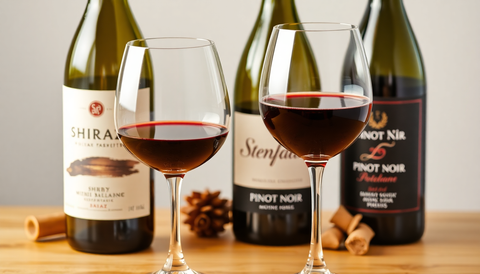
- Pinot Noir: Light, delicate, with bright red berry flavors and earthy undertones—perfect for poultry and lighter fare.
- Shiraz/Syrah: Spicy, bold, with notes of black pepper, blueberry, and smoky nuances—great with grilled meats.
White Wine Varieties
- Sauvignon Blanc: Grassy, citrus-driven, perfect with seafood, salads, and goat cheese.
- Riesling: Aromatic, with high acidity and notes of lime, green apple, and petrol (in some styles)—excellent with spicy dishes.
- Chardonnay: Ranges from crisp and minerally to rich and buttery, pairing well with poultry, creamy pasta, and cheese.
- Pinot Grigio/Gris: Light, zesty, with green apple and pear notes—great for warm weather or light seafood.
Red vs White: Intensity, Texture, and Food Pairings
The art of pairing wine and food hinges on matching intensity, texture, and regional harmony. In 2025, sommeliers and casual drinkers alike are embracing nuanced pairings that elevate dining experiences.
Red Wine Pairings
- Rich meats like ribeye, lamb chops, and stews.
- Aged cheeses such as Parmesan, Gouda, and blue cheese.
- Spicy dishes like barbecue, moles, and spicy sausage.
- Hearty pasta with tomato-based sauces or mushroom-based dishes.
White Wine Pairings
- Fresh seafood like oysters, scallops, and sushi.
- Light poultry, especially with lemon or herbal sauces.
- salads, vegetarian dishes, and dishes with fresh herbs.
- Rich, creamy pasta dishes like Alfredo or carbonara—particularly with oaked Chardonnay.
- Light appetizers like goat cheese or soft cheeses.
Modern Trends and Consumer Preferences in 2025
The wine market is continually shifting. Recent trends reveal:
- Oversupply of red wine grapes, especially from Australian vineyards, leading to more affordable, high-quality reds.
- Growing appetite for organic and biodynamic wines, appealing to health-conscious consumers and environmental advocates.
- The rise of low-alcohol and alcohol-free wines, providing options for moderation without sacrificing taste.
- Emphasis on sustainable packaging, including lightweight bottles and eco-friendly corks, aligning with global sustainability goals.
Serving Tips for 2025
Temperature control remains vital for maximizing your wine experience:
- Red Wines: Serve slightly chilled at around 16-18°C (60-65°F); decant young reds to soften tannins and release aromas.
- White Wines: Keep at 8-12°C (46-54°F), ideally in a wine fridge or ice bucket for immediate refreshment.
- Use appropriate glassware: larger bowls for reds facilitate aeration, while narrower glasses for whites concentrate delicate aromas.
- Attention to storage: Keep wines lying flat in a cool, dark place to maintain stability.
Long-Term Cellaring and Aging
Most red wines, especially those with high tannin levels like Bordeaux or Barolo, benefit from aging. Properly cellared, they develop further complexity, with flavors evolving over years or decades. White wines like Riesling or high-quality Chardonnay can also age well if stored correctly, often developing intriguing honeyed or nutty nuances.
Market Opportunities for 2025
The surplus of red grapes in countries like Australia provides major opportunities for consumers to buy premium reds at discounted prices. This readiness allows both collectors and casual drinkers to explore aging reds or expand their collection without breaking the bank. Meanwhile, white wines continue to offer fresh, vibrant options for everyday enjoyment.
Making the Best Choice for You
When selecting between red and white in 2025, consider your palate, the occasion, and your food pairing needs:
- If you crave bold, complex flavors and enjoy rich meals, reds like Cabernet Sauvignon or Shiraz are excellent choices.
- If you prefer crisp, refreshing drinks ideal for daytime or light fare, white wines such as Sauvignon Blanc or Riesling will suit you best.
- Experiment with lesser-known varieties, blending styles, and regional offerings to expand your wine horizons.
Final Thoughts
The red versus white wine debate remains lively in 2025, but the true joy lies in exploring and appreciating each style’s unique qualities. Whether you’re savoring a robust red with a steak or sipping a vibrant white with seafood, understanding their differences enriches your drinking experience. Remember, the most important factor is personal enjoyment. With ongoing industry trends making good wines more accessible and affordable, now is the perfect time to deepen your appreciation and find the wines that truly resonate with you.
Cheers to discovering your perfect pour in 2025!
Comments (0)
There are no comments for this article. Be the first one to leave a message!