
The first time I poured a warm region Pinot Noir for a visitor expecting something whisper-light, they took a sip, paused, and said, “I didn’t know Pinot could do that.” That’s the joy of this grape. It keeps surprising people.
An Introduction to the Heartbreak Grape
Pinot Noir is often called the heartbreak grape, and once you’ve spent time around growers and winemakers, the nickname makes perfect sense. It’s not because the wine is gloomy. It’s because the grape asks for patience, precision, and a bit of nerve.
One season it gives perfume, silk, and haunting detail. Another season it can test everyone in the vineyard. Pinot Noir’s bunches are small and tight, which makes vineyard work more demanding, and the variety reacts sharply to where it’s planted and how it’s grown. That difficulty is exactly why people fall so hard for it. When Pinot Noir is right, it feels less like a drink and more like a place translated into flavour.

At a cellar door, Pinot often creates the most interesting conversation. A guest who usually reaches for Shiraz tries a glass and notices the fragrance first. Then the texture. Then the way the wine seems to widen across the palate rather than hit with brute force. Suddenly they’re not asking whether they “like Pinot Noir”. They’re asking which kind they like.
Why people get hooked
Some red wines announce themselves in bold capitals. Red wine pinot noir tends to speak with detail instead of volume. It can smell like cherries and raspberries, then drift into spice, undergrowth, or mushroom as it opens in the glass.
That mystery is part of its appeal. Pinot Noir rewards attention, but it doesn’t demand expertise. If you’re curious and you’re willing to compare styles side by side, the grape becomes much easier to understand. A handy starting point is this beginner’s guide to unlocking the secrets of Pinot Noir.
Great Pinot Noir doesn’t feel complicated when you drink it. It feels clear, vivid, and alive.
The heartbreak is real for the people growing it. For the rest of us, the reward is in the glass.
The Essential Character of Pinot Noir
If you’re new to Pinot Noir, the easiest mistake is expecting it to behave like a darker, heavier red. It usually doesn’t. Pinot Noir is less about density and more about shape, aroma, and finesse.
Think of the body as closer to silk than velvet. The wine often feels lighter on the tongue than Shiraz or Cabernet Sauvignon, yet it can still carry remarkable flavour. That catches people off guard. Light in body doesn’t mean light in personality.
What it usually tastes like
In a young Pinot Noir, the fruit often sits in the red spectrum. Cherry is the classic marker. Raspberry and cranberry show up often too. Instead of jammy richness, the fruit usually feels lifted and fresh.
As the wine develops, the flavour picture broadens. You may notice earthy notes, a little spice, dried leaves, mushroom, or what many drinkers call forest floor. Some people hear those words and worry the wine will seem strange. In practice, those savoury notes are part of what makes Pinot so compelling. They add depth without making the wine heavy.
A simple way to taste for it is to break the wine into three parts:
-
Fruit
Look for red fruits first. Is it more cherry, more raspberry, or more tart cranberry? -
Texture
Notice how the wine moves. Pinot Noir often glides rather than grips. -
Savoury detail
After the fruit, ask whether you can sense earth, spice, herbs, or mushroom.
Acidity and tannin in plain language
Two words confuse new drinkers more than almost any others: acidity and tannin.
Acidity is the freshness that makes your mouth water. In Pinot Noir, it often acts like a string of pearls running through the wine, keeping everything bright and energetic.
Tannin is the drying sensation you feel on your gums and cheeks. Pinot Noir usually has smoother, lower tannin than more muscular reds. That’s one reason it’s so food-friendly. It doesn’t bulldoze the meal.
Practical rule: If a red wine feels refreshing and smooth rather than dense and chewy, you may be in Pinot Noir territory.
How Pinot differs from Shiraz and Cabernet
Here’s a quick way to frame it for your own palate.
- Shiraz often leans darker, fuller, and more powerful.
- Cabernet Sauvignon often brings firmer structure and more obvious grip.
- Pinot Noir tends to focus on perfume, brightness, and detail.
That doesn’t mean Pinot Noir is always fragile. Some styles are delicate. Others are deeper and more structured. The important thing is learning that Pinot’s signature isn’t sheer weight. It’s the way aroma, acidity, and texture work together.
A beginner’s taste map
| Feature | What to expect in Pinot Noir |
|---|---|
| Colour | Usually lighter in appearance than many bold reds |
| Fruit profile | Cherry, raspberry, cranberry |
| Texture | Silky, smooth, fine-boned |
| Acidity | Bright and mouth-watering |
| Tannin | Generally soft to moderate |
| Savoury notes | Earth, spice, mushroom, forest floor |
Once you know that map, Pinot Noir becomes much less mysterious. You stop chasing one fixed style and start recognising its family resemblance. That’s when the fun begins.
From Vine to Bottle The Art of Growing Pinot Noir
A grower can do a hundred small jobs right and still lose Pinot Noir to a rough patch of weather. That fragile balance is part of the grape’s reputation. Pinot Noir reacts quickly to heat, wind, moisture, and crop load, which is why growers speak about it with so much respect. As the team at Wine Spectator explains in its guide to Pinot Noir, the variety is famously sensitive in the vineyard, and that sensitivity is exactly what makes great bottles so expressive.

What terroir actually means
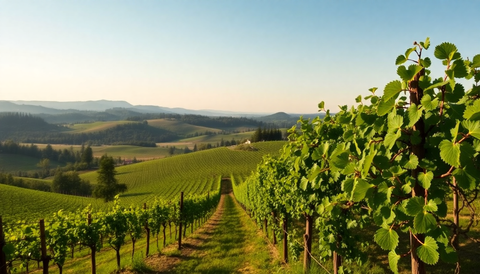
Terroir sounds like a grand wine word, but it means place. Soil, slope, sunlight, elevation, wind, and temperature all leave fingerprints on the grapes.
Pinot Noir picks up those fingerprints with unusual clarity. A vineyard with cooler mornings might give brighter acidity and more tension. A warmer site can push the fruit toward darker cherry, plum, and spice, with a fuller shape through the palate. That matters in Australia, where the conversation often stops at cool-climate finesse, even though warmer regions can produce Pinot Noir with more depth, richness, and surprising ageing potential.
McLaren Vale is a good example of why this broader view matters. People know the region for bigger reds, yet careful site selection and thoughtful farming can produce Pinot Noir with generous fruit, savoury detail, and enough structure to age beautifully. It is a style that deserves more attention than it gets.
Why Pinot Noir keeps growers busy
Pinot Noir’s bunches are usually tight and compact. Berries packed closely together hold moisture more easily, which raises the risk of rot and disease. Growers have to manage the vine canopy carefully so air and light can reach the fruit.
That sounds technical, but the idea is simple. Pinot Noir needs breathing room.
Crop level matters too. If a vine tries to ripen too much fruit, the wine can lose its shape and detail. Skilled growers often keep yields in check so the vine puts its energy into fewer bunches. That extra labour is one reason a serious bottle of Pinot Noir often costs more than drinkers expect.
How the vineyard shapes the flavour
Pinot Noir is often called the heartbreak grape because it shows both success and mistakes so clearly. If the site is well matched and the season behaves, the wine can be vivid and finely detailed. If the vineyard is too hot, too fertile, or overcropped, the result can feel flat or clumsy.
You can taste those decisions in the glass.
A cooler site may give red cherry, cranberry, and a lifted herbal edge. A warmer Australian site can move toward black cherry, wild strawberry compote, baking spice, and earthy depth, while still keeping the silkiness that makes Pinot Noir feel like Pinot Noir. The best warmer-region examples do not taste heavy. They taste amplified, like the volume has been turned up without blurring the melody.
- Soil and water availability influence how vigorous the vine grows and how concentrated the fruit becomes.
- Temperature swings affect ripeness, aroma, and freshness.
- Wind exposure can slow ripening and thicken skins.
- Canopy management helps control disease pressure and even out flavour development.
Why “fickle” can be a compliment
Calling Pinot Noir fussy misses the more interesting truth. The grape works like a very sensitive microphone. It records the character of the site, the season, and the grower’s decisions with very little softening.
That is why Pinot lovers become attached to particular vineyards and producers. One bottle can show elegance and perfume. Another, especially from a warmer Australian region, can bring darker fruit, more shape, and real cellaring promise. Both are true to Pinot Noir. Both can be thrilling. The joy is learning how many voices this grape has, long before the cork even comes out.
A Journey Through Global Pinot Noir Regions
The first time someone pours you two Pinot Noirs side by side, the lesson can be startling. One smells like fresh cherries, rose petals, and damp earth after rain. The other brings darker fruit, spice, a broader palate, and a shape that feels almost architectural. Both are Pinot Noir. That surprise is part of the grape’s magic, and it matters if you have only met the lighter, cooler-climate version so far.
For years, the standard Pinot map began in Burgundy, passed through other cool regions, and treated fuller expressions as a footnote. A more useful map for Australian drinkers starts with a better question. How far can Pinot Noir stretch while still keeping its silk, perfume, and detail?
McLaren Vale gives a compelling answer.
McLaren Vale and the case for warmer-climate Pinot
McLaren Vale is better known for powerful reds, so Pinot Noir can look unexpected here at first glance. Yet that is exactly why the region is exciting. In the right hands, a warmer coastal setting does not erase Pinot Noir’s identity. It turns up the depth.
Instead of tart cranberry and fine-boned red cherry alone, you may find black cherry, wild strawberry compote, sweet spice, dried herbs, and a more grounded savoury note. The texture often feels broader too, like silk layered over a firmer frame. If cool-climate Pinot glides, McLaren Vale Pinot can walk with purpose.
That style appeals to drinkers who love Pinot Noir’s fragrance but want more presence in the glass. It also makes sense at the table. A richer regional expression can sit comfortably beside grilled duck, mushroom dishes, lamb, and smoky barbecue. If you want ideas, this Pinot Noir food pairing guide from duck to mushrooms and beyond shows why the grape is so flexible with food.
McLaren Vale Grape Wine & Tourism Association describes the region as a Mediterranean climate with maritime influence, a combination that helps grapes ripen fully while retaining freshness in the best sites and seasons. You can see the regional profile on the official McLaren Vale wine region site. That helps explain why the strongest examples can be generous, structured, and worth cellaring, rather than merely ripe.
Burgundy still matters, but it is not the whole story
Burgundy remains Pinot Noir’s reference point because it teaches the language many drinkers first learn. Red cherry. Forest floor. Fine acidity. Subtle layers that reveal themselves slowly. It is the region that taught the wine world to listen for nuance.
That reference is useful. It is not a rulebook.
If you only use Burgundy as the template, warmer Australian Pinot can seem like a departure. If you treat Pinot Noir as a grape with many regional accents, McLaren Vale starts to feel less like an outlier and more like an exciting dialect. The grape is still speaking clearly. The tone is deeper and more resonant.
Australia’s cooler regions in context
Australia’s cool-climate regions still deserve their place in the conversation because they show another side of the variety so clearly.
Yarra Valley often delivers brightness, perfume, and a neat line of acidity. Adelaide Hills can bring floral lift and fine structure. Tasmania, though not covered in detail here, often sits at the delicate end of the spectrum for Australian Pinot Noir. These are the bottles that teach many drinkers to associate Pinot with elegance first.
They are beautiful wines.
They are also only part of the picture. Warmer-region Australian Pinot helps explain why some people who think they do not enjoy Pinot Noir have not found their style yet. A drinker who finds a very light Pinot too airy may connect immediately with the darker fruit and firmer shape of a warmer expression.
Pinot Noir Regional Profile Comparison
| Region | Climate | Typical Flavours | Body & Structure |
|---|---|---|---|
| Burgundy | Cooler, continental | Red cherry, earth, savoury spice, forest floor | Fine, elegant, detailed |
| Yarra Valley | Cool climate with elevated sites and sea influence | Bright red berries, freshness, subtle spice | Elegant, vibrant, poised |
| Adelaide Hills | Cool climate | Floral aromatics, red fruit, lifted perfume | Medium-bodied, refined |
| McLaren Vale | Warmer coastal setting | Darker cherry, wild strawberry, spice, savoury depth | Fuller, bolder, more structured |
How to explore regional differences with confidence
A side-by-side tasting is the fastest teacher. Pour a cooler-climate Pinot and a warmer Australian one. Smell first, then taste slowly.
Notice the fruit tone. One may suggest fresh-picked berries. The other may feel closer to fruit compote or baked cherries.
Notice the shape on your palate. Cooler styles often feel lighter on their feet. Warmer styles can carry more weight through the middle without losing Pinot Noir’s signature glide.
Then ask the most useful question of all. Which version makes you want another sip?
That answer is more important than any regional hierarchy. Pinot Noir is not one fixed experience. It is a family of expressions, and McLaren Vale deserves a more prominent place at the table because it shows how bold, rich, and age-worthy the grape can be in Australia without losing its soul.
How to Serve and Pair Pinot Noir Perfectly
A lot of people first meet Pinot Noir under the wrong conditions. The bottle sits on a warm table, gets poured into a small glass, and tastes flatter than expected. Then they try it again, served a little cooler and with room to breathe, and suddenly the wine starts speaking clearly. The fruit brightens, the spice appears, and the whole glass feels more alive.
Serving matters because Pinot Noir is expressive. Small changes can sharpen or blur what makes it special. Wine Australia recommends serving lighter-bodied reds at 14 to 16°C and fuller-bodied reds at 16 to 18°C, which is a helpful guide for richer Australian Pinot Noir styles from warmer regions such as McLaren Vale, where the grape can carry more depth and structure without losing its perfume (Wine Australia serving temperatures).

Getting the serving right
Start with the glass. A larger bowl works like a small stage for aroma, giving cherry, rose, spice, and earthy notes space to rise. If all you have is a standard red wine glass, that is fine. The wider bowl helps you notice more.
Decanting is less about ceremony and more about listening to the wine. A young, firmer Pinot can open beautifully with a little air, especially a warmer-climate Australian bottle with extra shape through the palate. An older Pinot is more delicate. In that case, a gentle pour and a few quiet minutes in the glass often does the job better than a full decant.
A simple checklist helps:
- Serve it lightly cool, not cold and not warm from the bench
- Use a generous glass to let the aromas gather
- Taste first, then decide whether the wine needs air
- Give richer styles a little time. Bold Australian Pinot often becomes more layered after a few minutes in the glass
For a more detailed look at matching dishes to style, this Pinot Noir food pairing guide from duck to mushrooms and beyond is a helpful companion.
Classic pairings
Pinot Noir has earned its reputation at the table because it refreshes rather than bulldozes. Its acidity keeps each bite lively, and its tannins usually stay fine-grained and gentle.
- Duck suits Pinot because the wine cuts through richness while echoing the savoury depth of the meat
- Mushroom dishes bring out Pinot’s earthy, woodland side
- Salmon works better than many people expect, especially with fresher, lighter styles
- Roast chicken meets Pinot in a happy middle ground of tenderness, savouriness, and gentle texture
A useful rule is to match the wine to the weight of the dish, not just the main ingredient. Pinot likes flavour depth more than brute force.
Adventurous pairings
Warmer Australian Pinot Noir offers particular excitement. A fuller McLaren Vale style can handle dishes that would swamp a very delicate, cool-climate Pinot. You still get the grape’s glide and fragrance, but there is more mid-palate weight, more spice, and often a more age-worthy frame.
Try that richer expression with:
- Lamb from the grill, especially with herbs and a little char
- Barbecued chicken thighs
- Pork with a smoky glaze or savoury-sweet finish
- Roast vegetables with caramelised edges
- Mushroom and lentil dishes that bring earthy depth without feeling heavy
The goal is balance. Food and wine should meet each other like dance partners, with neither one dragging the other across the floor.
Easy weeknight matches
Pinot Noir also shines on ordinary evenings. It does not need a special occasion to be joyful.
| Meal | Why it works with Pinot Noir |
|---|---|
| Tomato-based pasta | The wine’s acidity usually sits comfortably with the brightness of the sauce |
| Mushroom risotto | The creamy texture and earthy flavours echo Pinot’s savoury side |
| Charcuterie and cheese | Pinot moves easily between salty, creamy, and savoury bites |
| Roast chicken | Gentle enough for elegant styles, savoury enough for richer Australian examples |
If you are serving a group and want a practical visual explainer, this working video offers a useful overview of red wine and food matching: https://www.youtube.com/watch?v=Z8NOi5ObQxY
If you ever feel unsure, focus on texture first. Pinot Noir loves tenderness, savoury detail, and dishes with enough flavour to engage the wine. That is why it can feel so versatile. It is graceful, but it is not fragile. In warmer Australian hands, it can also be surprisingly confident at the table.
Choosing and Storing Your Pinot Noir
A shelf of Pinot Noir can feel a bit like a bookshelf with no blurbs. Two bottles may share the same grape on the label and still tell completely different stories in the glass. One whispers with red cherry and spice. Another arrives with darker fruit, more shape, and the kind of quiet grip that makes you want roast duck or lamb nearby.
That is why choosing Pinot Noir gets easier once you stop hunting for one fixed style. Start reading the label for clues about weight, ripeness, and structure. Pinot is often described as delicate, but warmer Australian regions have broadened that picture. In places such as McLaren Vale, Pinot Noir can carry more flesh, more savoury depth, and more staying power than many drinkers expect.
What to look for when buying
The simplest buying question is not “Is this a good Pinot?” It is “What kind of Pinot mood am I in?”
If you want fragrance, brightness, and a lighter frame, cooler regions usually point you in the right direction. If you want a bottle with more richness, riper fruit, and enough structure to handle heartier food or a few years in the cellar, a warmer Australian expression is often the more exciting choice.
A few clues help you read a bottle quickly:
- Region is often the clearest style signal on the label.
- Producer notes can suggest whether the wine leans floral, savoury, ripe, or earthy.
- Alcohol level may hint at body and ripeness, though it never tells the full story on its own.
- Vintage conditions can matter with Pinot Noir, because this grape reflects season and site so clearly.
For drinkers who want to compare rather than guess, mixed selections are useful. Some retailers, like McLaren Vale Cellars, offer curated sample packs and mixed bundles that make side by side tasting much easier.
A smart way to explore
Pinot Noir teaches best in pairs.
Pour a cooler style beside a warmer one and the differences become obvious within minutes. The cooler wine may feel like satin, bright, fine, and lifted. The warmer bottle may feel more like velvet, with broader fruit, a touch more earth, and a longer, more grounded finish.
Try this at home:
- Choose one cool-climate Pinot Noir and one from a warmer Australian region.
- Use the same glassware for both bottles.
- Taste back and forth, not one after the other with a long gap.
- Write one short note on aroma, texture, and finish.
That tiny exercise can teach more than a long list of tasting notes because your own palate starts making the connections.
Storing bottles for now or later
Pinot Noir is sensitive, but storing it well is not complicated. It behaves a bit like fresh produce in a good pantry. It likes calm conditions. Heat rushes it. Light tires it. Sudden temperature swings can push it out of balance.
For short-term storage, keep the bottle somewhere cool, dark, and steady. A cupboard away from the oven is better than a sunny kitchen bench. If you want to hold a bottle for months or years, stability matters even more than chasing some perfect textbook cellar number.
Some Pinot Noirs are built for early pleasure. Others, especially richer and more structured examples from warmer Australian regions, can surprise you with how well they develop. If you want help deciding whether to open or wait, this guide to cellaring Pinot Noir and how long to age this elegant red gives a practical starting point.
A simple storage checklist
| Situation | What to do |
|---|---|
| Drinking soon | Keep it cool, dark, and still |
| Holding for months | Protect it from heat and temperature swings |
| Laying bottles down | Useful for cork-sealed bottles |
| Opening tonight | Let the bottle settle before serving |
Good Pinot Noir rewards attention, not fuss. Choose with purpose, store it with care, and stay open to the idea that some of the most thrilling bottles may come from warmer Australian places that show this grape in a fuller, deeper light.
Your Next Step in the Pinot Noir Adventure
Pinot Noir earns its reputation because it combines delicacy and depth in a way few red wines can. It can smell bright and pretty, then turn earthy, savoury, and profound. That’s why one bottle can charm a beginner while another can keep a seasoned drinker talking all night.
The biggest shift for many people is realising there isn’t just one correct version of Pinot Noir. Cool-climate examples offer lift and elegance. Warmer Australian expressions show that the grape can also be fuller, bolder, and satisfying at the table. That broader view makes red wine pinot noir much more exciting, and much more accessible.
If you’re curious, trust that instinct. Start with two styles rather than one. Compare a lighter regional Pinot with a richer Australian example and notice which one makes you reach for a second sip. That moment usually tells you more than any tasting note ever could.
A good next move is to explore a regional mixed pack or a small set of Pinot Noir bottles through McLaren Vale Cellars, where you can compare styles, learn from the store’s wine education resources, and buy with practical options such as sample packs, mixed bundles, and Australia-wide delivery on eligible orders.


Comments (0)
There are no comments for this article. Be the first one to leave a message!