
It's an age old idea that a glass of red wine with dinner is one of life's simple pleasures and maybe even good for you. In moderation, red wine has been linked to potential health benefits, largely thanks to powerful antioxidants like resveratrol. But it's crucial to remember that any upsides are tied to a balanced lifestyle, and strict moderation is key.
The Real Story on Red Wine and Your Health

From Mediterranean dinner tables to Aussie barbecues, the belief that red wine is a healthy habit is a popular one. So, what’s the real story behind these claims? This guide cuts through the myths to give you a clear, science-backed look at the potential health benefits of red wine.
We'll explore the antioxidants at the heart of the conversation and explain how they might work in your body. Our goal is to give you a balanced view, helping you understand both the potential upsides and the very real risks involved.
Establishing the Core Principle: Moderation
Before we dive into the science, one word is absolutely critical: moderation. The entire conversation about red wine’s health benefits is meaningless without it. Any potential good is quickly cancelled out and replaced by significant harm when consumption becomes excessive.
Think of it not as a limit, but as the essential ingredient that makes any benefit possible. Without it, the discussion shifts from health to harm.
What We Will Uncover
This guide is designed to build your understanding step-by-step, from the microscopic compounds in a glass of Shiraz to the real world impact on your body. Here’s what we’ll cover:
- Antioxidant Power: We’ll look at the key players like polyphenols and resveratrol that are responsible for the claimed benefits.
- Heart and Metabolic Health: The most famous claims relate to cardiovascular wellness, and we’ll examine the evidence.
- Risks and Guidelines: A crucial look at who should avoid alcohol and what constitutes responsible consumption.
- Making Smart Choices: Practical advice for selecting wines, like those from McLaren Vale, that may offer more of these beneficial compounds. You can explore more about the health benefits of McLaren Vale wines in our detailed article.
This guide is designed to empower you with knowledge, not to prescribe a health regimen. The decision to drink alcohol is personal and should always be made with a clear understanding of both potential benefits and definite risks. Our aim is to help you make informed, healthy choices that align with your lifestyle.
How Red Wine's Antioxidants Protect Your Body

To really get why red wine is linked with good health, we need to think small, right down to the cellular level. Every single day, your body is quietly fighting off something called oxidative stress. It’s a totally natural part of being alive, but over time, it can start to wear down your cells.
A simple way to picture it is like a piece of metal left out in the rain. Eventually, it starts to rust. Oxidative stress is the biological version of that rust, and it’s caused by tiny, unstable molecules called free radicals.
This is where the good stuff in red wine comes in. Red wines, especially those made from grapes with thick, dark skins, are full of powerful plant compounds called polyphenols. Think of these compounds as your body’s personal security team, stepping in to keep things in order.
The Role of Resveratrol and Polyphenols
Of all the polyphenols found in red wine, one gets most of the attention for good reason: resveratrol. This compound, concentrated in the skins of red grapes, is at the centre of most conversations about wine and health.
So, how does it work? Resveratrol and its antioxidant mates essentially neutralise those pesky free radicals. Imagine the free radicals are like tiny pinballs bouncing around inside your body, causing chaos wherever they hit. Antioxidants step in, catch them, and stop them from doing any more damage.
This is a big deal because when oxidative stress goes unchecked, it’s linked to inflammation and a whole host of chronic health problems. By helping manage this cellular-level wear and tear, these compounds support your body’s overall wellbeing.
The Antioxidant Shield: The polyphenols in red wine don't just clean up existing damage; they help fortify your cells against future attacks. This proactive defence is a key reason why moderate red wine consumption is associated with positive health outcomes.
In Australia, where cardiovascular disease is a major health concern, these findings are particularly relevant. Local studies have shown that moderate red wine intake can help reduce some of the biological risk factors tied to heart conditions, largely thanks to compounds like resveratrol.
Connecting Cellular Health to Overall Wellbeing
It’s all well and good to talk about microscopic battles, but how does that translate into benefits you might actually notice? It's all about the ripple effect.
When your cells are better protected from damage and your body has less low-grade inflammation, everything works a little better. For instance, less inflamed blood vessels mean healthier blood flow and less strain on your heart one of the key theories behind red wine’s link to cardiovascular health.
This cellular protection is fundamental to maintaining health as we get older, supporting everything from cognitive function to metabolic balance.
Beyond Resveratrol: Other Key Compounds
While resveratrol often steals the spotlight, it’s really part of a team. Red wine contains a whole portfolio of polyphenols that work together, and this synergy is what many experts believe delivers the full benefits.
Here are a few of the other important players on the team:
- Quercetin: A powerful antioxidant and anti-inflammatory flavonoid that helps fight cellular damage.
- Procyanidins: These are especially known for their positive effects on keeping blood vessels healthy.
- Anthocyanins: The pigments that give red wine its deep colour, these also pack a significant antioxidant punch.
It’s the combination of all these compounds working in harmony, not just one acting alone, that creates the complete picture. Understanding this helps explain why wines with a rich, complex profile are so interesting from a health perspective. If you're curious, you can explore how to unlock the antioxidant power of McLaren Vale wines and see what makes our local drops so special.
Heart Health and Metabolic Wellness Explored

Of all the potential perks of red wine, the link to heart health is easily the most famous. For decades, we’ve been fascinated by the "French Paradox" the curious observation that folks in France seemed to enjoy better cardiovascular health despite a diet notoriously rich in saturated fats. Red wine, a cultural staple, was often singled out as the hero of the story.
While it’s never that simple, modern science has zeroed in on the powerful polyphenols we’ve mentioned. These compounds, especially resveratrol and procyanidins, appear to be the key players, working to protect our cardiovascular system from the inside out. They're not a one-trick pony; they support the entire intricate network of blood vessels that keeps us ticking.
This isn’t just a European phenomenon, either. Australian health data suggests that moderate red wine consumption is associated with some positive health outcomes, including in areas like cardiovascular disease. The key takeaway from the research is that low to moderate intake is linked with a lower incidence of cardiovascular events when compared to both non-drinkers and heavy drinkers.
Supporting Healthy Cholesterol Levels
One of the most talked-about benefits is red wine’s influence on cholesterol. You’ve probably heard of "good" (HDL) and "bad" (LDL) cholesterol. The real trouble starts when LDL cholesterol oxidises—think of it like metal rusting—and builds up in artery walls, creating plaque that narrows the passage for blood flow.
The antioxidants in red wine seem to step in to help prevent this oxidation. The polyphenols act almost like a protective coating on the LDL particles, making it harder for that damaging "rusting" process to get started.
At the same time, some studies suggest that moderate alcohol intake, including from red wine, can help give your "good" HDL cholesterol a little boost. HDL acts like a clean up crew, scooping up excess cholesterol from your arteries and ferrying it back to the liver to be disposed of.
Improving Blood Vessel Function
Healthy blood vessels are supple and smooth, allowing blood to flow without a hitch. The polyphenols in red wine, particularly procyanidins, are thought to support the health of the endothelium; the delicate inner lining of your blood vessels. A happy endothelium is vital for regulating blood pressure and preventing clots.
By helping to reduce inflammation and oxidative stress, these compounds keep the vessel walls flexible. This means your heart doesn’t have to work quite so hard to pump blood around the body, which can contribute to healthier blood pressure and better overall cardiovascular efficiency.
The Connection to Metabolic Health
Beyond the heart itself, the story extends to our broader metabolic system, especially when it comes to managing blood sugar. Metabolic health is all about how well your body processes energy from the food you eat, and emerging research suggests the compounds in red wine might play a supportive role.
Specifically, resveratrol has been studied for its potential to improve insulin sensitivity. Insulin is the hormone that unlocks your cells to let glucose (sugar) in for energy. When your cells are more sensitive to insulin, your body can do its job more efficiently, helping keep blood sugar levels stable.
This improved insulin sensitivity could be a piece of the puzzle in reducing the risk of developing type 2 diabetes, a condition that’s closely tied to cardiovascular disease. It really highlights how interconnected our body's systems are.
To give you a clearer picture, this table summarises how these compounds might work.
Summary of Potential Red Wine Health Benefits
| Health Area | Key Compound | Potential Positive Effect | Mechanism of Action |
|---|---|---|---|
| Cholesterol | Polyphenols | Reduces LDL oxidation, may increase HDL | Antioxidant action prevents "bad" cholesterol from becoming harmful; moderate alcohol can raise "good" cholesterol. |
| Blood Vessels | Procyanidins | Improves flexibility and function | Supports the health of the endothelium (vessel lining), promoting better blood flow and pressure regulation. |
| Blood Sugar | Resveratrol | Enhances insulin sensitivity | Helps cells respond better to insulin, aiding in more stable blood sugar levels. |
| Longevity | Resveratrol | Activates sirtuins (longevity genes) | Mimics effects of calorie restriction, a known longevity pathway, by activating protective cellular processes. |
This table shows the theoretical pathways, but it’s crucial to remember these are potential benefits, not guarantees.
Of course, it's vital to place all of this in the right context. A glass of red wine isn't a silver bullet. True cardiovascular wellbeing comes from a holistic approach. For more on building a solid foundation, resources on understanding a heart-healthy diet plan are a great starting point. Think of a daily glass of red as one small, enjoyable piece of a much larger puzzle that includes a balanced diet, regular movement, and looking after your overall health.
Understanding the Risks of Alcohol Consumption
While it’s interesting to explore the potential upsides of red wine, any honest conversation has to give equal time to the risks. Let's be perfectly clear on this point: you should never start drinking alcohol for perceived health benefits.
For non-drinkers, the well-documented dangers of alcohol consumption simply don't justify taking it up. This whole discussion is only for people who already enjoy a drink and want to make more informed choices within sensible limits. For many, the safest bet is avoiding alcohol entirely.
Who Should Avoid Alcohol Completely
Alcohol isn’t a harmless beverage, and for some people and in certain situations, it can be downright dangerous. It’s critical to abstain completely if you:
- Are pregnant or trying to conceive: There is simply no known safe amount of alcohol during pregnancy.
- Have a personal or strong family history of alcohol use disorder: Your risk of developing a dependency is much higher.
- Suffer from certain medical conditions: This includes liver or pancreatic disease, heart failure, or specific blood pressure problems.
- Are taking medications that interact with alcohol: Many common prescriptions and even over-the-counter drugs can have serious interactions.
If you have any doubts about your own health, the best thing to do is chat with your doctor for personalised advice.
Defining Moderation The Australian Way
So, what does “moderation” actually mean? It’s a word that gets thrown around a lot, but what does it look like in practice? Here in Australia, the National Health and Medical Research Council (NHMRC) gives us some clear guidelines to help minimise the risk.
The first step is getting your head around the idea of a “standard drink.” For red wine, that’s just 100ml. This is often way smaller than the glass people pour for themselves at home, which is how consumption can creep up without you even realising it.
The NHMRC guidelines recommend healthy adults should have no more than 10 standard drinks per week, and no more than 4 standard drinks on any one day. Spreading these out and having a few alcohol-free days each week is the healthiest way to go.
Think of this framework as a ceiling, not a target. Sticking to these limits is the only way to keep the risks from alcohol low. Go over them consistently, and you not only wipe out any potential benefits but start introducing some serious health problems.
The Serious Health Consequences of Excessive Drinking
When drinking moves beyond moderation, the conversation shifts from potential pluses to definite harm. Excessive alcohol intake is a leading cause of preventable disease and injury.
The risks are significant and impact nearly every part of the body:
- Increased Cancer Risk: Alcohol is a known carcinogen, linked to cancers of the mouth, throat, oesophagus, liver, and breast.
- Liver Damage: Chronic heavy drinking can lead to fatty liver disease, alcoholic hepatitis, and cirrhosis which is permanent scarring of the liver.
- Heart Problems: While a little might be linked to some benefits, heavy drinking pushes up blood pressure, contributes to irregular heartbeats, and weakens the heart muscle over time.
- Weight Gain: Alcohol is packed with energy but offers little nutritional value. Learning about the calories in red wine and understanding what's in your glass can be a real eye-opener.
Ultimately, making an informed choice about red wine means weighing the complex, potential benefits against these very clear and serious risks.
Choosing the Right Red Wine for Antioxidant Power
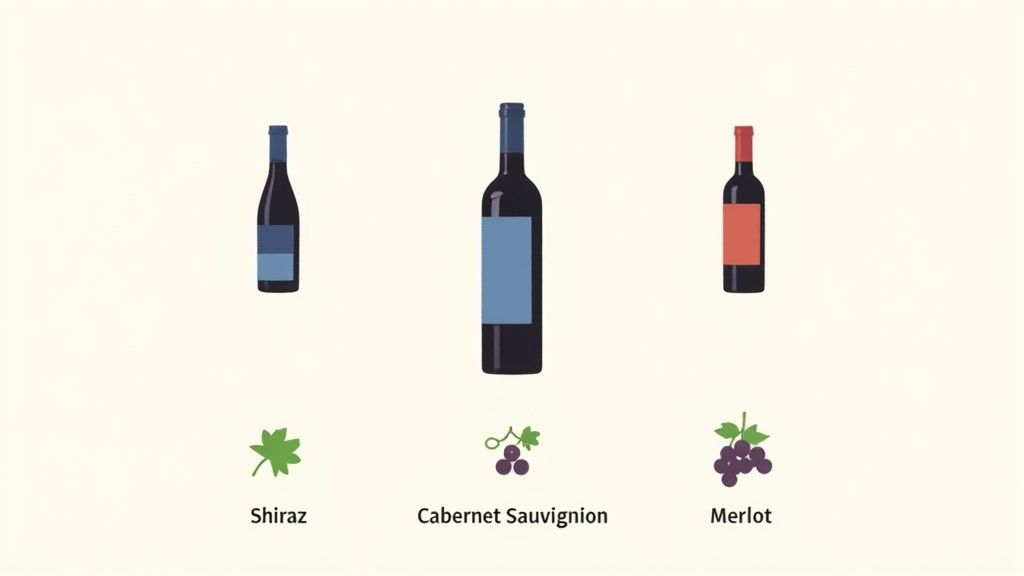
If you already enjoy a glass of red as part of a balanced lifestyle, knowing what to look for at the bottle shop can make a difference. Not all red wines are created equal when it comes to their antioxidant profile. A few key things from the grape itself to the winemaking style and even its age play a huge part in what ends up in your glass.
Think of it like choosing vegetables at the market. While they’re all good for you, some pack a much bigger nutritional punch. Understanding these differences means you can pick a wine that better aligns with your interest in those beneficial polyphenols we've been talking about, like resveratrol.
Selecting Varietals High in Polyphenols
The grape varietal is your starting point. Those powerful antioxidants in red wine come from the grape's skin, seeds, and stems. It stands to reason, then, that grapes with thicker skins, more seeds, and a deep, dark colour tend to produce wines with higher polyphenol levels.
These types of grapes need to spend more time fermenting with their skins on to extract all that rich colour and flavour. This process also happens to draw out more of the good stuff.
Here are a few top contenders to keep an eye out for:
- Shiraz (Syrah): Bold expressions, like those from McLaren Vale, are a fantastic choice. The grapes are known for their thick skins, producing robust, full-bodied wines brimming with antioxidants.
- Cabernet Sauvignon: Another thick-skinned classic, this grape consistently makes wines with high levels of procyanidins and other polyphenols.
- Merlot: A popular and approachable drop that still offers a healthy dose of beneficial plant compounds.
- Pinot Noir: Don’t let its thinner skin fool you. The cool climates where Pinot thrives can encourage the grapes to produce high concentrations of resveratrol as a natural defence mechanism.
To help you choose, here's a quick comparison of some popular red wine varietals and their typical antioxidant profiles.
Red Wine Varietals and Polyphenol Content
This table gives you a general idea of how different red wines stack up, helping you find a bottle that delivers on both flavour and those compounds you're looking for.
| Wine Varietal (e.g., McLaren Vale Shiraz) | Typical Flavour Profile | Relative Polyphenol/Resveratrol Content |
|---|---|---|
| Shiraz / Syrah | Blackberry, plum, black pepper, dark chocolate, spice | Very High |
| Cabernet Sauvignon | Blackcurrant, cherry, cedar, mint, dark chocolate | High |
| Merlot | Plum, black cherry, bay leaf, vanilla | High |
| Pinot Noir | Red cherry, raspberry, cranberry, clove, mushroom | High (especially in Resveratrol) |
| Grenache | Strawberry, raspberry, white pepper, subtle spice | Moderate |
| Sangiovese | Cherry, tomato leaf, leather, earthy notes | High |
| Malbec | Blackberry, plum, cocoa, sweet tobacco | Very High |
Remember, this is a guide. Winemaking techniques and the specific vineyard environment (the terroir) will also influence the final antioxidant content.
Why Younger Wine Can Be Better
This might sound a bit backwards in the world of wine, where age is often king. But when it comes to antioxidant power, younger is often better. While a beautifully aged Cabernet might develop incredible complexity, its antioxidant levels probably peaked years ago and have started to decline.
Compounds like resveratrol are quite delicate and can break down during the ageing process. That means fresh, vibrant red wines, enjoyed within a couple of years of their vintage, tend to hold onto higher concentrations of these compounds.
In fact, local research from Central Queensland University that looked at Australian and New Zealand wines found that trans-resveratrol levels dropped by a massive 76% on average after just 16 months in the bottle. So, if you're interested in the health side of things, a young, recently bottled red could be the smarter pick. You can read more about these findings on the benefits of younger red wines here.
Enjoying Wine Mindfully for a Better Experience
Beyond just picking the right bottle, how you enjoy your wine makes all the difference. The goal isn't to "drink for your health" but to weave a small pleasure into an already healthy and enjoyable lifestyle.
Pairing wine with food is the perfect way to do this. The Mediterranean diet, so often linked to studies on wine and health, doesn't involve drinking wine on its own. It's enjoyed alongside meals packed with vegetables, healthy fats, and lean proteins. This creates a wonderful synergy and can even help with digestion.
A mindful approach transforms a simple glass of wine into a more rewarding ritual. By savouring the aromas, flavours, and textures, you slow down and appreciate the moment, shifting the focus from quantity to quality.
This simple practice naturally encourages moderation. When you treat wine as a complement to a great meal or a special moment, you’re far less likely to overdo it. This is the cornerstone of a healthy relationship with wine, ensuring it stays a source of pleasure, not a risk.
Your Questions About Red Wine and Health, Answered
Let's be honest, the conversation around red wine and its health benefits can be confusing. One day you hear it’s good for you, the next you're told to avoid it. We get it. To cut through the noise, we’ve tackled some of the most common questions we hear.
Think of this as a straightforward chat to clear up any confusion, so you can feel good about the choices you make for your own health and lifestyle. Let’s dive into what the science actually says.
Is Red Wine Genuinely Good For Your Heart?
While some studies have pointed to a link between moderate red wine drinking and a lower risk of heart disease, it's definitely not a magic potion. The theory is that powerful antioxidants like resveratrol can help improve cholesterol and keep blood vessels healthy.
But it’s important to keep this in perspective. An active lifestyle and a balanced diet have a far bigger and more proven impact on your heart health. A glass of red wine is best seen as a small, enjoyable bonus—not a core health strategy.
How Much Red Wine Is Considered a Moderate Amount?
If there’s one word to remember here, it’s moderation. Australian health guidelines are clear: a moderate amount is generally no more than one standard drink per day for women and up to two for men, with a few alcohol-free days each week.
And what's a "standard drink" of red wine? Just 100ml. That’s often a lot smaller than the generous pour you might get at a restaurant or serve at home. Going over this amount regularly wipes out any potential benefits and starts to increase health risks.
It helps to remember that a standard 750ml bottle of red wine (at 13.5% alcohol) contains about 8 standard drinks. Keeping that number in mind makes it easier to track what you're drinking and stay within low-risk guidelines.
Does the Type or Age of Red Wine Really Matter?
Yes, it can actually make quite a difference. Red wines made from grapes with thicker skins, like Shiraz, Cabernet Sauvignon, and Malbec, usually have higher levels of those beneficial polyphenols. The magic happens during fermentation when the juice spends more time in contact with the skins, soaking up all those compounds.
Interestingly, some research also suggests that younger red wines pack more of a resveratrol punch than older, aged ones. These delicate antioxidants can break down over time. So, if you're looking to maximise those potential health perks, a young, full-bodied red is often your best bet.
Can I Get the Same Benefits Without Drinking Alcohol?
Absolutely, and it's a much safer and more reliable way to look after your health. The fantastic antioxidants in red wine aren’t exclusive to the bottle. You can find a rich supply of resveratrol and other polyphenols in plenty of delicious foods.
For a powerful antioxidant boost without any of the risks of alcohol, try adding these to your diet:
- Red and purple grapes: The original source! Eating the whole fruit gives you fibre, too.
- Blueberries and raspberries: These berries are antioxidant superstars.
- Peanuts and pistachios: A great way to get resveratrol in a handy snack.
- Dark chocolate and cocoa: Another tasty source of potent polyphenols.
Choosing these whole foods gives you all the antioxidant power you're after, with none of the downsides that can come with drinking alcohol.
What About Sulphites and Red Wine Headaches?
Lots of people point the finger at sulphites for that infamous "red wine headache," but they're rarely the real villain. Sulphites are naturally present in wine and are also added as a preservative, but a true sulphite allergy is very uncommon.
More recent science suggests another compound might be to blame: quercetin. It's a flavonoid found in red wines that can mess with how your body processes alcohol, leading to a build-up of a toxin called acetaldehyde, a well-known headache trigger. Grapes that get more sun exposure tend to produce more quercetin, which could explain why some reds are more likely to cause a headache for sensitive people than others.
At McLaren Vale Cellars, we believe enjoying wine is about pleasure, knowledge, and an appreciation for true quality. Whether you’re searching for a young, vibrant Shiraz bursting with flavour or a timeless Cabernet Sauvignon, our selection represents the very best of our incredible region. Explore our collection and find the perfect bottle to complement your healthy lifestyle. Discover our range of premium McLaren Vale wines today.


Comments (0)
There are no comments for this article. Be the first one to leave a message!