
You're standing in front of a shelf or a wine list, trying to choose between Champagne, Prosecco, and one bottle with a label that looks more serious than the rest. The bubbles all seem similar at first glance, but the price, the wording, and the style cues are pointing in different directions. Pinot Noir sparkling wine sits right in that awkward, fascinating middle ground, part familiar, part niche, and far more important than most glossy roundups make it sound.
For Australian drinkers, it's not just a curiosity. It's a category built on cool-climate fruit, bottle-fermented craft, and a grape that gives sparkling wine both shape and flavour. Once you know how to read it, the whole style stops feeling mysterious and starts feeling useful.
What Pinot Noir Sparkling Wine Is
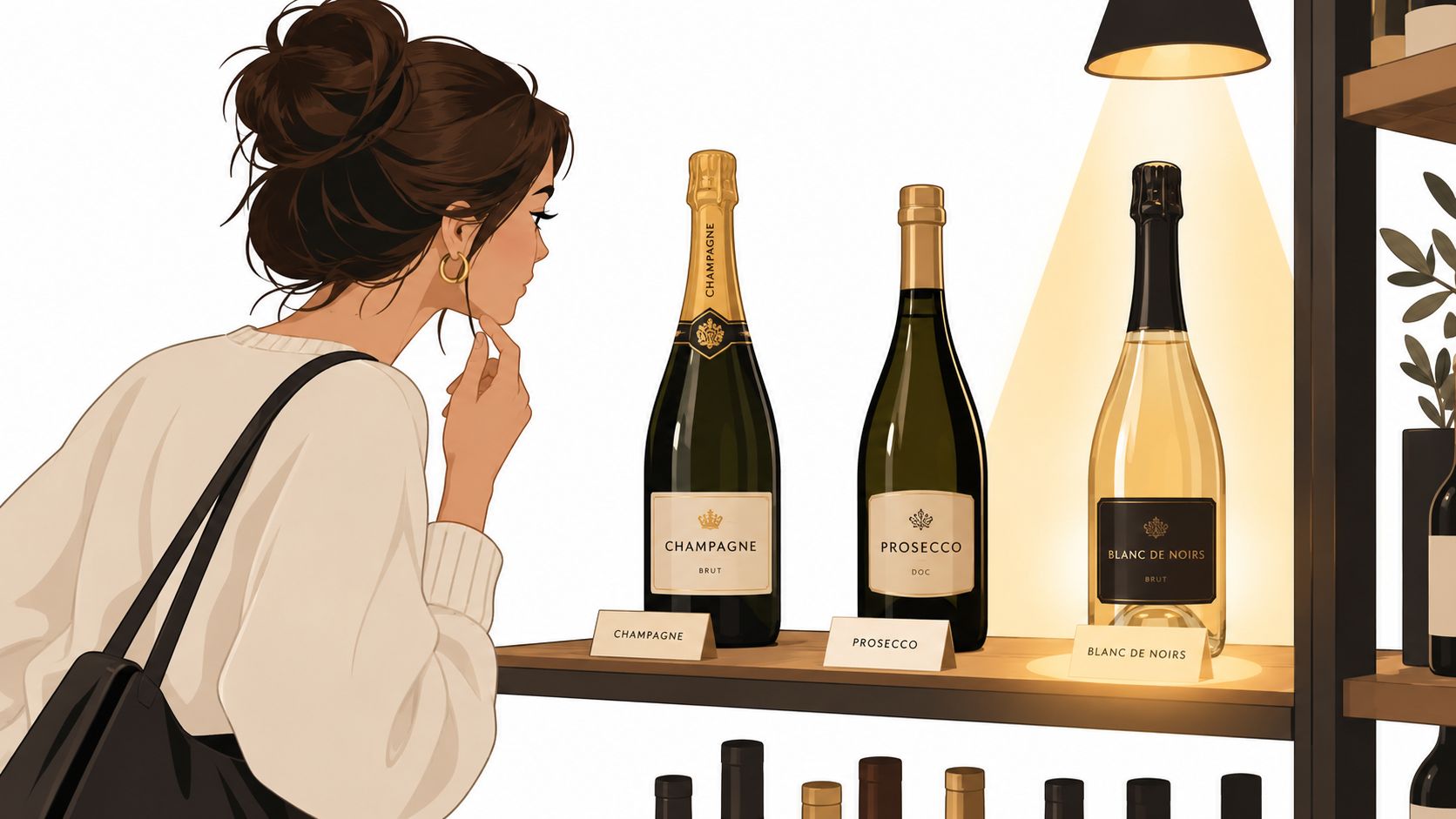
A bottle can look unfamiliar on the shelf and still follow a very clear idea. Pinot noir sparkling wine is sparkling wine built around Pinot Noir, either as the main grape or as part of a blend. It may appear as a blanc de noirs, which means “white from black grapes”, or as a rosé with a faint blush from brief skin contact or blending. The style changes, but the grape's influence stays central.
Pinot Noir matters in sparkling wine because it gives shape. It brings natural acidity, which keeps the wine lively, and its dark skins hold most of the colour, while the juice stays pale when the grapes are pressed gently. That is why the same grape can produce a white, pale, or lightly coloured sparkling wine without losing its character. The result often feels firmer and more structured than a softly fruity fizz, while still offering more generosity than a severe style.
The names on the label
The terminology can look more complicated than it is.
Practical rule: if the label says blanc de noirs, expect a white sparkling wine made from dark grapes, often Pinot Noir.
A blanc de blancs follows the opposite idea, a white sparkling wine made from white grapes, usually Chardonnay. A rosé sparkling wine gets its colour from brief skin contact or a red component in the blend. A traditional-method blend is the wider category, where one or more base wines are assembled before the second fermentation.
If you are comparing bottles on a shelf, start with those clues. They tell you more than the branding does, and they give you a quick map before the cork comes out. For a broader overview of fizz styles, see this guide to sparkling wines beyond Champagne (https://mclarenvalecellars.com/blogs/articles/a-guide-to-sparkling-wines-bubbles-beyond-champagne).
How Pinot Noir Becomes Sparkling
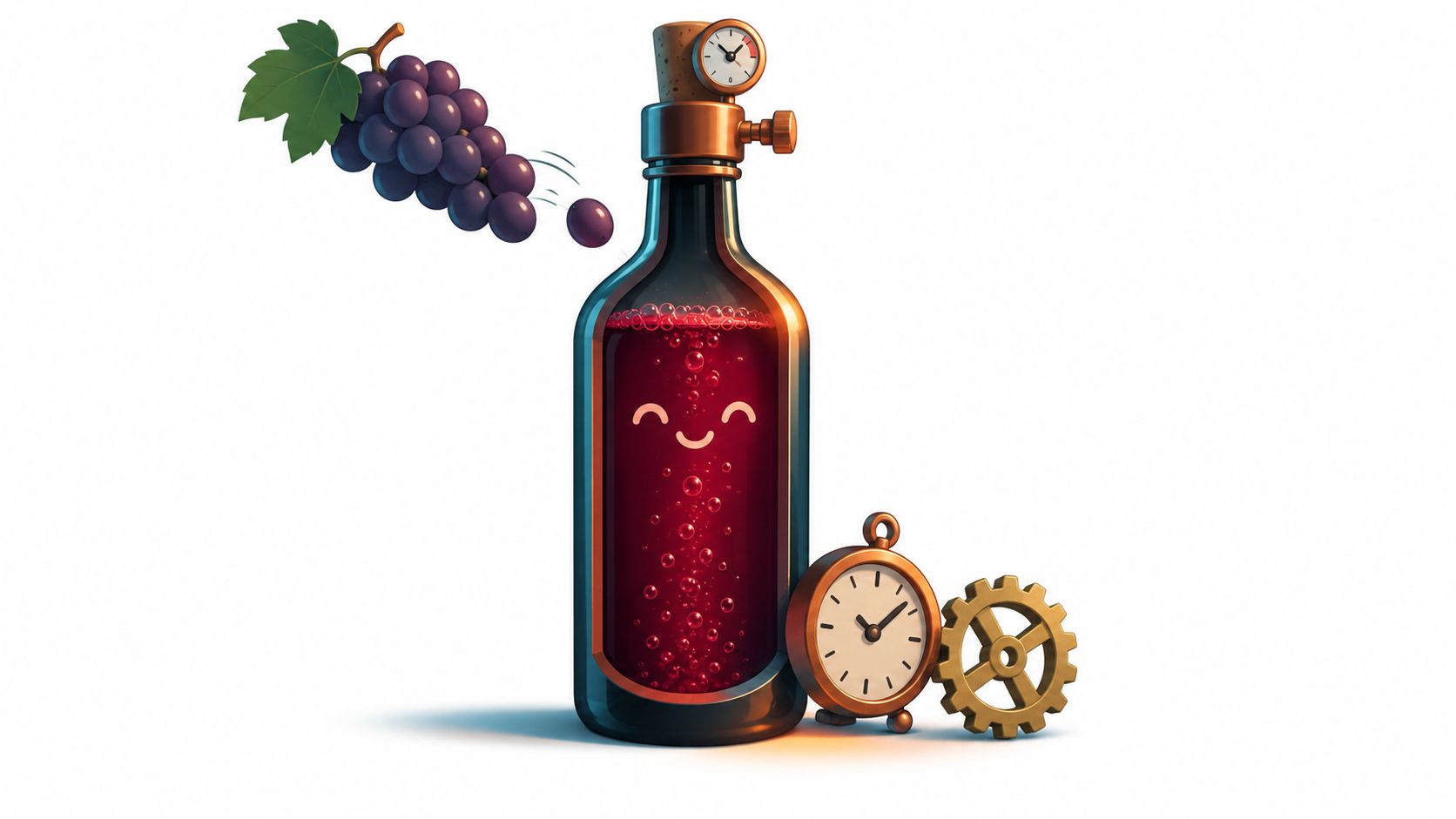
Think of sparkling wine production like putting a lid on a simmering pot. The grapes are harvested early, when acidity is still bright, then they're pressed gently so the juice stays pale and clean. That pale juice is one reason Pinot Noir works so well for sparkling wine, the colour lives mostly in the skins, not the liquid.
From grape to base wine
The first wine made from that juice is the base wine, which is usually leaner and less showy than the final bottle. Winemakers often blend different parcels here, choosing fruit for structure, acid, and balance rather than obvious flavour. In Australia, that decision is especially important because sparkling styles need freshness, not full ripeness. The aim is to keep the wine stable and bright enough to survive a second fermentation.
That second fermentation is where the pressure builds. Yeast and sugar are added, the wine is sealed, and the yeast eats the sugar inside the bottle or tank. Carbon dioxide gets trapped, and the bubbles are born.
The main pathways
There are three broad routes you'll see in sparkling wine:
- Traditional method: the second fermentation happens in the bottle, which usually gives the finest, most persistent mousse.
- Tank method: the second fermentation happens in a sealed tank, which tends to preserve fresher fruit and softer bubbles.
- Carbonation: carbon dioxide is added directly, which gives a simpler, less layered fizz.
For Pinot Noir, the style choice matters as much as the grape. A blanc de noirs is usually made by pressing the grapes lightly and keeping colour extraction low. A rosé may get its colour from a short skin soak or from blending in still red wine. Both can work beautifully, but they taste different because the winemaker has chosen a different path, not because the grape changed.
The finishing stage matters too. Lees ageing means the wine rests on dead yeast cells after fermentation, and that contact softens the texture and adds a creamier feel. When the sediment is removed, that's disgorgement. In plain language, it's the cleanup step before the wine is released.
The longer the wine rests on lees, the more the texture leans creamy rather than merely fizzy.
Reading the Glass and the Label
Pinot Noir sparkling wine often feels more layered than one-note. The mousse, which is the texture of the bubbles, can be creamy, brisk, or almost pinprick fine. A finer bead usually suggests bottle fermentation and more time in the cellar, while softer bubbles often point to a fresher, lighter style.
What your senses are telling you
The aroma can move in several directions at once. You might get red berries, especially strawberry or cranberry, then a little citrus peel, then something breadier like brioche, toast, or almond. Those savoury notes usually come from time on lees, not from heavy oak or sweetness. If the wine smells more like fruit salad than pastry, it's probably aiming for freshness over complexity.
Acidity is the spine. In sparkling wine, high acid keeps the palate awake and makes food pairing easier. Structure is the last piece, and it's the one many beginners miss. A wine with more structure feels broader and more serious on the finish, while a lighter wine disappears faster and asks for less food.
| Pinot Noir Sparkling Wine: What Your Senses Pick Up | What You Notice | What It Signals | Food Pairing Cue |
|---|---|---|---|
| Mousse | Fine, persistent bubbles | Bottle fermentation, lees contact, polished texture | Oysters, sashimi, canapés |
| Aroma | Red berries, citrus pith, brioche, almond | Pinot character plus ageing development | Salmon, roast chicken, soft cheeses |
| Acidity | Mouth-watering freshness | Food-friendly structure, cleaner finish | Salted snacks, seafood, fried foods |
| Structure | Length, grip, a more serious finish | Better blending, time on lees, sometimes vintage intent | Duck, richer poultry, aged cheese |
Label words help too. Brut means dry, extra brut means even drier, and vintage means the wine comes from one harvest year rather than a multi-year blend. If you prefer sharper, more savoury fizz, lean toward the drier end. If you want roundness and ease, a little dosage can make the wine feel more forgiving at the table.
The Australian Sparkling Story
A cellar door tasting in Australia can reveal how far sparkling wine has travelled. A glass poured in the mid-1980s might once have seemed experimental. Today, it can represent a deliberate regional style, with Pinot Noir at its centre.
Wine Selectors identifies 1984 as a key milestone. Seppelt used Pinot Noir from its cold Drumborg vineyard in far-southwest Victoria to produce the first Salinger sparkling wine. The release later won wine shows across the country, demonstrating that Australian fizz could be judged on site, fruit quality, and winemaking intent. Read the full history of Australian sparkling wine for more context.
Why Pinot Noir found a home here
Pinot Noir needs suitable conditions to retain freshness, especially when it forms the base of a sparkling wine. Australia gradually identified cooler sites that could preserve the grape's acidity while allowing its fruit and texture to develop. Wine Australia notes that Pinot Noir has been used in Australian sparkling wine since the 19th century, while commercial production grew from the 1970s as producers found cooler locations for the variety.
That development gave Pinot Noir a lasting role in the national category. It became one of the core grapes for serious sparkling wine, alongside the practical knowledge needed to make balanced base wines. The history is long, yet the modern emphasis on cool-climate viticulture is relatively recent.
The cellar-door moment that changed expectations
By the mid-1980s, a cellar door could pour sparkling wine made with deliberate intent. The question shifted toward regional character, and producers began targeting specific cool sites to express it.
Key idea: Australian sparkling Pinot Noir grew into importance because cool sites made the grape useful for serious bottle-fermented wine.
This history changes how the category should be understood. Pinot Noir sparkling wine is not a niche curiosity added to Australia's wine story. It is one of the foundations of that story, shaped by local conditions and producer choices. For a direct comparison of national styles, see this Champagne versus Australian sparkling wine comparison. That perspective also helps separate premium examples, where site and extended winemaking matter, from good-value bottles designed for freshness and immediate enjoyment.
Where the Best Examples Come From
Australia's Pinot Noir sparkling regions sit on a spectrum from cool and taut to warmer and more generous. The climate shapes whether the wine tastes like lemon pith and green apple, or strawberry, brioche, and softer red fruit. Latitude matters, altitude matters, and maritime influence matters too. Those are the forces that decide whether the grape keeps enough acid for a clean mousse and a long finish.
Cool, precise, and linear
Tasmania sits at the cool-climate end of the map. It tends to suit high-acid, slow-ripening fruit, which is exactly what traditional-method sparkling needs when the producer wants finesse rather than obvious ripeness. The Adelaide Hills also fits the precision end of the spectrum, with aromatic lift and clean fruit shape. Macedon Ranges and the Yarra Valley usually sit a little fuller in the middle, giving more mid-palate weight while still keeping enough freshness for sparkling use.
McLaren Vale belongs in the warmer maritime part of the story. It's not the first region people think of for austere sparkling, but that's exactly why it's interesting. Riper Pinot Noir can bring richer fruit and a more generous texture, which works well for sparkling rosé and blanc de noirs styles that aren't trying to taste like a northern European clone. If you're looking for a strawberry-led, rounder expression, that warmth becomes an asset rather than a drawback.
Flavour cues by region
| Australian Pinot Noir Sparkling Regions at a Glance | Climate | Pinot Noir Sparkling Style | Flavour Cue |
|---|---|---|---|
| Tasmania | Cool, slow-ripening | Fine, high-acid traditional method | Lemon pith, green apple, chalk |
| Adelaide Hills | Cool to moderate, high site precision | Aromatic, taut sparkling | White peach, citrus, almond |
| Macedon Ranges | Cool and elevated | Structured, fuller mid-palate | Apple skin, brioche, stone fruit |
| Yarra Valley | Cool with more flesh | Balanced traditional-method styles | Pear, toast, red apple |
| McLaren Vale | Warmer maritime influence | Riper rosé and blanc de noirs styles | Strawberry, cranberry, brioche |
If you're hunting for a sweet-looking jar of strawberry jam to pair with a fruit-led sparkling rosé, a pantry ingredient like strawberry jam with champagne makes the flavour logic easy to picture. It's not about matching sweetness to sweetness, it's about recognising how ripe red fruit sits beside bubbles.
Serving, Cellaring and Pairing with Confidence
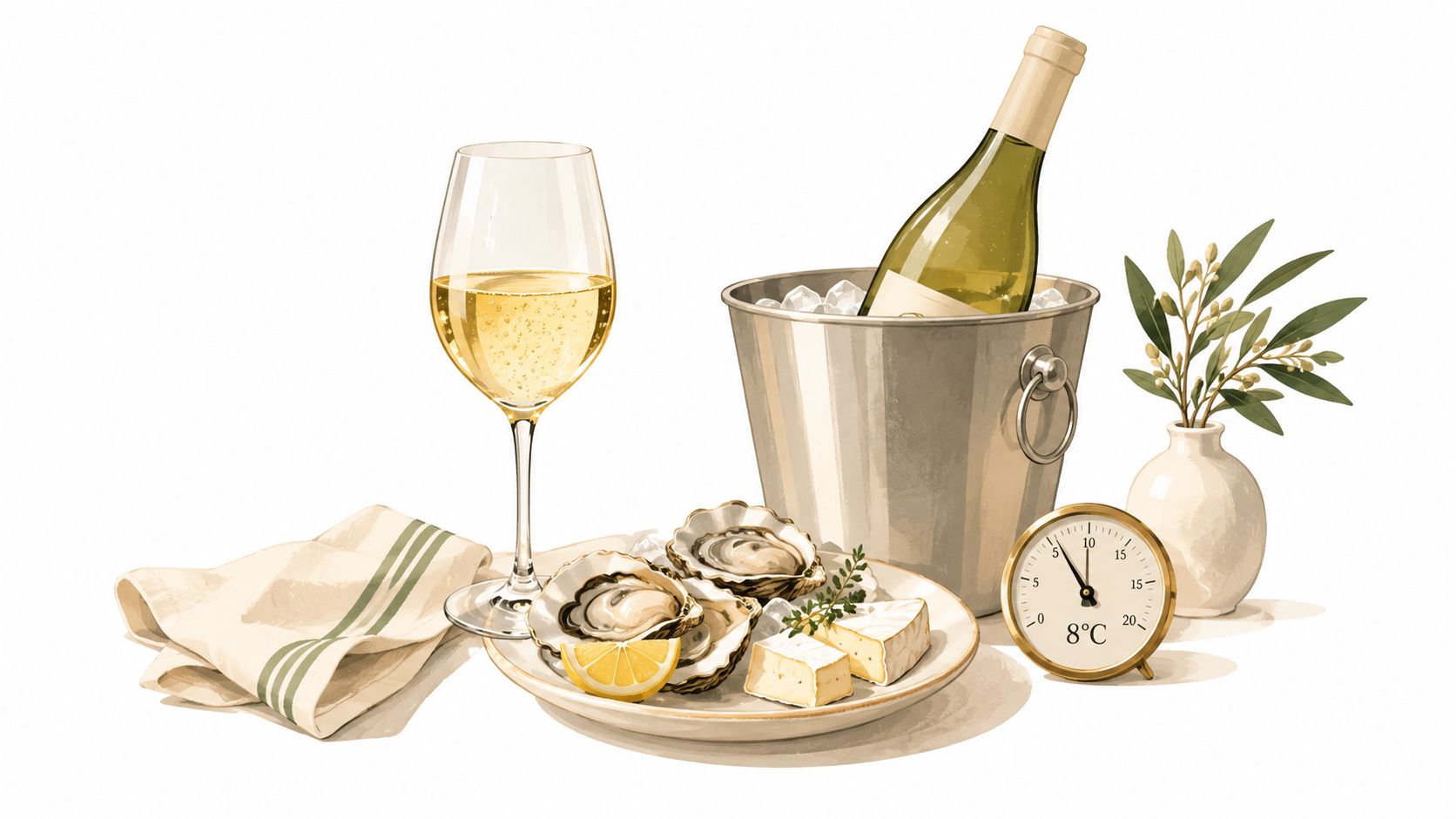
Serve most Pinot Noir sparkling wines cold, but not ice-cold. A vintage style usually shows better with a little more warmth in the glass than a fresh non-vintage bottle, because extra chill can mute the brioche and red-fruit detail. A white wine tulip shape usually beats a flute here, because it lets the aromas open without letting the bubbles vanish too quickly.
Drink it young or give it time
Short-term cellaring depends on structure. A wine with firm acid and a more restrained dosage can often benefit from a few years in bottle, especially if it already has some lees-derived depth. A softer, more fruit-forward bottling usually tastes better young, while the fresh red-fruit character is still front and centre. If you want creamier texture and savoury complexity, time helps. If you want brightness and energy, don't overthink it.
Food pairing by structure, not by category
Delicate blanc de noirs styles work well with oysters, sashimi, light poultry, and simple seafood dishes because the wine's acidity and fine mousse can refresh the palate without overwhelming it. Rosé styles usually have enough fruit weight for duck, salmon, charcuterie, or aged cheeses. That's the easiest rule to remember. Match the weight of the dish to the weight of the wine, then let acid do the cleaning.
Watch out for one thing: heavily charred or aggressively spiced food can flatten delicate bubbles and bury the wine's nuance.
For more practical serving ideas, this pairing guide for sparkling Pinot Noir with suggested foods in Australia is a useful companion. The logic is the same whether you're pouring it for a starter or a full dinner.
Buying Without Getting Burned
The shelf can trick you if you only look at the price tag. A polished label, heavy bottle, and celebratory branding don't automatically mean a better wine. The smarter move is to read for clues that tell you how the wine was made, how long it spent maturing, and whether the style matches the moment you've got in mind.
What the label is really saying
Traditional method or méthode traditionnelle usually means the wine earned its bubbles through bottle fermentation, which takes more labour and usually more time. Blanc de noirs tells you the wine is made from dark-skinned grapes like Pinot Noir, but pressed as a white-style sparkler. Non-vintage wines are blended from multiple years to keep a house style steady, while vintage wines come from a single harvest and often trade on more specific character.
Dosage matters too, even if the wording is tiny and tucked away. Brut nature and extra brut are the driest ends of the spectrum, while brut sits just a touch rounder. Extra dry is sweeter than brut, which catches people out, and sec shifts further toward sweetness. If you're matching the wine to salty food, stay drier. If you're serving fruit, pastry, or something with a little richness, a softer dosage can work better.
Price, prestige, and real value
The premium-versus-value question comes down to what you're paying for. Sometimes you're paying for vineyard pedigree. Sometimes you're paying for longer time on yeast. Sometimes you're paying for packaging that looks expensive before the cork even comes out. A serious traditional-method blend can outperform a pricier showpiece if the base fruit is better balanced.
Decision filter: don't buy the label, buy the style that fits the meal, the mood, and the sweetness level you want.
If you're shopping for a bottle, this is the checklist worth running:
- Style: Do you want crisp and linear, or riper and more fruit-driven?
- Sweetness: Do you want brut nature, brut, or something a little softer?
- Occasion: Is this for aperitif sipping or a full meal?
- Pairing: Will it meet seafood, poultry, duck, or cheese?
- Budget: Are you paying for method, age, or packaging?
McLaren Vale Cellars carries a range of sparkling styles, including a Sparkling Pinot Noir Rosé in six-bottle format, plus tasting guides that help you compare bottles before you buy.
Putting It All Together
Pinot Noir sparkling wine isn't a niche detour, it's a flexible category that rewards attention. Once you understand the grape's role, the winemaking method, the regional climate, and the sweetness level, the bottle stops being a gamble and starts becoming a choice. That is the genuine shift, from guessing to reading.
The next time you face that shelf moment, don't ask only which bottle looks impressive. Ask what it's trying to taste like, where the fruit came from, and whether the style suits the food in front of you. Try one bottle with two different dishes and pay attention to how the wine changes. That one habit will teach you more than any tasting note ever could.
If you'd like help choosing a bottle that suits your budget, food, and style preferences, visit McLaren Vale Cellars to explore sparkling options, regional wines, and practical tasting guidance. Their range and education tools make it easier to compare styles before you buy, especially if you want to learn by drinking rather than by memorising labels.

Comments (0)
There are no comments for this article. Be the first one to leave a message!