
Ever felt a bit puzzled staring at a bottle of Pinot Gris next to a Pinot Grigio? You're not alone. This fascinating grape is responsible for two of the planet's most beloved white wine styles, and believe it or not, they’re exactly the same grape.
Think of it as a talented actor playing two completely different characters. In one role, it's the zesty, light-hearted hero (that's your classic Italian Grigio). In another, it’s a rich, complex character with layers of hidden depth (the French Gris style). It’s the ultimate chameleon of the wine world.
The Global Superstar in Your Glass

This guide is all about untangling the story of this incredibly versatile grape. We’ll explore how it completely transforms its personality depending on where it’s grown, a quality that has made it a favourite from the lush vineyards of Alsace, France, to the sun-drenched hills of Italy and beyond.
Australia's Rising White Wine
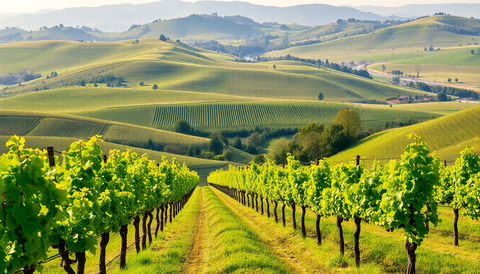
More recently, this grape has found a vibrant new home right here in Australia, where it's quickly becoming a certified star. Its popularity has absolutely surged, especially in premium spots like South Australia’s McLaren Vale, where our winemakers are crafting some seriously exciting and unique expressions.
This isn't just a fleeting trend. The grape has become so popular that it recently knocked Merlot off its perch to become the fifth most-crushed grape variety in Australia. It’s a huge milestone, marking the first time that three white varieties, Chardonnay, Sauvignon Blanc, and Pinot Gris/Grigio, have all secured spots in the top five. You can get more insights into the latest Aussie wine production figures on vinetur.com.
The name itself gives you a clue to its unique character. "Gris" and "Grigio" both mean "grey," a nod to the grape's distinctive greyish-pink skin. This is pretty unusual for a white wine grape, which is normally green, and it hints at the complex flavours locked inside.
We'll take you on a journey from its European origins to its modern-day success in places like McLaren Vale. By the end, you'll see exactly what makes this pinot gris white wine so special and feel ready to pick out the perfect bottle for any occasion.
A Tale of Two Styles: Pinot Gris Versus Pinot Grigio

While they come from the exact same grape, Pinot Gris and Pinot Grigio are best thought of as two distinct personalities, shaped entirely by where they grow and how they’re raised. Think of it like a single variety of apple. One can be baked into a rich, spicy pie, while another is served up crisp and freshly sliced. Both are delicious, but they offer completely different experiences.
The name itself is the first clue. It translates to "grey pinecone" in both French (Gris) and Italian (Grigio), a nod to the grape's unique dusky-pink skin and the tight, cone-like shape of its bunches. But that’s where the similarities end. From here, winemakers in France and Italy take this grape in wonderfully different directions.
This split personality isn't an accident. It's a direct result of terroir, that magic combination of climate, soil, and tradition, and the specific choices made in the winery. Getting to know these two classic expressions is the key to appreciating the full spectrum of this exceptional pinot gris white wine.
The Luscious French Pinot Gris
When you see "Pinot Gris" on a label, it’s usually tipping its hat to the French style, made famous in the Alsace region. Tucked away on the border of Germany, Alsace has a cool but remarkably sunny and dry climate, which lets the grapes ripen slowly and completely. This extended "hang time" on the vine is crucial.
This long, lazy ripening process builds concentrated sugars and incredibly complex flavour compounds. The resulting wines are often richer, more full-bodied, and have a wonderfully oily or viscous texture that feels luxurious on the palate.
Expect to find notes of:
- Ripe stone fruits like peach, apricot, and nectarine.
- Tropical hints of mango and pineapple.
- Warming spices such as ginger, clove, and cinnamon.
- A distinct touch of honey or beeswax, especially in aged examples.
These wines can range from dry to off-dry and sometimes even lusciously sweet, but they're always propped up by a refreshing backbone of acidity. It’s a style that champions texture and aromatic complexity, creating a wine with impressive depth.
The Zesty Italian Pinot Grigio
Travel south to Italy, particularly to regions like Veneto and Friuli-Venezia Giulia, and you’ll meet the grape’s other identity: Pinot Grigio. Here, the goal is completely different. Winemakers typically harvest the grapes much earlier to lock in their natural acidity and fresh, vibrant fruit character.
The classic Italian approach is all about creating a wine that is light, dry, and exceptionally crisp. It's designed to be zesty and easy-drinking, the perfect aperitif or partner for a light meal.
This style is almost always fermented in neutral stainless-steel tanks to keep its profile clean and bright, steering clear of any oak influence. The flavour profile is a world away from its French cousin, favouring sharp, clean notes that wake up the senses. If you want to go deeper, you can explore the differences between Pinot Grigio and Pinot Gris in our detailed guide.
Common tasting notes for Pinot Grigio include:
- Crisp Green Apple: A signature flavour that gives it a crunchy, fresh feel.
- Lively Citrus: Think zesty lime, fresh-squeezed lemon, and tangy grapefruit.
- Subtle Orchard Fruit: Notes of pear and white peach often hum in the background.
- Mineral and Almond: A clean, stony minerality, sometimes with a delicate bitter almond note on the finish.
This is the style that took the world by storm with its straightforward, thirst-quenching appeal. It’s the ultimate expression of a bright and energetic pinot gris white wine.
Pinot Gris vs. Pinot Grigio At a Glance
To make it even clearer, here’s a simple side-by-side look at the two classic European styles. This table breaks down the key differences you can expect to find in the bottle.
| Characteristic | Pinot Gris (Alsace, France) | Pinot Grigio (Italy) |
|---|---|---|
| Primary Flavours | Peach, apricot, honey, ginger, almond | Green apple, lime, lemon, pear, nectarine |
| Body | Medium to Full-Bodied | Light-Bodied |
| Acidity | Medium | High |
| Texture | Oily, viscous, rich | Crisp, clean, zesty |
| Sweetness | Dry to Off-Dry (sometimes sweet) | Dry |
| Winemaking | Slow ripening, often aged on lees | Early harvest, stainless steel fermentation |
| Best Enjoyed | With richer foods like pork, roasted chicken, or spicy dishes | As an aperitif or with light seafood, salads, and pasta |
While winemakers around the world now produce both styles, understanding these French and Italian benchmarks is the perfect starting point for your Pinot Gris/Grigio journey.
How Australia Forged Its Own Path With Pinot Gris

While the French and Italians set the original benchmarks, Australian winemakers have penned their own exciting chapter in the Pinot Gris story. The grape’s journey down under is a classic tale of smart adaptation and a refusal to be boxed in, resulting in a uniquely Australian take on this beloved pinot gris white wine.
Instead of simply picking a side in the Gris versus Grigio debate, Aussie winemakers cleverly took inspiration from both. They leaned into the grape's chameleon-like nature to create wines that sit beautifully in the middle of the stylistic spectrum.
This quintessentially Australian style marries the zesty, refreshing acidity of Italian Grigio with the richer texture and aromatic complexity of Alsatian Gris. The result? A wine that is both vibrant and satisfyingly complex, perfectly suited to our climate and way of life.
The South Australian Engine Room
Australia’s success with this grape is powered by its premium cool-climate regions, with South Australia leading the charge. The state has become the undeniable hub for high-quality Aussie Pinot Gris and Grigio, a fact backed by some pretty impressive numbers.
South Australia's dominance is crystal clear, with the state crushing a massive 48% of Australia's total Pinot Gris/Grigio tonnage. While many grape varieties have seen their fortunes rise and fall, this white star has recorded remarkable double-digit growth, outpacing plenty of its rivals. It’s a clear sign of its soaring popularity with both growers and drinkers alike. You can dig into the full report on recent vintage stats from Wine Titles Australia.
This growth story shows just how perfectly the grape has settled into regions that offer that ideal balance of sunshine and cool relief. Places like the Adelaide Hills, Limestone Coast, and of course, McLaren Vale, provide the perfect conditions for developing bright acidity and expressive fruit flavours.
McLaren Vale: The Perfect Proving Ground
Tucked between the Mount Lofty Ranges and the Gulf St Vincent, McLaren Vale has a unique combination of climatic advantages that make it an exceptional spot for growing premium Pinot Grigio. The region thrives in a Mediterranean climate, warm, dry summers and cool, wet winters.
The secret weapon for McLaren Vale winemakers is the cooling afternoon sea breeze that rolls in from the gulf. This natural air-conditioning is vital during the ripening season. It slows everything down, allowing the grapes to hang on to their natural acidity while developing intense, concentrated flavours.
This balance is the key to achieving that signature Australian style. The warm sunshine builds ripe fruit character, think pear, nectarine, and a hint of spice, while the cool evenings preserve the zesty, mouth-watering freshness that makes the wine so incredibly drinkable.
On top of that, McLaren Vale is home to an incredible mosaic of soil types, from sandy loams to clay and limestone. This geological diversity gives winemakers a rich palette to work with, allowing them to craft wines with distinct character and complexity.
By harnessing these natural gifts, McLaren Vale's vignerons consistently produce world-class Pinot Grigio that is:
- Vibrantly Aromatic: Bursting with notes of crisp pear, green apple, and hints of jasmine or honeysuckle.
- Texturally Engaging: Often showing a subtle richness or weight on the palate that adds depth without ever feeling heavy.
- Refreshingly Crisp: Finishing with a clean, mineral-driven acidity that makes it an incredibly versatile food wine.
This skillful winemaking has firmly placed the region at the forefront of Australia's white wine scene. It’s proof that this European grape has found a truly authentic and delicious voice in the heart of South Australia, and a testament to how local terroir and thoughtful technique can create a style that is entirely its own.
How to Pair Food with Pinot Gris White Wine

This is where the real fun begins. Thanks to its dual personality, Pinot Gris offers a fantastic spectrum of pairing possibilities, making it one of the most versatile, food-friendly wines you can keep on hand.
The secret to a great match? It's all about lining up the style of the wine with the weight and flavour of your dish.
Think of it like this: a light, zesty Italian-style Pinot Grigio is your upbeat, daytime playlist, perfect for casual, fresh, and lively food. A richer, more textural Alsatian or Australian-style Pinot Gris is your sophisticated evening jazz, made for more complex and comforting meals. Getting it right elevates everything on the table.
Before you start pairing, take a moment to understand what's in your glass. Is it sharp with citrus and green apple, or leaning more towards ripe stone fruit and spice? Is it light and zippy, or does it feel more rounded and full in your mouth? Answering these questions will point you straight to the perfect culinary companion.
Pairing Crisp Italian-Style Pinot Grigio
The classic Italian Pinot Grigio, with its high acidity and clean profile, is a dream partner for light and delicate foods. Its zesty character acts like a squeeze of fresh lemon, brightening up flavours and cleansing the palate without ever stealing the show.
The golden rule here is to match intensity. The wine’s light body and subtle notes of green apple, pear, and lime are best suited to dishes that share a similar delicacy. A heavy, rich sauce would simply steamroll the wine, making its nuances disappear.
Here are some classic pairings for a lean and zesty Pinot Grigio:
- Fresh Seafood: Think freshly shucked oysters, grilled prawns, or a simple pan-seared fillet of snapper. The wine’s minerality is a perfect match for the brininess of the sea.
- Light Salads: A beautiful match for a salad with a lemon-based dressing, goat cheese, and fresh greens. The wine's acidity cuts through the cheese while complementing the veggies.
- Simple Pasta Dishes: Consider pasta tossed with garlic, olive oil, and fresh parsley, or a light seafood linguine. Our guide to pairing white wines with seafood and pasta has even more ideas.
- Sushi and Sashimi: The clean, palate-cleansing nature of Pinot Grigio makes it an excellent choice for raw fish, allowing the subtle flavours of the seafood to shine.
Matching Richer French and Australian Pinot Gris
When you step into the world of richer, more textural Pinot Gris, whether from Alsace or a modern Aussie example from McLaren Vale, the pairing rules shift. These wines bring more body, a softer acidity, and complex flavours of ripe stone fruit, honey, and spice. That extra weight means they can stand up to heartier and more flavourful dishes.
This style of pinot gris white wine is fantastic with food that has a bit of richness, creaminess, or even some mild spice. Its slightly oily texture and notes of ginger and apricot can complement a much wider range of cuisines, from classic European roasts to aromatic Asian fare.
The key takeaway is to use the wine's texture as your guide. If the dish has a creamy sauce, a buttery texture, or involves roasted elements, a richer Pinot Gris will harmonise with it beautifully, creating a seamless and satisfying pairing.
Explore these pairings for a fuller-bodied Pinot Gris:
- Roasted Poultry: Roast chicken or turkey with herbs is a timeless match. The wine has enough body for the meat, while its fruit notes complement the savoury flavours.
- Pork Dishes: From a simple pork loin with apple sauce to a richer pork belly, the wine's acidity cuts through the fat while its fruitiness complements the meat.
- Creamy Pastas: A carbonara, fettuccine alfredo, or a mushroom risotto will find a perfect partner in a textural Pinot Gris.
- Mildly Spiced Asian Cuisine: Think of a mild Thai green curry or Vietnamese dishes with fresh herbs. The wine’s hint of sweetness and ginger notes can handle a touch of chilli and aromatic spice.
For anyone looking to truly elevate their meals, mastering these pairings is a huge step. If you want to dive deeper, there are fantastic resources that can help you achieve fine dining at home by perfecting these crucial details.
Serving and Storing Your Wine Correctly
Getting the most out of your Pinot Gris is easy once you know a few simple tricks for serving and storing it. These aren't fussy rules, just practical tips to make sure every glass tastes exactly how the winemaker hoped it would, whether you're pouring a zesty Grigio or a richer Gris.
Temperature is probably the single most important factor. Serve a white wine too cold, and you’ll numb all its delicate aromas and flavours. Serve it too warm, and it can feel flat, heavy, and overly alcoholic. Each style of Pinot Gris has its own sweet spot.
Finding the Perfect Temperature
For the classic light, crisp Italian style of Pinot Grigio, you want it nicely chilled but not frozen solid. The perfect range is 6-8°C. This keeps its vibrant acidity front and centre, highlighting those refreshing notes of green apple and lime. It's the difference between a refreshing sip and a muted one.
For a more textural and aromatic Pinot Gris, like those from Alsace or the barrel-fermented styles from here in McLaren Vale, you can let it warm up a touch. Aim for a temperature around 10-12°C. This little bit of warmth allows the wine’s more complex aromas of stone fruit, honey, and spice to really open up and show off its rich, rounded texture.
A great rule of thumb is to pull your Pinot Grigio from the fridge about 20 minutes before you plan to serve it. For a richer Pinot Gris, give it 30-40 minutes to gently come up to the right temperature.
So, what about decanting? For almost all Pinot Gris and Grigio, you can skip it. These wines are all about fresh, primary fruit character, which is best enjoyed straight from the bottle.
The Myth of Youthful White Wine
There’s a common misconception that all white wine, especially Pinot Grigio, needs to be drunk as young as possible. While it’s true that the crisp, zesty Italian style is made for immediate enjoyment within a year or two of vintage, that’s not the whole story. For a deeper dive into these topics, our guide on unlocking the secrets of white wine temperature and cellaring offers more expert advice.
High-quality Pinot Gris, particularly from renowned regions like Alsace, can age beautifully. With a few years in the cellar, these wines evolve, swapping their primary fruit notes for incredibly rewarding complex, tertiary characteristics.
- Young Pinot Gris: You’ll find bright, forward fruit flavours like peach, apricot, and citrus.
- Aged Pinot Gris (5-10 years): Look for the development of notes like honey, ginger, beeswax, and toasted nuts. The texture also becomes richer and more viscous.
This ageing potential isn't just for European wines. Top-tier, barrel-fermented styles from regions like McLaren Vale can also evolve wonderfully. If you store it correctly, on its side in a cool, dark place with a consistent temperature, a well-made Pinot Gris can transform over a decade, offering a completely new and captivating tasting experience.
Discover Top Pinot Grigio from McLaren Vale
Now that we’ve journeyed through the different personalities of this incredible grape, it's time to bring it home and explore what makes McLaren Vale’s expressions so special. Our region has carved out a reputation for crafting exceptional pinot gris white wine that captures the best of both European worlds while adding a splash of Australian character.
To get you started, we’ve picked out a couple of standout styles that really tell the story of McLaren Vale. Think of this as your practical, delicious introduction to finding your next favourite white wine.
Style Spotlight One: The Quintessential Grigio
Many McLaren Vale winemakers lean into the zesty, refreshing Grigio style, and for good reason, it’s a perfect match for the Australian climate. These wines are all about vibrancy and clean, crisp fruit, making them dangerously easy to drink. They nail the bright acidity and upfront fruit of the Italian approach, but often with a touch more generosity on the palate.
A classic local example will hit you with lively aromas of Nashi pear, green apple, and a squeeze of fresh lime. It’s light-bodied and driven by a clean, mineral acidity that just makes you want to take another sip. This is your ultimate crowd-pleaser.
- Tasting Profile: Expect notes of fresh-cut pear, lemon citrus, and a subtle floral lift like honeysuckle.
- Best Paired With: Freshly grilled whiting, salt and pepper squid, or a light goat cheese and rocket salad.
- Style Connection: This is a clear nod to the Italian Pinot Grigio style, where freshness and vibrancy are king.
Style Spotlight Two: The Textural Gris
While the crisp Grigio style is a firm favourite, some of the most exciting wines from our region explore the richer, more textural Gris style. Here, winemakers might use techniques like stirring on lees (the spent yeast cells) or even a brief rest in older oak barrels to build complexity and a rounder mouthfeel, echoing the grand traditions of Alsace.
These wines offer a deeper aromatic profile, moving beyond simple citrus into riper stone fruits like white peach and apricot, often with a lovely touch of ginger or spice. The texture is the hero here; it feels weightier and more satisfying, making it a brilliant food wine that can stand up to bigger flavours.
This approach shows the grape's amazing ability to be more than just a simple thirst-quencher. It creates a thoughtful, layered pinot gris white wine with genuine depth and character, perfect for pairing with more substantial meals.
A textural Gris from McLaren Vale might offer:
- Tasting Profile: Richer notes of baked apple, nectarine, and a hint of almond or ginger spice on the finish.
- Best Paired With: Roast chicken with herbs, creamy pasta dishes, or even mildly spiced Thai curries.
- Style Connection: This aligns beautifully with the French Pinot Gris style, which champions texture, complexity, and aromatic depth.
Your Pinot Gris Questions, Answered
To wrap things up, let's tackle some of the most common questions we hear about this brilliant grape. Think of this as your quick-fire guide to feeling even more confident next time you’re choosing or pouring a bottle of pinot gris white wine.
Each answer is a simple, practical recap of what makes this chameleon grape so special.
Is Pinot Gris a Sweet or Dry Wine?
This is the big one, and the answer is simple: it can be both! It really all comes down to where it’s from and the style the winemaker is aiming for.
- Italian Pinot Grigio: This style is almost always crafted to be bone-dry. It’s famous for its zippy high acidity and crisp, super-refreshing character, with no sweetness in sight.
- French Pinot Gris: While many are dry, the Alsatian style can run the full gamut from dry to off-dry, and even lusciously sweet (look for "Vendanges Tardives" on the label). These richer wines often have a textural, almost oily mouthfeel that can give an impression of sweetness even when they're technically dry.
- Australian Styles: Most Aussie examples take their cues from the Italian style, leaning firmly towards the dry side but often with a more generous, sun-kissed fruit character.
Here's an easy way to think about it: if you want a guaranteed dry white wine, a classic Italian or Australian Pinot Grigio is your safest bet. If you enjoy a bit more richness and the potential for a touch of sweetness, start exploring the world of French Pinot Gris from Alsace.
What Colour Is Pinot Gris?
Here’s a fun fact: while it makes a white wine, the Pinot Gris grape itself has a unique greyish-pink or even coppery skin. It’s pretty unusual for a "white" grape, and the name "Gris" actually means "grey" in French, which gives you a clue.
The colour of the finished wine can range from a pale straw with hints of green to a much deeper golden yellow. Sometimes, if the juice has had a little time to hang out with the skins, it can even pick up a stunning coppery or pinkish tinge.
What Is the Difference Between Sauvignon Blanc and Pinot Gris?
While they're both hugely popular dry white wines, they couldn't be more different in personality. Sauvignon Blanc is the life of the party, it’s punchy, aromatic, and often has a distinctive "green" or herbal character. Think passionfruit, gooseberry, and freshly cut grass.
Pinot Gris, on the other hand, is more about texture and subtlety. Its flavours are centred on orchard and stone fruits like pear, apple, and white nectarine. While both are crisp, Sauvignon Blanc generally hits you with more upfront, zingy acidity and aromatic intensity.
Can You Visit Wineries in South Australia?
You absolutely can, and you absolutely should! South Australia is home to some of the planet's most acclaimed wine regions.
While McLaren Vale is a must-visit for its stunning coastline and exceptional wines, the state is full of incredible destinations. For instance, if you're planning a trip, you can explore what to do in the Barossa, another world-class region famous for its powerful Shiraz and rich history. Cellar doors across the state offer fantastic tastings, tours, and unforgettable dining experiences.
Here at McLaren Vale Cellars, we absolutely celebrate the vibrant and diverse styles this incredible grape can produce. Explore our hand-picked selection of premium Pinot Grigio and discover the perfect bottle to match any meal, mood, or occasion.
Shop our collection today and enjoy free delivery on all orders over $100 Australia-wide.


Comments (0)
There are no comments for this article. Be the first one to leave a message!