
You’re probably here in one of two moods. You either want a bottle that feels a bit more special than your usual weeknight pick, or you’ve heard the name Murdoch Hill Wines and want to know whether it’s worth your attention.
That’s a smart question to ask before you buy.
Murdoch Hill sits in the Adelaide Hills, and that matters because these wines are shaped by altitude, soil, and a cool-climate approach that leans towards freshness, detail, and structure rather than sheer weight. If that sounds technical, don’t worry. The easiest way to think about it is this: Murdoch Hill makes wines for people who like flavour with definition.
If you’ve ever stood in front of a wine shelf wondering whether to choose Chardonnay, Syrah, Pinot Noir, or Sauvignon Blanc, this guide is for you. I’ll walk through the story, the style, and the practical reasons you might choose one Murdoch Hill bottle over another, so you can buy with confidence and open it with a clear plan.
The Story Behind Murdoch Hill Wines
You’re standing in a bottle shop choosing between producers with polished labels and broad promises. Murdoch Hill gives you something more useful. It starts with a real farm, a defined home vineyard, and a style shaped by the conditions around Oakbank rather than by a marketing brief.
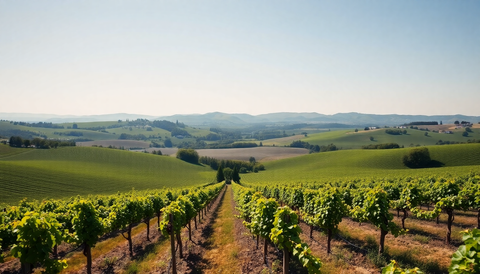
Murdoch Hill is run by brothers Michael and Andrew Downer on their family property in the eastern Adelaide Hills. Their estate vineyard covers 20 hectares at more than 335 metres above sea level, with soils that include sandy loam over schist and shale, plus pockets of sandstone, quartz, and ironstone, according to Legend Australia’s Murdoch Hill profile.
Why does that matter when you are choosing a bottle?
Because site works like a recipe's base ingredients. Before the winemaker decides on oak, fermentation, or blending, the vineyard has already set the tone. Higher Adelaide Hills sites often hold freshness more easily than warmer, lower areas, and mixed soils can add detail and shape. In practical terms, Murdoch Hill is a strong choice for buyers who want energy and definition in the glass, not just ripe fruit.

Why Oakbank suits this style
Oakbank is close to Adelaide, but it drinks very differently from warmer South Australian regions. Once altitude, slope, and exposure begin to shape the vineyard, the style shifts toward brighter acidity, finer structure, and more lift in the aroma.
If Adelaide Hills is still new territory for you, this guide to Adelaide Hills and McLaren Vale terroir differences helps explain why the same grape can taste firmer, fresher, and more tightly framed here.
That is useful at the shelf. If you usually enjoy wines that feel precise, brisk, or savoury, Murdoch Hill will likely make more sense to you than a richer, softer style from a warmer zone.
A family estate with a clear point of view
The family story matters because it gives the range a centre of gravity. Producers with a strong home site often make clearer choices. They are not trying to make every wine for every palate. They build from what their vineyards do well.
At Murdoch Hill, that shows up in the range across varieties and blends. Even when fruit comes from different sites, the wines tend to share a common thread of freshness, structure, and clarity. For a buyer, that consistency is reassuring. It means you are not guessing from bottle to bottle.
A wine such as the Murdoch Hill Red Blend 2021, made from Cabernet Sauvignon, Merlot, and Sangiovese, is a good example of that mindset as noted earlier. The blend suggests flexibility rather than formula. It points to a winery using local conditions to shape a balanced, food-friendly red with brightness and structure.
That is the inherent value of the Murdoch Hill story. It helps you predict the experience before the cork is pulled. If you want Adelaide Hills wine with a sense of place and a steady house style, Murdoch Hill is an easy producer to buy with confidence.
The Art of Cool Climate Winemaking
Good cool-climate wine doesn’t happen by accident. It takes restraint in the winery and confidence from the winemaker. Murdoch Hill’s style under Michael Downer shows that kind of control.
One of the clearest examples is Chardonnay, where the winery’s approach often includes full malolactic fermentation and around 45% new oak to build what the winery describes as “texture and gravitas”, with fruit drawn from the estate and selected sites in the Lobethal District, as outlined on the Murdoch Hill website.

What that means in the glass
Those terms can sound a bit winery-heavy, so let’s translate them into plain language.
- Full malolactic fermentation softens the sharper edge of acidity and can give Chardonnay a rounder, more settled feel.
- New oak adds spice, shape, and a creamy frame, but the goal here isn’t to bury the fruit.
- Blending fruit from more than one site helps maintain balance when one vineyard block leans riper, tighter, or more mineral than another.
The end result is a Chardonnay style that isn’t skinny and severe, but also isn’t clumsy. It has richness, yet it still moves.
For drinkers who enjoy modern Australian Chardonnay, that balance is often the deciding factor. If you’ve ever found one bottle too lean and another too buttery, Murdoch Hill’s method sits in the useful middle ground.
Precision over showiness
Murdoch Hill’s work is a good fit for people who value detail. The winery is often described as making contemporary Adelaide Hills wines, and that phrase makes sense once you taste through the range. The wines don’t rely on excess alcohol, heavy extraction, or oak for oak’s sake. They aim for line, clarity, and length.
If you enjoy finer-boned reds as well, this broader look at Australian Pinot Noir styles helps place Adelaide Hills winemaking in context.
A short visual overview can also help make the philosophy feel more tangible:
Good cool-climate winemaking isn’t about making wine taste less expressive. It’s about making every decision serve the fruit and the site.
That’s why Murdoch Hill can appeal to both newer drinkers and seasoned buyers. Beginners usually find the wines approachable because they’re fresh and composed. More experienced drinkers often appreciate the technical choices behind that ease.
Exploring the Signature Murdoch Hill Wines
You are at the shelf, or scrolling a product page, with a simple job. Pick the Murdoch Hill bottle that will suit your dinner, your budget, and the kind of drinker you are.
The useful question is not whether Murdoch Hill makes good wine. It is which wine in the range best matches what you enjoy. Murdoch Hill’s style is consistent, but the bottles play different roles. Some are bright and immediate. Some bring more texture. Some ask for a slower meal and a little more attention in the glass.
A quick way to sort the range is to treat it like choosing the right jacket for the weather. You are still choosing from the same wardrobe, but the occasion changes what feels right.
| Wine | Style | Key Flavours | Best For |
|---|---|---|---|
| Chardonnay | Textural, focused white | Citrus, mineral notes, orchard fruit, gentle oak spice | Roast chicken, richer seafood, drinkers who want freshness with depth |
| Rocket Chardonnay | Premium, precise Chardonnay | Taut fruit, acidity, mineral drive, layered oak complexity | Special dinners, gifting, cellaring curiosity |
| Syrah | Elegant cool-climate red | Dark fruits, spice, fine tannin, savoury lift | Lamb, duck, cooler evenings |
| Pinot Noir | Lighter framed red | Red berries, subtle spice, earthier nuances | Mushroom dishes, charcuterie, flexible food pairing |
| Sauvignon Blanc | Bright, refreshing white | Lifted citrus, herbs, crisp fruit | Seafood, salads, aperitif drinking |
| Red Blend | Structured but approachable red | Cabernet shape, Merlot softness, savoury Sangiovese edge | Mixed dinners, versatile red drinkers |
Rocket Chardonnay as the clearest expression of the house style
If you want one bottle that explains Murdoch Hill’s philosophy in practical terms, Rocket Chardonnay is the clearest place to start. It is the wine for buyers who like precision, but still want flavour and shape. In the glass, that usually means a Chardonnay with tension first, then texture, rather than a broad, buttery style that shows all its cards straight away.
The technical details matter here because they help explain the taste. Fruit from a higher, cooler site tends to hold acidity and definition. Larger-format oak and careful oak use can frame the wine without making it taste woody. Native-yeast fermentation often adds a little more savoury detail and complexity. For a shopper, all of that translates into one useful expectation. Rocket is a bottle for people who want focus, length, and a wine that keeps opening up through dinner.
It is also the bottle to choose when the wine is part of the event, not just something to pour alongside it. A birthday meal, a thank-you gift, or a table where people will notice what is in the glass all suit Rocket well.
Buying shortcut: Choose Rocket Chardonnay when you want Murdoch Hill at its most refined and age-worthy, with enough detail to reward slow drinking.
How to choose across the rest of the range
The standard Chardonnay is often the smartest first buy. It gives you the Murdoch Hill signature of freshness and control, but in a more everyday register than Rocket. If you like white wine with shape, and you want enough weight for roast chicken, creamy sauces, or richer seafood, this is a safe and satisfying entry point.
Sauvignon Blanc sits at the other end of the white spectrum. It is the bottle for warm afternoons, simple seafood, salads, or pre-dinner pouring. Buyers who want energy, citrus, and refreshment usually land here first.
The reds divide neatly by body and mood.
Syrah is the bottle for drinkers who enjoy spice, savoury edges, and a finer frame than full-throttle Australian Shiraz. If your usual red is starting to feel too heavy, Murdoch Hill Syrah can be a very smart pivot. You still get flavour, but the wine moves with more ease across the palate.
Pinot Noir is lighter again. It suits buyers who want red fruit, gentle earthiness, and softer tannin. It is also one of the easiest bottles in the range to pair because it can sit happily beside mushrooms, charcuterie, roast poultry, or dishes that would overpower a delicate white but do not need a firm, dense red.
The Red Blend is the practical all-rounder. Cabernet gives it shape. Merlot rounds the middle of the palate. Sangiovese brings a savoury edge that helps at the table. If you are buying one red for a mixed group, or for a meal where the menu is still not fully decided, this is often the least risky choice.
A simple first-bottle guide
If you are still deciding, start with the style you already enjoy most.
- You like crisp, lively whites. Start with Sauvignon Blanc.
- You like white wine with more texture and food range. Start with Chardonnay.
- You want the most serious white in the range. Choose Rocket Chardonnay.
- You enjoy refined reds with spice and savoury detail. Pick Syrah.
- You prefer lighter reds with flexibility at the table. Try Pinot Noir.
- You need one red that can please a group. Go for the Red Blend.
That approach works because Murdoch Hill’s philosophy shows up differently in each bottle, but the buyer benefit stays consistent. You get clarity, balance, and wines that are easier to match to real meals and real occasions. Once you know which part of the range fits your habits, choosing the right bottle becomes much simpler.
Awards Recognition and Ageing Potential
Recognition matters most when it confirms what the wines already suggest in the glass. Murdoch Hill has that kind of credibility.
The winery won the best small winery trophy at the Adelaide Hills Regional Wine Show in 2020, and its red blends have consistently received 90 to 95 point scores. The 2023 The Landau Syrah has also been highly rated by James Halliday’s Wine Companion, according to Wine Companion’s Murdoch Hill listing.

Why awards help a buyer
Awards don’t tell you what your palate should like. They do tell you that the winery is operating at a high standard. That’s especially useful if you’re buying for a gift, planning a dinner, or stepping into the range for the first time.
With Murdoch Hill, the pattern of recognition supports a simple conclusion. This is not a one-hit winery with a single standout label. It’s a producer with a broader reputation for quality.
Which wines to drink now and which to hold
Not every bottle needs cellaring. In fact, some wines are best enjoyed for their freshness and immediacy.
A simple way to think about Murdoch Hill is:
- Drink earlier for Sauvignon Blanc and many lighter styles where lift and brightness are part of the appeal.
- Hold if you like development for Syrah and the more serious Chardonnays, especially if you enjoy savoury complexity.
- Use judgement with blends because a structured red blend can be satisfying young but may also reward patience if you prefer more integrated tannin.
Some buyers overthink ageing. If you love primary fruit and energy, opening a good wine young isn’t a mistake. It’s a preference.
A significant benefit of Murdoch Hill’s stronger bottles is the choice they offer. You can enjoy them on release for freshness and shape, or wait for more layered, mellow detail to emerge.
Serving and Pairing Your Murdoch Hill Wine
A well-chosen bottle can still underwhelm if it’s served too cold, too warm, or alongside the wrong food. Murdoch Hill wines reward a little attention, but nothing fussy.
Simple serving rules that work
For whites, chill them enough to feel fresh, but not so cold that all the aroma disappears. Chardonnay especially benefits from a few minutes out of the fridge before pouring. That lets the texture and oak detail show properly.
For reds, aim for cool room temperature rather than a warm kitchen bench. Syrah and red blends usually show better when they’re not overheated, because cooler serving helps preserve their line and spice.
If a red seems tight at first pour, give it air. A brief decant or even a generous swirl in the glass can help.
Cellar door advice: If you can smell the oak more than the fruit, the wine is probably too cold. If the alcohol stands out first, it’s probably too warm.
Food matches by wine style
Murdoch Hill’s range is easy to pair because the wines are generally balanced and food-friendly.
- Sauvignon Blanc works well with oysters, grilled prawns, fish tacos, or a goat’s cheese salad.
- Chardonnay suits roast chicken, creamy pasta, pan-fried fish, or pork with apple.
- Rocket Chardonnay deserves a slightly more deliberate match. Think lobster, roast poultry, or a mushroom dish with buttery richness.
- Pinot Noir is lovely with duck, mushroom risotto, or a charcuterie board.
- Syrah shines with grilled lamb, venison, or eggplant dishes with spice and smokiness.
- Red Blend is the flexible one. It’s a natural fit for roast meats, hard cheeses, or a mixed table where one bottle needs to please several palates.
When to open which bottle
Use occasion as much as food.
Choose Sauvignon Blanc for hot afternoons and easy lunches. Open Chardonnay when dinner has a bit more substance. Pull Syrah or the Red Blend when the meal is slower and the conversation lasts.
That way, the wine isn’t just technically matched. It feels right for the moment too.
Your Guide to Buying Murdoch Hill at McLaren Vale Cellars
Once you know the style, buying gets much easier. Instead of browsing by label alone, you can match a Murdoch Hill wine to the role it needs to play in your life.
Start with the occasion. If you need a fresh white for relaxed drinking, look towards Sauvignon Blanc. If dinner is the focus and you want more detail, Chardonnay is the safer first pick. If it’s a gift, a dinner-party bottle, or something you want to talk about around the table, Rocket Chardonnay or a strong Syrah release makes more sense.
A practical buying approach
You don’t need to build a cellar all at once. A smarter way is to buy by purpose.
- For easy midweek drinking, choose the more immediately expressive styles.
- For dinner parties, pick wines with broader food flexibility such as Chardonnay or the Red Blend.
- For wine-interested friends, choose a bottle that tells a stronger site story, such as Rocket Chardonnay or a single-vineyard Syrah.
- For your own learning, buy across styles rather than buying multiples of one bottle first.
That last point matters. Murdoch Hill is a producer worth exploring comparatively. Tasting their white and red styles side by side often reveals the house character more clearly than drinking one bottle in isolation.
How to shop more confidently
If you’re buying online, it helps to lean on education and buyer support rather than trying to decode every label detail yourself. A retailer with tasting guides, mixed packs, and a clear service policy removes a lot of the risk from trying a producer for the first time.
This overview of South Australia’s online wine buying experience at McLaren Vale Cellars gives a useful sense of how curated buying tools and educational content can help narrow your options.
A few practical habits make the process smoother:
- Read for style, not prestige alone. A flagship bottle isn’t automatically the best first bottle for you.
- Buy for the meal you cook. Chardonnay might outperform red if your table leans towards poultry, seafood, or creamy dishes.
- Use mixed selections when unsure. They’re often the fastest route to learning what your own palate enjoys.
- Keep one bottle for comparison. If you love a Murdoch Hill wine now, buying another to open later can teach you whether you enjoy youthful freshness or more development.
For most shoppers, the best Murdoch Hill purchase isn’t the most expensive bottle. It’s the one that fits your palate, your table, and your reason for opening it.
Frequently Asked Questions About Murdoch Hill
Is Murdoch Hill an organic producer
Murdoch Hill is described in the verified material as operating an organic vineyard in the Adelaide Hills. That matters if you prefer wines connected to thoughtful farming and site expression.
Where is the cellar door
The verified information notes that the tasting room is open 11am to 4pm Thursday to Tuesday and that the estate is behind Oakbank in the Adelaide Hills. If you’re nearby, that gives you a direct way to taste the wines in context.
Is Murdoch Hill Syrah different from Shiraz
Yes, at least in style language. In Australia, producers sometimes use Syrah when they want to signal a more refined, cool-climate, savoury expression rather than a fuller, richer style often associated with Shiraz. Murdoch Hill’s use of Syrah points buyers towards elegance and spice.
What’s the best first bottle to try
If you love white wine, start with Chardonnay. If you prefer red, start with Syrah or the Red Blend. If you want to see the premium end of the range, Rocket Chardonnay is the clearest statement bottle.
If you’re ready to taste murdoch hill wines for yourself, McLaren Vale Cellars is a practical place to start. You can browse South Australian favourites with the support of tasting guides, a Taste Guarantee, and Australia-wide delivery on eligible orders, so it’s easier to choose a bottle that suits your table, your budget, and your palate.

Comments (0)
There are no comments for this article. Be the first one to leave a message!