
Mixed wine cases offer a practical solution for shoppers who want bottles for tonight, bottles for later, and a few options that also work as gifts. They are useful because they let you buy with the curiosity of a newcomer and the planning of someone who wants value, variety, and fewer last-minute decisions.
That matters in a market where supply can shift quickly. Wine Australia's production, sales, and inventory reporting points to changing stock levels and a tighter supply picture, which helps explain why retailers use mixed cases to move wine efficiently, balance different styles, and keep buyers interested when buying patterns change. For readers who want a practical starting point, discover the best mixed wine packs in Australia is a useful companion read.
Understanding Mixed Wine Cases
A mixed wine case is best thought of as a curated playlist. A good playlist doesn't repeat the same song over and over, it shifts pace, mood, and texture while still feeling coherent. A good case does the same thing with wine, balancing reds, whites, and sometimes sparkling styles so the bottles feel connected rather than random.

In Australia, the common structure is a 6- or 12-bottle pack, and the standard retail format is 12 bottles so the case can hold stylistic balance across reds, whites, and sparkling wines, according to Wine Selectors' mixed case guidance. That format isn't just tradition. It lets a retailer group bottles in a way that feels generous for gifting, practical for cellaring, and easier to price at case economics instead of single-bottle pricing.
A useful way to think about it is this. A single-varietal dozen is like listening to one artist on repeat, which can be exactly right if you already know what you like. A mixed case is broader. It gives you contrast without chaos, so one bottle can be bright and citrusy, the next fuller and more savoury, and the whole box still feels deliberate.
Practical rule: the best mixed cases don't just include “a bit of everything”, they create a sequence that makes sense to drink.
That's why some buyers prefer themed packs. A white-led case can suit warmer weather and lighter meals, while a red-led case can cover weekend cooking and slow dinners. If you want to see how adjacent drinks categories handle the same logic, the structure of Mixted craft beer packs shows the same principle in another aisle, variety works best when it's organised, not random.
The other thing mixed cases do well is reduce decision fatigue. Instead of betting your whole purchase on one bottle style, you spread your choices across several. For a newcomer, that's less intimidating. For a seasoned drinker, it's a smarter way to keep the cellar interesting.
A short video can make the idea even clearer. Watch how case composition changes the drinking experience as bottles are grouped for flavour balance and practical use.
Benefits and Who Mixed Cases Suit
A mixed case makes the most sense when you want variety without turning the purchase into a guessing game. It lets you compare styles side by side, like tasting a fresh white after a fuller red, so you learn what each bottle brings without committing to a full run of the same wine. That balance matters in a market where stock levels and supply can shift, because flexible packs often fit both the seller's need to move inventory and the buyer's wish to get more choice for the spend. According to Wine Australia's market insights report, Australia's wine production has been running above the prior year while still sitting below the ten-year average, which helps explain why mixed offers stay attractive.
Why buyers reach for mixed cases
For someone new to wine, the main benefit is confidence. You can sample across styles without putting your whole order behind one grape or one region. It is a gentler way to learn the difference between crisp, aromatic whites and more structured reds, because the box gives you a small set of reference points rather than one large commitment.
For a gift buyer, the benefit is presentation. A well-built case feels chosen with care, like a tasting menu rather than a tray of random plates. For a collector, the benefit is spread. You are not tying every bottle to the same drinking window, the same grape, or the same part of the cellar.
| Buyer Type | Benefit |
|---|---|
| New wine drinker | Easier style exploration |
| Gift buyer | Faster, more polished gifting |
| Everyday drinker | Broader meal pairing options |
| Collector | Less cellar concentration in one style |
The market backdrop matters here because inventory pressure often pushes retailers toward flexible bundles. That does not make every mixed case a bargain, but it does mean the best buyers ask a sharper question than “Do I like the wines?”. They ask whether the case gives useful variety and sensible value at the same time, because those are the two jobs a good mixed box should do.
Where mixed cases fit best
Mixed cases suit people who do not want to micromanage every bottle choice. They also suit households with different preferences, since one case can cover several moods at once. If one person wants something bright and another wants something richer, a mixed pack lets both have a glass they will enjoy without buying two separate cases.
They are a good fit for casual entertaining as well. You do not need to predict every guest's taste, because a mixed box gives you options for aperitif, dinner, and a later pour. That practical flexibility is one reason these packs keep their appeal, especially for buyers who want more than a single-style dozen can offer.
How to Choose or Build a Mixed Wine Case
Start with balance, because balance is what makes a mixed case useful instead of cluttered. A box that leans too heavily in one direction stops feeling mixed, and a box with no pattern feels accidental. The easiest framework is to decide how much of the case should cover reds, how much should cover whites, and whether sparkling has a role as the opener or the safety net for celebrations.
Build around the drinking occasion
If the wines are for weeknight drinking, choose bottles that can sit happily with simple meals. If the case is for gifting, choose a mix that looks generous on paper, with styles that signal variety rather than one-note repetition. If the case is for ageing, make sure some bottles can hold up in the cellar, because not every wine in a mixed pack should be treated the same way.
A smart shortcut is to group by use case rather than by label familiarity. A fresh white, a lighter red, and a more structured red can give you more practical range than three bottles from the same grape family. That way, the case works for seafood one night, roast chicken the next, and a richer dish on the weekend.
Ask what's actually inside the price
Industry commentary has flagged that excess red stock has pushed mixed cases to act as clearance channels, and it also notes a gap in many guides, they rarely show the actual per-bottle saving versus single-varietal dozens, as discussed in the viticulture and wine sector working group report. That matters because not every “value” pack is value in practice. Some are well-priced. Others are a tidy way to shift inventory.
Good buying habit: compare the mix against what you'd realistically buy as a single-style dozen, then judge whether the added variety is worth the trade-off.
If you're assembling your own, think in layers. First, choose the styles. Second, decide whether the case is for immediate drinking or for the cellar. Third, check whether the case gives you a useful spread of flavour and texture. The more deliberate the mix, the less likely you are to end up with six bottles that all want the same meal and the same mood.
For a practical retail angle, the structure discussed in wine by the case is a helpful reminder that case buying works best when you're clear about quantity, style, and purpose before you hit checkout.
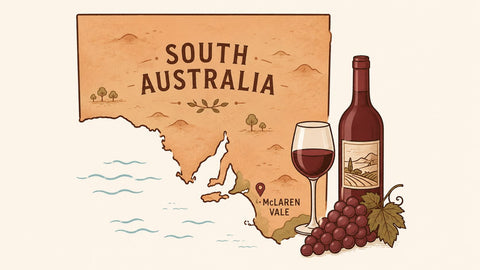
Tips for Buying Mixed Wine Cases at McLaren Vale Cellars
A mixed case becomes much easier to buy when the retailer removes friction. Look for Half & Half options, because they let you split a dozen between two styles without building the pack bottle by bottle. That's useful if you already know your house prefers one red and one white, but still want the variety and economy of a case.
Curated sample packs are another strong sign. They're built for trial before commitment, which is exactly what cautious buyers want when they're exploring a region or a producer. A seller that offers a Taste Guarantee also signals confidence in what's inside the box, because it gives you a backstop if one bottle doesn't suit your palate.
What to check before you order
- Pack flexibility: Half & Half or mixed bundles make it easier to match the case to your household.
- Delivery terms: free Australia-wide delivery over a set spend can change the overall value of the pack.
- Checkout security: encrypted payment matters when you're buying wine online, especially for repeat orders.
- Rewards and support: a loyalty program and responsive phone or email help when you want to reorder the same style later.
Some of the best wine buys aren't the flashiest ones, they're the packs that make it simple to keep drinking well without second-guessing every bottle.
If you're shopping for something broader than table wine, it also helps to see how gifting is handled across categories. The advice in wine gift hampers Australia is relevant because the same principles apply, presentation, mix, and usefulness matter more than a single headline bottle.
A retailer that also offers Grape-ful Rewards can be useful for people who buy regularly, while expert help by phone or email is practical when you want a real person to steer you away from a case that overlaps too much with what's already in your cellar. That combination, flexible packs, secure payment, delivery support, and after-sale confidence, is what turns a mixed case from a novelty into a repeat purchase.
Mixed Wine Case Ideas for Occasions and Budgets
A useful mixed case starts with the occasion. For an Everyday Sipper case, build around approachable whites and lighter reds, the sort of wines you can open on a Tuesday without overthinking dinner. That kind of pack should feel casual, varied, and easy to finish.
For a Dinner Party pack, add one bottle with a bit more presence. A mix that includes McLaren Vale Shiraz and Blanc de Blanc sparkling gives you a strong start and a confident finish, while still leaving room for a mid-weight wine in the middle. That's the sort of composition that works when you don't know whether guests will start with bubbles or go straight to the table.
A Corporate Gift case should feel polished, so mix premium reds and rosés rather than loading the box with only one style. If the goal is a stronger cellar piece, a Collector's Reserve case should lean toward bottles you'd be happy to age rather than drink immediately.
| Occasion | Example Mix | Best Use |
|---|---|---|
| Everyday Sipper | approachable whites, light reds | weekday drinking |
| Dinner Party | McLaren Vale Shiraz, Blanc de Blanc sparkling | entertaining |
| Corporate Gift | premium reds, rosés | client gifting |
| Collector's Reserve | cellar-worthy mixed styles | ageing and storing |
The most important point is that the case should match how you drink. A box that looks impressive but doesn't suit your meals or schedule won't get emptied with pleasure. A practical mix, on the other hand, keeps paying off each time you open a bottle.
Conclusion
Mixed wine cases work because they solve more than one problem at once. They give you variety, they can deliver genuine value when compared with single-style buying, and they make shopping easier when you want a gift, a discovery pack, or a cellar-friendly spread of styles. In a market shaped by changing supply and excess stock pressure, that mix of pleasure and practicality is exactly why the format keeps winning attention.
The best way to choose one is simple. Start with the occasion, check the style balance, think about whether the wines are for now or later, and make sure the pricing makes sense bottle by bottle. If you're buying online, look for flexible pack structures, delivery clarity, and support that helps you feel confident after checkout.
If you've been standing in front of the shelf trying to decide between one safe bottle and a whole box of possibilities, the mixed case is often the better answer. It lets you explore without wasting money, and it keeps the cellar more interesting than a row of near-identical bottles.
A CTA for McLaren Vale Cellars.

Comments (0)
There are no comments for this article. Be the first one to leave a message!