
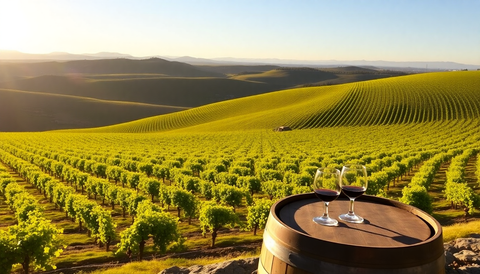
In the heart of South Australia's renowned McLaren Vale wine region, a quiet revolution is taking place. The wineries of this picturesque area are at the forefront of a movement towards more sustainable and environmentally-conscious winemaking practices, setting an example for the industry as a whole.
McLaren Vale has long been celebrated for its world-class wines, with its unique terroir and Mediterranean climate producing exceptional vintages of Shiraz, Cabernet Sauvignon, and a host of other varietals. But in recent years, the region's wineries have been making headlines for their innovative approaches to sustainability, from water conservation to carbon reduction and beyond.
The Importance of Sustainability in Winemaking
Winemaking is an inherently resource-intensive process, requiring significant amounts of water, energy, and land to cultivate grapes and transform them into the bottles that grace our tables. As the effects of climate change become increasingly apparent, the need for the wine industry to adopt more sustainable practices has never been more pressing.
"Sustainability is not just a buzzword for us – it's a core part of our mission and our identity as winemakers," says John Smith, the owner of McLaren Vale Cellars. "We recognize that the long-term viability of our industry depends on our ability to reduce our environmental impact and preserve the natural resources that are essential to grape growing and winemaking."
Water Conservation
One of the key areas of focus for McLaren Vale's wineries is water conservation. The region's Mediterranean climate can be challenging, with hot, dry summers that place a significant strain on water resources. In response, many wineries have implemented innovative water management systems, including the use of recycled water for irrigation and the deployment of cutting-edge technology to monitor and optimize water usage.
"We've invested heavily in water-saving technologies, from drip irrigation systems to advanced monitoring sensors that allow us to precisely control the amount of water we use," explains Sarah Williams, the sustainability manager at Willunga Winery. "By reducing our water consumption, we're not only preserving a precious resource, but we're also lowering our operating costs and ensuring the long-term viability of our business."
Carbon Reduction and Renewable Energy
In addition to water conservation, McLaren Vale's wineries are also leading the way in the adoption of renewable energy and carbon reduction strategies. Many have installed solar panels to generate their own electricity, while others have implemented energy-efficient technologies throughout their operations, from LED lighting to high-efficiency fermentation tanks.
"We're committed to becoming a carbon-neutral winery by 2030," says Michael Nguyen, the CEO of Aldinga Bay Vineyards. "This means not only reducing our own emissions, but also investing in offsets and supporting renewable energy projects in the local community. It's a significant undertaking, but we believe it's essential for the future of our industry and the planet as a whole."
Sustainable Viticulture
Beyond the winery walls, McLaren Vale's winegrowers are also embracing sustainable practices in the vineyards. This includes the use of organic and biodynamic farming methods, which eschew synthetic pesticides and fertilizers in favor of more natural, holistic approaches to soil health and pest management.
"We've seen a real shift in the mindset of our growers over the past decade," says Emma Fitzgerald, the president of the McLaren Vale Grape, Wine, and Tourism Association. "They're increasingly recognizing the importance of sustainable viticulture, not just for the environment, but also for the quality and character of the wines they produce."
The Benefits of Sustainable Winemaking
The adoption of sustainable practices by McLaren Vale's wineries is not just good for the environment – it's also proving to be a boon for their businesses. By reducing their resource consumption and carbon footprint, these wineries are able to lower their operating costs and improve their profitability. Moreover, their commitment to sustainability is resonating with consumers, who are increasingly seeking out eco-friendly products and are willing to pay a premium for wines that align with their values.
"Our customers are really excited about the work we're doing in sustainability," says John Smith of McLaren Vale Cellars. "They see it as a reflection of our values and our dedication to producing high-quality, environmentally-responsible wines. And that's translating into strong sales and a growing customer base."
The Future of Sustainable Winemaking in McLaren Vale
As the wineries of McLaren Vale continue to push the boundaries of sustainable winemaking, the region is poised to become a global leader in this critical field. With their innovative approaches to water conservation, carbon reduction, and sustainable viticulture, these wineries are not only safeguarding the future of their own businesses, but also setting an example for the wider wine industry to follow.
"We're just scratching the surface of what's possible when it comes to sustainable winemaking," says Sarah Williams of Willunga Winery. "As we continue to invest in new technologies and refine our practices, I believe we'll see even more impressive gains in terms of our environmental impact and our ability to produce world-class wines that are truly sustainable."
For wine lovers and eco-conscious consumers alike, the wineries of McLaren Vale are a shining example of what can be achieved when a community comes together to prioritize sustainability and environmental stewardship. As the world grapples with the challenges of climate change, these wineries are leading the way, proving that it is possible to produce exceptional wines while also protecting the planet for generations to come.

Comments (0)
There are no comments for this article. Be the first one to leave a message!