
McLaren Vale Tempranillo has moved from curiosity to real regional presence. Plantings climbed from 57 hectares pre-2016 to 73 hectares in 2022, about a 28% rise, and that growth matters because it tells shoppers this isn't a passing oddity tucked into one cellar door list. It's a small but established part of McLaren Vale's red wine story, sitting alongside the region's better-known styles and giving buyers a fresher, more savoury alternative when they want something different from Shiraz.

If you've been wondering whether McLaren Vale Tempranillo is still a niche buy or something more reliable, the answer is already in the vineyard. The grape has enough planted area to matter, enough production history to prove it's commercially real, and enough stylistic character to reward people who like reds with brightness, spice and food-friendly shape. That combination makes it worth understanding properly before you choose your next bottle.
Why McLaren Vale Tempranillo Deserves a Place on Your Shelf
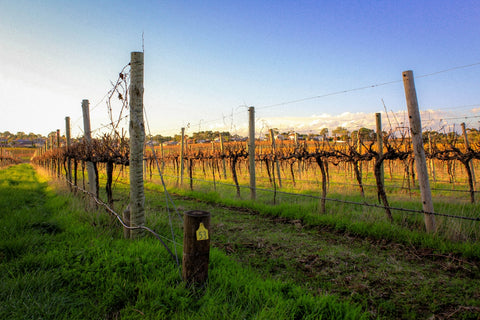
The headline number is simple. Tempranillo plantings in McLaren Vale rose from 57 hectares pre-2016 to 73 hectares in 2022, a lift of about 28% (McLaren Vale Tempranillo regional profile). For a grape that sits well outside the region's old default of Shiraz, that is a clear sign of commitment. Growers are not just experimenting here, they are putting vineyard land behind the variety.
Why that matters for shoppers
A small planted base can still make interesting wine, but it often brings patchy availability and uneven quality. McLaren Vale's Tempranillo has moved beyond that stage. An independent regional snapshot also places it at 62 hectares, which supports the idea that it has reached visible scale rather than staying a cellar-door curiosity (Decanter regional profile).
For buyers, that translates into confidence. Once more vineyards support a variety, you are more likely to see bottles across different price points and styles, not just a single label from one producer willing to take the risk. That gives you a better chance to compare fresher, earlier-drinking wines with more serious, oak-influenced bottlings, and to decide which style suits your table and budget.
A useful buying check is to look for producers who talk openly about where the variety fits in the region's broader Mediterranean planting mix, as outlined in McLaren Vale Cellars' overview of the region's Mediterranean varieties. That kind of context usually signals a wine made with intent, not just a novelty bottling.
Practical rule: when a regional variety keeps expanding, producers have usually found a workable match between vineyard, winery and market.
How to read the regional numbers
McLaren Vale still revolves around warm-climate reds. Shiraz makes up 56.5% of plantings and Cabernet Sauvignon 18.5%, while the top five varieties account for around 90% of vineyard area (McLaren Vale Tempranillo regional profile). Tempranillo has grown inside that crowded premium red mix, so the question is not whether it belongs at all. It is how it tastes, what food it suits, and how to buy it well.
The practical answer is that McLaren Vale Tempranillo usually sits in a useful middle ground. It can bring darker fruit and firmer shape than a lighter red, yet it often feels less brooding than the region's biggest Shiraz bottles. That makes it a sensible choice when you want a red with enough presence for grilled food, but also enough lift and savoury detail to keep the glass interesting.

Where Tempranillo Sits Inside McLaren Vale's Red Wine Mix
McLaren Vale doesn't have room for every grape to become a star, so the varieties that grow there have to earn their place. Shiraz still dominates, Cabernet Sauvignon remains a major player, and Grenache, Merlot and Chardonnay fill out much of the rest of the regional vineyard picture (McLaren Vale Tempranillo regional profile). That matters because Tempranillo has grown inside a very competitive mix, not in an empty niche.
A small category, but not a symbolic one
A useful way to think about Tempranillo in McLaren Vale is as a credible alternative red. It's not trying to replace Shiraz, and it doesn't need to. It gives the region another expression of warmth, ripeness and structure, but with a different fruit profile and a more savoury finish. That makes it attractive to drinkers who already trust McLaren Vale and want something with less weight than the region's biggest reds.
The independent regional snapshot showing 62 hectares of Tempranillo is important because it confirms scale from outside the main regional profile (Decanter regional profile). When two separate snapshots land in the same general territory, you can be more confident that this is a genuine planted category, not just a marketing flourish.
| McLaren Vale Top Red Varieties by Vineyard Share | ||
|---|---|---|
| Variety | Approx. share of plantings | Notes |
| Shiraz | 56.5% | The region's dominant red grape (McLaren Vale Tempranillo regional profile) |
| Cabernet Sauvignon | 18.5% | The second major red grape in the regional mix (McLaren Vale Tempranillo regional profile) |
| Tempranillo | 62 to 73 hectares | A meaningful alternative red with growing acceptance (Decanter regional profile, McLaren Vale Tempranillo regional profile) |
| Grenache, Merlot, Chardonnay | part of the remaining vineyard base | Supporting cast in a diversified premium red region (McLaren Vale Tempranillo regional profile) |
More on McLaren Vale's Mediterranean varieties
What shoppers should take from this is straightforward. Tempranillo in McLaren Vale has enough scale to be worth searching for, but it's still small enough that producer choice matters. That usually means more variation between bottles, which is good news if you enjoy comparing styles and finding the sweet spot between value and personality.
Climate, Soils and How the Wine Gets Made
Tempranillo fits McLaren Vale because the region rewards grapes that can ripen well without losing shape. Growers work with a warm, coastal South Australian environment and use vineyard decisions to keep fruit balanced, not overcooked. That combination helps explain why a variety associated with Iberian climates has found a home here.
The growing conditions support the style
McLaren Vale's diversified planting choices matter here. Regional sustainability and biodiversity conversations frame varieties like Tempranillo as part of a broader adaptation strategy, not just a trend in the glass (McLaren Vale Special Report). For a warm region, planting a grape that can handle ripeness while still delivering freshness is a sensible move.
Viticulture usually follows that logic. Growers focus on canopy management, careful irrigation and site selection so fruit stays balanced through the season. Winemakers then shape the wine toward freshness rather than sheer power, which is why McLaren Vale Tempranillo often feels composed instead of heavy-handed.
McLaren Vale Tempranillo works when the vineyard holds flavour and the winery avoids over-extracting it.
What the cellar does with that fruit
The strongest examples usually keep oak in check. New wood can blur the grape's savoury side if used too aggressively, so the better approach is often restrained oak and moderate extraction. The goal is to preserve the grape's natural line of acidity and let the spicy, fruit-driven core stay visible.
That is also why Tempranillo makes sense in a warming region. It gives growers another route to ripeness without pushing every bottle toward high alcohol or dense sweetness. For buyers, that usually means a wine that feels ready to drink sooner, with enough structure to stay interesting at the table.
How red wine is made, step by step
What McLaren Vale Tempranillo Actually Tastes Like
McLaren Vale Tempranillo usually lands in the medium-bodied, fresh-style zone, and that's the first thing to understand if you're used to bigger Australian reds. It's built around savoury spice, bright red fruit and enough acidity to keep the wine moving across the palate. Think red cherry, strawberry, dried herbs, a touch of leather and a dry, food-ready finish.

The technical numbers help explain that feel. Regional technical sheets show pH around 3.60 to 3.81, total acidity around 5.9 to 6.14 g/L, and alcohol typically 13.5 to 14.0% (Willunga 100 2023 McLaren Vale Tempranillo). Those figures point to a wine that keeps brightness and shape, rather than drifting into jammy or overly plush territory.
How it differs from bigger red styles
If McLaren Vale Shiraz is often about dark fruit, density and warmth, Tempranillo usually feels leaner and more savoury. It can still have plenty of flavour, but the flavour reads as spice, herbs and red fruit more than black fruit and sweetness. That's why many buyers who find Shiraz a bit broad or heavy often take to Tempranillo quickly.
The wine can also feel a little more transparent in texture. That doesn't mean weak. It means the structure is clearer, the acidity is more noticeable, and the tannins usually arrive as a gentle frame rather than a firm wall. For a lot of drinkers, that makes the bottle easier to finish with food.
If you like red wine that tastes alive at the table, Tempranillo usually gives you more lift than weight.
A useful mental shortcut
If you enjoy Sangiovese, lighter Rioja, or a savoury Australian red that doesn't need a big meal to keep it interesting, McLaren Vale Tempranillo is a good place to look. If you want something plush, sweet-fruited and concentrated, Shiraz is more likely to suit. The difference is less about quality and more about shape.
Perfect food pairings for wine
Food Pairings That Let the Wine Shine
Tempranillo earns its keep at the table. The grape's savoury edge and bright acidity mean it handles smoke, herbs and tomato-based dishes with less fuss than many fuller reds. That's exactly why it works so well for Australian dinners that aren't trying to be formal.
The matches that make sense first
Start with grilled lamb with rosemary, charcuterie, slow-cooked beef and manchego. Those pairings work because Tempranillo brings enough fruit to meet the meat, but enough acidity and spice to cut through richness. It doesn't flatten the food, and it doesn't disappear under it.
It's also a strong match for roasted vegetables with paprika, mushroom risotto and barbecued chorizo. Those dishes lean into the wine's savoury side and don't demand the sheer sweetness or power that some bigger reds bring. If the meal has char, herbs or smoky spice, Tempranillo usually feels at home.
Where it sits against Shiraz
Many buyers get confused. McLaren Vale Shiraz can be the better call for sticky, sweet-glazed or long-braised dishes because it has the body to stand up to that weight. Tempranillo is better when the meal is drier, smokier or more tomato-led.
| If dinner is like this | Tempranillo | Shiraz |
|---|---|---|
| Herby, smoky, tomato-based | Usually the better fit | Can work, but may feel broader |
| Rich, slow-braised, sweet-glazed | Can be a bit light | Usually the stronger match |
| Charcuterie, chorizo, manchego | Excellent | Often fine, sometimes heavier |
| Grilled lamb, mushrooms, roasted veg | Very strong | Strong, but with more heft |
A simple buying rule for meals
Choose Tempranillo when you want the wine to echo the savoury parts of the dish.
That rule saves a lot of guesswork. If the food has paprika, herbs, tomato or char, Tempranillo usually has the right line and lift. If the food is rich and sauced, Shiraz often brings more comfort and weight.
Producers Worth Knowing and What Their Bottlings Show
Tempranillo sits on a smaller shelf in McLaren Vale than Shiraz or Cabernet, so producer choice carries more weight. The better bottles usually fall into one of two camps. Some are fresh and early-drinking, built for bright fruit and an easy finish. Others are more structured, with oak and savoury detail that give the wine a little more staying power.
What the production numbers say
The regional crush figures show that Tempranillo has had real commercial footing for years. In 2017, McLaren Vale recorded 187 tonnes crushed, worth $333,681 at an average of $1,788 per tonne. In 2023, it still appeared in the regional crush at 88 tonnes, worth $174,278, at $1,989 per tonne. Those figures come from the 2017 McLaren Vale regional crush report, and they show a grape that remained part of the mix even when conditions were less favourable.
The wider regional picture helps make sense of that resilience. McLaren Vale's 2023 crush fell to 26,467 tonnes, which was 24% below 2022 and 22% below the five-year average of 33,913 tonnes (2017 McLaren Vale regional crush report). Tempranillo stayed visible through that weaker year, which suggests it is not just a novelty planting that only works in ideal seasons.
How to read the bottle
You do not need to memorise every producer name to buy well, but the bottle style tells you a lot. A fresh, younger bottling usually brings more cherry fruit, softer tannin and a clean finish. An oak-aged reserve style generally adds more spice, more savoury depth and a firmer frame.
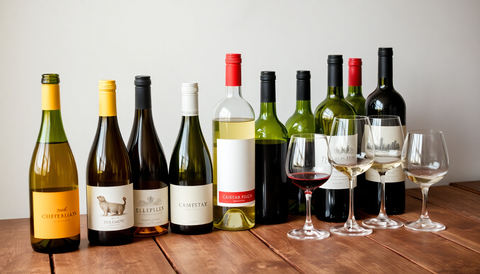
One useful place to compare bottles is McLaren Vale Cellars, which curates regional bottles and sample packs alongside broader South Australian selections. That kind of range helps when you want to compare styles before settling on a producer. Read the notes for clues about whether the wine is meant for drinking now or for a little more time in bottle.
How to think about value
Small-category wines can be uneven, so value comes from balance rather than prestige. If a bottle shows clarity, moderate structure and a defined savoury finish, it is doing the job Tempranillo should do. If it tastes over-oaked or too sweet for the grape, the better regional examples will usually feel more precise and easier to place at the table.
Serving, Cellaring and Smart Buying Tips
Tempranillo usually gives you a clear signal in the glass if you serve it with a light touch. Aim for slightly cool, around 16°C, and use a medium-bowled red glass so the spice, red fruit and savoury edge stay defined rather than heavy. That temperature keeps the wine lively and makes it easier to separate ripe fruit from oak or dried herb notes.
A practical rule helps here. If the wine is built for early drinking, a cooler pour and a clean glass will show its freshness. If the bottle is more structured, those same serving choices stop the wine from feeling too broad before it has had time to open.
When to decant and when to leave it alone
Younger bottles with more oak can take a short decant well. A little air loosens the wine, brings the fruit forward and softens the first impression of tannin or wood. Fresher styles that are meant for earlier drinking usually do not need much help, especially if the bottle is headed straight to the dinner table.
Cellaring depends on what the producer has put into the bottle. Fresh McLaren Vale Tempranillo is often best within 3 to 6 years, while reserve bottlings can cope with more time if they have enough structure underneath the fruit. Read the shape of the wine, not just the vintage on the label.
Some producers also give useful technical clues. A bottle with firmer acidity and a measured pH tends to feel tighter and more food-friendly, while a broader, riper style may drink better sooner. That matters because Tempranillo can sit across a fairly wide style range, from bright and brisk to darker and more layered, and the right choice depends on whether you want a weekday red or something with a little more cellar time.
Buy for the style in the glass, not the label language on the front.
How to shop for value
Value in this category comes from balance, not price alone. For everyday drinking, look for freshness, even fruit and a clean finish. For a more serious spend, look for clearer vineyard detail, a more confident tannin frame and oak that supports the fruit instead of covering it. If you see pH and total acidity in producer notes or back-label information, those details can help you judge whether the wine will feel brisk or broader, especially in a style that often sits in the 13.5 to 14.0% alcohol range (Willunga 100 2023 McLaren Vale Tempranillo).
If you are still unsure, sample packs and mixed regional selections are a low-risk way to learn the grape. They let you compare Tempranillo beside Shiraz or other McLaren Vale reds without committing to a full case of an unfamiliar style. McLaren Vale Cellars also offers a Taste Guarantee, which can make that first purchase feel less risky when you are trying a bottle you have not bought often.
Is McLaren Vale Tempranillo Here to Stay
The answer looks like yes, and the vineyard numbers help explain why. McLaren Vale has seen Tempranillo plantings grow while Shiraz and Cabernet still dominate the region's red mix, which shows that growers are adding the variety because it suits the district, not because it is a passing novelty. Wine Australia places Tempranillo among McLaren Vale's “exciting range of emerging varieties”, and that label makes sense when a grape is being planted with clear intent in a region already known for warm, coastal reds (McLaren Vale Special Report).
The practical takeaway is simple. A grape that keeps earning vineyard ground usually has something useful to offer growers and drinkers alike. In McLaren Vale, Tempranillo gives producers another way to handle warmth and dryness without losing the regional feel in the glass. It behaves a bit like a well-suited tool in a workshop, useful because it solves a real job rather than because it sounds fashionable.
That matters for buyers because persistence usually leads to better choice. McLaren Vale Tempranillo is still less common than the region's big red staples, so it can feel fresh on the shelf, but it has enough regional backing to buy with confidence. You can expect a range that runs from bright, earlier-drinking wines to more structured bottles with firmer tannin and clearer savoury detail. That means the category can suit both a casual midweek bottle and a wine you hold for a little longer, depending on the producer and the vintage.
Value should be judged by fit, not novelty. A good bottle will show ripe fruit, balanced acidity and enough shape to carry food, while a more ambitious release should give you better vineyard definition and a steadier frame for cellaring. If you want a straightforward buying rule, choose the style that matches the meal and the moment, then look for a producer whose Tempranillo feels deliberate rather than generic.
For shoppers who want to explore without overcommitting, McLaren Vale's growing Tempranillo presence is a useful sign. The grape has moved far enough into the region's working vineyards to suggest staying power, yet it remains distinctive enough to reward curiosity. McLaren Vale Tempranillo now sits in that appealing middle ground where regional identity, practical value and drinkability overlap, which is usually the point where a variety earns a long-term place on the shelf.
McLaren Vale Cellars brings together regional bottles, sample packs and mixed packs that make it easy to compare McLaren Vale reds side by side, including Tempranillo when it's available. If you want to explore the style with help choosing between fresh, savoury bottles and more structured releases, visit McLaren Vale Cellars and start with a regional selection that suits the way you drink.
Comments (0)
There are no comments for this article. Be the first one to leave a message!