
As a wine enthusiast, you've likely heard of the renowned Shiraz wines from South Australia's McLaren Vale and Barossa Valley regions. These two iconic wine-producing areas are renowned for their exceptional Shiraz, but what exactly sets them apart? In this comprehensive blog post, we'll delve into the nuances that distinguish McLaren Vale Shiraz from its Barossa counterpart, helping you discover the unique characteristics that make each region's Shiraz truly special.
The Terroir: Soil, Climate, and Elevation
The foundation of any great wine lies in its terroir - the unique combination of soil, climate, and elevation that imparts distinct flavors and characteristics to the grapes. When it comes to McLaren Vale and Barossa Shiraz, the terroir plays a crucial role in shaping the final product.
McLaren Vale: A Coastal Influence
McLaren Vale, situated just south of Adelaide, benefits from a Mediterranean climate with a strong coastal influence. The region's proximity to the ocean moderates the temperatures, resulting in a longer growing season and a more gradual ripening process for the grapes. The soils in McLaren Vale are predominantly ancient, free-draining soils, including limestone, ironstone, and alluvial deposits, which contribute to the wines' complexity and minerality.
Barossa Valley: A Continental Climate
In contrast, the Barossa Valley, located to the north-east of Adelaide, experiences a more continental climate, with hotter, drier summers and cooler winters. The region's soils are predominantly deep, rich, and well-drained, with a mix of red-brown clay, sandy loam, and ancient, weathered rock formations. This terroir imparts a more robust, full-bodied character to the Barossa Shiraz.
Winemaking Approaches
While both McLaren Vale and Barossa Valley are renowned for their exceptional Shiraz, the winemaking approaches in each region can also contribute to the distinct styles of their wines.
McLaren Vale: Elegance and Finesse
Winemakers in McLaren Vale often aim to craft Shiraz wines that showcase elegance, balance, and finesse. They may employ techniques such as gentle extraction, judicious use of oak, and a focus on preserving the natural fruit flavors and acidity of the grapes. This approach results in Shiraz wines that are typically more medium-bodied, with a silky texture and a harmonious interplay of ripe fruit, spice, and subtle oak influences.
Barossa Valley: Power and Concentration
In the Barossa Valley, winemakers often embrace a more robust, full-throttle approach to Shiraz production. They may employ techniques like extended maceration, the use of larger oak barrels, and even higher alcohol levels to create wines with immense concentration, depth, and power. Barossa Shiraz is often characterized by its dense, opulent mouthfeel, intense fruit flavors, and a pronounced oak influence.
Flavor Profiles: Comparing the Styles
When it comes to the flavor profiles of McLaren Vale and Barossa Shiraz, there are some distinct differences that wine enthusiasts can appreciate.
McLaren Vale Shiraz
McLaren Vale Shiraz is often described as having a more elegant and refined character. The wines typically exhibit a vibrant, deep-red color and aromas of ripe, dark berries, such as blackberry and plum, often complemented by notes of spice, pepper, and subtle oak. On the palate, the wines tend to be medium-bodied, with a silky, seamless texture and a balanced acidity that helps to maintain freshness and vibrancy.
Barossa Valley Shiraz
Barossa Shiraz, on the other hand, is renowned for its bold, powerful, and concentrated flavors. These wines often display a deep, inky-purple hue and aromas of ripe, jammy black fruits, such as blackberry and blueberry, along with notes of dark chocolate, vanilla, and toasted oak. The palate is typically full-bodied, with a rich, velvety texture and a robust, lingering finish.
Aging Potential and Food Pairing
Both McLaren Vale and Barossa Shiraz have excellent aging potential, but the way they evolve over time can also differ.
McLaren Vale Shiraz: Graceful Aging
McLaren Vale Shiraz often exhibits a more graceful aging trajectory, with the wines developing increased complexity and nuance over time. As they age, these wines may showcase more savory, earthy notes, such as leather, tobacco, and dried herbs, while still retaining their core fruit flavors and acidity.
Barossa Shiraz: Powerful Longevity
Barossa Shiraz, with its robust structure and concentrated flavors, is known for its impressive longevity. These wines can often age for decades, gradually shedding their initial youthful exuberance and evolving into complex, layered expressions that showcase the region's terroir.
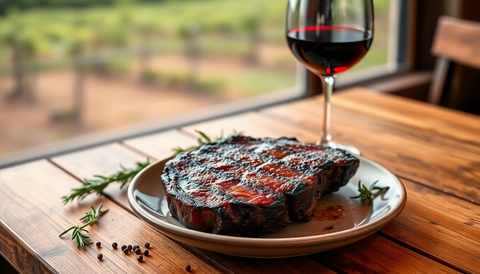
When it comes to food pairing, the distinct styles of McLaren Vale and Barossa Shiraz lend themselves to different culinary pairings. McLaren Vale Shiraz, with its elegance and balance, pairs beautifully with a wide range of dishes, from grilled meats and roasted vegetables to more delicate seafood and pasta dishes. Barossa Shiraz, with its powerful, full-bodied character, is an excellent match for hearty, slow-cooked dishes, such as braised beef, lamb, or even rich, decadent desserts.
Exploring the Diversity of South Australian Shiraz
While the differences between McLaren Vale and Barossa Shiraz are distinct, they both represent the exceptional quality and diversity of South Australian Shiraz. Whether you prefer the elegant, refined style of McLaren Vale or the bold, powerful character of Barossa, there is a wealth of exceptional Shiraz wines to discover and enjoy from this renowned wine-producing region.
At McLaren Vale Cellars, we take great pride in curating a diverse selection of premium Shiraz wines from both McLaren Vale and Barossa Valley. Our knowledgeable staff is always on hand to guide you through the nuances of these two iconic Shiraz styles, helping you find the perfect bottle to suit your taste and occasion. Visit us today and embark on a journey of Shiraz exploration, where you can savor the unique terroir and winemaking approaches that make South Australian Shiraz truly world-class.

Comments (0)
There are no comments for this article. Be the first one to leave a message!