
Many believe Pinot Grigio is one thing. Pale, simple, cold, and easy to forget.
That idea falls apart pretty quickly when you taste a good McLaren Vale example. Here, Pinot Grigio can be brighter, broader across the palate, and far more textural than many drinkers expect. It still refreshes, but it also has shape. It has weight in the mid-palate. Sometimes it even has a faint grip that makes you pay attention.
That's the part many wine lists and shelf talkers skip. They tell you what it tastes like, but not why it tastes that way in McLaren Vale, or why some bottles are worth holding onto for a little while instead of opening straight away.
An Introduction to a Regional Classic
Why does Pinot Grigio from McLaren Vale often feel fuller, more interesting, and more memorable than the light, brisk version many people expect?
Part of the answer is simple. This region has spent decades building its name on red wine, especially Shiraz, so its whites can surprise people. McLaren Vale Pinot Grigio is one of those surprises. In the right hands, it keeps the freshness the grape is known for, but adds more shape through the middle of the palate and a gently savoury edge that makes the wine feel finished rather than fleeting.

Why McLaren Vale suits the grape
Pinot Grigio can be a bit like a plain loaf and a good sourdough made from the same grain. The grape is the same. The result changes with site, climate, and how much character the winemaker wants to keep in the final wine.
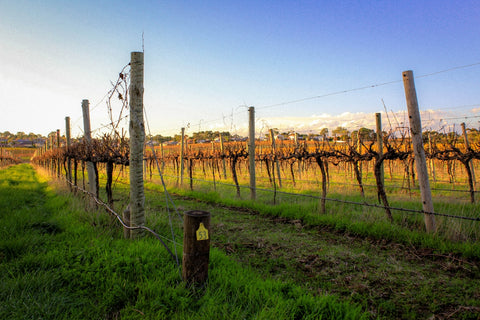
McLaren Vale gives growers a useful balance for this variety. It sits south of Adelaide, with a Mediterranean climate and the moderating effect of nearby water and afternoon breezes. Warm days help the fruit reach flavour ripeness. Those cooling influences slow things down just enough to help the grapes hold their natural energy. That matters because Pinot Grigio can lose its charm quickly if ripeness runs ahead of freshness.
The region is also officially recognised as a Geographical Indication, which tells you this is not a loose marketing label but a defined wine region with its own identity. If you're still getting your bearings with the area, this first-timer's guide to where to start in McLaren Vale gives helpful local context before you start comparing producers.
Why that matters in the bottle
For drinkers, the key point is not just that McLaren Vale can grow Pinot Grigio. It is that the region tends to grow a version with more substance.
That extra substance shows up as texture. You might notice a slightly broader mouthfeel, a more settled fruit profile, or a faint phenolic grip, the gentle pithy feel you get from lemon skin or pear peel. Beginners sometimes read that as heaviness. It is usually the opposite. It gives the wine structure, the same way a good frame gives shape to a house without making it bulky.
This is also why some bottles improve with a little patience. While McLaren Vale Pinot Grigio is made to be enjoyed young, the better examples can knit together over the short term, with fruit, acidity, and savoury notes becoming more integrated after some time in bottle. That short cellaring potential is one of the style's quiet strengths, and it sets the region apart from the very simple, drink-now Grigio many people have in mind.
Pinot Grigio has earned a proper place in McLaren Vale because local growers and winemakers have treated it seriously. You can taste that care in the glass. The wine still refreshes, but it also explains where it comes from.
The Signature Taste of McLaren Vale Pinot Grigio
What makes a McLaren Vale Pinot Grigio taste fuller and more textural than the light, brisk versions many drinkers expect?
Start with the fruit, then follow the wine across the palate. In McLaren Vale, Pinot Grigio often opens with clear citrus and nashi pear, then builds into something broader and more savoury. You still get freshness, but you also get shape. That extra shape is one of the region's calling cards.

What you're likely to smell and taste
A good bottle usually shows a familiar set of aromas and flavours, but with more definition than a simple, neutral Grigio:
- Citrus such as lemon zest, preserved lemon, or a fresh lime edge
- Pear fruit that sits closer to crisp nashi pear than soft, sweet ripe pear
- Green apple in brighter, earlier-picked examples
- White blossom or gentle floral lift
- Savoury notes such as almond skin, crushed stone, or a light bread-like note in more textural wines
That savoury side can throw newer drinkers off. They expect white wine to be all fruit, all the time. In practice, a small almond or pithy note often signals a more complete wine, one with structure as well as flavour.
Why the texture stands out
Texture matters here as much as aroma. Some Pinot Grigio is built to skim across the tongue and disappear quickly. McLaren Vale examples often linger a little longer, with a faint grip that feels like lemon pith or pear skin.
That character comes from the region as much as the grape. Warm, dry conditions help fruit ripen fully, while local sandy and loamy sites can preserve brightness rather than letting the wine turn heavy. The result is a style that carries ripe citrus and orchard fruit with a firmer outline. It works like the difference between fresh juice with pulp and filtered juice. Both are refreshing, but one has more presence.
Wikipedia's overview of McLaren Vale describes the region's Mediterranean climate and varied soils, and that regional mix helps explain why local Pinot Grigio can show both generosity and line. In the glass, that often reads as bright fruit, steady acidity, and a subtle phenolic grip rather than simple softness.
A good McLaren Vale Pinot Grigio refreshes first, then shows texture.
How to read the palate
If you're still building confidence with tasting, use a three-step check:
| What to notice | What it tells you |
|---|---|
| First sip | Look for the wine's citrus line and how quickly the freshness appears |
| Mid-palate | See whether pear, apple, blossom, or savoury notes start to widen out |
| Finish | Notice whether the wine ends clean, pithy, or lightly grippy |
This helps separate flavour from weight. A wine can stay bright while still feeling layered.
That balance also explains why some McLaren Vale Pinot Grigio rewards short-term cellaring. Over a little time in bottle, the citrus, pear fruit, acidity, and savoury edges can settle together and taste more integrated. Not every bottle is made for that, but the better examples often have more going on than the drink-now reputation of Pinot Grigio suggests.
Not Your Average Grigio A Style Comparison
The easiest way to understand McLaren Vale Pinot Grigio is to place it between two familiar reference points.
On one side, you have the classic Italian style. On the other, the fuller, broader Pinot Gris styles associated with places like Alsace. McLaren Vale often sits in the middle, but not as a compromise. It's its own expression.
How it differs from Italian Pinot Grigio
Many drinkers first meet Pinot Grigio through Italy. That style is usually loved for being light, crisp, and clean. It's the bottle people order when they want something easy, dry, and uncomplicated.
McLaren Vale tends to shift the dial. According to this comparison of Australian Pinot Grigio styles, the region's Mediterranean climate and coastal influence create a wine with more body, “bright, clean fruit”, and “textural freshness” than the crisp, mineral-driven Italian model.
That doesn't mean it stops being refreshing. It means refreshment comes with more palate presence.
Where it sits beside Alsatian Pinot Gris
Alsatian Pinot Gris is often richer, weightier, and more aromatic. Some examples feel almost oily in texture compared with a light Italian Grigio.
McLaren Vale doesn't usually go that far. It can bridge the gap. You still get brightness and drinkability, but the wine often carries more fruit flesh and tactile shape than a lean northern Italian version.
Here's a simple side-by-side guide:
| Style | Typical feel | Usual flavour emphasis |
|---|---|---|
| Italian Pinot Grigio | Light, crisp, mineral | Citrus, subtle orchard fruit |
| McLaren Vale Pinot Grigio | Mid-weight, textural, fresh | Clean fruit, pear, citrus, gentle savoury notes |
| Alsatian Pinot Gris | Fuller, richer, more aromatic | Riper fruit, spice, broader palate |
Why this matters when you're buying
This comparison helps solve a common frustration. Someone says they “don't like Pinot Grigio”, but what they often mean is they don't like one specific style of it.
If they found Italian examples too lean, McLaren Vale may suit them better. If they enjoy texture but don't want the full richness of a heavier Pinot Gris, McLaren Vale can land in a very comfortable middle ground.
Don't buy by grape name alone. Buy by style, region, and the kind of texture you enjoy in the glass.
That's the value of understanding regional expression. It gives you better language for your own taste. Instead of saying “I like Pinot Grigio” or “I don't”, you can say, “I like Pinot Grigio with more body and fruit detail.” That's a much more useful starting point.
Perfect Pairings and Serving Suggestions
Pinot Grigio gets pigeonholed into the “seafood only” corner far too often. McLaren Vale versions are more flexible than that because they bring both freshness and texture.
That extra palate weight means they can handle dishes with a bit more richness, spice, or cream without disappearing.

What to put on the table
A few combinations work especially well at home:
- Grilled calamari with lemon. The wine's citrus edge mirrors the lemon, while the texture stands up to the char.
- Creamy pasta with herbs. Acidity cuts through the richness, and the savoury side of the wine can sit neatly with parmesan or buttery sauces.
- Thai green curry. A fresh, textural Pinot Grigio can cool the spice while still matching the aromatic lift of the dish.
- Prawn or shrimp skewers. Clean fruit and a bright finish make the pairing feel lively rather than heavy.
- Soft cheeses and mild washed-rind cheeses. The wine has enough shape to avoid being overwhelmed.
For a practical gift option that leans into this kind of pairing, some readers also look at Online Gifts Canada wine offerings to see how wine and cheese sets are assembled for easy entertaining ideas.
Why these pairings work
The trick is to think in terms of function, not category.
A wine with bright acidity can refresh your palate after creamy food. A wine with a little subtle grip can handle grilled or lightly charred flavours. Fruit notes like pear and citrus can bring a sense of lift to dishes with herbs, chilli, or shellfish.
If you've ever had a white wine feel flat beside food, it was probably missing one of those structural pieces.
Serving note: Chill it, but don't freeze the flavour out of it. Too cold and you mute the aromatics and texture that make this style interesting.
How to serve it well
A few simple choices make a noticeable difference:
- Temperature. Serve it cool rather than icy. Straight-from-the-fridge cold can make the wine seem harder and less expressive.
- Glassware. Use a standard white wine glass with enough bowl to let the aromatics open. Tiny, narrow glasses flatten the experience.
- Decanting. Most bottles don't need it. If you have a more textural or skin-contact style, a short time in the glass can help it settle and show more detail.
This short video is handy if you want a visual refresher on serving and enjoying white wine at home.
If you're pouring for a group, open the bottle a little before food hits the table. Even a small amount of air can help the wine move from tightly wound citrus into a more open pear-and-blossom shape.
Your Guide to Buying McLaren Vale Pinot Grigio
How do you buy a McLaren Vale Pinot Grigio that suits your taste, instead of ending up with a bottle that could have come from almost anywhere?
The first step is to buy with style in mind. Pinot Grigio from this region is not a single fixed thing. McLaren Vale fruit often gives the wine more shape through the middle of the palate, a little more ripe pear and spice, and sometimes a faint savoury grip. That means two bottles with the same grape on the label can drink very differently.

Start with style, not price alone
Price tells you less than many shoppers hope. A cheaper bottle can be fresh and enjoyable. A pricier one can be broader, textural, and better at the table. The useful question is what kind of experience you want.
A simple way to sort the field is to ask:
- Do you want bright and brisk, or rounder and more textural?
- Are you buying for oysters and light lunches, or for roast chicken, creamy pasta, and mixed dinner menus?
- Are you trying to learn the regional style, or just restock a reliable white?
Those answers do more work than a shelf tag.
If you are new to McLaren Vale Pinot Grigio, look for clues that point to regional character. Words like textural, savoury, pear, almond, lees, or skin contact usually suggest a wine with more presence than the very light, neutral Italian template many drinkers expect. That richer feel is part of the appeal here.
The smartest way to explore
Mixed selections are often the most useful buy because they teach your palate something. One bottle might show crisp citrus and green apple. Another might carry more pear flesh, spice, and a chalky finish. Side by side, the differences become much easier to spot.
It works a bit like tasting olive oil from the same district made by different growers. The family resemblance is there, but each producer puts the local fruit in a slightly different frame.
Half-case bundles can be a sensible middle ground. You get enough bottles to live with the style for a week or two, without committing to a full dozen before you know what you enjoy.
Buy in a way that helps you recognise the regional pattern. Once you can taste that McLaren Vale mix of freshness and texture, buying gets much easier.
When a dozen deal makes sense
A dozen is the practical move once you have found your lane. That might be a clean, weeknight Pinot Grigio with plenty of citrus cut. It might be a fuller example with enough palate weight to sit comfortably next to food. Either way, buying deeper makes sense when you know the wine fits how you drink.
For broader practical advice on comparing offers, delivery terms, and pack formats, this complete guide to buying wine online in Australia is a useful reference.
There is another reason not to dismiss the dozen too quickly. Some McLaren Vale examples hold their shape well over the short term, especially when they start with more fruit concentration and texture. If you buy a case for current drinking, a few bottles may also reward a little patience.
What lowers the risk for new buyers
Online buying gets easier when the retailer gives you enough detail to picture the wine before it arrives. Look for:
- Clear style descriptions that explain whether the wine is crisp, textural, savoury, or fruit-forward
- Mixed packs or regional selections that let you compare like with like
- Taste guarantee policies that reduce the sting of a miss
- Direct delivery information so there are no surprises at checkout
- Useful notes on producer and winemaking style, not just a short sales line
For instance, McLaren Vale Cellars offers regional wines, curated sample packs, dozen deals, half-case bundles, and a Taste Guarantee. That is helpful if you want to compare McLaren Vale styles within one region, rather than guessing across unrelated bottles from different places.
The best buying choice depends on your goal. If you are learning, compare several styles. If you are buying for dinner, choose a bottle with enough texture to handle food. If you have already found the kind of McLaren Vale Pinot Grigio you like, stock up with confidence.
Sipping Sustainably and Cellaring Secrets
A lot of drinkers still assume Pinot Grigio should be drunk as soon as it lands in the fridge. For many bottles, that's fine. For all bottles, it's too simplistic.
McLaren Vale has a reputation for innovation, and that matters here. Some local winemakers are pushing Pinot Grigio beyond the standard crisp-and-quick template, especially through more textural and skin-contact approaches.
The short-term cellaring surprise
According to this look at Pinot Grigio's growing popularity in Australia, pioneering McLaren Vale producers are making fuller-bodied, skin-contact Pinot Grigio styles that can gain complexity with 1 to 2 years of aging, developing honeyed, spiced pear notes.
That's not a licence to forget a bottle in the cupboard for ages. It is a useful reminder that some examples can evolve nicely over a short period if they have the fruit weight and texture to support it.
How to tell if a bottle is worth holding
You don't need to overcomplicate this. The bottles most likely to reward short-term cellaring usually show one or more of these signs:
- More texture on release rather than a very lean frame
- A savoury edge that suggests some grip or skin influence
- Good fruit concentration, not diluted fruit
- Balance, where freshness and palate weight are both present
If a wine already tastes broad, layered, and slightly phenolic, it may become more interesting over time than a very simple, crisp version.
Some Pinot Grigio is made for immediate refreshment. Some is made to unfold over months. Knowing the difference is part of the fun.
Storing it properly
Short-term cellaring only works if the wine is stored sensibly. Heat swings, direct light, and warm cupboards can flatten freshness fast. A stable, cool, dark spot is the aim. If you want a practical home setup, these wine storage tips for Australians give a solid starting point.
Sustainability matters to plenty of McLaren Vale drinkers as well, and part of sipping sustainably is buying with intent. Choose wines you'll enjoy, store them well, and avoid turning good bottles into tired ones through poor handling. It's better for the wine, and better for your wallet.
If you'd like to explore regional bottles with more confidence, browse McLaren Vale Cellars for Pinot Grigio, mixed packs, and practical wine guides that help you choose, serve, and store McLaren Vale wines with a bit more know-how.

Comments (0)
There are no comments for this article. Be the first one to leave a message!