
You're standing in a bottle shop, looking at a shelf of McLaren Vale reds. The 2019 Grenache Shiraz catches your eye, but the vintage is old enough to raise a practical question: is it ready to drink, or has it already passed its best?
There isn't one answer for every bottle. The 2019 season was dry, hot and lower-yielding, yet producer choices varied widely. A Grenache-led blend may still show vivid red fruit and supple texture, while a Shiraz-dominant wine with firmer tannin and careful oak maturation may reward more time. This guide treats McLaren Vale Grenache Shiraz 2019 as a category with different ageing paths, not as a single tasting profile.
Why the 2019 McLaren Vale Grenache Shiraz Deserves a Second Look
A 2019 bottle can look like an overlooked middle child beside celebrated McLaren Vale Shiraz and younger releases. That's precisely why it deserves attention. The vintage delivered less fruit than the region usually handles, but the grapes that reached the winery generally carried intense flavour and concentration, according to the 2019 McLaren Vale vintage report.

Grenache Shiraz also remains less predictable than a straight Shiraz. That's a strength when the blend is well judged. Grenache brings perfume, red fruit and a broad, sometimes silky middle palate. Shiraz supplies darker fruit, savoury depth and a more obvious structural frame. The finished wine can feel generous without becoming shapeless.
McLaren Vale's regional position makes the style especially compelling. The region is a major South Australian red-wine district, with a Mediterranean climate and conditions that favour ripe, full-flavoured varieties. Regional profiling records about 7,350.45 hectares under vine, alongside 180 wineries, 90 cellar doors and 560 grape growers, while Shiraz accounts for more than half of plantings and Grenache represents about 6%. Those figures are documented in the regional McLaren Vale profile.
What makes the bottle difficult to judge
Generic tasting notes often say “plum, spice and oak” and leave the buyer to guess what happens next. With 2019 McLaren Vale Grenache Shiraz, the producer's blend ratio, oak regime, fruit source and release timing matter more than the vintage label alone.
Practical rule: Treat 2019 as a concentrated vintage with variation between producers, not as an automatic drink-now or long-cellar guarantee.
The useful questions are straightforward. Is the wine Grenache-led or Shiraz-led? Does the technical note show moderate alcohol and balanced acidity, or does the wine rely mainly on ripe fruit and oak? Has the producer released it as an early-drinking red, or presented it as a cellar wine? Those answers will tell you far more than the year printed on the front label.
How Grenache and Shiraz Work Together in the Bottle
Grenache and Shiraz work best as a duet. Grenache carries the melody, while Shiraz supplies the bass line and rhythm. Remove Grenache and the wine can lose some perfume and lift. Remove Shiraz and the wine may lack darkness, firmness and length.
In practical terms, Grenache is the fruit and texture engine. It commonly contributes strawberry, raspberry, red plum and warm spice, with a rounded palate that feels generous even when the wine isn't heavy. Grenache can also bring alcohol warmth if picked very ripe, so winemakers need to manage extraction and blending carefully.
Shiraz contributes structure and darker fruit. Blackberry, black plum, pepper and savoury notes often sit behind the Grenache's brighter fruit. Its tannin helps the wine hold its shape, while its deeper flavour profile gives the blend more authority with food and more potential to develop in bottle.
Why McLaren Vale suits the combination
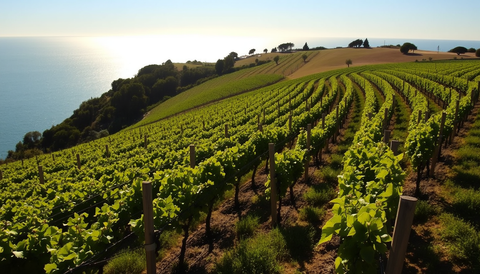
McLaren Vale's Mediterranean climate provides the warmth required for ripe Grenache and Shiraz, while the region's coastal influence helps preserve balance. The regional profile records a mean January temperature of 20.6°C to 21.5°C and growing-season rainfall of 180 to 200 mm, conditions associated with full-flavoured red wines. The 2019 season itself was drier than that regional pattern, which made blending decisions particularly important.
A producer might use Grenache as the dominant component for a medium-bodied, fruit-forward style. The 2019 Lloyd Brothers Grenache Shiraz Mourvèdre contained 65% Grenache and 32% Shiraz, with 14.5% alcohol, and was described as medium-bodied, fruit-forward and balanced in its technical tasting note.
Another producer may reverse the emphasis. A Shiraz-led blend will usually feel darker, firmer and more savoury, even when Grenache remains clearly visible in the aroma and finish.
Why blend instead of bottle straight Shiraz
Straight Shiraz shows McLaren Vale's most familiar red-wine identity, but a blend can improve proportion. Grenache can soften the perceived density of Shiraz and add aromatic detail. Shiraz can restrain Grenache's warmth and give the palate a more dependable finish.
For a deeper look at why regional producers are taking blends seriously, the discussion of GSM blends and the future of McLaren Vale reds is useful. The central buying lesson is simple: don't judge the style by the grape names alone. Read the ratio, then decide whether you want perfume and softness, or a darker, more structured expression.
What Made the 2019 Vintage in McLaren Vale So Different
A dry season, a late hail event and a January heat spike forced McLaren Vale growers to make tighter decisions in 2019. Growing-season rainfall from October to March measured 142 mm, below the regional average of 172 mm. Hail in late November damaged fruit in some vineyards, while temperatures reached 45°C in January. The McLaren Vale 2019 vintage account records the conditions and their effect on ripening.
The regional harvest totalled 33,038 tonnes, 9% below both 2018 and the five-year average of 36,492 tonnes for 2014 to 2018. Lower yields do not guarantee better wine, yet the regional report described lighter bunches and more concentrated flavour at harvest. For Grenache Shiraz, that combination could produce firmer structure and denser fruit, provided the producer managed heat and tannin carefully.
Market figures show how selective the season was. 83 respondents crushed McLaren Vale grapes, compared with 78 in 2018. Total fruit value was estimated at $59 million, versus $60 million in 2018 and $71 million in 2017. Red varieties accounted for 96% of the crush, and Shiraz made up 75% of red tonnage. Grenache represented 1,152 tonnes, averaging $1,858 per tonne, while Shiraz averaged $1,958 per tonne, its highest average since 2000. These figures come from the South Australian 2019 vintage report.
McLaren Vale 2019 Vintage at a Glance
| Metric | 2019 Result | Reference |
|---|---|---|
| Regional winegrape crush | 33,038 tonnes | regional report cited above |
| Five-year average crush, 2014 to 2018 | 36,492 tonnes | regional report cited above |
| Growing-season rainfall | 142 mm | vintage account cited above |
| Average growing-season rainfall | 172 mm | vintage account cited above |
| January heat spike | 45°C | vintage account cited above |
The lower-yielding conditions did not create one uniform 2019 style. A well-sited, carefully irrigated vineyard could deliver ripe fruit with usable freshness, while a hotter or more stressed block might show richer fruit and firmer phenolics. Producer choices therefore matter more than the vintage label alone when judging whether a bottle suits immediate drinking or further cellaring.
The regional pattern is only the starting point. This comparison of local McLaren Vale vintages helps place 2019 beside other seasons. For the bottle in front of you, check the producer's blend, tannin profile and stated release style before choosing its drinking window.
Reading the Numbers Behind Your Wine
A technical sheet can reveal whether a 2019 Grenache Shiraz is built for immediate pleasure or more deliberate ageing. Alcohol, pH, total acidity, residual sugar and oak duration don't replace tasting, but they help you understand the winemaker's intended balance.
One useful McLaren Vale reference is the 2019 S.C. Pannell The Vale Shiraz Grenache, made with 48% Grenache, 42% Shiraz and 10% Mourvèdre. Its technical information lists 14.0% alcohol, pH 3.53, total acidity of 5.57 g/L, residual sugar of 4.2 g/L and six months in French oak. The product note connects those choices with red-fruit character, structure and longevity. You can review the producer information on The Wine Collective's technical listing.

What those figures mean in the glass
Alcohol contributes body, warmth and sweetness of impression. A wine around the fourteen per cent range can still feel fresh if acidity and tannin provide counterweight. It may feel hot if the fruit is very ripe and the finish lacks lift.
pH relates to the wine's chemical acidity and stability. A lower pH generally supports a fresher impression, while a higher pH can make a warm-climate red seem broader and softer. The figure matters most alongside total acidity, because one number alone won't describe the whole palate.
French oak can add spice, toast, vanilla and a smoother texture, but more oak isn't automatically more quality. Six months, as used in the S.C. Pannell example, can support structure without burying Grenache's fragrant fruit.
How to assess an unfamiliar label
Look for a technical sheet if the bottle shop listing provides one. A wine with moderate alcohol, clear acidity and restrained oak is more likely to feel balanced at the table. A wine with no published figures can still be excellent, but you'll need to rely more heavily on producer reputation, release notes and a sample bottle.
The useful question isn't whether the wine sounds powerful. Ask whether fruit, acidity, tannin and oak have somewhere to go together.
Tasting Notes You Can Actually Expect in the Glass
The same 2019 vintage can produce two noticeably different wines depending on the blend ratio. Start with the front label or technical sheet, then decide whether the bottle leans towards Grenache brightness or Shiraz depth.
Grenache-led expressions
A Grenache-led wine usually opens with red fruit before darker notes emerge. Look for strawberry, raspberry, red cherry, red plum and warm spice, with a palate that feels rounded rather than densely packed. The best examples carry this generosity without becoming jammy.
The Lloyd Brothers 2019 blend is a useful reference because Grenache made up 65% of the wine, while Shiraz contributed 32%. Its reported style was medium-bodied, fruit-forward and balanced, which gives a practical picture of a Grenache-dominant McLaren Vale blend. The source is the Lloyd Brothers 2019 tasting note.
Grenache-led wines can also show a slight warmth through the finish, particularly when the vintage delivered ripe fruit. That isn't necessarily a fault. It becomes a problem only when alcohol overwhelms the fruit, acidity and savoury detail.
Shiraz-led expressions
Shiraz-led blends move the flavour profile towards blackberry, black plum, pepper, liquorice and darker savoury tones. The palate tends to feel firmer, with more obvious tannin and a longer structural finish. These wines are often better suited to roast or braised dishes than lighter Grenache-forward versions.
Oak can widen the gap. French oak may contribute cedar, spice and toast, while too much new-oak character can make a concentrated 2019 wine feel heavy. Look for oak that frames the fruit rather than replacing it.
| If the blend leads with | Expect more of | Choose it for |
|---|---|---|
| Grenache | Red fruit, perfume, supple texture | Roast chicken, lamb, Mediterranean vegetables |
| Shiraz | Dark fruit, pepper, tannin and savoury depth | Braised beef, grilled meats, rich sauces |
| A balanced ratio | Both red-fruit lift and darker structure | A versatile dinner bottle |
The most reliable tasting approach is to serve the wine with food before judging it. Concentrated fruit and firm tannin can seem stern alone, then become harmonious beside protein, herbs or slow-cooked vegetables.
How Long You Can Cellar a 2019 Bottle
A 2019 McLaren Vale Grenache Shiraz can be ready for dinner tonight or worth leaving in the cellar, depending on how the producer built it. The drier, lower-yielding vintage often delivered concentrated fruit, but concentration alone does not set a reliable ageing window. Some blends were released for early drinking, while others were made with longer development in mind.
One producer presents a 2019 blend as suitable for cellaring through 2039, while another held its wine for later release. Those different choices matter more than a generic vintage recommendation. Check the back label, producer website and release timing, then compare the bottle's structure with this practical framework for spotting age-worthy McLaren Vale Shiraz and Grenache.
Read the bottle's structure
Use these signals before deciding whether to open or hold it:
- Fruit profile: Fresh red and dark fruit should remain energetic rather than flat or stewed. Concentration supports longevity, but freshness keeps the wine enjoyable.
- Tannin: Firm, grainy tannin can soften in bottle. Drying or bitter tannin that dominates the finish is a less promising sign.
- Acidity: Noticeable lift gives the wine a better chance of developing than a broad, warm palate with little tension.
- Oak integration: Oak should sit within the fruit. Separate, heavy toast can make a concentrated wine feel tiring.
- Producer intent: A published cellaring recommendation carries more weight when it matches the blend, structure and maturation history.
The 2019 season makes producer-by-producer assessment particularly important. Lower yields can bring intensity, but heat exposure, irrigation, picking decisions and tannin management still shape the wine's future.
Drink now or wait
Open a fruit-forward bottle now when it smells clean, tastes balanced and finishes with energy. If the first pour seems closed or oak-led, give it air and reassess before serving the whole bottle. A structured release with firm tannin, good acidity and a clear recommendation for extended ageing is a better candidate for a stable, dark cellar.
Store traditional-cork bottles on their side, away from heat and light, with as few temperature swings as possible. With several bottles, open one now and hold another. Comparing them over time will reveal whether that producer's 2019 style is developing as intended, rather than relying on one category-wide drinking window.
Serving and Pairing a 2019 McLaren Vale Grenache Shiraz
A 2019 Grenache Shiraz deserves food that can meet its concentration without masking its perfume. Slow-cooked lamb is the obvious match, especially with rosemary, garlic and pan juices, but the wine's flexibility extends further. Shiraz-led versions suit grilled beef and braised dishes, while Grenache-forward bottles can work beautifully with roast chicken, lamb koftas and grilled vegetables.
Serve it cool enough to preserve freshness, but not so cold that the fruit disappears. A warm room can exaggerate alcohol and make the wine seem loose, while excessive chilling hardens tannin and suppresses aroma. Use a generous red-wine glass with enough room to swirl, especially if the wine has spent time in oak.
For a dinner, tasting or Cape Town event where presentation matters, browse this guide to Cape Town event glassware from ABC Hire. The right bowl shape won't repair an unbalanced wine, but it can help a structured red open and direct its aromas towards the nose.
Opening the bottle
Use the first pour as a diagnostic rather than immediately decanting the entire bottle. If it smells expressive and supple, serve it from the bottle and watch how it changes. If the wine seems tight, smoky or dominated by tannin, pour it into a decanter and taste again after some air.
A practical sequence works well:
- Open with dinner: Food will soften the wine's perception of tannin.
- Taste before decanting: Decide whether air is needed rather than following a fixed ritual.
- Decant structured examples: Give firm, oak-influenced bottles time to gather their fruit and savoury notes.
- Keep the final glass: The last pour often reveals whether the wine is unfolding or fading.
Pairing should follow the wine's structure. Rich lamb complements Shiraz tannin, figs echo Grenache's ripe fruit character, and smoky grilled vegetables bring out the savoury side without requiring a heavy meat dish.
Your Buying and Drinking Checklist for McLaren Vale 2019
A good purchase starts with the producer, not the vintage alone. The 2019 season created concentrated fruit under dry conditions, but the bottle's balance depends on how the winemaker handled Grenache, Shiraz, tannin and oak.
Use this checklist at the bottle shop:
- Read the ratio: More Grenache usually points towards red fruit and supple texture. More Shiraz generally means darker fruit and firmer structure.
- Look for technical detail: Alcohol, pH, acidity and oak duration can help you judge balance when a tasting sample isn't available.
- Check the producer's intent: A stated cellaring recommendation is more valuable than a generic claim that every 2019 red will improve for years.
- Inspect storage: Avoid bottles that have been exposed to heat, bright light or unstable conditions.
- Match the occasion: Choose a fruit-forward blend for an easy dinner, or a structured release for lamb, steak and a slower meal.
At home, open the wine with food, taste it before decanting and give it time to change in the glass. If the first pour is vibrant and balanced, enjoy it. If it's tight but structurally sound, air may help. If you have multiple bottles, stagger them rather than trusting a one-size-fits-all drinking window.
McLaren Vale Grenache Shiraz 2019 is most rewarding when you identify the style inside the label. The vintage supplies the context, but the producer decides whether that concentration becomes warmth, balance, perfume, structure or genuine ageing potential.
McLaren Vale Cellars offers McLaren Vale Grenache Shiraz selections, including a six-pack format, alongside tasting guides and regional wine education for shoppers comparing styles and vintages. Visit McLaren Vale Cellars to explore the range, compare Grenache-led and Shiraz-led options, and choose a bottle suited to your next dinner or cellar.
Comments (0)
There are no comments for this article. Be the first one to leave a message!