
Introduction
In 2025, the world of wine continues to evolve, offering enthusiasts an expansive array of options to explore and enjoy. The art of selecting the right varietal can significantly enhance your tasting experience, whether you're a novice or a seasoned connoisseur. With an increasing focus on sustainability, innovation, and regional diversity, understanding the nuances of wine varietals is more crucial than ever. This comprehensive guide aims to equip you with the knowledge, insights, and practical tips necessary to master the art of varietal selection and confidently choose the perfect wine for any occasion.
Understanding the Fundamentals of Wine Varietals
At its core, a wine's character is predominantly shaped by the grape varietal used in its production. Each varietal imparts unique flavors, aromas, and textures, which are further influenced by factors like climate, soil, and winemaking techniques. Recognizing these differences allows you to tailor your wine choices to suit your preferences and circumstances.
Some of the most renowned and widely appreciated wine varietals include:
- Cabernet Sauvignon – Known for its full-bodied profile, rich dark fruit flavors such as blackcurrant, blackberry, and plum, complemented by firm tannins and aging potential.
- Chardonnay – An incredibly versatile white wine, ranging from crisp and mineral-driven to lush and buttery, often exhibiting notes of apple, citrus, and tropical fruits.
- Pinot Noir – Light to medium-bodied with soft tannins, featuring flavors of red berries, cherry, raspberry, and often floral or earthy nuances.
- Sauvignon Blanc – Typically vibrant and refreshing, characterized by high acidity, citrus fruits, bell pepper, and grassy or herbal notes.
- Syrah/Shiraz – Bold and spicy, with flavors of blackberry, black pepper, and smoky or meaty undertones, ideal for hearty dishes.
The Significance of Terroir and Regional Characteristics
Beyond the grape varietal itself, the concept of terroir plays a pivotal role in defining a wine's identity. Terroir encompasses the soil, climate, topography, and even cultural practices of the vineyard region, all of which influence the wine's flavor profile. For instance, a Pinot Noir from Burgundy will differ markedly from one produced in Oregon, even though both are the same varietal.
In 2025, discovering regional expressions and understanding terroir can elevate your wine selection process. Exploring wines from renowned regions like Bordeaux, Napa Valley, Tuscany, and Barossa Valley can open your palate to new complexities and styles.
How to Choose the Perfect Wine: Factors to Consider
Finding the ideal wine involves balancing several critical factors:
- Food Pairing – Select wines that complement your meal’s flavors and textures. For example, high-tannin reds like Cabernet pair well with red meats, while crisp whites like Sauvignon Blanc go great with seafood or salads.
- Occasion and Atmosphere – The context of your wine experience matters. Celebrate with a sparkling wine, relax with a chilled rosé, or enjoy a contemplative red during an intimate dinner.
- Personal Preferences – Your taste preferences—whether you favor sweetness, acidity, tannins, or fruitiness—are vital in guiding your choices.
- Wine Age and Drinking Window – Be aware of whether a wine is meant to be enjoyed young or benefits from aging, which can add complexity.
- Price and Value – High-quality wines can be affordable; understanding value helps you make satisfying purchases within your budget.
Emerging Trends in 2025 that Influence Varietal Choices
The landscape of wine in 2025 is characterized by innovation, sustainability, and a pursuit of authenticity. Stay informed about these trends to refine your selections:
- Natural and Organic Wines – Consumers are increasingly seeking wines produced with minimal intervention, emphasizing purity of expression and sustainable practices.
- Climate-Resilient and Hybrid Varietals – In response to climate change, winemakers are developing and experimenting with grape varieties resilient to changing conditions, broadening available options.
- Experimental and Innovative Blends – Unusual blends and co-ferments are gaining popularity, offering unique flavor profiles and sensory experiences.
- Sustainable and Eco-Friendly Practices – Environmental consciousness influences not only vineyard management but also the packaging and distribution processes.
- Tech-Driven Personalization – Advanced data and AI tools help consumers discover wines aligned with their preferences more accurately than ever before.
Expert Tips for Mastering Varietal Selection
Achieving mastery in wine selection takes time, curiosity, and experimentation. Here are some tips to elevate your skills:
- Attend Tastings and Wine Events – Engage with sommeliers and fellow enthusiasts to learn about different varietals and regional styles firsthand.
- Maintain a Wine Journal – Record your tasting notes, preferences, and discoveries to refine your palate over time.
- Explore Diverse Regions and Styles – Don't limit yourself; venture beyond familiar wines to discover new favorites.
- Read Widely and Follow Experts – Use trusted wine publications, blogs, and reviews to stay informed about new releases and trends.
- Ask for Expert Recommendations – Consult with experienced sommeliers or knowledgeable staff at wine shops for personalized suggestions.
- Experiment with Food and Wine Pairings – Practice pairing different varietals with various dishes to develop an intuitive understanding of what works best together.
Creating a Well-Balanced Wine Collection in 2025
Building a diverse and balanced wine collection enhances your ability to select the perfect bottle for any occasion. Consider including:
- Entry-level, everyday wines for casual sipping
- Special occasion bottles, such as-premium reds or vintage sparkling wines
- Regional varieties to appreciate global terroir differences
- Innovative blends and experimental wines to explore new flavors
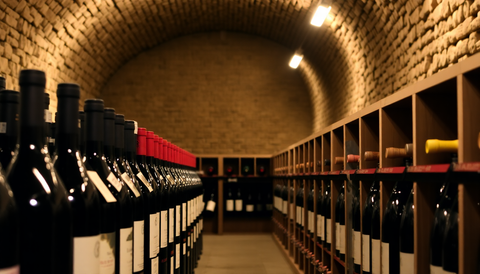
Storing your collection properly—maintaining appropriate temperature, humidity, and light conditions—ensures wines age gracefully and retain their qualities.
Conclusion
Mastering the art of varietal selection in 2025 is both an exciting and rewarding endeavor. By understanding the fundamentals of grape types, recognizing the influence of terroir, staying aware of current trends, and employing practical strategies, you can confidently choose wines that elevate your experiences and deepen your appreciation for the diversity of global winemaking. Remember, the journey of discovering your perfect wine is ongoing—embrace it with curiosity, openness, and enthusiasm. Cheers to becoming a true wine connoisseur in 2025!
Comments (0)
There are no comments for this article. Be the first one to leave a message!