
If you're after a red wine that's bold, plush, and packed with flavour, Malbec is your answer. Known for its strikingly deep purple colour and smooth, velvety texture, it’s a grape that delivers rich notes of plum, blackberry, and even a hint of dark chocolate. It's one of the most approachable yet satisfyingly complex reds you can pour.

Welcome to the World of Malbec
Let's get to know one of the most popular red wines on the planet. Whether you're just starting your wine adventure or you’ve been a fan for years, we’ll cover everything that makes this grape so special, from its French origins to its modern-day stardom in the New World.
Malbec has become a go-to for anyone seeking a bold red that consistently offers fantastic quality and value. Its secret lies in its versatility—it’s just as comfortable next to a weeknight pizza as it is alongside a celebratory steak dinner.
A Grape with Global Appeal
Originally from France, where it was a key blending grape in Bordeaux, Malbec has truly found its home away from home. It shot to fame in the high-altitude vineyards of Argentina and is now carving out a stellar reputation right here in Australian wine regions. Think of this guide as your personal introduction to Malbec’s many charms.
Here, our focus will be on its rising popularity in Australia, particularly in premier regions like McLaren Vale. Our winemakers are crafting Malbecs with a unique Aussie identity, balancing that signature robust fruit with an elegant, refined structure.
Malbec is a thick-skinned grape, which is where it gets its deep colour and moderate, supple tannins. This natural structure makes it a brilliant food wine, pairing beautifully with everything from grilled meats to rich, savoury sauces.
The Rise of Australian Malbec
While it might not grab the headlines quite like Shiraz, Malbec is quietly gaining a serious following among savvy Australian wine drinkers. In premium spots like McLaren Vale, it's becoming the insider’s choice for plush, powerful reds that punch well above their weight in value.
Plantings have been steadily increasing across the country, which is great news for red wine lovers. According to a recent Wine Australia report, this trend aligns with a 15% surge in national red wine production for 2026. For you, the wine drinker, this means more access to top-quality drops. Better yet, a McLaren Vale Malbec often delivers exceptional quality at prices 15-20% below its well-known Argentinian counterparts. You can see the numbers for yourself in the 2026-27 Malbec Variety Snapshot.
This guide will give you all the practical tips you need for choosing, serving, and pairing your next bottle. We’ll look at how the grape is transformed from vineyard to glass, and if you’re curious about the nuts and bolts, our guide on how red wine is made is the perfect place to start. Now, let’s get into it.
The Two Worlds of Malbec: France Versus the New World

Every grape has a backstory, but Malbec’s is a fascinating tale of two completely different identities. Depending on where it’s grown, this grape shows two distinct personalities, transforming from its rustic French roots to its glamorous New World expression. Getting your head around this contrast is the key to appreciating what makes a modern malbec red wine so special.
Think of it like two siblings raised on opposite sides of the world. One stayed in the ancestral village, developing a traditional, reserved character. The other moved to a sunnier place and became bold, outgoing, and impossible to ignore. That’s the story of Old World versus New World Malbec in a nutshell.
To really dig into these differences, it helps to understand the philosophies that separate these winemaking worlds. We break it all down in our guide on the key distinctions between New World and Old World wines.
The Old World Original from France
Back in its French homeland, especially in the Cahors region, Malbec goes by the name ‘Côt’. Here, it produces what locals have long called the "black wines of Cahors" for their deep, inky colour. This is the original, old-school version of Malbec.
French Malbec is shaped by a cooler, tougher climate. This means the wines are typically more structured and savoury. Instead of an upfront explosion of fruit, you’ll find a more restrained, earthy profile.
- Flavour Profile: Expect notes of tart black cherry, sour plum, and even a hint of green stem. These are layered with savoury, earthy tones of wet gravel, black pepper, and leather.
- Structure: These wines are famous for their firm, grippy tannins and higher acidity. This gives them a more rugged frame that’s built for ageing. They demand a bit of patience and really come alive when paired with rich food.
This style isn’t about instant gratification. It’s all about complexity and terroir—that unique sense of place the soil and climate give to the wine. It's a rustic, powerful, and truly thought-provoking drop.
The New World Superstar
When Malbec cuttings were brought to Argentina in the 19th century, the grape found its paradise. The high-altitude vineyards of Mendoza, with their endless sunshine and dry climate, allowed Malbec to ripen perfectly every time—something it often struggled with back in France. This gave birth to the New World style that now defines the grape for most wine drinkers.
This New World approach, which has also been perfected in Aussie regions like McLaren Vale, is all about showcasing ripe, generous fruit. The goal is a wine that is plush, smooth, and delicious from the moment you pop the cork.
In the New World, winemakers chase opulence. The sun-drenched grapes develop an incredible concentration of fruit and softer, more velvety tannins, creating a malbec red wine that is immediately approachable and has a wonderfully luscious texture.
This style is defined by its vibrant, fruit-forward character.
- Flavour Profile: Get ready for a symphony of ripe blackberry, juicy plum, and black cherry. These are often backed by sweet notes of vanilla, milk chocolate, and sweet tobacco from time spent in oak.
- Structure: The tannins are typically much softer and rounder, leading to a full-bodied but incredibly smooth, velvety mouthfeel. The acidity is there to keep it fresh, but it’s beautifully balanced, making the wine feel rich rather than sharp.
A McLaren Vale Malbec is the perfect example of this New World spirit. It delivers that signature bold fruit and luxurious texture, creating a wine that’s both powerful and effortlessly smooth—a profile that has won over wine lovers across the globe.
Decoding the Flavours and Aromas of Malbec

So, what does a malbec red wine actually taste like? It’s a question we get all the time, and the good news is that Malbec is one of the more straightforward and rewarding wines to get your head around. It’s a sensory journey that starts with a punch of bold fruit, picks up extra layers from the winemaker's touch, and can evolve into something truly special with a bit of time in the cellar.
Think of it like a three-piece band. First, you have the lead singer—the fruit. Then comes the rhythm section adding depth—the secondary notes. Finally, the background harmonies fill it all out—the complex characters that come with age. Let's break down each part.
Primary Flavours: The Fruit Core
At the heart of every good Malbec is a big, beautiful burst of dark fruit. These primary notes come straight from the grape itself and are the first thing you’ll notice when you take a sniff and a sip. Because Malbec is a thick-skinned grape, it soaks up the sun and develops an incredible concentration of fruit flavour, especially in a sunny spot like McLaren Vale.
You'll almost always find this trio of lush fruit notes:
- Black Plum: This is the classic Malbec calling card. It gives the wine a juicy, ripe, almost fleshy character that’s hard to miss.
- Blackberry: Picture a perfectly ripe, sun-warmed blackberry—it's sweet but has a slight tartness that brings it to life.
- Blueberry: This adds a slightly brighter, sweeter dimension, rounding out the darker plum and blackberry with a pop of freshness.
These notes are what make Malbec so instantly loveable and easy to drink. They’re bold, clear, and just plain delicious. If you want to get better at identifying these specific notes, have a look at our guide for decoding all kinds of wine aromas.
Secondary and Tertiary Notes: Beyond the Fruit
While that core of fruit is fantastic, it’s the supporting cast of characters that gives Malbec its real personality and depth. These notes are introduced during the winemaking process, particularly from time spent in oak barrels.
The winemaker’s choices are everything here. The type of oak they use, how long the wine hangs out in the barrel, and other little tricks of the trade can add layers of vanilla, spice, and even chocolate. It’s how a simple, fruit-forward wine becomes a complex, multi-layered experience.
Once you get past that initial fruit-bomb, you'll start to pick up these secondary notes that add a wonderful savoury and sweet complexity:
- Cocoa and Dark Chocolate: A signature of many New World Malbecs, this adds a rich, slightly bitter edge that works beautifully with all that dark fruit.
- Vanilla and Sweet Spice: This is often a tell-tale sign of ageing in new American or French oak, bringing a lovely warmth and subtle sweetness to the party.
- Sweet Tobacco: This adds an aromatic, almost leafy quality that provides a sophisticated counterpoint to the fruit.
Give a Malbec some time in the bottle, and it will start to develop even more complex tertiary notes. These are the hallmarks of a well-aged wine, revealing savoury characters like leather, damp earth, and dried figs. A young Malbec is all about that vibrant fruit, while a mature one tells a much more complex and fascinating story.
Use this table as a handy cheat sheet the next time you're swirling a glass.
Malbec Flavour Profile at a Glance
This quick guide breaks down the common characteristics you'll find in a glass of Malbec, from the initial fruit expression to the complexities that develop over time.
| Flavour Category | Common Notes in Malbec |
|---|---|
| Primary (Fruit) | Ripe Plum, Blackberry, Black Cherry, Blueberry |
| Secondary (Winemaking) | Vanilla, Cocoa, Dark Chocolate, Coffee, Sweet Tobacco |
| Tertiary (Ageing) | Leather, Earth, Dried Fruit, Fig, Molasses |
Understanding these layers is the key to appreciating the full journey of a malbec red wine, from a young and juicy drop to a beautifully aged bottle pulled from the back of the cellar.
Mastering Malbec Food Pairings
This is where a great malbec red wine truly comes alive—at the dinner table. We all know it’s brilliant with a grilled steak, but that’s just the beginning. Its real magic lies in a structure that seems tailor-made for rich, flavourful food.
Think of Malbec's moderate tannins and bright acidity as your palate’s best friend. They slice through fat and richness, cleaning things up between bites. This simple trick makes every mouthful of food taste as incredible as the first, which is why Malbec sings alongside umami-heavy and savoury dishes. It creates a perfect harmony where neither the wine nor the food shouts over the other.
It’s this structural balance that makes Malbec one of the ultimate food wines. It’s not just about matching flavour profiles; it’s about finding a partner that can stand up to a hearty meal without ever feeling heavy or aggressive.
Beyond the Steakhouse
Ready to move past the classics? Malbec’s bold fruit and savoury undertones make it a phenomenal match for an incredible range of dishes. This is a wine that loves big flavours, so don’t be afraid to get creative.
Here are a few ideas to get you started:
- Blue Cheese Burgers: The salty, pungent funk of blue cheese is a knockout contrast to Malbec’s ripe plum and blackberry. The wine’s structure cuts straight through the richness of the beef and cheese with ease.
- Smoky Barbecue: Malbec is a natural for anything coming off the grill. For a proper Aussie barbie, try it with smoky beef brisket, sticky pork ribs, or even some gourmet snags with a bit of spice.
- Mushroom-Driven Dishes: The earthy, umami character of mushrooms perfectly echoes the savoury notes found in Malbec. It’s a dream with creamy mushroom risotto, a hearty mushroom and lentil pie, or grilled portobellos loaded with herbs.
These pairings just work. They lean into everything Malbec does well—handling richness, complementing umami, and standing shoulder-to-shoulder with bold, smoky flavours.
Pairing Principles for Malbec
Instead of just memorising a list of pairings, it’s far more useful to understand the core idea. Malbec’s friendly structure and fruit-forward personality make it a reliable partner for a surprising variety of cuisines, and it isn’t afraid of a little spice, either.
The rule of thumb with Malbec is to match its weight and intensity. Because it's a full-bodied red, it pairs best with equally robust and flavourful dishes. Think hearty, not delicate.
With that in mind, consider these less-common but brilliant pairings:
- Spicy Sausages: A bit of heat from a chorizo or a spicy Italian sausage is beautifully tamed by the plush, generous fruit in the wine.
- Hard, Aged Cheeses: A sharp cheddar, Spanish Manchego, or an aged Gouda has the intensity and texture to go toe-to-toe with Malbec’s bold profile.
- Dark Chocolate Desserts: Now this is a fantastic way to finish a meal. The bitter notes in high-quality dark chocolate bring out the cocoa and dark fruit in the wine, creating a truly decadent experience. Try it with a flourless chocolate cake or a rich mousse.
By focusing on dishes with rich, savoury, and even slightly spicy or smoky elements, you’ll find that a bottle of malbec red wine is one of the most rewarding and reliable partners for your culinary adventures. It’s a wine built for food and made for enjoyment.
Serving and Storing Your Malbec for Peak Enjoyment
To get the absolute most from your Malbec red wine, you need to treat it right from the moment you bring it home to the second it’s poured. This isn’t about being fussy; it’s about unlocking all the delicious flavours and aromas the winemaker worked so hard to create.
Think of it this way: you wouldn't serve gourmet ice cream warm, and the same principle applies here. Simple adjustments to temperature and aeration can completely transform your tasting experience, turning a good glass of wine into a great one. Serving a Malbec at the wrong temperature can make it taste flat, soupy, or unpleasantly alcoholic.
Finding the Perfect Serving Temperature
The ideal temperature for serving Malbec is actually a little cooler than most people think—somewhere between 15°C and 18°C. If you serve it too warm, the alcohol fumes can dominate and mask those beautiful dark fruit notes. Serve it too cold, and the tannins can feel harsh and astringent, while the flavours stay frustratingly muted.
Here’s a simple trick: just pop the bottle in the fridge for about 15-20 minutes before you plan to open it. This brings it down to the perfect "cellar temperature," allowing its signature plum, blackberry, and violet notes to shine without being overpowered. If you're serious about your collection, you might consider investing in one of the best wine coolers for home to keep every bottle perfectly ready.
To Decant or Not to Decant
Decanting, which just means pouring the wine into another container before serving, is another fantastic tool in your arsenal. It does two key things: it separates the wine from any sediment that might have formed in an older bottle, and it introduces a bit of oxygen.
Think of decanting like stretching before a run. It helps the wine "wake up" and become more expressive, softening its edges and allowing its full personality to come forward.
For the best results, follow these simple guidelines:
- Young, Bold Malbec (1-3 years old): Give it about 30-60 minutes in a decanter. This will help smooth out its youthful, robust tannins and really bring the fruit to the forefront.
- Aged Malbec (5+ years old): A shorter decant of around 20-30 minutes is all you need, mainly to separate it from any sediment. Be gentle, as the delicate aged aromas can fade if they get too much air.
Cellaring and Ageing Your Malbec
While many Malbecs are crafted to be enjoyed young and vibrant, the best bottles have excellent ageing potential. We're seeing more and more premium Malbecs on the market, with 40% of McLaren Vale bottles now fetching over $30. These wines, often from our sun-drenched slopes, have the structure to evolve beautifully over time, some for up to 15 years. It’s a real testament to the grape’s impressive adaptability from its French heritage, now thriving in Australian conditions.
If you plan to cellar a Malbec, store it on its side in a cool, dark place where the temperature is consistent. A good McLaren Vale Malbec can develop wonderfully for 5-10 years, shedding its primary fruit intensity for more complex, savoury notes of leather, tobacco, and earth.
Discovering McLaren Vale Malbec

While Argentina famously put Malbec on the world map, Australia is writing its own exciting new chapter for the grape, with McLaren Vale right at the heart of the story. This iconic South Australian region is one of our best-kept secrets for producing a style of malbec red wine that’s distinctively powerful, yet surprisingly elegant.
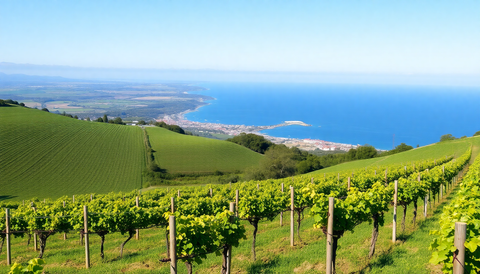
Think of McLaren Vale as the perfect nursery for growing world-class Malbec. The warm, Mediterranean climate, cooled by gentle sea breezes from the nearby Gulf St Vincent, gives the grapes the long, sunny days they need to develop those deep, ripe fruit flavours Malbec is loved for. It’s not just about the heat, though; it's a balanced, steady warmth that builds incredible complexity.
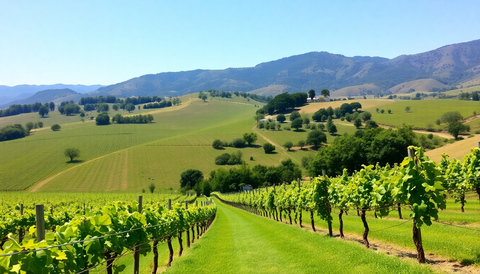
The other half of the magic lies in the region's ancient, incredibly varied geology. With soils dating back over 550 million years, the vines push their roots deep through everything from rich loam and sand to gnarly ironstone. This patchwork of soils gives McLaren Vale Malbec its unique signature—a plush, fruity character that’s grounded by a savoury depth you just don’t find everywhere else.
The McLaren Vale Malbec Style
So, what makes a McLaren Vale Malbec stand out in a blind tasting? It’s all about a beautiful tension between raw power and refined polish. These wines have that generous, fruit-forward personality of a New World red, but with a sophisticated structure that gives them a real edge.
Pour a glass and you'll find a wine that's deeply coloured and wonderfully aromatic, practically bursting with notes of ripe dark plum, blackberry, and a floral hint of violet. This is often followed by rich layers of dark chocolate, mocha, and a subtle spice from just the right amount of time in oak.
The defining feature of McLaren Vale Malbec is its texture. The tannins are typically soft, velvety, and so well-integrated that they create a full-bodied wine that feels luxurious and smooth on the palate, never heavy. It's this combination of rich flavour and supple mouthfeel that makes them so incredibly compelling.
How to Explore McLaren Vale Malbec
The best part of this journey, of course, is getting to taste these exceptional wines. If you’re new to the region’s style, starting with a curated selection is the perfect way to get a feel for the nuances between different winemakers.
Here are a few great ways to kick off your tasting adventure:
- Try a "Half & Half" Pack: Many cellars offer mixed half-dozens that put a McLaren Vale Malbec right alongside a regional hero like Shiraz. Tasting them side-by-side is a fantastic way to see what makes each grape so special when grown in the same world-class terroir.
- Look for Single Vineyard Expressions: As you get more familiar, hunt down a Malbec from a single vineyard. These wines are the purest expression of a specific site, beautifully showing how one small patch of dirt can completely shape a wine’s personality.
- Explore Value Bundles: The secret is getting out, but savvy buyers can still find incredible value. For some context, the region's Malbec plantings have more than doubled since 2017 to over 250 hectares. This growth now yields roughly 1,500 tonnes of grapes for powerful wines, often hitting around 14.5% ABV, which now feature in 20% of our premium red sample pack sales. Wineries have found great success clearing stock this way, with our rewards members showing a 30% repeat purchase rate. For those looking for a bargain, a half-dozen case often averages around $150—a steal at 25% below the recommended retail price. You can explore more of these market trends in this in-depth analysis of the Malbec wine sector.
By taking that first sip, you’re not just trying a new malbec red wine; you're discovering a unique piece of Australia’s wine identity that is rich, rewarding, and more than ready for the spotlight.
Your Malbec Questions, Answered
Even after getting to grips with the basics, a few questions about Malbec tend to pop up. We get it. So, let's tackle the common curiosities we hear from fellow wine lovers to help you feel even more confident grabbing your next bottle of malbec red wine.
Is Malbec a Sweet or Dry Wine?
You can rest easy on this one: Malbec is almost always made as a dry red wine. During fermentation, the yeast converts virtually all the natural grape sugars into alcohol, leaving very little sweetness behind.
So why the confusion? It’s all about that famously fruit-forward character. The rich, generous flavours of ripe plum, juicy blackberry, and dark cherry can trick your palate into sensing sweetness. This is especially true for New World styles from places like McLaren Vale. While it feels opulent and luscious, the finish is typically smooth, balanced, and distinctly dry.
How Does Malbec Compare to Shiraz or Cabernet Sauvignon?
It’s always helpful to stack up a wine against other bold reds you might know. Each of these grapes has a totally unique personality.
-
Compared to Shiraz: Malbec generally has softer, more velvety tannins and a plusher body. While a classic Aussie Shiraz often hits you with spicy black pepper notes, Malbec leans more into deep plum, fragrant violet, and rich chocolate flavours.
-
Compared to Cabernet Sauvignon: Malbec is typically less grippy and acidic. Cabernet can have a much firmer structure and sometimes those classic green bell pepper or leafy herb notes. Malbec, on the other hand, is often rounder and more fruit-driven right out of the gate, making it incredibly approachable even when it’s young.
In short, if you love the boldness of Cabernet and the richness of Shiraz but sometimes want something with a smoother, more supple texture, Malbec is the perfect wine to reach for.
What Is the Best Way to Start Exploring Malbec?
A brilliant way to kick off your Malbec journey is with a "tale of two regions" tasting. Just grab a bottle from its powerhouse home in Mendoza, Argentina, and taste it alongside one from here in McLaren Vale. This simple side-by-side comparison is the perfect way to see the classic, powerful New World style in action.
Want to take it a step further? Add a Malbec (or 'Côt', as it’s known there) from Cahors, France, into the mix. This will give you a fantastic feel for its earthier, more structured Old World origins. Starting with a curated sample pack is a great, value-driven way to explore these different expressions without committing to a full case of a single style.
Why Is McLaren Vale a Good Region for Malbec?
McLaren Vale's unique combination of climate and geology makes it a dream spot for growing world-class Malbec. Our region is blessed with a warm, dry Mediterranean climate that gives us plenty of sunshine to ripen the grapes fully, developing those deep, concentrated fruit flavours we all love.
But here’s the crucial part: our proximity to the Gulf St Vincent. Those cooling afternoon sea breezes sweep through the vineyards, helping the grapes hold onto enough natural acidity to keep the wines balanced and fresh. This prevents them from becoming heavy or tasting like jam. It's this perfect dance of factors that results in a malbec red wine that’s both powerful and rich, yet still remarkably elegant.
Ready to explore the best of Australian Malbec? Discover our hand-picked selection at McLaren Vale Cellars, where you can find curated packs and premium bottles that showcase the power and elegance of our region. Shop our Malbec collection today.
Comments (0)
There are no comments for this article. Be the first one to leave a message!