
In Australia, low alcohol wine legally means under 1.15% ABV, not the 4% to 8% rosé many shoppers assume they're buying. That gap matters because the bottle you expect to drink like a lighter summer wine may behave more like a dealcoholised product in the glass.
That's the first misunderstanding to clear up if you're curious about low alcohol rosé. Many people don't get stuck on flavour first. They get stuck on the label. They see “low alcohol”, picture a breezy pink wine for lunch, then open something far leaner, softer, and less warming than expected.
Australia is a useful place to talk about this because the category is growing, but it's still small enough that language and shelf cues can mislead buyers. Wine Australia reported that in the five years to 2023, low-alcohol wine consumption increased by 21% per year to 3.3 million cases globally, while Australia consumed about 400,000 cases, making it the second-largest low-alcohol wine market and putting it on track to exceed 500,000 cases by 2028 in projection (Wine Australia market bulletin). At the same time, rosé has become more relevant in the local mix, so low alcohol rosé isn't a fringe curiosity anymore. It's a real shopping decision.
The problem is that consumer understanding hasn't caught up. An Australian consumer study found that most respondents thought low-alcohol wine meant roughly 3% to 8% ABV, while reporting around the Pacific Light Wines debate noted that only 29% of consumers could correctly identify the ABV threshold separating low-alcohol wine from standard wine (Australian consumer study summary). That's why this style needs a practical explanation, not vague wellness language.
What Low Alcohol Rosé Really Means
What are you buying when a bottle says low alcohol rosé in Australia. A lighter lunch wine, or something much closer to dealcoholised wine.
That gap matters because Australian labelling draws a firmer line than many shoppers expect. Wine Australia allows the term “low alcohol” only for products under 1.15% ABV, and its labelling guidance also sets rules around minimum alcohol for wine products and how alcohol must be declared below 6.5% ABV (Wine Australia low-alcohol labelling rules). In plain terms, “low alcohol” is a legal category, not a casual way of saying fresh, light, or easygoing.
A useful comparison is skim milk versus lighter cream. Both feel less rich than full cream, but they are not the same product. In the same way, a rosé at 0.5% or 1.0% ABV will usually behave very differently in the glass from one at 7%, 9%, or 11%.
That is where bottle shop confusion starts. The earlier consumer research cited in this article found that many Australian shoppers place low-alcohol wine somewhere in the broad middle, around 3% to 8% ABV. Australian shelves do not work that way. The regulatory cut-off sits far lower, so a bottle labelled “low alcohol” is usually closer to near-zero wine than to a lighter-style rosé.
Why the ABV gap changes expectations
Alcohol does more than add warmth. It carries aroma, fills out the palate, and gives wine a gentle sense of weight, a little like how stock gives soup body. Remove most of it, and the wine can feel slimmer, cooler, and less rounded, even when the fruit flavours still point toward strawberry, watermelon, or pink citrus.
So if your goal is “rosé, but a bit lighter,” the label alone is not enough. Check the number. A shopper looking for the texture and rhythm of conventional rosé may prefer a lower-strength wine above the legal low-alcohol threshold rather than a true under-1.15% product.
If you want more context on how producers and retailers describe that trade-off, this guide to low alcohol wines and the quality versus compromise question gives a clear overview.
Why rosé makes this especially noticeable
Rosé sits in a delicate zone. Red wine can hide a little alcohol loss behind tannin and darker fruit. Crisp white wine can lean on acidity. Rosé often depends on balance between bright fruit, floral lift, faint savoury edges, and a soft, juicy mid-palate. Once alcohol drops sharply, that balance can shift fast.
That is especially relevant in Australia, where rosé is already a familiar choice rather than a novelty. Shoppers often know the mood they want. Cold, pink, refreshing, not too heavy. The label “low alcohol” does not always deliver that exact experience unless you understand the ABV line first.
How Low Alcohol Rosé Is Made
The easiest mistake is to imagine low alcohol rosé as ordinary rosé with less everything. That's not how careful producers approach it.
It usually starts as real wine
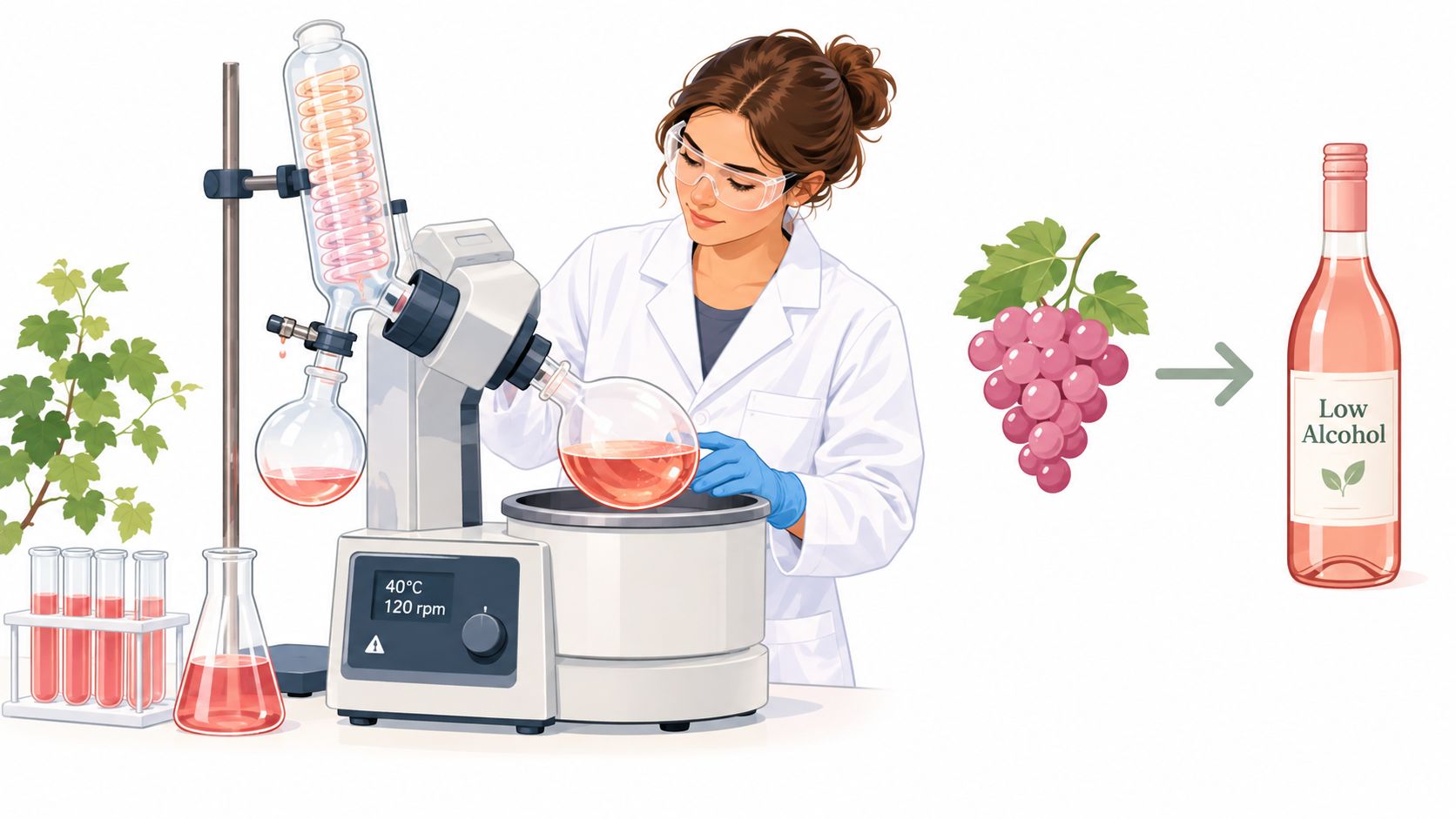
A serious low alcohol rosé typically begins life as a normal rosé. Grapes are grown, picked, fermented, and shaped into a finished base wine. Only after that does the producer reduce or remove alcohol.
That distinction matters because it explains why some bottles still show recognisable wine character. They didn't begin as flavoured grape juice. They began as wine with structure, acidity, aroma, and phenolic texture.
Dealcoholisation is a flavour-management problem
Modern low alcohol production often uses methods such as vacuum distillation or reverse osmosis to remove ethanol while trying to keep delicate aroma compounds in place. Rosé makes that challenge obvious. Its appeal often sits in fine details like lifted strawberry, watermelon rind, rose petal, or citrus blossom. If those details disappear, the wine can taste flat very quickly.
Wine Australia's research work on low- and no-alcohol wines specifically analysed sparkling, white/rosé, and red wines to understand technical and sensory constraints across styles, while an AWRI-backed two-year project evaluated production practices, technologies, and ingredients to make wines with attributes closer to full-alcohol dry wines (Wine Australia NOLO technical project).
The hard part isn't only removing alcohol. It's rebuilding balance after alcohol is gone.
Alcohol does several quiet jobs in wine. It carries aroma, adds width to the palate, softens sharp edges, and gives a gentle warmth on the finish. Take it away and winemakers must compensate elsewhere, often through acidity, texture, sweetness management, and aromatic precision.
Why some low alcohol rosés taste more convincing than others
Making a sauce after reducing one of its core ingredients is a good comparison. The flavour can still be delicious, but the whole recipe has to be adjusted. In wine, that may mean preserving fruit brightness, avoiding cloying sweetness, and stopping the wine from feeling hollow through the mid-palate.
Three signs usually separate a better bottle from a weak one:
- Aromatics stay vivid. You can still smell fresh berries, herbs, flowers, or citrus rather than generic confection.
- Sweetness is controlled. The wine may show a touch of softness, but it shouldn't collapse into lolly-like fruit.
- The finish stays clean. Even without much alcohol, you want a tidy, appetising close.
Rosé is one of the more promising formats because freshness is already part of its identity. That gives winemakers something useful to work with.
What Low Alcohol Rosé Tastes Like
The short answer is yes, it can still taste like wine. But it won't taste like every rosé you've had before.
What stays and what changes
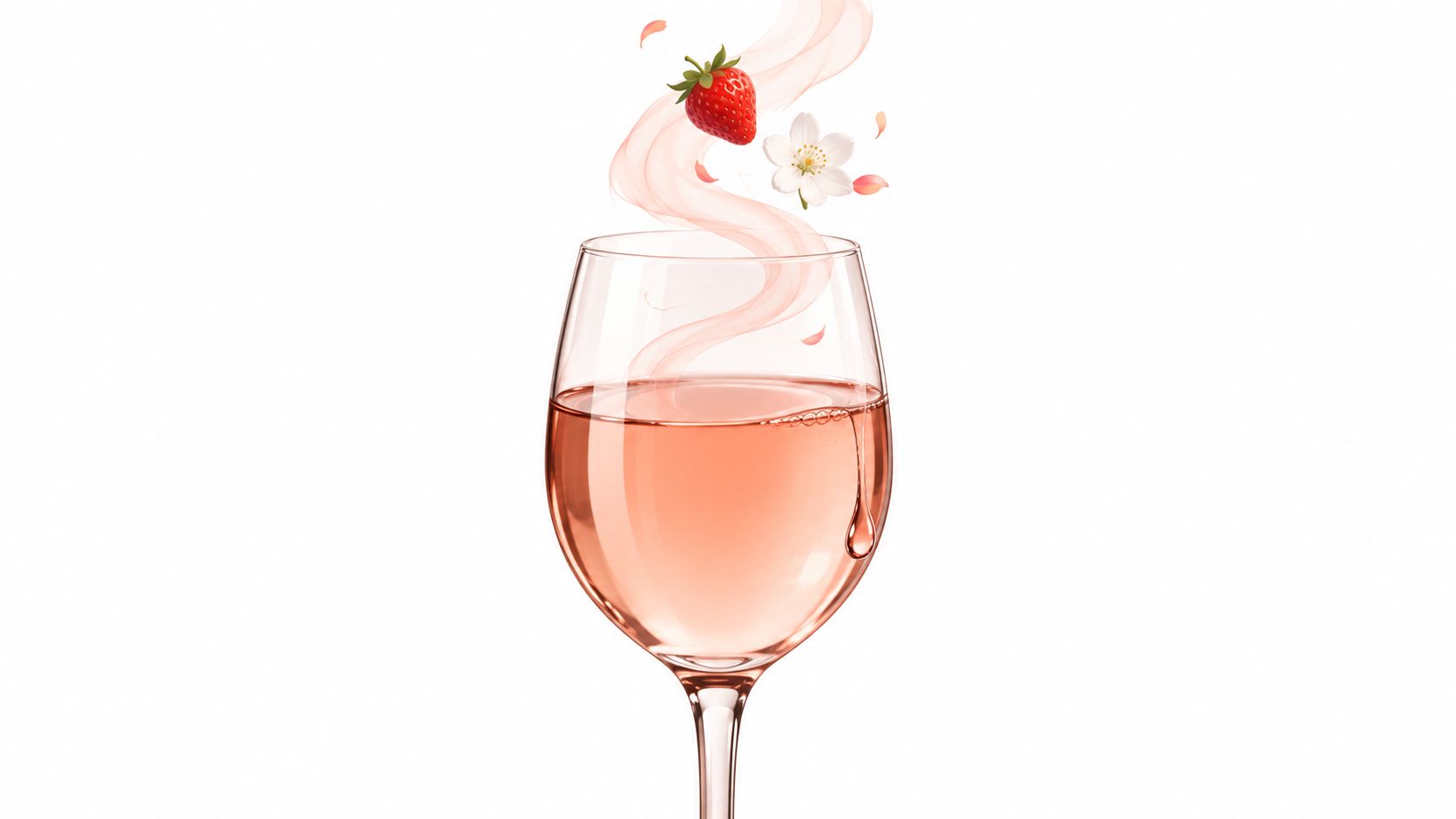
A good low alcohol rosé often keeps the bright end of rosé's personality. You may find notes that suggest fresh strawberry, watermelon, pink grapefruit, cranberry, or a floral lift that feels like rose petal or citrus blossom. The best versions smell inviting straight away and feel crisp rather than sticky.
What usually changes is the centre of the palate. Alcohol gives ordinary wine a kind of cushion. Without it, the wine can feel slimmer and more angular. Instead of a soft, gliding shape across the tongue, you get more of a crisp line.
That's why many people enjoy low alcohol rosé well chilled. The style leans into refreshment. It doesn't rely on warmth or heft to make its point.
A useful comparison in the glass
If full-strength Australian rosé can feel like a bowl of summer fruit with a gentle savoury edge, low alcohol rosé often feels more like freshly cut berries with a squeeze of citrus and a cool finish. It's less broad, less warming, and usually less layered through the end of the sip.
For some drinkers, that sounds like a compromise. For others, it's the whole attraction. On a hot day, that lighter profile can be exactly what you want.
If you'd like a refresher on how classic rosé styles build their colour, texture, and fruit profile, this guide to understanding the pink drink revolution gives useful background.
Taste follows expectation more than people realise
A lot of disappointment comes from pouring the wrong style for the wrong moment. If you open a true low alcohol rosé expecting the body and finish of a standard dinner rosé, it may seem thin. If you open it expecting a cold, brisk, fruit-led drink for a warm afternoon, it often makes much more sense.
One more visual explainer can help if you're trying to picture the category in everyday terms.
Serve it colder than you might serve a fuller rosé, and judge it on freshness, not power.
Understanding the Two Main Styles Available
The most helpful way to shop is to stop treating low alcohol rosé as one thing. In practice, most buyers are choosing between two different experiences.
Near-zero rosé and lighter rosé aren't the same purchase
One style is the true low alcohol category under the legal threshold discussed earlier. These wines are built for people who want the ritual and flavour cues of wine with very little alcohol. The other style is what many shoppers casually mean when they ask for low alcohol rosé: a lighter, easier-drinking rosé that still behaves like table wine.
Those two bottles can belong to the same conversation, but they solve different problems.
Comparing Low Alcohol and Lighter Rosé Styles
| Style Category | Typical ABV Range | Best For | Flavour Profile |
|---|---|---|---|
| True low alcohol rosé | Under 1.15% ABV | Drivers, moderation-focused occasions, alcohol-light entertaining | Crisp, aromatic, lighter-bodied, often more delicate through the finish |
| Lighter rosé style | Roughly 4% to 8% ABV in common shopper understanding | Lunches, long afternoons, sessionable drinking, people wanting a gentler wine experience | More wine-like shape, broader palate, more familiar rosé weight and finish |
The second line reflects how shoppers commonly talk, not the Australian legal definition. That distinction is the whole point.
How to choose without buyer's remorse
Use the occasion first.
- Choose true low alcohol rosé if alcohol level is the main concern and you want a bottle that suits a designated driver, a moderation month, or a mixed table where some guests aren't drinking much.
- Choose a lighter rosé style if you still want a proper wine arc from aroma to finish and prefer something less heavy than a standard bottle.
- Check the ABV before anything else because the phrase on the front label won't always tell you the full sensory story.
Australian trade research also suggests the strongest stocked low/no categories are sparkling, white, and rosé, while a broader shift continues toward lighter, more refreshing wines such as rosé, Pinot Grigio/Gris, and Prosecco (AWRI trade research summary). That's why some people asking for low alcohol rosé may be looking for refreshment and moderation, not necessarily the lowest ABV possible.
If you enjoy comparing regional expressions of pink wine more broadly, it can also be useful to discover English rosé wine and notice how climate and ripeness shift the style.
The Best Food Pairings for Low Alcohol Rosé
Pairing low alcohol rosé gets easier once you stop asking it to do the job of a broader, fuller wine.
Think freshness first
Alcohol usually adds weight. When there's less of it, the wine leans more heavily on acidity, fruit brightness, and chill. That means low alcohol rosé tends to shine with foods that are fresh, lightly cooked, saline, herbal, or gently spicy.
Good pairings feel like they move in the same register as the wine. You want lift, not force.
What works on the table
Some combinations are especially forgiving:
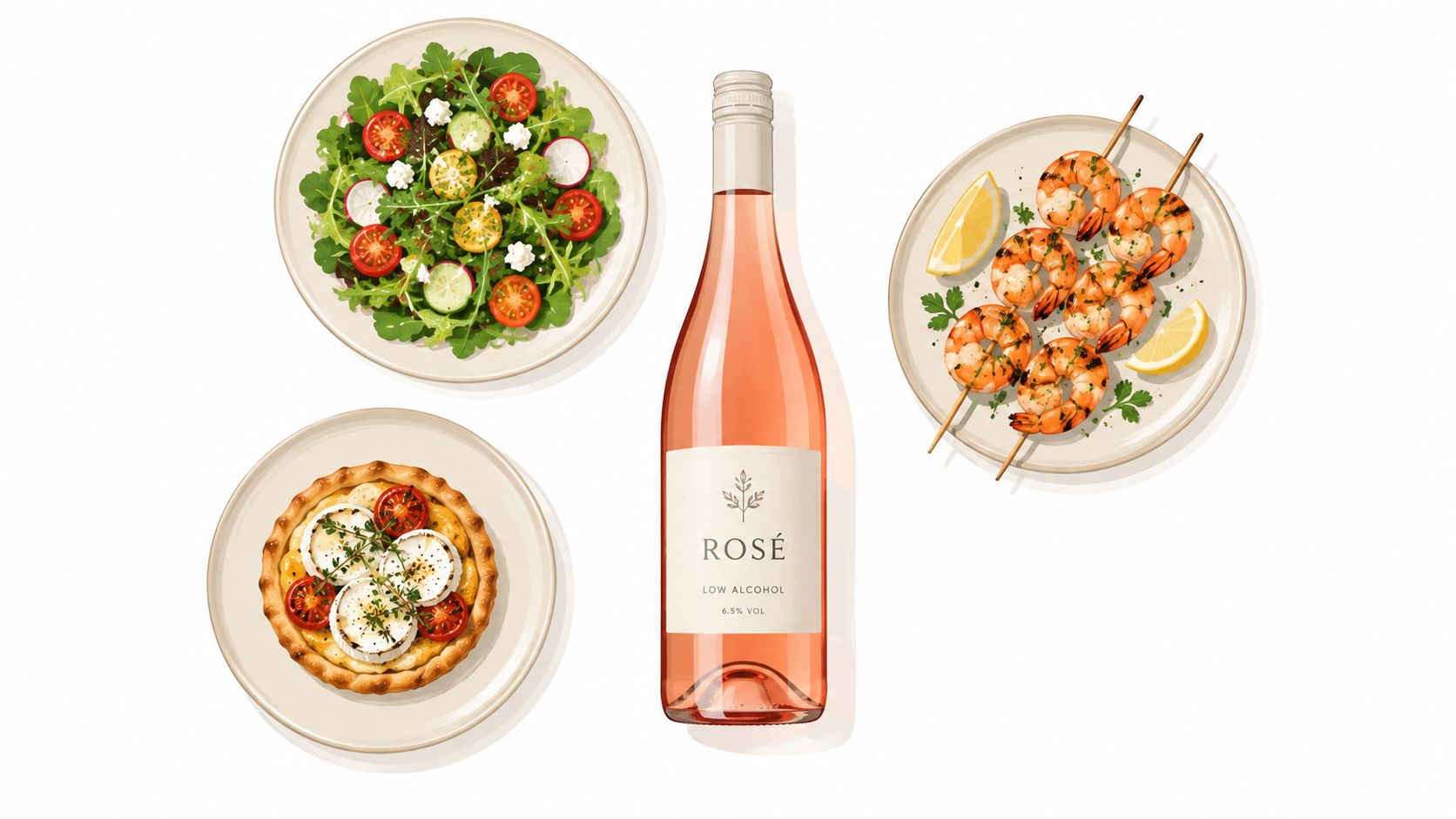
- Seafood and shellfish. Grilled prawns, poached salmon, or a cold seafood platter suit the wine's brisk, pink-citrus edge.
- Fresh cheeses. Goat cheese, feta, and young cow's milk cheeses echo rosé's tang and fruit.
- Salads with real flavour. Think herbs, olives, tomatoes, roast pumpkin, strawberries, or vinaigrette rather than plain leaves.
- Spiced dishes. Thai basil, chilli, ginger, or light Indian spice can work well when the wine has enough fruit to cool the palate.
A low alcohol rosé usually pairs better by refreshing the mouth than by matching richness.
Where people go wrong
The most common mismatch is heavy char and dense protein. A delicate rosé under the true low alcohol threshold can struggle beside a big steak, sticky ribs, or very smoky barbecue. The food keeps building while the wine fades.
That doesn't mean it's useless at a barbecue. It just means you'll get a better result with grilled chicken, prawn skewers, vegetable tarts, herb-marinated fish, or lamb cooked with restraint rather than brute force.
If you cook often and need ideas for dishes that normally call for wine in the pan, this guide on how to replace white wine in risotto is a practical kitchen resource. It helps when you want flavour balance without relying on a standard bottle.
A simple pairing rule
Match body to body and freshness to freshness. If the food feels bright, juicy, herbal, or lightly creamy, low alcohol rosé often slips neatly into place. If the dish feels dark, dense, or heavily caramelised, choose a wine with more weight.
Why McLaren Vale Produces Exceptional Low Alcohol Rosé
Low alcohol rosé lives or dies on fruit quality. When alcohol is reduced, there's less room to hide. Thin fruit becomes obvious. Hard acidity sticks out. Any imbalance shows up quickly.
Why regional fruit matters so much
That's where McLaren Vale becomes interesting. The region has a Mediterranean climate and a strong reputation for ripe, expressive red varieties. In rosé terms, that can mean grapes with plenty of flavour before the alcohol question even enters the conversation.
For low alcohol production, that matters because dealcoholisation can strip away some roundness. If the base wine begins with vivid fruit, generous aroma, and a steady line of natural flavour, the final bottle has more to work with. You're not trying to rescue a neutral wine. You're trying to preserve a characterful one.
What that can mean in the glass
McLaren Vale rosé fruit often points toward a sunlit profile. Think ripe strawberry rather than barely-there red fruit. Think watermelon flesh, redcurrant brightness, sometimes a little spice or savoury herb note depending on variety and picking date.
When that kind of fruit becomes the base for a lower-alcohol style, the result can stay recognisably rosé even after some softness is lost. The wine may feel lighter, but it doesn't need to feel anonymous.
For readers who want a broader sense of why the region performs so well across styles, this overview of why McLaren Vale wines are so highly regarded is worth reading.
A sensible way to shop the category
If you're buying low alcohol rosé from any region, look for three things:
- Clarity about ABV so you know whether you're buying a true low alcohol product or a lighter rosé style.
- A region with flavour concentration because the wine needs fruit presence to remain satisfying after alcohol is reduced.
- A retailer that gives style context rather than only listing tasting notes.
One practical option is McLaren Vale Cellars, which offers rosé within its broader McLaren Vale-focused range and provides wine education alongside the bottles. That matters here because low alcohol rosé is easier to buy well when the retailer helps you connect style, region, and occasion instead of leaving you with a vague shelf label.
The central point is simple. In this category, terroir isn't just romantic language. It affects whether the finished wine still tastes alive.
If you're curious about how regional fruit changes the experience of lighter pink wines, McLaren Vale Cellars offers rosé selections, mixed buying options, and wine education that can help you choose with more confidence. It's a useful place to explore if you want to compare classic rosé styles with bottles that suit moderation, warm-weather drinking, and food-friendly occasions.

Comments (0)
There are no comments for this article. Be the first one to leave a message!