
Friends turn up unannounced, the wine fridge looks a bit ordinary, and you still want something that feels properly put together. That's where liqueur cocktail recipes earn their keep. One decent bottle, one fresh citrus, and one base spirit can carry you from aperitif to after-dinner drink without a hard run to the shops, and that logic goes right back to the way cocktail recipes evolved in the 1800s, when published drinks moved from simple spirit-sugar-water-bitters formulas toward mixes that included vermouth and liqueurs, with classic structures like the Brandy Crusta helping define the modern style of service (history of cocktails and liqueur-based recipes).
Australian buyers already know the appeal of well-made drinks with a bit of polish. The local spirits market is broad, with Australia importing about A$1.21 billion of spirits overall in 2024, while gin alone accounted for roughly A$184 million, a sign of how much room there is for mixed drinks built on modifiers and sweetening agents rather than just neat pours (Australian spirits import context and liqueur-cocktail history). That's why this list keeps things practical, not precious. Every recipe is paired with a McLaren Vale wine or fortified style, so you can move from glass to glass with a clear flavour plan and a regional twist that feels right at home.
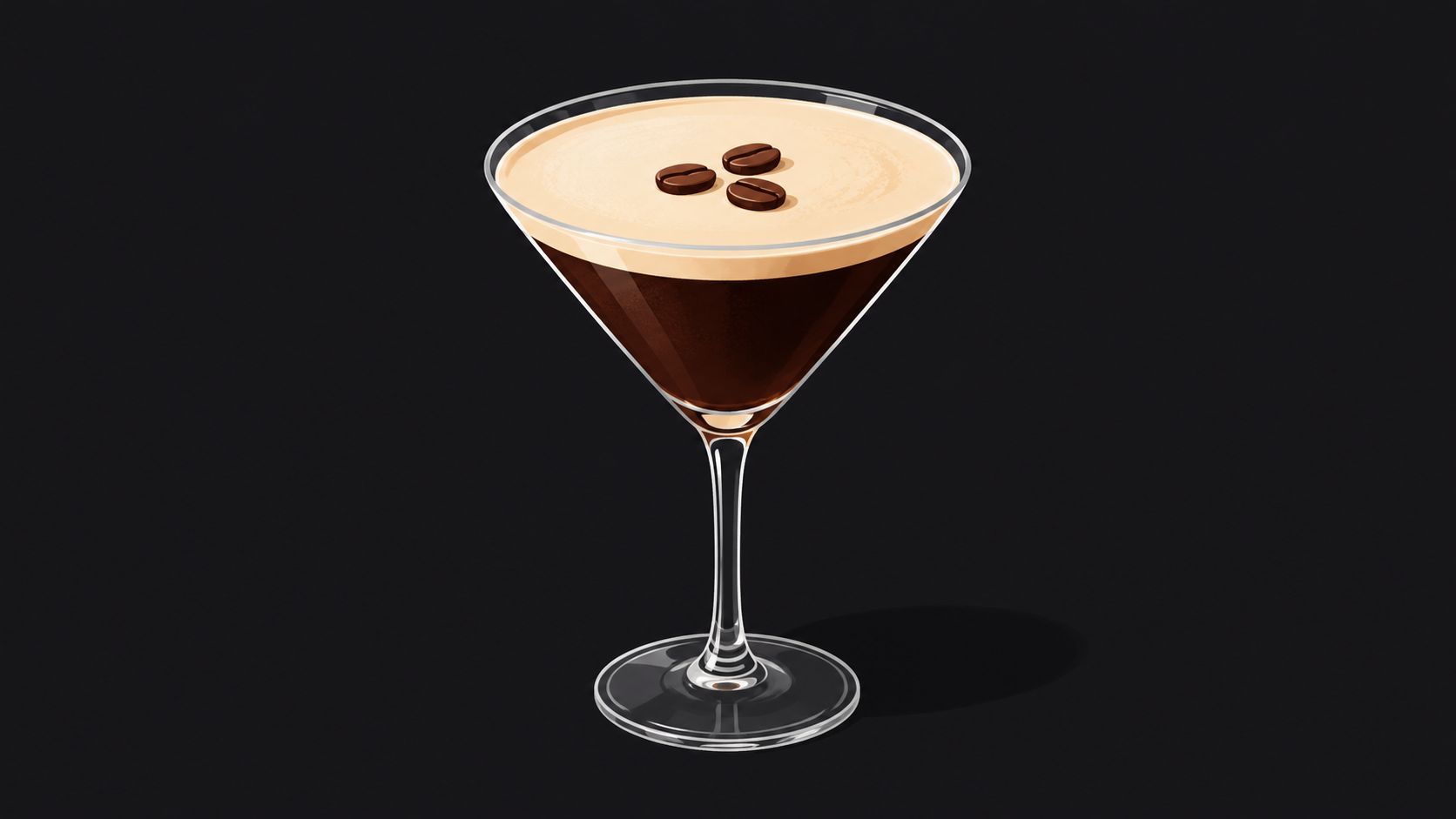
1. Espresso Martini with Liqueur Enhancement
The espresso martini still earns its place because it solves a real end-of-night problem. Dinner is finished, the room wants one more drink, and you need something polished without dragging everyone into a full bar setup. A good coffee liqueur gives the vodka more depth, while fresh espresso adds the lift and crema that makes the glass look sharp.
Treat the coffee liqueur as a main ingredient, not a filler. Use a bottle with a clean roast profile, then shake hard and pour at once so the top settles properly. Chill the martini glass before you start, and serve the drink the moment the shaker stops, because it loses its shape fast once it sits.
For a practical guide to coffee liqueur technique, McLaren Vale Cellars' coffee liqueur article is the right place to begin. If you want more coffee drink inspiration beyond this classic, the coffee cocktail recipe collection is useful too, but the key here is still balance, not gimmicks.
Pair it with McLaren Vale fortified styles
Match this with a McLaren Vale tawny-style fortified if you want the coffee and cocoa notes to carry into a slow evening finish. The fortified richness sits neatly beside the espresso's bitterness, and it gives the drink a more serious after-dinner feel. Use that combination after a barbecue or a long dinner, when guests want something darker and cleaner than a dessert pour.
Practical rule: if the crema is thin, the shake was too short.
A house version makes the point quickly. Serve the espresso martini with a small splash of fortified on the side, and the end-of-night service feels deliberate instead of thrown together. The drink does the heavy lifting, the fortified bottle echoes the roasted notes, and the pairing works because each part keeps its own job.
2. Amaretto Sour
The amaretto sour is the first drink I'd hand to someone who says they don't usually like cocktails. It's soft, bright, and direct, with the almond character doing the heavy lifting while lemon keeps it from becoming cloying. When it's made properly, it reads as balanced rather than sugary.
Fresh lemon juice is essential. Bottled juice flattens the drink and makes the amaretto taste heavier than it should. If you want a smoother texture, add egg white or aquafaba and shake hard enough to build a proper foam cap, because that foam changes the whole drink from simple to considered.
Pair it with a McLaren Vale late-harvest style
A McLaren Vale late-harvest white works well here because the sweetness mirrors the amaretto while the acidity keeps the pairing lively. It's a smart choice for an afternoon cheese plate or a light dessert service, especially if you're serving guests who prefer restrained sweetness over full-on syrup.
- Use premium amaretto: Disaronno brings a cleaner almond profile than cheap substitutes.
- Keep the lemon fresh: squeeze it just before shaking.
- Choose the texture you want: egg white gives the classic bar feel, aquafaba keeps it plant-based.
- Serve cold: the drink gets muddy if it warms up.
Think of this as the cocktail equivalent of a well-cut snack platter. It doesn't need a huge spread beside it, just a few salty bites and a bottle that can echo the nutty note without fighting the citrus.
3. Irish Coffee with Liqueur Twist
Irish coffee earns its place because it's both a drink and a reset button. Hot coffee, whiskey, sugar, and cream already make sense on their own, but a small liqueur addition can tilt the drink towards hazelnut, cream, or nutty softness without losing the original shape. It's the kind of serve that works when people want warmth rather than brightness.
This is not a drink to prep early. Warm the glass, build it in the moment, and spoon the cream carefully so it floats rather than sinks. If you're using Bailey's, Frangelico, or amaretto as the twist, keep the pour modest so the coffee stays recognisable. Strong coffee matters more than anything else here, because weak coffee turns the whole thing into sweet cream.
Pair it with McLaren Vale fortifieds
A McLaren Vale fortified muscat style is the natural companion if you're serving this after a roast or with a small plate of dark chocolate. The dried-fruit depth of a fortified fits the coffee's bitterness, and the whole combination feels comfortably old-school. It's especially good on cool nights when the table wants something calm and warming.
Don't make this in advance. The cream collapses, the coffee cools, and the drink loses the whole point.
A practical home-entertaining move is to set out the coffee, sugar, cream, and liqueur side by side, then let guests choose their twist. That keeps the drink interactive without adding real labour to the night.
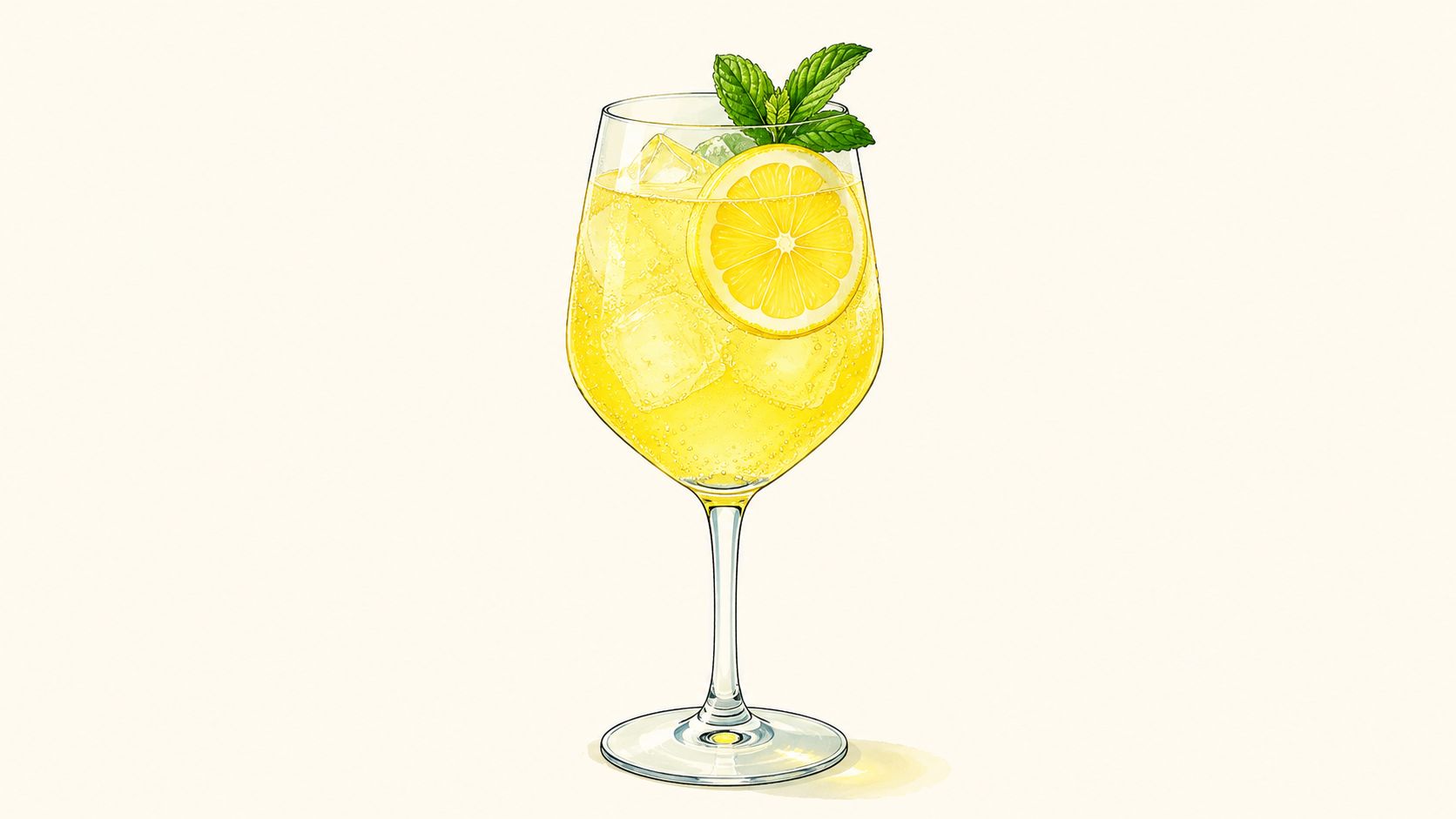
4. Limoncello Spritz
A good Limoncello Spritz is what you pour when the day is warm, the group wants something bright, and no one is in the mood for a fussy build. Citrus leads, bubbles carry it, and the whole drink stays light enough for pre-lunch drinks or an easy early-afternoon round. If you only stock one summer liqueur, this is the bottle that gets emptied first.
Keep the method simple and keep everything cold. Chill the limoncello, prosecco, and soda water before you start, then add the prosecco last so the fizz stays lively in the glass. A lemon wheel does the job, though mint gives the drink a fresher lift if you want a little more aroma. McLaren Vale Cellars' limoncello guide is worth a look if you want a straight, practical read on the style. For another light summer direction, the citrus profile also sits nicely alongside floral lychee liqueur drink ideas, especially when you want something fragrant without making the table work harder.
Pair it with a crisp McLaren Vale white
A McLaren Vale Sauvignon Blanc or another crisp white is the right wine-side match here. The acidity keeps the lemon sharp, and the wine gives the table a food-friendly option when seafood, grilled prawns, or a simple antipasto spread is on the menu. For a casual lunch that still feels polished, this pairing does the job without making a scene.
If you want the drink even lighter, push a little more soda water into the build. That keeps it fresh and easy to serve before lunch, without tipping the afternoon into something too heavy. It also gives you room to pour it beside a pale, dry sparkling style from McLaren Vale when the group wants a brighter finish rather than a richer one.
5. Frangelico Hazelnut Cocktail
Frangelico is for people who want a cocktail that tastes like the end of a good meal. The hazelnut character is roasted, rounded, and built for creamy or coffee-adjacent serves. Used well, it gives you dessert energy without needing an actual dessert on the table.
Keep the rest of the drink simple. Vodka gives structure, cream smooths the edges, and a touch of vanilla keeps the hazelnut from tasting one-note. If you want to push it further, add a small shot of espresso and serve it in a coupe or snifter, because this is a drink that benefits from a smaller, more deliberate pour.
Pair it with a McLaren Vale fortified tawny
A McLaren Vale tawny-style fortified is the right match here because the caramel and dried-fruit notes sit comfortably with the toasted hazelnut. That pairing is especially useful after a rich dinner, when people want a sweet finish but don't want a full pudding plate. It also works well for winter entertaining, when heavier flavours make more sense than citrus.
Use fresh cream, not a cream liqueur, if you want the hazelnut to stay clear and clean.
A neat way to serve this is alongside coffee and a small chocolate tart. The drink then plays the role of both digestif and dessert.
6. Cointreau Margarita
A margarita gets better the moment you stop treating orange liqueur as an afterthought. Cointreau gives the drink a cleaner, brighter orange profile than generic triple sec, and that lift matters when the tequila and lime are both pulling hard. The result feels sharper, more precise, and much easier to drink slowly.
Measure carefully. A sloppy margarita tastes like citrus overload, but a well-balanced one tastes like a proper bar pour. Use fresh lime juice, a good 100% agave tequila, and a chilled glass, then decide whether you want a salt rim or not. A light salt edge can sharpen the citrus without making the drink feel heavy.
Pair it with McLaren Vale sparkling wine
A McLaren Vale Blanc de Blanc style sparkling is the most useful wine companion here if you're turning margaritas into a larger aperitif spread. It shares the bright, clean feel of the drink and gives guests an easy second glass without changing the mood. That makes this a smart choice for seafood lunches, outdoor gatherings, or a starter round before grilled fish.
For a citrus-liqueur technique angle, McLaren Vale Cellars' citrus liqueur guide is worth a look. It sits neatly beside this recipe because the same balancing logic applies, strong citrus needs clean structure.
A good house version keeps the orange note bright rather than syrupy. If the drink tastes heavy, the problem is usually too much sweetener, not too little lime.
7. Chambord Kir Royale
A Kir Royale is one of those drinks that looks more complicated than it is. Chambord drops black raspberry colour and berry depth into sparkling wine, which gives you a glass that feels celebratory without needing much preparation. It's an easy win when you want to open with something elegant and move straight into conversation.
Use a sparkling wine you'd happily drink on its own. There's no point hiding low-quality bubbles behind liqueur, because the drink depends on the wine doing real work. Pour the champagne or sparkling first, then add the Chambord slowly so the colour swirls through the glass instead of disappearing at the bottom.
Pair it with McLaren Vale sparkling
A McLaren Vale sparkling rosé or other quality sparkling style is the obvious local pairing here. The berry angle lines up neatly with Chambord, and the pairing works especially well for tastings, birthdays, and early evening drinks when you want something polished but not heavy. It's also the easiest route to making a table feel festive without much effort.
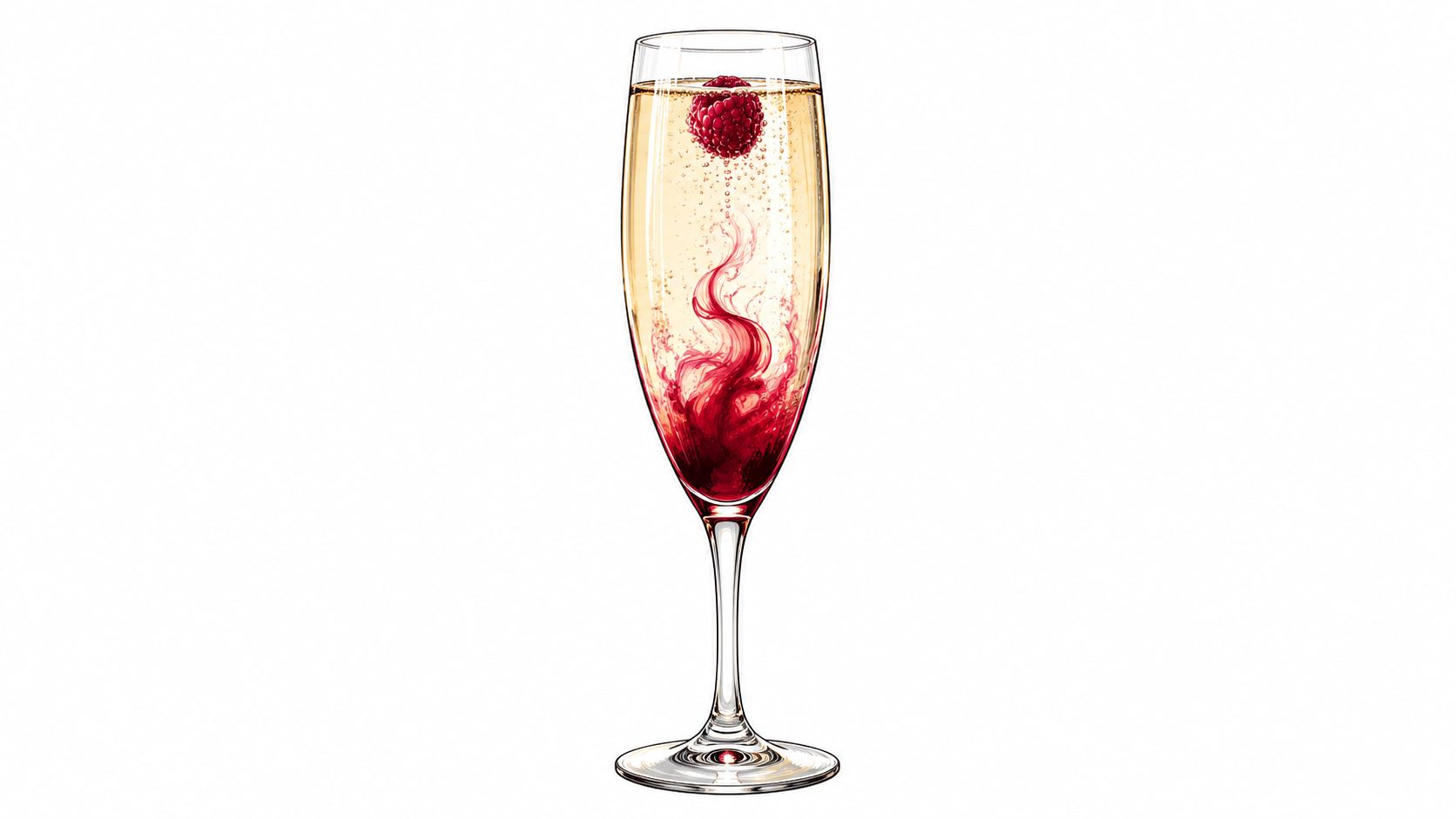
Serve this immediately after pouring. The bubbles and the visual swirl are the whole appeal, and they don't wait around.
8. Baileys Chocolate Martini
Baileys and chocolate belong together, but the best version of this drink keeps the sweetness in check. Vodka gives the drink shape, crème de cacao adds actual chocolate depth, and Baileys brings the creaminess that makes the texture feel plush. Done properly, it reads like a dessert in a coupe rather than a sugar bomb.
Chill everything thoroughly before shaking, then strain into a cold glass and finish with chocolate shavings or a fine cocoa rim. If you overdo the garnish, the drink feels like theatre. Keep the presentation neat and let the flavours do the work. This is the sort of cocktail that gets served after a long dinner when nobody wants a second course but everyone still wants something indulgent.
Pair it with a McLaren Vale fortified vintage style
A McLaren Vale vintage fortified gives you another dessert route without repeating the same flavour set. It handles chocolate well, especially if you're serving dark chocolate truffles or a flourless cake beside the glass. The pairing feels right for private dinners, winter gatherings, or gift-box entertaining.
A simple host move is to make one chocolate martini and pour a small fortified alongside it. Guests can sip both at their own pace, and the table gets a neat contrast between cream and fortified fruit.
9. Grand Marnier Sidecar
The Sidecar is a benchmark for a reason. Grand Marnier brings orange complexity over cognac, and fresh lemon keeps the drink taut enough to avoid becoming sweet and soft. It's elegant without being fussy, which is exactly why it still belongs in a serious home bar.
Use a cognac that matches the quality of the liqueur, not something thin and forgettable. Shake hard, strain into a chilled coupe, and decide on the sugar rim based on the people at the table. I prefer it without the rim when the orange note is strong, because that keeps the citrus line clean from first sip to finish.
Pair it with McLaren Vale brandy-style fortifieds
A McLaren Vale brandy-style fortified sits naturally beside this drink, especially if you're serving it after a cheese board or alongside a short pastry. The cognac base and orange liqueur already feel wine-adjacent, so the fortified pairing keeps the entire service in the same flavour family. That makes it a strong choice for more formal dinner parties.
If the Sidecar tastes flat, the lemon wasn't fresh enough. Fix that first.
This is a good example of a cocktail that rewards precision more than creativity. Keep the balance tight, and it does the rest.
10. Disaronno Sunrise
Disaronno Sunrise works because it gives the familiar sunrise format a nuttier, softer core. Orange juice keeps it friendly, grenadine gives the visual gradient, and amaretto adds almond depth that changes the drink from beachy standard to something a bit more distinctive. It's a crowd-pleaser, but it doesn't taste generic.
Pour slowly and don't stir if you want the layered look. The colour is part of the appeal, and a tall glass with ice helps the effect hold long enough for the table to notice. Fresh orange juice matters here because it keeps the sweetness in balance and stops the drink from feeling sticky.
Pair it with a McLaren Vale rosé or chilled fortified
A McLaren Vale rosé works well when you want to stay in a light, fruit-forward lane, while a chilled fortified can push the drink into a more evening-friendly direction. That flexibility is useful for Australian entertaining, where the same bottle often has to carry both daytime and sunset service. If you're making a round for a mixed crowd, this is one of the easiest recipes to scale without losing its visual impact.
The drink also suits casual food, especially salty snacks, grilled chicken, or a simple fruit platter. That makes it a better all-rounder than many amaretto drinks, which often lean too far into dessert territory.
Top 10 Liqueur Cocktail Recipe Comparison
| Cocktail | Implementation complexity | Resource requirements | Expected outcomes | Ideal use cases | Key advantages |
|---|---|---|---|---|---|
| Espresso Martini with Liqueur Enhancement | Moderate, espresso extraction and vigorous shaking | Espresso machine, vodka, coffee liqueur, chilled glass | Rich coffee flavour, creamy crema, caffeinated lift | After-dinner service, upscale bars, dessert pairing | Recognised modern classic; elegant and dessert-friendly |
| Amaretto Sour | Low–Moderate, shaking with optional egg white | Amaretto, fresh lemon juice, simple syrup, egg white/aquafaba | Balanced sweet‑sour, silky foam | Aperitif, approachable cocktails, year‑round service | Beginner‑friendly; distinctive almond aromatics |
| Irish Coffee with Liqueur Twist | Moderate, heat control and cream layering | Strong hot coffee, Irish whiskey, sugar, cream, optional liqueur | Warm, aromatic, layered cream top | Winter entertaining, after‑dinner, theatrical service | Comforting, versatile with liqueur variations |
| Limoncello Spritz | Low, simple assembly and chilling | Limoncello, prosecco, soda water, ice | Bright, effervescent, low‑ABV refresher | Summer aperitivo, outdoor gatherings, light lunches | Very simple; refreshing, visually appealing |
| Frangelico Hazelnut Cocktail (Toasted Hazelnut) | Low–Moderate, emulsifying cream components | Frangelico, vodka, fresh cream, vanilla, garnish | Rich, nutty, dessert‑style cocktail | After‑dinner service, tasting flights, special occasions | Unique hazelnut profile; dessert alternative |
| Cointreau Margarita (Premium Orange Liqueur Version) | Moderate, precise balance of citrus and spirit | Cointreau, quality tequila, fresh lime, salt rim | Clean, balanced citrus‑agave profile | Premium entertaining, cocktail bars, aperitif | Elevates a classic; refined orange notes |
| Chambord Kir Royale | Low, simple build, presentation timing | Chambord, premium champagne/sparkling wine, flute | Elegant berry‑sparkling aperitif, striking colour | Celebrations, tastings, special occasions | Minimal ingredients, strong visual impact |
| Baileys Chocolate Martini | Low, shaking to emulsify cream liqueurs | Baileys, vodka, crème de cacao, chilled glass | Silky chocolate dessert cocktail | After‑dinner, dessert pairing, celebrations | Simple prep; high dessert appeal |
| Grand Marnier Sidecar | Moderate, requires quality spirits and balance | Grand Marnier, cognac (VSOP), fresh lemon, coupe glass | Sophisticated brandy‑citrus cocktail, warming finish | Formal entertaining, connoisseur service | Spirit‑forward elegance; showcases premium liqueur |
| Disaronno Sunrise (Amaretto Sunrise Variation) | Low, layering technique for gradient | Disaronno, vodka, fresh orange juice, grenadine, tall glass | Vibrant sunrise gradient, fruity almond‑orange flavour | Brunch, daytime events, social media‑friendly occasions | Visually theatrical; approachable and versatile |
Build Your Liqueur Cocktail Toolkit
Start with a tight bottle line-up. Pick two liqueurs that match the drinks you want to make, one citrus bottle such as Cointreau, and one nutty or creamy bottle such as Disaronno, Baileys, or Frangelico, then work through three recipes before you buy anything else. Keep fresh citrus, simple syrup, and good ice on hand, because those basics sharpen every one of these liqueur cocktail recipes. If you are building a coffee-friendly shelf, add cherry syrup for coffee drinks alongside the citrus bottles, since a dark cherry note sits neatly with espresso and cream-based serves.
Match each bottle to a clear job. The espresso martini handles after-dinner service, the limoncello spritz suits warm afternoons, and the Sidecar or Kir Royale gives you a cleaner aperitif option with more polish. That spread matters in Australia, where home entertaining usually needs one bottle to cover more than one occasion, not gather dust in the cupboard.
McLaren Vale Cellars stocks fortifieds, sparkling, and crisp whites that sit well beside this list, and the store offers free delivery Australia-wide on orders over $100 plus a Taste Guarantee so you can buy with confidence. For a bar that feels ready for guests, use the gin and liqueurs range at McLaren Vale Cellars, then add a fortified or sparkling that suits your favourite serve. A McLaren Vale sparkling works well for bright aperitifs, while a fortified style gives you a richer finish with dessert-style cocktails.
If you want the simplest buying plan, stick to a citrus liqueur, one nutty or creamy bottle, and a McLaren Vale sparkling or fortified that you would happily drink on its own. Visit McLaren Vale Cellars to explore the range, then build from there with the drinks you will make at home.
Comments (0)
There are no comments for this article. Be the first one to leave a message!