
In the captivating world of winemaking, the choice between indigenous and cultured yeast has long been a topic of fascination and debate. As the custodians of McLaren Vale Cellars, we've had the privilege of witnessing firsthand the profound impact that this decision can have on the character and complexity of a wine. In this comprehensive blog post, we'll delve into the intricacies of these two yeast varieties, exploring their respective advantages, drawbacks, and the remarkable outcomes they can produce.
The Role of Yeast in Winemaking
At the heart of every bottle of wine lies a remarkable transformation, orchestrated by the humble yet powerful yeast. These microscopic organisms are responsible for the fermentation process, converting the natural sugars in grape juice into alcohol and a myriad of other compounds that contribute to a wine's aroma, flavor, and mouthfeel.
The choice between indigenous and cultured yeast is a fundamental decision that winemakers must make, and it can have a profound impact on the final product. Indigenous yeast, also known as wild or natural yeast, are the yeasts that naturally occur on the surface of grape skins and in the winery environment. Cultured yeast, on the other hand, are specifically selected and cultivated by winemakers to ensure a more predictable and controlled fermentation.
Indigenous Yeast: Embracing the Terroir
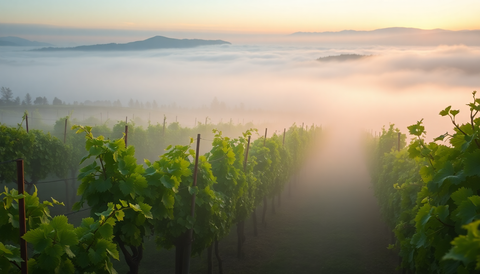
The use of indigenous yeast in winemaking is often championed as a way to capture the unique terroir, or the distinct characteristics of a particular growing region. These naturally occurring yeasts are believed to be intrinsically linked to the local environment, imparting subtle nuances and complexities that can't be replicated with cultured strains.
Advantages of Indigenous Yeast
-
Terroir Expression: Indigenous yeast can help to convey the distinct flavors, aromas, and textures that are inherent to a specific vineyard or region. This can result in wines that are truly reflective of their place of origin.
-
Complexity and Uniqueness: The diverse array of yeast strains present in the natural environment can contribute to a more complex and multifaceted flavor profile in the finished wine. Each vintage may exhibit subtle differences, making each bottle a unique experience.
-
Authenticity and Tradition: The use of indigenous yeast is often seen as a more authentic and traditional approach to winemaking, honoring the time-honored practices of the past.
Challenges of Indigenous Yeast
-
Unpredictability: The fermentation process with indigenous yeast can be less predictable and more challenging to control, as the composition and behavior of the yeast population can vary significantly from one vintage to the next.
-
Potential Flaws: Indigenous yeast may produce undesirable byproducts or result in off-flavors, which can be more difficult to manage or correct during the winemaking process.
-
Slower Fermentation: The fermentation with indigenous yeast can sometimes be slower and more prolonged, requiring more patience and attention from the winemaker.
Cultured Yeast: Precision and Consistency
In contrast to the unpredictability of indigenous yeast, the use of cultured yeast offers winemakers a more controlled and predictable approach to fermentation. These carefully selected and cultivated strains are designed to ensure a reliable and efficient fermentation process, while also contributing specific flavor and aroma profiles to the wine.
Advantages of Cultured Yeast
-
Consistent Quality: Cultured yeast strains are selected for their ability to reliably produce consistent, high-quality results, ensuring that each vintage of a wine exhibits the desired characteristics.
-
Faster Fermentation: Cultured yeast tend to ferment more quickly and efficiently, allowing winemakers to better manage the overall winemaking process.
-
Targeted Flavor and Aroma Profiles: Winemakers can choose cultured yeast strains that are known to enhance specific flavor and aroma compounds, tailoring the wine to their desired style.
Challenges of Cultured Yeast
-
Potential Loss of Terroir: The use of cultured yeast can sometimes mask or diminish the unique terroir-driven characteristics of a wine, as the yeast's influence may override the natural expression of the vineyard.
-
Perceived Lack of Authenticity: Some wine enthusiasts may view the use of cultured yeast as a more "industrial" or less authentic approach to winemaking, preferring the natural and unpredictable nature of indigenous yeast.
-
Potential for Homogenization: The widespread use of a limited number of cultured yeast strains across the industry can lead to a perceived homogenization of wine styles, as the influence of the yeast may become more prominent than the unique characteristics of the terroir.
Striking a Balance: The Hybrid Approach
In recent years, a growing number of winemakers have begun to explore a hybrid approach, combining the use of indigenous and cultured yeast in their winemaking practices. This approach seeks to harness the best of both worlds, leveraging the complexity and terroir expression of indigenous yeast while also benefiting from the consistency and reliability of cultured strains.
The Hybrid Approach in Action
-
Inoculation with Cultured Yeast: Winemakers may start the fermentation process with a cultured yeast strain, providing a reliable and predictable foundation for the fermentation. This helps to ensure a successful and efficient start to the process.
-
Introduction of Indigenous Yeast: As the fermentation progresses, winemakers may introduce indigenous yeast from the local environment, allowing them to gradually take over and contribute their unique characteristics to the wine.
-
Blending of Fermentations: In some cases, winemakers may ferment a portion of the wine using indigenous yeast and another portion using cultured yeast, then carefully blend the two together to create a harmonious and complex final product.
The Benefits of the Hybrid Approach
-
Balanced Complexity: The hybrid approach allows winemakers to capture the best of both worlds, blending the complexity and terroir expression of indigenous yeast with the consistency and reliability of cultured strains.
-
Increased Flexibility: By incorporating both indigenous and cultured yeast, winemakers can adapt their approach to the specific needs and characteristics of each vintage, ensuring that the final wine is a true reflection of the year's growing conditions.
-
Preservation of Terroir: The introduction of indigenous yeast can help to maintain the unique terroir-driven qualities of the wine, while the cultured yeast provides a solid foundation for the fermentation process.
Exploring the Outcomes: Tasting the Differences
At McLaren Vale Cellars, we've had the privilege of tasting wines made with both indigenous and cultured yeast, as well as those that have embraced the hybrid approach. The differences in the final products are truly captivating, each offering a unique and compelling experience for the discerning wine enthusiast.
Wines Made with Indigenous Yeast
Wines fermented with indigenous yeast often exhibit a remarkable depth of flavor and complexity. The aromas and flavors can be more nuanced and layered, with subtle notes of terroir-driven characteristics, such as earthy, mineral, or even funky undertones. The mouthfeel may be more textured and evolving, with a sense of place that is palpable in each sip.
Wines Made with Cultured Yeast
Wines fermented with cultured yeast tend to be more consistent and predictable, with a clear and focused expression of varietal characteristics. The aromas and flavors may be more pronounced and immediately accessible, with a clean and polished finish. These wines often showcase a more precise and controlled interpretation of the grape's inherent qualities.
Wines Made with the Hybrid Approach
Wines that have embraced the hybrid approach often strike a captivating balance between the complexity of indigenous yeast and the reliability of cultured strains. The resulting wines can exhibit a harmonious blend of terroir-driven nuances and well-defined varietal characteristics, creating a truly engaging and multifaceted tasting experience.
Conclusion: Embracing the Diversity of Yeast
As we reflect on the profound impact that yeast can have on the character and complexity of wine, it becomes clear that there is no one-size-fits-all approach. The choice between indigenous and cultured yeast, or the exploration of a hybrid approach, is a deeply personal and philosophical decision that each winemaker must make based on their own vision, the unique characteristics of their terroir, and the desired style of the final product.
At McLaren Vale Cellars, we believe that embracing the diversity of yeast and the myriad of outcomes they can produce is what makes the world of wine so captivating and endlessly fascinating. Whether you prefer the bold and expressive wines made with indigenous yeast, the polished and precise offerings of cultured strains, or the harmonious balance of the hybrid approach, there is a wine out there that will capture your imagination and delight your senses.
As you continue your journey through the world of wine, we encourage you to explore the nuances of yeast and the profound impact they can have on the character and complexity of your favorite vintages. Embrace the diversity, savor the differences, and let the magic of yeast transport you to the heart of the terroir.
Comments (0)
There are no comments for this article. Be the first one to leave a message!