
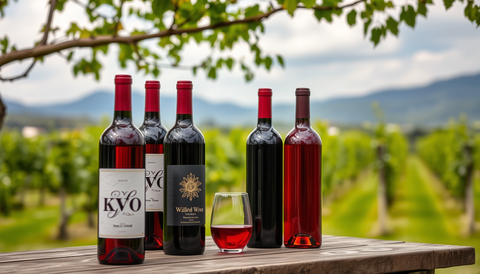
You're standing at the kitchen bench with a mixed wine pack, several clean glasses and a tasting sheet covered in words such as tannin, minerality and finish. One person smells blackberry, another says the wine smells like herbs, and you're wondering whether you're supposed to agree.
You aren't. Wine tasting is a learnable process, not a test of whether you can guess the “correct” aroma. Australian introductory tasting guidance gives beginners a practical sequence, look, swirl, smell, taste, conclude, so you can slow down and compare what's in the glass without relying on confidence or specialist vocabulary. Wine Australia's beginner wine guide also helps put the exercise into a broader context.
By the end, you'll know how to prepare a neutral tasting space, assess a wine in order, describe structure in plain English and practise with a small group. You'll also know when a wine seems flawed, and why liking a wine matters just as much as naming what you smell.
Introduction to Beginner Wine Tasting
The easiest way to learn is to treat tasting like a calm comparison rather than a performance. Pour two wines, look at them side by side and ask simple questions. Is one paler? Does one smell fresher, fruitier or more savoury? Does one feel sharper, softer or more drying?
Australian tasting guidance commonly organises those observations into appearance, nose, palate and overall impression, or the memorable sequence “see, swirl, smell, sip, savour” as outlined in Australian beginner tasting guidance. The sequence matters because it stops one strong first impression from taking over. If you taste immediately, you may overlook colour and aroma. If you judge a rich red before a delicate white, the lighter wine can seem less expressive than it really is.
A disciplined method also gives you permission to be uncertain. You don't need to identify blackberry, leather or oak precisely. “Fresh and light” is useful. So is “drying at the end” or “smells familiar, but I can't place it.” Australian wine education is increasingly relevant to lighter reds, aromatic whites and alternative styles, so a flexible method is more helpful than memorising a script built around powerful reds.
Your first milestone: describe how a wine behaves in your mouth, then decide whether you enjoy it.
Preparing Your Tasting Environment
Good preparation removes distractions before you make a judgement. Choose a quiet space with plain lighting and neutral smells. Strong perfume, scented candles, cooking aromas and smoky rooms can interfere with what reaches your nose. Use clean glasses with enough bowl space to swirl gently, and keep water nearby for rinsing your palate between samples.
Wine Australia's facilitator guide recommends the sequence “look, swirl, smell, taste, conclude”. The Australian Wine Research Institute also specifies consistent conditions for beginner tastings, including 30 mL samples, wine served at about 20°C, and tasting in the morning. It recommends waiting at least 30 minutes after smoking, eating or drinking before tasting, so food, smoke and other beverages don't distort your impressions in the Wine Australia facilitator guide.

The guide's temperature advice is designed to create more reliable comparisons. For a practical session, use the following as a consistent starting point rather than treating each figure as a rigid serving law.
| Wine style | Serving volume (mL) | Serving temperature (°C) |
|---|---|---|
| Reds | 30 | About 20 |
| Whites | 30 | About 20 |
| Rosés | 30 | About 20 |
| Sparkling wines | 30 | About 20 |
These conditions may look unusually controlled for a casual gathering, but consistency helps beginners notice differences. If one glass is generously filled and another has only a small splash, or if one bottle is very cold while another is warm, you're comparing serving conditions as much as wine.
Keep the set organised
Arrange wines from lighter and fresher styles towards fuller, more intense wines. Place sparkling and delicate whites first, followed by rosé, lighter reds and richer reds. Rinse glasses or use separate glasses when moving between very different styles, and refresh your palate with water.
Don't taste when you're already tired or full. The point isn't to create a formal examination. It's to give your senses a fair chance to compare aroma, acidity, sweetness, tannin, body and finish.
Evaluating Wine Step by Step
A beginner tasting becomes easier when every glass follows the same sequence. Pour equal amounts, arrange the wines from lighter to fuller styles, then record your first impression before hearing anyone else's opinion. Comparing several wines side by side reveals contrasts that are easy to miss when you taste only one. For a clear overview of the sequence, see this step-by-step guide to tasting wine like a sommelier.

Look
Hold the glass by its stem and tilt it slightly against a pale background. Check the colour, clarity and intensity. A white may look pale straw, lemon or gold, while a red may appear ruby, garnet or deep purple. Treat colour as an early clue about style and concentration, not as a verdict on quality.
Notice anything unusual, but don't use the streaks or “legs” on the glass as a quality test. Their appearance can change with alcohol, texture and glass shape. They show how the wine moves, not whether it is good.
Swirl
Set the glass on a stable surface and move it in a small circle. This spreads the wine across the bowl and helps release aromas. Use a gentle motion, particularly with sparkling wine, since vigorous swirling can disturb the bubbles or send wine over the rim.
Pause once the wine settles. Smell it before and after air reaches it, just as you might compare a room before and after opening a window.
Smell
Bring the glass to your nose and begin with short sniffs. Identify the broad aroma family before searching for a precise item. The wine may seem fruity, floral, herbaceous, spicy, earthy, savoury or oaky.
Swirl once more and smell again. A first impression of citrus may develop into apple or white flowers. If the aroma seems faint, check whether the wine is too cold, the glass is clean and the room contains another strong scent.
Sip
Take a small sip and move it across your tongue. Focus on the wine's shape and texture rather than finding a perfect flavour word. Australian beginner tasting guidance assesses acidity, sweetness, tannin, alcohol, body, intensity, mouthfeel and length in beginner tasting education published for the Australian market.
Ask yourself:
- Does it taste dry or sweet?
- Does acidity make your mouth water?
- Does tannin feel drying or gripping?
- Does alcohol create warmth?
- Is the body light, medium or full?
- Is the texture crisp, creamy, silky or firm?
A high-tannin red can remind you of strong black tea, while alcohol may feel like heat. These physical comparisons give you useful language without requiring you to identify a grape or region.
Practical rule: taste lighter, fresher wines before heavier, more powerful styles. A large, intense wine can dominate your palate and make later samples seem flat.
Finish
The finish is the impression left after you swallow or spit. Notice whether the flavour fades quickly or remains, and describe what stays behind: fruit, bitterness, spice, dryness, freshness or warmth.
A long finish does not automatically indicate quality. A wine can linger while still feeling unbalanced. Record the final sensation, then consider whether its sweetness, acidity, tannin, alcohol and body work together.
For a visual demonstration of the sequence, use this short instructional video before your next practice session:
Using Descriptors and Spotting Faults
Wine vocabulary should make your experience clearer, not make you feel examined. Start with words that describe sensation and shape. Acidity feels fresh or mouth-watering. Sweetness describes how much sugar you perceive. Tannin can feel drying or grippy, especially around your gums. Body describes weight, from light and delicate to rich and full.
You can build a useful note with three parts: what you smell, how the wine feels and whether you enjoyed the balance. For example, “fresh citrus, light body, sharp acidity” gives another person a clear idea of your experience even if you never name a particular grape.
Research from the University of Adelaide's wine and beer perception survey supports a low-pressure approach to sensory language. Beginners don't need prior specialist knowledge to engage with terminology, but that doesn't mean they need to memorise a large aroma wheel before opening a bottle.
Separate preference from condition
A wine can be sound but not suit your taste. You might dislike a smoky style, find a high-acid white too sharp or prefer a lighter red to a powerful Shiraz. That's a preference, not automatically a fault.
A fault is a problem in the wine that makes it smell or taste noticeably wrong. Cork taint may show as damp cardboard, mould or a muted, fruitless character. Oxidation can make a wine seem tired, flat or unnaturally bruised, with fruit that has lost its freshness. These descriptions are clues, not a requirement to diagnose the bottle with certainty.
If something seems off, smell the wine again and compare it with another bottle or sample of the same style. Don't feel pressured to announce a technical conclusion. “This smells musty and the fruit seems suppressed” is enough to explain why you're concerned.
For more examples and practical comparisons, learn how to identify common wine faults in an Australian tasting context.
Confidence check: if you can describe a wine as fresh, drying, soft, rich, light, savoury or persistent, you're already tasting usefully.
Hands On Wine Tasting Exercises
Practice works best when each exercise asks one clear question. Choose wines that differ in style rather than bottles selected only for prestige or region. Australian industry commentary points towards lighter, fresher and more sessionable styles, alongside interest in sustainability, low-intervention winemaking and alternative wines in recent Australian drinking-trend coverage.

Compare by style
Start with a fresh white beside a fuller white, then compare a lighter red with a richer red. You're not trying to decide which bottle is superior. Look for changes in acidity, body, aroma intensity and finish.
A simple tasting flight might include Sauvignon Blanc, Pinot Gris, Pinot Noir and Shiraz. Serve them in an order that moves from delicate to intense, and write down your reaction before anyone tells you what each wine is.
Try a blind mini-tasting
Cover the labels or ask a friend to pour the wines without revealing their identities. Taste three styles and predict which is the lightest, which has the strongest acidity and which leaves the most tannin. A guide to a fun and easy blind wine tasting can help you organise the reveal and keep the activity relaxed.
Blind tasting removes the influence of price, label design and expectations. It also exposes assumptions. You may prefer the wine you expected to dislike, and that's useful information about your own taste.
Record structure, not poetry
Use a notebook with one line for each wine:
- Aroma: Write the first familiar impression, such as citrus, cherry, herbs or spice.
- Texture: Note crisp, smooth, creamy, firm, drying or light.
- Balance: Decide whether acidity, sweetness, tannin and alcohol feel integrated.
- Finish: Record what remains and whether you want another sip.
- Preference: Mark the wine you'd choose with a meal or on its own.
Take water between wines and pause whenever your palate feels tired. You can also taste with plain food, such as bread or a simple meal, to see how the wine changes in a real setting. A lighter Pinot Noir may feel more versatile with food than a powerful red, while sparkling wine or Sauvignon Blanc may make a refreshing starting point for a group.
McLaren Vale Cellars offers curated sample packs, mixed selections and regional styles that can suit this kind of comparison. Use a small selection to practise the method, then record which styles you'd prefer to buy again rather than choosing only by label familiarity.
Conclusion and Next Steps
You don't need a trained palate to begin. You need a repeatable order: look, swirl, smell, taste and conclude. Prepare a neutral space, keep samples consistent, compare lighter styles before heavier ones and describe sensations in ordinary language.
The most valuable habit is a short tasting journal. Note the wine, the style, what you smelled, how it felt and whether you enjoyed it. Over time, your notes will reveal patterns. You may discover that you favour crisp whites, aromatic styles, lighter reds or wines with a long savoury finish. Those preferences give you a better buying guide than a generic list of “good” grapes.
Keep the practice social, too. Ask each person to describe the same wine independently before sharing impressions. Someone might call a wine “tart”, while another says “fresh”. Both can be accurate descriptions of acidity. The conversation helps you expand your vocabulary without turning the tasting into a competition.
If you're curious about regional comparison, you can also discover Sonoma's top wineries and notice how different regions present familiar styles. The useful lesson is not to memorise geography. It's to compare wines by structure, climate impression, food use and personal enjoyment.
Schedule another tasting while today's observations are fresh. Choose a different combination of white, rosé, sparkling and red, and repeat the same notes. Each session will make the process feel more natural, because confidence comes from doing the work, not from knowing every wine term before the first sip.
McLaren Vale Cellars offers curated sample packs, mixed half-case selections and Australian wines suited to side-by-side tasting, with education resources to support serving and note-taking. Visit McLaren Vale Cellars, choose a few contrasting styles and start your next tasting with the five-step method.
Comments (0)
There are no comments for this article. Be the first one to leave a message!