
As a wine enthusiast, I know the feeling all too well - standing in front of the wine aisle, staring at a sea of bottles, unsure of which one to choose. With so many unfamiliar grape varieties, regions, and terminology, it can be overwhelming to decipher a wine label and make an informed decision. But fear not, my fellow oenophiles! In this comprehensive guide, I'll teach you how to read a wine label like a pro, so you can navigate the world of wine with confidence and impress your friends at your next dinner party.
Understanding the Basics
Let's start with the fundamentals. A wine label is designed to provide you with a wealth of information about the wine inside the bottle. From the grape variety to the vintage year, each element on the label holds a key to unlocking the wine's story. By learning to interpret these details, you'll be able to make more informed choices that align with your personal preferences.
Grape Variety
The grape variety, or varietal, is often the most prominent feature on a wine label. This information tells you the type of grape used to make the wine, such as Cabernet Sauvignon, Chardonnay, or Pinot Noir. Knowing the grape variety can give you a good indication of the wine's flavor profile, body, and overall character.
Vintage Year
The vintage year, or the year the grapes were harvested, is another crucial piece of information on the label. Vintage years can vary significantly in quality, depending on factors like weather conditions and growing seasons. Generally, a more recent vintage (within the last 5-10 years) will offer a fresher, more vibrant flavor, while older vintages may have developed more complex, nuanced characteristics.
Region and Appellation
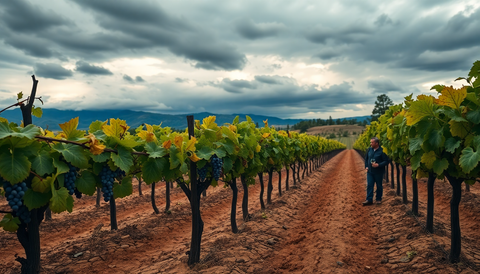
The region and appellation, or the specific geographic area where the grapes were grown, can provide valuable insights into the wine's style and quality. Different regions are known for their unique terroir, which includes factors like soil, climate, and elevation that can influence the wine's flavor and aroma. For example, a Napa Valley Cabernet Sauvignon will likely have a different profile than a Bordeaux Cabernet Sauvignon.
Producer and Winery
The producer or winery name on the label can give you a sense of the wine's quality and reputation. Some wineries are known for their consistent, high-quality offerings, while others may be more experimental or specialize in particular grape varieties or styles. Researching the producer can help you determine if the wine is a good fit for your preferences.
Alcohol Content
The alcohol content, usually expressed as a percentage (e.g., 13.5% ABV), can provide insight into the wine's body and mouthfeel. Higher alcohol content generally indicates a fuller-bodied wine, while lower alcohol content often corresponds to a lighter, more refreshing style.
Descriptive Terms
Many wine labels feature descriptive terms, such as "dry," "sweet," "oaked," or "unoaked," to give you a sense of the wine's flavor profile and style. These terms can help you identify whether the wine will suit your taste preferences.
Putting It All Together
Now that you understand the key elements of a wine label, let's put your newfound knowledge to the test. Imagine you're browsing the shelves at your local wine shop, and you come across a bottle that piques your interest. Let's break down how you can use the information on the label to make an informed decision.
Example: 2019 Château Lafite Rothschild Pauillac
- Grape Variety: This is a Bordeaux-style blend, likely containing a majority of Cabernet Sauvignon, with possible additions of Merlot, Cabernet Franc, and Petit Verdot.
- Vintage Year: The 2019 vintage is relatively recent, indicating a fresh, vibrant wine with potential for further aging.
- Region and Appellation: Pauillac is a renowned appellation within the Bordeaux region, known for producing some of the world's finest Cabernet Sauvignon-based wines.
- Producer: Château Lafite Rothschild is a prestigious, historic winery with a reputation for excellence, particularly in the Pauillac region.
Based on this information, you can infer that this wine will likely be a full-bodied, complex, and age-worthy Bordeaux, with flavors of ripe black fruit, subtle oak, and well-integrated tannins. The Lafite Rothschild name also suggests a high-quality, premium wine that may come with a premium price tag.
Exploring Beyond the Label
While the wine label is a valuable source of information, it's not the only way to learn about a wine. Supplementing your label-reading skills with additional research can provide a more comprehensive understanding of the wine and help you make an even more informed decision.
Tasting Notes and Reviews
Seek out tasting notes and reviews from wine experts, critics, or fellow enthusiasts. These can offer insights into the wine's specific flavor profile, aromas, and overall quality, helping you determine if it aligns with your preferences.
Winery and Region Information
Delve deeper into the winery's history, winemaking philosophy, and the unique characteristics of the region where the grapes were grown. This background information can give you a better appreciation for the wine's story and the factors that contribute to its unique qualities.
Food Pairing Suggestions
Consider how the wine might pair with different foods. Many wine labels or accompanying materials provide food pairing recommendations, which can be a helpful guide in selecting the right wine for your meal.
Embracing the Journey
Remember, the world of wine is vast and ever-evolving, so don't be afraid to experiment and explore. With practice and a willingness to learn, you'll soon be navigating the wine aisle with confidence, making informed choices that satisfy your palate and enrich your wine-drinking experiences.
So, the next time you find yourself staring at a wall of wine bottles, take a deep breath, and let the label be your guide. Embrace the journey of discovering new and exciting wines, and enjoy the process of becoming a more knowledgeable and discerning wine enthusiast.
Comments (0)
There are no comments for this article. Be the first one to leave a message!