
So, how exactly is wine made? At its heart, winemaking is a beautiful and natural process where yeast turns the sugar in grape juice into alcohol. A winemaker’s job is to guide this transformation, following five core stages that take the fruit from the vineyard to the bottle, turning it into the complex drink we know and love.
The Winemaker's Journey from Grape to Glass
Ever held a glass of rich McLaren Vale Shiraz and wondered about its story? That deep, dark colour and those complex aromas of blackberry and spice don’t just happen by magic. They’re the result of a deliberate and fascinating journey that transforms a humble grape into a true work of art.
Understanding how wine is made pulls back the curtain on what's in your glass, making every sip a more connected and engaging experience. This guide will walk you through that entire journey, from the moment the grapes are picked to when the finished wine is finally bottled.
Before we dive into the details, let's look at the five key stages. This simple table gives you a quick snapshot of the entire process.
The Five Core Stages of Winemaking at a Glance
| Stage | What Happens | Primary Goal |
|---|---|---|
| Harvesting | Grapes are picked from the vine. | To capture the fruit at the perfect balance of sugar, acid, and flavour. |
| Crushing & Pressing | The fruit is gently broken to release its juice. | To separate the juice from the skins, seeds, and stems. |
| Fermentation | Yeast converts grape sugars into alcohol. | To create the wine's alcohol content and develop primary flavours. |
| Maturation & Ageing | The young wine develops in tanks or barrels. | To soften the wine, add complexity, and integrate flavours. |
| Finishing & Bottling | The wine is clarified and prepared for release. | To ensure the wine is stable, clear, and ready to be enjoyed. |
Each of these steps plays a crucial role in shaping the final wine, and as we'll see, the winemaker's decisions at every turn are what define its unique personality.
A great wine is made in the vineyard. The winemaker’s job is to simply guide the grapes on their journey, ensuring the unique character of the place and the season is expressed in every bottle.
Throughout this journey, we'll see how terroir—that unique blend of soil, climate, and landscape—leaves its signature on the final flavour. For instance, the warm, dry climate and ancient soils of McLaren Vale are exactly what help create our world-famous, full-bodied Shiraz.
You'll soon understand how a winemaker’s choices create a crisp white, a robust red, or a delicate rosé. By the end, you won't just know how wine is made; you'll have a genuine appreciation for the skill, patience, and passion that go into every single glass.
Harvesting Ripe Grapes from the Vine
 Every great wine starts its life not in a cellar, but out in the vineyard, under the sun. Before a single grape is crushed, its potential has already been shaped by the soil, the climate, and a full year of careful work among the vines. This is where the story really begins.
The whole process hinges on growing healthy, flavourful grapes. Just like gardeners know the importance of knowing the best fruit trees to plant for a great crop, winemakers spend the entire year nurturing their vines to produce the perfect fruit.
The Influence of Terroir
At the heart of it all is the idea of terroir (pronounced terr-wahr). It’s a French term that captures everything about a place—its unique climate, soil, and landscape—and how that shapes the flavour of the wine. Think of it as a wine’s "sense of place." It's the very reason a McLaren Vale Shiraz tastes so different from one grown in France.
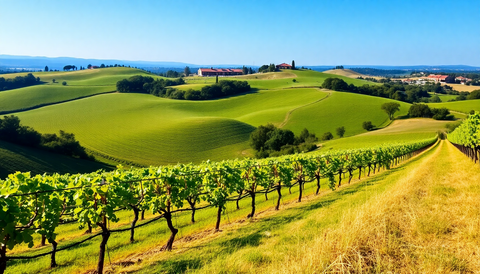
Here in South Australia’s McLaren Vale, we’re blessed with a classic Mediterranean climate. Our warm, dry summers and cool, wet winters are an idyllic combination that lets grapes like Shiraz ripen slowly and evenly. This develops those deep, concentrated flavours we love, while holding onto the bright acidity that keeps the wine balanced and fresh. The region’s ancient, varied soils add another layer of complexity, stamping our wines with their signature character.
This deep connection to place is everything. For example, the 2025 vintage in McLaren Vale was a cracker. Winemakers crushed a massive 36,104 tonnes of winegrapes—a 28% jump from the previous year. Thanks to a warm, dry season, the harvest kicked off early in late January, producing berries with incredible concentration and beautiful, fine tannins.
The Art of Knowing When to Pick
A winemaker’s most crucial job in the vineyard is deciding the exact right moment to harvest. It’s a nerve-wracking balancing act. Pick too early, and the wine ends up thin and unpleasantly sharp. Pick too late, and you get a wine that’s flat, overly alcoholic, and jammy.
To nail the timing, winemakers are constantly in the vineyard, tasting grapes off the vine and running lab tests to check three key things:
- Sugar: Measured in a unit called Baumé or Brix, the sugar level tells you the potential alcohol of the finished wine.
- Acid: Acidity is the backbone. It gives the wine freshness and structure, stopping it from feeling flabby or lifeless.
- Phenolic Ripeness: This is a bit more complex. It refers to the maturity of the tannins in the grape skins, seeds, and stems, which give the wine its texture and ability to age.
The perfect harvest captures a fleeting moment when all three elements—sugar, acid, and flavour—are in perfect harmony. This decision sets the entire stylistic direction for the wine.
We dive much deeper into this fascinating process in our guide on how winemakers decide when to harvest grapes.
Hand-Harvesting vs Machine-Harvesting
Once that perfect moment arrives, it’s all hands on deck to get the grapes in. There are two main ways to do it, each with its own benefits.
Hand-harvesting is the gentle, selective approach. Teams of skilled pickers move through the rows, carefully choosing only the best bunches and leaving any that aren't quite right. It’s absolutely essential for producing top-tier wines and is the only option for vineyards on steep, tricky slopes.
Machine-harvesting, on the other hand, is all about speed and efficiency. A big harvesting machine drives over the top of the vines, shaking the fruit loose. While it's not as picky as a human hand, it’s fantastic for big vineyards and allows a winemaker to get the whole crop in fast—a lifesaver if bad weather is on the horizon.
Crushing Grapes and Pressing the Juice

Once the perfect bunches of grapes land at the winery, there's no time to waste. This is where the real action begins, transforming beautiful fruit into the precious juice that will soon become wine.
It all starts with breaking the grape skins to let the juice flow. This soupy mix of juice, skins, seeds, and sometimes even a few stems, is what winemakers call must. Think of it as the raw, unfermented potential of the finished wine.
The Gentle Art of Destemming and Crushing
First, most grapes take a trip through a destemmer. This bit of machinery does exactly what it sounds like: it gently knocks the berries off their stems. While a few winemakers might leave some stems in for a bit of spicy structure, most are removed to avoid any harsh, green, or bitter flavours they can add.
Next comes the crush. And the key word here is gentle. Forget those romantic images of barefoot stomping—modern winemaking is all about precision. The aim is to split the skins without pulverising the seeds, which are full of bitter oils you really don't want in your glass.
Most wineries use mechanical crushers with rollers spaced just perfectly to pop the berries open. This delicate touch ensures we’re getting all the good stuff, creating a quality must that’s ready for the most important decision a winemaker will make.
The Fork in the Road for Red and White Wines
Right here, the path splits. This is the single biggest fork in the road in the winemaking journey, and it all boils down to one simple question: do we keep the juice with the skins, or not? The answer determines the wine's colour, its flavour, and its entire personality.
For White Wines:
The goal is to get the juice away from the skins as fast as possible. That’s because all grape juice—even from red grapes—is clear. The colour is all in the skins. To make a pale, crisp white wine, you have to prevent that colour from bleeding into the juice.
So, the freshly crushed must goes straight into a press. The press gently squeezes the remaining juice from the skins, seeds, and any other solids. What you’re left with is pure, clear juice, which is then moved to a tank to settle before fermentation begins. This quick separation is the secret behind crisp, aromatic styles like Sauvignon Blanc or Pinot Grigio.
You can think of winemaking like brewing tea. For a light, delicate white tea, you steep for just a moment. For a dark, robust black tea, you let it brew for much longer. It's the exact same principle for white and red wines.
For Red Wines:
To make a red wine, you do the complete opposite. The skins are where the magic is—they hold all the colour, deep flavour compounds, and tannins, which give the wine its structure, texture, and ability to age.
Here, the entire must—juice, skins, seeds, and all—is pumped directly into a fermentation tank together. This process of soaking the skins in the juice is called maceration, and it’s absolutely essential.
The longer the maceration, the more colour, flavour, and tannin are pulled into the wine, creating a deeper, bolder final product. A light-bodied Pinot Noir might only macerate for a short time, while a powerful McLaren Vale Shiraz will spend plenty of time on skins to build its iconic deep colour and firm, satisfying structure.
3. Fermentation: The Magical Transformation

After all the careful work in the vineyard and the press, we get to the part where the real alchemy happens. This is the moment grape juice begins its incredible journey to becoming wine, and it’s all thanks to our microscopic but mighty friends: yeast.
Fermentation is the beautiful, natural process where yeast consumes the sugars in the grape must, transforming them into alcohol and carbon dioxide. But it’s so much more than a simple chemical reaction. This is the stage that creates the primary aromas and flavours that form a wine's very soul. The CO2 usually escapes, but as we’ll see, it plays a starring role in the world of sparkling wine.
The Winemaker's Tiny Helpers: Yeast
One of the most critical decisions a winemaker makes is choosing which yeast will do the heavy lifting. This choice has a massive impact on the final taste and personality of the wine. They can either call in a specialist or let nature run its course.
-
Cultured Yeast: Most winemakers use commercially cultivated yeasts. Think of them as specialists hired for a specific job. These reliable strains are chosen to produce particular results—one might be selected to ramp up the tropical fruit notes in a Chardonnay, while another is picked to ensure a clean, powerful fermentation for a high-alcohol Shiraz.
-
Wild Yeast: On the other hand, some winemakers prefer a more hands-off approach, using the "wild" or ambient yeasts that live naturally on grape skins and in the winery. It's a riskier, less predictable path, but it can create wines with unbelievable complexity and a true sense of place. It's a high-risk, high-reward strategy that champions a raw expression of how wine is made.
During this phase, precise control is everything. Similar to how pH control in brewing is critical for beer, managing the pH and temperature in wine fermentation is vital for guiding the yeast and shaping the final flavour.
Different Paths for Different Wines
The fermentation process looks quite different depending on the style of wine being made. Temperature, in particular, is one of the main tools winemakers use to steer the outcome.
For red wines, fermentation happens with the grape skins still in the mix—this is where the wine gets its deep colour and tannins. The process usually takes place at warmer temperatures, typically between 20-30°C. This warmth helps extract maximum colour, flavour, and structure from the skins, building a robust, full-bodied wine.
For white wines, the juice is fermented on its own, without the skins, and at much cooler temperatures, often between 12-20°C. This slow, gentle fermentation is perfect for protecting the delicate floral and fruit aromas that make white wines so fresh and vibrant.
Rosé wines are a fascinating middle ground. They’re made from red grapes, but the juice only spends a few hours mingling with the skins—just long enough to blush to a beautiful pink hue. It's then whisked away and fermented cool, just like a white wine. To dive deeper into these methods, you might enjoy our guide on wine fermentation techniques.
The Second Act: Malolactic Conversion
Just when you think the main event is over, many wines—especially reds and some whites like Chardonnay—undergo a second, quieter transformation. This isn't a yeast fermentation, but a process where bacteria convert the sharp, zesty malic acid (think green apples) into a much softer, creamier lactic acid (the kind found in milk).
This process, known as malolactic conversion or "MLF," is a game-changer for a wine's texture. It softens the wine’s sharp edges and can introduce wonderfully complex, savoury notes of butter, cream, and hazelnut, adding another layer of richness and depth.
This conversion is especially important in regions like McLaren Vale, where it helps shape the bold, yet plush reds we're famous for. The entire fermentation journey is where our premium grapes become the wines celebrated for their quality. In 2024 alone, an impressive 28,242 tonnes of grapes were crushed here, with a total value of $45.9 million, showing just how significant this stage is for our region.
Maturing and Aging to Develop Complexity

Once fermentation wraps up, the wine isn't finished. Not even close. What we have is a young, raw, and sometimes gangly wine—like a brilliant musician who hasn't quite learned to control their instrument. This is where maturation comes in, a crucial resting period where the wine settles down, softens up, and develops the layers of flavour it was always meant to have.
This is the wine’s finishing school. During this time, the winemaker becomes a patient guide, deciding where the wine should rest, and for how long, to shape its final personality. The choice of aging vessel is one of the biggest calls a winemaker has to make, directly influencing the wine's texture, aroma, and overall style.
The Role of Aging Vessels
Walk into a winery's cellar, and you're essentially in a chef's pantry, filled with different tools for different recipes. The two workhorses for maturing wine are stainless steel tanks and oak barrels. Each sends the wine on a completely different journey, and the choice is all about the winemaker's end goal.
Take a crisp, zesty Sauvignon Blanc. Its vibrant, punchy character comes from being kept in stainless steel. These tanks are completely inert and airtight, acting like a protective bubble that preserves all the fresh, primary fruit flavours and bright acidity from the grape. Steel doesn't add any flavour or let any oxygen in, so the wine stays pure, clean, and fruit-forward.
The aging vessel is a winemaker's most powerful tool for adding texture and complexity. A stainless steel tank acts like a protective bubble, preserving fruit purity, while an oak barrel acts like a slow cooker, gently transforming the wine over time.
On the other hand, most red wines and richer whites like Chardonnay are destined for oak barrels. Unlike steel, oak is anything but inert. It gets involved with the wine, fundamentally transforming its character in a few key ways.
The Magic of Oak Barrels
Aging wine in oak barrels is a practice that goes back centuries, and for good reason—it adds incredible depth, structure, and complexity. You have to think of a barrel as more than just a container; it's an active ingredient.
First, oak gives the wine flavour and aroma. The wood itself is packed with compounds that our noses and palates pick up as notes of vanilla, caramel, clove, and toast. The amount the barrel was charred—or "toasted"—by the cooper who made it also plays a huge role. A heavy toast can contribute smokier, coffee-like aromas.
But perhaps even more important is oxygen. Oak is porous, so it allows tiny, almost undetectable amounts of oxygen to slowly seep into the wine over months or years. This gentle process, called micro-oxygenation, works wonders:
- It softens tannins: In a young red wine, tannins can feel harsh and grippy. Oxygen helps these tannin molecules link together, making them feel smoother, silkier, and more polished on your palate.
- It builds complexity: Oxygen helps move the wine's profile beyond simple fruit. It encourages the development of secondary and tertiary aromas—think savoury, earthy, and nutty notes.
- It stabilises colour: This process helps lock in the colour of red wines, ensuring they keep a deep, rich hue as they get older.
Choosing the right vessel is a stylistic decision that defines the final wine. A winemaker aiming for a bright, aromatic Riesling will choose steel, while one crafting a bold McLaren Vale Shiraz will rely on the transformative power of oak.
Choosing the Right Aging Vessel
This table breaks down how different containers influence a wine's final taste, aroma, and texture.
| Vessel Type | Impact on Wine | Common Wine Styles |
|---|---|---|
| Stainless Steel | Preserves primary fruit flavours and freshness. No oxygen exposure. Creates crisp, clean, and linear wines. | Sauvignon Blanc, Pinot Grigio, unoaked Chardonnay, Riesling, Rosé. |
| New Oak Barrel | Imparts strong flavours (vanilla, spice, toast) and allows micro-oxygenation to soften tannins and build texture. | Premium Chardonnay, Cabernet Sauvignon, Shiraz, Merlot. |
| Used/Neutral Oak Barrel | Provides gentle micro-oxygenation with minimal flavour impact. Adds texture and complexity without strong "oaky" notes. | Grenache, Pinot Noir, many elegant European reds and whites. |
| Concrete Egg/Tank | Allows slight oxygen exposure like oak but imparts no flavour. Promotes convection currents that stir the lees, adding texture. | Sauvignon Blanc (for texture), Chardonnay, Grenache, Syrah. |
The decision isn't just about oak or steel; it’s about the exact character the winemaker wants to coax out of the grapes.
Choosing the Right Barrel
And if a winemaker does choose oak, the decisions have only just begun. Not all barrels are the same.
- Type of Oak: French oak is prized for its tight grain and imparts subtle, elegant notes of vanilla and spice. American oak has a wider grain and gives more assertive, sweeter flavours of coconut, vanilla, and dill.
- New vs. Used: A new barrel has the most flavour to give. A winemaker might use 100% new oak for a powerful, premium red like a McLaren Vale Shiraz built for the long haul. In contrast, used or "neutral" barrels have had most of their flavour leached out, so they're used mainly for gentle oxygenation without adding overt woody notes.
- Aging Duration: A wine might spend anywhere from a few months to several years in a barrel. The longer it stays, the more it will soak up the character of the oak and the effects of oxygen.
After all that time maturing in barrels or tanks, the wine is almost ready to go. This is the home stretch, where the final, crucial decisions are made to polish the wine and get it ready for its journey to your glass.
Think of it as the final act. It’s about blending for perfect harmony, clarifying for that brilliant look, and bottling to preserve everything the winemaker worked so hard to create.
The Art of Blending
Hardly any wine you drink comes from just one tank or a single barrel. Most are a thoughtful blend, which is the winemaker’s last chance to put their signature on the final product, creating something greater than the sum of its parts.
Blending isn’t just about mixing different grapes together. It happens in a few ways:
- Different Barrels: A winemaker might blend wine from brand new oak barrels (imparting strong vanilla and spice) with wine from older, more neutral barrels. This helps dial in the perfect amount of oak influence without overpowering the fruit.
- Grape Varieties: This is a classic move, especially here in McLaren Vale. A powerful Shiraz might be softened with a splash of Grenache to add juicy red fruit flavours, giving us those famous "GSM" blends.
- Vineyard Plots: Even within the same vineyard, grapes from a warm, sun-drenched block will taste different from those in a cooler, shadier spot. Blending them creates a more complete and complex wine.
The goal is always balance and consistency. It’s that final creative flourish that ensures the wine tastes just as fans of the winery expect, bottle after bottle.
Achieving Brilliant Clarity
With the final blend locked in, the next job is to make sure the wine looks as good as it tastes. Young wine is naturally a bit hazy, full of tiny particles like leftover yeast, proteins, and tannins. While they're completely harmless, most of us expect a bright, crystal-clear wine.
This is where clarification comes in, usually through fining or filtration.
Fining is a gentle process. A special agent is added to the wine—common ones include bentonite (a natural clay), egg whites, or even isinglass (from fish bladders)—that binds to the hazy particles. These clumps then slowly sink to the bottom of the tank, leaving a clear wine behind.
A Note on Natural Wines: Some winemakers, particularly those in the minimal-intervention or 'natural' wine camp, skip this step entirely. They believe fining and filtering can strip some of the wine's flavour and texture. They prefer to bottle it "unfined and unfiltered," presenting the wine in its most raw form. These wines might look a little cloudy, but that’s a deliberate choice.
Filtration is more direct. The wine is simply passed through a series of very fine filters that catch any lingering particles. This guarantees a perfectly clear and microbially stable wine, ready for bottling.
The Final Seal: Bottling and Closure
This is it—the last step before the wine leaves the winery. The finished wine is carefully moved into bottles, a process done with extreme care to avoid any extra oxygen getting in and spoiling its fresh flavours.
A tiny bit of sulphur dioxide is often added right at the end. It’s a vital preservative that protects the wine from oxidising and keeps it fresh.
Finally, the bottle is sealed. And this leads to one of the biggest debates in the wine world: what to seal it with. You can dive deeper into this discussion in our article on cork or screwcap, but here’s the gist.
Traditional Corks are porous, allowing a tiny, almost immeasurable amount of oxygen to get to the wine over many years. Many believe this is crucial for the graceful ageing of fine red wines. The downside? The dreaded "cork taint," a fault that can make a wine smell like a mouldy, wet cardboard box.
Screw Caps create a perfect, airtight seal. This makes them fantastic for preserving the crisp, fruity aromatics of white and rosé wines. They've also become hugely popular for reds meant to be enjoyed young, as they completely eliminate the risk of cork taint and are incredibly convenient.
Your Winemaking Questions Answered
Now that we’ve walked through the whole process from vine to bottle, let's tackle a few of the most common questions that always seem to pop up. Think of this as clearing up those last few curiosities before you pull your next cork.
How Long Does It Take To Make Wine?
There’s no single answer here—it all comes down to the style the winemaker is aiming for. A zippy, fresh white wine like a Sauvignon Blanc can go from grape to bottle in just a few months. The whole point is to capture that youthful energy and bright fruit.
On the other hand, a premium red built for the cellar is a different story entirely. After fermentation, it might rest in oak barrels for 12 to 24 months, and then age even longer in the bottle before it’s ever sold. That patience is what builds the complex flavours and silky texture you find in a top-tier Shiraz or Cabernet.
Why Do Some Wines Get Better With Age and Others Don’t?
Here’s a little secret: most wine isn't made to get better with age. In fact, more than 90% of all wine is crafted to be enjoyed within a year or two of its release, while its fresh, primary fruit flavours are at their peak.
The wines we consider age-worthy are built differently from the very beginning. They need a solid structure to evolve gracefully over time. The key building blocks are:
- Tannin: A natural preservative from grape skins, which slowly softens over the years.
- Acidity: This is the wine’s backbone. It keeps the wine fresh and vibrant as it ages.
- Alcohol and Sugar: Both act as preservatives, contributing to the wine's stability and longevity.
Classic reds like a well-made Cabernet Sauvignon or McLaren Vale Shiraz are prime candidates for the cellar. Most whites are best enjoyed young, though there are famous exceptions like high-quality Riesling or a beautifully oaked Chardonnay.
A wine's ability to age gracefully isn't accidental; it's a direct result of how the grapes were grown and how the wine was crafted. The winemaker must build the structure for longevity right from the start.
What Makes a Wine Dry or Sweet?
It all comes down to what’s left after the yeast has done its job. A wine's sweetness is determined by its residual sugar (RS) — the natural grape sugar left over after fermentation.
If the winemaker lets the yeast convert all the sugar into alcohol, you get a completely dry wine. This is the goal for most of the red and white table wines we drink every day.
But if you want a sweet or off-dry wine, you simply have to stop the fermentation before it’s finished. Winemakers can do this by chilling the wine down to pause the yeast, or by adding a spirit (like in fortified wines such as Port) which kills the yeast and locks in that delicious natural sweetness.
Ready to taste the result of all this incredible craftsmanship? At McLaren Vale Cellars, we bring the best of the region directly to you, from bold Shiraz to crisp whites. Explore our curated packs and find your next favourite today.
Comments (0)
There are no comments for this article. Be the first one to leave a message!