
A great Sauvignon Blanc is more than just a cold, refreshing drink on a hot day. It’s an experience. It’s that perfect balance of zingy acidity, punchy aromas, and a clean finish that makes you sit up and take notice. The best ones manage to be both lively and complete, leaving a lasting impression that makes it a truly memorable white wine.
Decoding a Great Sauvignon Blanc
Think of a brilliant Sauvignon Blanc like a perfectly composed photograph. It’s not about one single, loud element. Instead, it’s how everything, the acidity, the flavour, the texture on your palate, comes together in beautiful harmony. This balance is what separates a simple, pleasant wine from something genuinely special. It should feel zesty and alive without being painfully sharp, leaving you with a clean, crisp taste that practically begs you to take another sip.
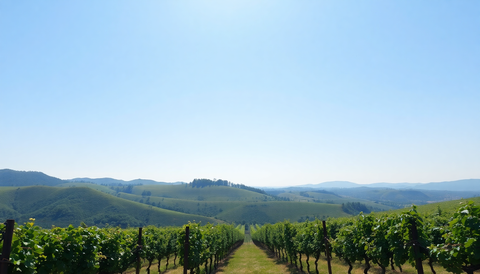
This delightful equilibrium is what every winemaker chases. The journey starts in the vineyard, where the climate and soil (what the French famously call terroir) lay the groundwork for the grape's personality. A cooler spot might give you grapes bursting with grapefruit and fresh-cut grass notes, while a warmer vineyard could nudge the flavours towards richer, more tropical fruits.
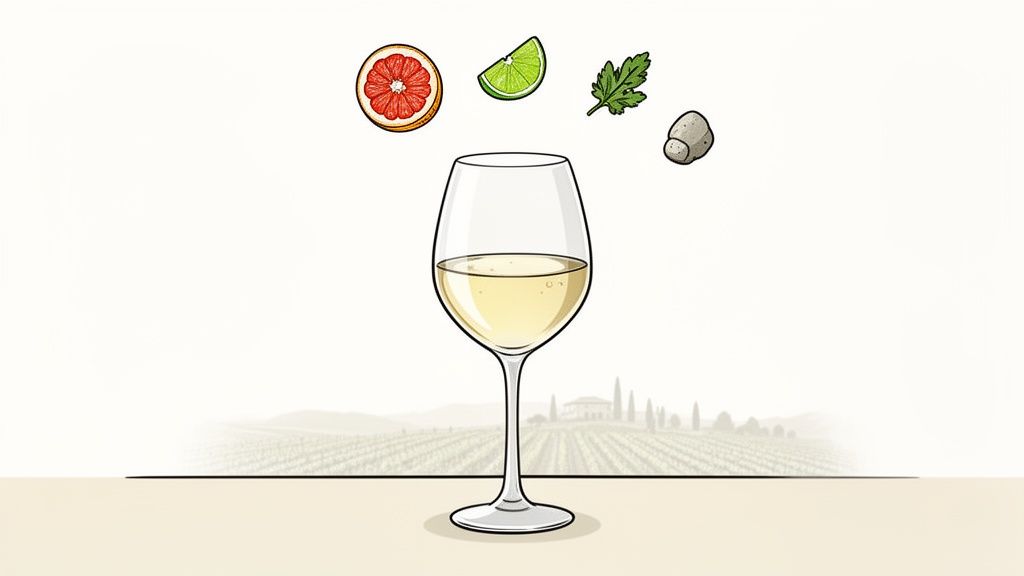
The Winemaker's Art and Regional Identity
From there, the winemaker steps in, using their skills to shape these raw materials. Decisions about fermentation temperature or whether to use stainless steel tanks versus oak barrels can amplify the grape’s natural character, making sure the final wine is a clear reflection of where it came from. This is precisely why a Sauvignon Blanc from one region can taste worlds apart from another. You can dive deeper into the grape's journey and learn more about the origins of Sauvignon Blanc in our detailed guide.
A truly great Sauvignon Blanc doesn't just quench your thirst; it tells a story about where it came from. The balance of fruit, acidity, and texture is a direct reflection of its specific vineyard and the careful hands that guided it from grape to glass.
Here in McLaren Vale, producers are all about crafting high-quality, expressive wines. Sauvignon Blanc might be a smaller player in the region’s output, but the dedication to it is obvious. For instance, in a recent vintage, Sauvignon Blanc contributed 17 tonnes to the total white grape crush. It might not sound like a huge number, but it's a testament to its valued place in our local wine scene. This focus on quality over sheer volume is a hallmark of producers crafting a truly great Sauvignon Blanc.
Exploring the Global Styles of Sauvignon Blanc
Sauvignon Blanc is a true globetrotter, a grape that completely transforms its character depending on where it puts down roots. Think of it like a brilliant actor playing different roles; the core identity is always there, but the performance changes dramatically with the setting. This journey through its most famous expressions will help you figure out which style of great Sauvignon Blanc truly speaks to you.
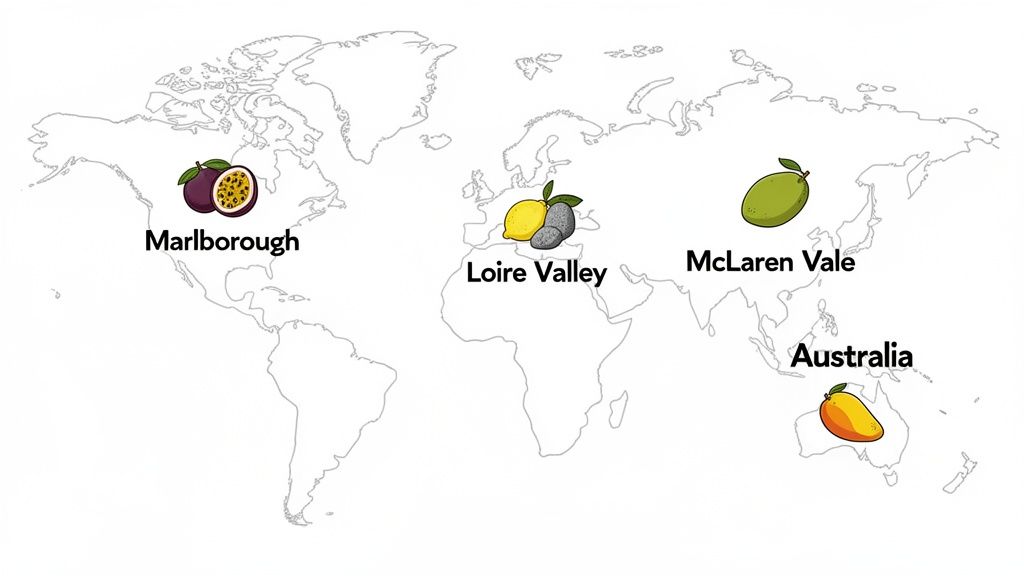
Our first stop is New Zealand, specifically the world-famous Marlborough region. This is where Sauvignon Blanc becomes an explosion of flavour. It’s unapologetically bold, bursting from the glass with intense aromas of passionfruit, gooseberry, and that signature zesty grapefruit kick that has become iconic. To really get under the skin of this style, you can find a wealth of information in our guide on the gems of New Zealand Sauvignon Blanc and Pinot Noir.
Old World Elegance in the Loire Valley
Next, we travel to its spiritual home in France’s Loire Valley. Here, in appellations like Sancerre and Pouilly-Fumé, the grape shows a completely different side of its personality. Instead of shouting with tropical fruit, it offers a more reserved and elegant profile.
Imagine the scent after a summer rain on a gravel path, that’s the essence of Loire Sauvignon Blanc. It’s all about minerality, with precise notes of flint, wet stone, and crisp lemon zest. These wines are celebrated for their laser-like acidity and refined, subtle complexity that unfolds with each sip.
Australian Innovation and Diversity
Australia carves out its own unique space, sitting somewhere between these two extremes. Cooler climate regions like the Adelaide Hills and our very own McLaren Vale are producing exceptional examples that offer a brilliant balance of Old and New World character.
These wines often blend the vibrant fruitiness you’d expect from a sunnier climate with the refreshing acidity and structural elegance of their European cousins. You might find lively citrus and stone fruit flavours underscored by a sophisticated mineral edge, creating a wine that is both expressive and beautifully structured. This adaptability is key to what makes a great Sauvignon Blanc from Australia so exciting.
Sauvignon Blanc is a transparent grape, meaning it clearly reflects its terroir. The difference between a Sancerre and a Marlborough Sauvignon Blanc isn't just a matter of taste; it’s a direct expression of the soil, climate, and winemaking philosophy of each place.
To help you get a handle on these distinct styles, we've put together a quick cheat sheet comparing what you'll find in the bottle.
Comparing Major Sauvignon Blanc Regions
This table provides a quick reference to the signature flavour profiles and characteristics of Sauvignon Blanc from key wine regions around the world.
| Region | Primary Aromas | Body & Acidity | Common Descriptors |
|---|---|---|---|
| Marlborough, NZ | Passionfruit, gooseberry, grapefruit, jalapeño | Light to medium body, high acidity | Pungent, herbaceous, tropical, zesty |
| Loire Valley, FR | Lemon, green apple, wet stone, flint, grass | Light body, high acidity | Mineral, elegant, crisp, restrained |
| McLaren Vale, AU | Lime, white peach, green melon, subtle herbs | Medium body, moderate to high acidity | Balanced, textural, vibrant, aromatic |
Understanding this incredible range is the first step towards finding the perfect bottle for your palate. Whether you prefer the electric intensity of a Kiwi classic, the stony elegance of a Sancerre, or the balanced finesse of a local Australian star, there's a world of great Sauvignon Blanc just waiting to be discovered.
How to Taste Sauvignon Blanc Like a Professional
Ready to start decoding the stories hidden inside your glass? Don't worry, tasting wine like a pro isn't about memorising fancy jargon. It's actually a pretty simple, mindful process that helps you zero in on what makes a great Sauvignon Blanc so special.
It really just comes down to three straightforward steps: Look, Smell, and Taste.
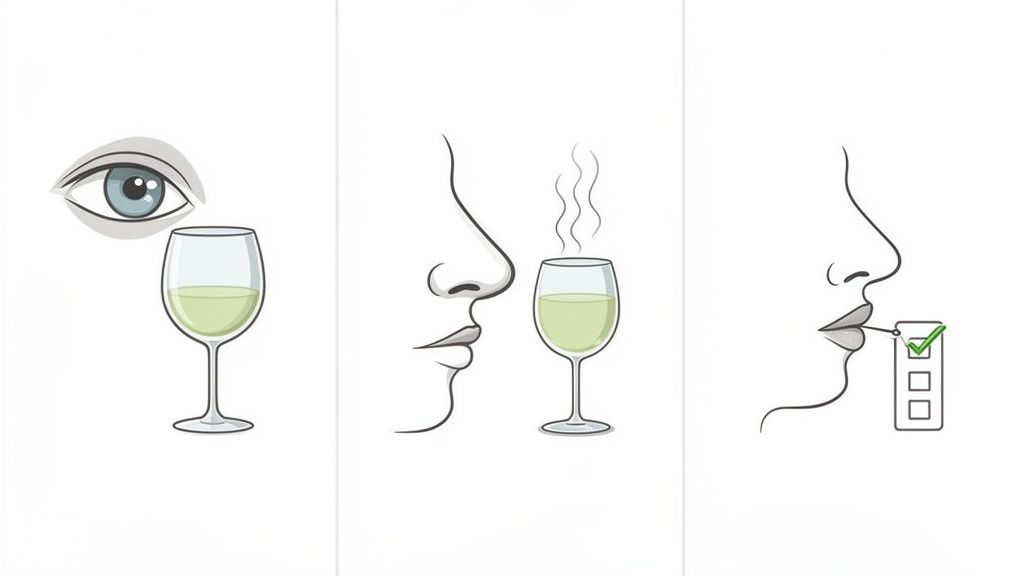
This systematic approach forces you to slow down and really focus your senses, turning a quick gulp into a much richer experience. By following these steps, you’ll quickly start picking up on the subtle clues that reveal a wine's origin, its age, and its overall quality.
If you want to do a really deep dive, check out our complete guide on how to taste wine like a sommelier.
Step 1: The Visual Clues
Your first impression is all about the visuals. Hold your glass up against something white, a napkin or a piece of paper works perfectly, and give it a slight tilt. Take a look at the colour in the centre and notice how it fades out towards the rim.
A young Sauvignon Blanc is usually a very pale straw colour with clear green or silvery glints. That's a tell-tale sign of youth and freshness. If the wine has a bit of age on it, or if it's seen some oak, the colour can deepen into a light gold, hinting at a richer, more developed flavour profile to come.
Step 2: Unlocking the Aromas
Now for the fun part. Sauvignon Blanc is one of the most expressive grapes out there when it comes to aroma. Give the glass a gentle swirl to get some air into the wine and release all those aromatic compounds. Don’t be shy about it, get your nose right in there and take a good, deep sniff.
So, what are you smelling? To make it easier, try to think in three main categories:
- Citrus & Orchard Fruits: Are you picking up zesty lime, grapefruit, green apple, or pear? These are absolute classic markers.
- Tropical Fruits: In the warmer, riper styles, you'll often find delicious notes of passionfruit, pineapple, or melon.
- Herbaceous & Floral Notes: This is where that signature "green" character comes from. Think freshly cut grass, capsicum, maybe even a bit of elderflower.
Step 3: Assessing the Palate
Finally, it’s time to taste. Take a small sip and let the wine wash over your entire mouth. Try to pay attention to its key structural parts: the acidity, the body, and how it finishes.
The hallmark of a great Sauvignon Blanc is its vibrant, mouth-watering acidity. It should feel zesty and refreshing, almost like a squeeze of fresh lemon that cleanses your palate and gets you ready for the next sip.
Notice the wine's weight, or its body. Does it feel light and nimble, or does it have a slightly richer, more rounded texture on your tongue?
Lastly, think about the finish. After you swallow, how long do those flavours stick around? A long, pleasant finish is one of the strongest indicators of a high-quality wine. By practising these simple steps, you'll gain a ton of confidence and a much deeper appreciation for every bottle you pop open.
Perfect Food Pairings for Sauvignon Blanc
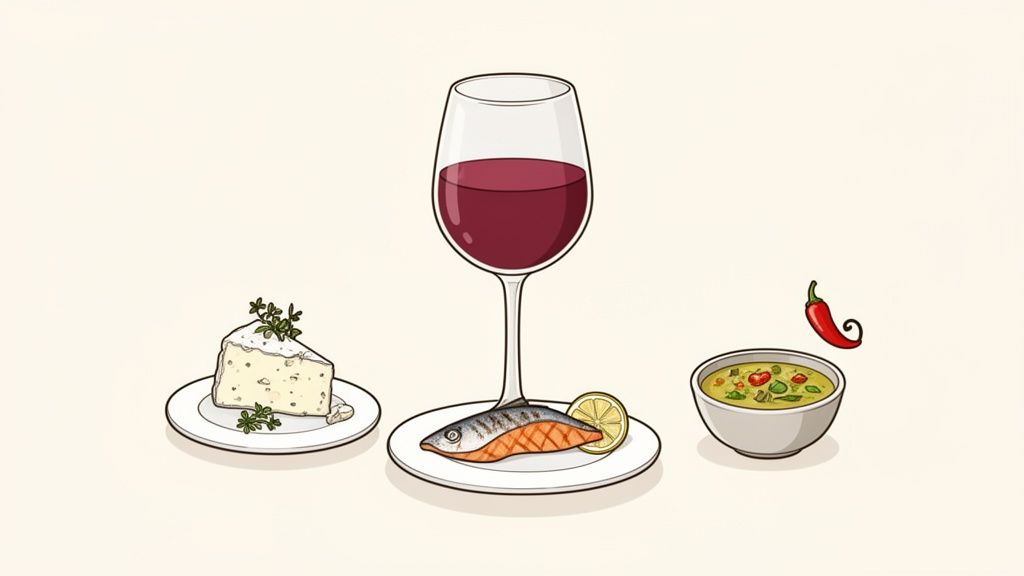
A great Sauvignon Blanc truly comes alive with the right food. That signature zesty acidity isn't just for show, it's the secret to its magic at the dinner table. Think of it as the ultimate culinary accessory, doing the same job as a squeeze of fresh lemon or lime.
This natural acidity slices through richness, cleanses the palate, and makes the flavours of everything it touches just pop. It’s this refreshing quality that makes it one of the most versatile and food-friendly white wines you can have on hand, ready to elevate almost any meal.
The golden rule is simple: match the wine's intensity to the dish. A lighter, more herbaceous Savvy from the Loire Valley will sing with delicate seafood, while a punchy Marlborough Sauvignon Blanc can hold its own against more intensely flavoured meals.
Classic and Creative Pairings
When it comes to pairings, some matches are classics for a reason. They just work. But don't be afraid to get creative; this wine’s versatility often leads to some seriously delicious discoveries.
Here are a few go-to ideas that show off its range:
- Seafood and Fish: Grilled barramundi, pan-seared scallops, or even classic fish and chips are taken to another level by the wine's citrus notes. That acidity cuts right through any oiliness, keeping every bite fresh.
- Goat Cheese: The tangy, creamy flavour of goat cheese is a perfect counterpoint to the wine's zesty profile. A simple salad with a vinaigrette and some crumbled goat's cheese is a match made in heaven.
- Green Vegetables: Sauvignon Blanc is famous for its almost unique ability to pair with tricky green veggies. It's fantastic with asparagus risotto, green beans, or salads loaded with fresh herbs like basil, mint, and parsley.
The pyrazines (those compounds that give Sauvignon Blanc its green, herbaceous notes) naturally click with the flavours in green vegetables and herbs. This makes it one of the few wines that harmonises perfectly with ingredients like asparagus and capsicum, rather than clashing with them.
Adventurous and Weeknight-Friendly Ideas
Beyond the classics, a great Sauvignon Blanc is a brilliant partner for global cuisines and easy weeknight meals. Its herbaceous and citrus character can handle a surprising amount of spice and flavour.
Try pouring a glass with a spicy Thai green curry. The wine’s crispness offers a refreshing contrast to the heat and creamy coconut milk, cleansing your palate beautifully between bites.
Another brilliant, simple option is a lemon-herb roast chicken. The wine echoes the citrus and herb flavours in the dish, creating a seamless and delicious experience. This is what makes Sauvignon Blanc so essential, it’s not just for special occasions. It’s a reliable partner that can turn a simple Tuesday night dinner into something memorable.
Serving and Storing Your Sauvignon Blanc for Best Results
Getting the most out of a brilliant Sauvignon Blanc often boils down to a few simple, but absolutely critical, details. Nailing the serving temperature and storage means that every single glass you pour is as zesty and aromatic as the winemaker dreamed it would be.
Think of a chilled Sauvignon Blanc like a perfect piece of summer fruit, cool, but definitely not frozen. The sweet spot for serving is between 8-10°C. Any warmer and the alcohol can start to take over, making the wine feel a bit flat. But serve it straight from a frosty fridge, and you’ll mute all those gorgeous, complex citrus and herbal notes we love so much.
To get it just right, simply pop the bottle in the fridge for about two hours before you plan to pour. Easy.
The Right Glassware and Cellaring Advice
You don't need to get too fussy with glassware. A standard white wine glass with a decent-sized bowl is perfect. That shape is designed to capture the wine's delicate aromas and funnel them right to your nose, giving you the full sensory experience.
Now, one of the biggest questions we get is: should you cellar Sauvignon Blanc? For the most part, the answer is no. The vast majority of these wines are made to be enjoyed right now, they’re crafted to be bright, fresh, and full of life.
Most Sauvignon Blanc is best consumed within 1-3 years of its vintage. This is its peak window, where those primary fruit flavours and crisp acidity are at their most vibrant and delicious.
Of course, there are always exceptions to the rule. Some high-end, barrel-fermented styles, especially from classic old-world regions like the Loire Valley, can develop some fascinating new flavours after a few years tucked away. They can evolve from being fresh and fruity into something far more complex, revealing notes of honey, nuts, and preserved lemon over time.
For the bottles you'll find on most shelves, though, the game plan is simple: buy it, chill it properly, and drink it while it’s young and energetic. A little bit of care ensures you’re enjoying every bottle of Sauvignon Blanc at its absolute best.
Your Guide to Sauvignon Blanc at McLaren Vale Cellars
Your search for a truly great Sauvignon Blanc ends right here. At McLaren Vale Cellars, we’re passionate about showcasing how our region crafts exceptional wines that nail that perfect balance between bright, expressive fruit and signature, mouth-watering acidity.
We’ve put together a selection designed to make discovering your next favourite bottle simple and genuinely rewarding.
And it’s all happening in a region that’s thriving. A recent SA Winegrape Crush Survey for McLaren Vale revealed a total crush of 36,104 tonnes, a massive 28% jump from the previous year. This growth is a testament to the region’s resilience and ensures a steady stream of top-quality, value-driven whites for you to explore. You can dive deeper into the McLaren Vale vintage report for the full story.
Find Your Perfect Bottle with Ease
We reckon buying wine should be an adventure, not a chore. That’s why we’ve curated options to suit every kind of wine lover, making it easy to bring home some of South Australia’s finest.
- Sample Packs: Absolutely perfect if you're curious. These packs are your ticket to exploring different styles and wineries without committing to a full dozen.
- Value Dozens: Found a wine you can’t get enough of? Our dozen deals offer outstanding value, so you can easily stock the cellar with your go-to favourites.
- Half & Half Options: Can't decide between two great drops? Our flexible 'Half & Half' packs let you mix and match, so you never have to choose.
Think of us as your personal guide to the world of McLaren Vale Sauvignon Blanc. With our Taste Guarantee, free delivery, and Grape-ful Rewards program, you can shop with total confidence, knowing every single bottle is backed by our promise of quality and enjoyment.
We stand behind every wine we sell, so you can purchase with absolute peace of mind. Let us help you discover the vibrant, refreshing, and truly great Sauvignon Blanc our corner of the world has to offer.
Sauvignon Blanc: Your Questions Answered
You're well on your way to becoming a Savvy B expert. To tackle those last few lingering questions, here are a few things we often get asked by fellow wine lovers.
What’s the Deal with Fumé Blanc? Is It Different from Sauvignon Blanc?
Nope, they’re the same grape! ‘Fumé Blanc’ is a name that came out of California for Sauvignon Blanc that’s been aged in oak. This little twist gives the wine a richer, creamier texture and adds layers of smoke, vanilla, and spice to the mix.
Think of it as Sauvignon Blanc’s more complex, textural cousin compared to the zesty, unoaked style most of us know and love.
Why Does My Sauvignon Blanc Sometimes Smell Like Capsicum?
That classic green, grassy, or capsicum aroma comes from natural compounds in the grape called pyrazines. You'll notice them more in wines from cooler climates or when the grapes are picked a bit earlier.
It's a hallmark of the variety, especially in elegant Old World styles like those from France's Loire Valley. For many Savvy B fans, that herbaceous note is part of the charm and a sign of its cool-climate origins.
Pyrazines aren't a flaw; they're a feature. This "green" character is a direct link to the vineyard's climate and terroir. It’s a key part of what makes Sauvignon Blanc so distinctive and recognisable, particularly in the more refined, food-friendly styles.
Is Sauvignon Blanc a Sweet or Dry Wine?
Overwhelmingly, Sauvignon Blanc is a dry wine. This means that during fermentation, almost all the grape sugars are converted into alcohol, leaving very little sweetness behind.
Sometimes, the vibrant, juicy fruit flavours and zesty acidity can give the impression of sweetness, but technically, it’s as dry as they come. If you're ever curious about a specific bottle, the tech sheet on the winery's website will tell you the exact residual sugar level.
Ready to dive into the world of South Australian Sauvignon Blanc? Here at McLaren Vale Cellars, we’ve handpicked a fantastic range of the region's best, from crisp and zesty to rich and textural. Find your next favourite and shop our collection with confidence at https://www.mclarenvalecellars.com.

Comments (0)
There are no comments for this article. Be the first one to leave a message!