
So, what separates a good sparkling wine from just another bottle of fizz? It's not just about the bubbles in your glass. It’s a wonderful mix of expert craftsmanship, balanced flavours, and, of course, your own personal taste. A good sparkling wine tells you a story about where it came from—from the careful methods used to make it, to the unique personality of its grapes. Getting a handle on these elements is the first step to confidently picking a bottle you’ll genuinely love.
Decoding Good Sparkling Wine
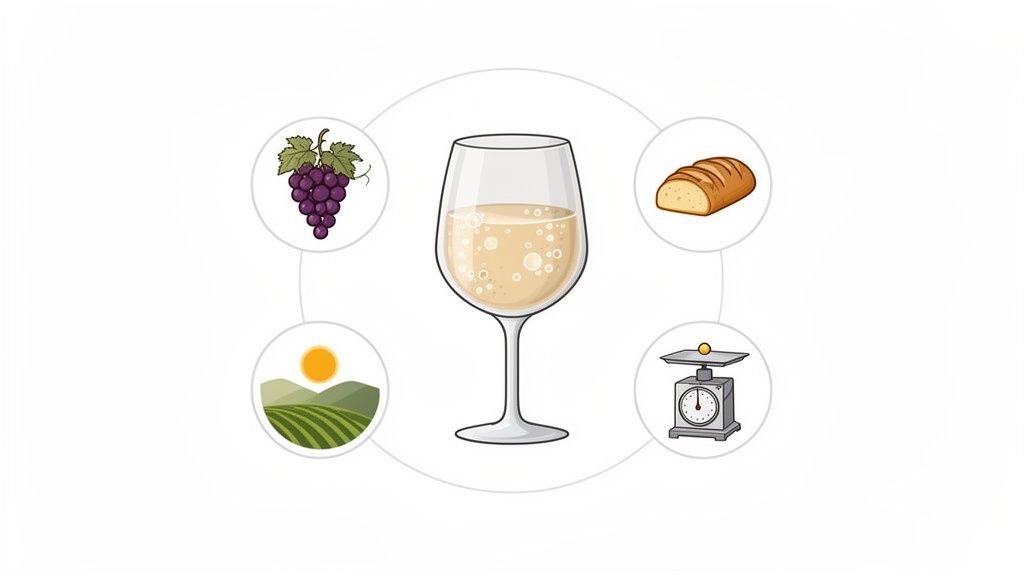
Think of a great sparkling wine like a perfectly composed piece of music. It's not about one loud note, but how everything—acidity, sweetness, bubbles, and aroma—works together in harmony. It's time to move past the old myth that more bubbles mean better quality. The true signs of a superior bubbly are far more subtle and rewarding to explore.
A truly good sparkling wine strikes a beautiful balance where no single element shouts over the others. The acidity should be crisp but not sharp, the fruit flavours should be present but not simple, and the bubbles should be fine and persistent, creating a creamy texture rather than an aggressive foam.
This journey into quality starts with understanding the core ideas that define an exceptional bottle. We'll look at how different production techniques and grape varieties play their part in the final taste and texture you get to experience.
Key Factors of Quality
Several key pieces come together to create a memorable sparkling wine. Getting familiar with them will help you pinpoint what you enjoy most and make smarter choices when you're buying. These critical factors include:
- Production Method: Techniques like the labour-intensive Méthode Traditionnelle create complex, toasty notes, while other methods are designed to preserve bright, fresh fruit flavours.
- Balance of Flavours: This is the magic interplay between sweetness (or the lack of it), acidity, and fruit character. A well-made wine feels seamless and integrated on your palate.
- Grape Variety and Terroir: Just like with still wines, the grapes used and the region they're grown in—like the celebrated McLaren Vale—give the wine its distinct aromas and flavours.
The Australian wine industry is in a fascinating spot right now. Recent figures show national wine production hit 1.13 billion litres, a solid 9% jump from the previous year. This growth, particularly a 2% rise in white wine grape production, gives premium producers in South Australia fantastic base wines needed to craft exceptional sparklers like Blanc de Blancs.
For you, this means more high-quality choices are hitting the shelves. You can dive deeper into the trends shaping the Australian wine production landscape to see what's coming next. By learning to spot these markers of quality, you're not just buying a bottle; you're choosing an experience.
The Craft Behind the Bubbles
Ever stop mid-sip and wonder how those tiny, captivating bubbles actually get into your glass? That delightful fizz isn’t an accident. It’s the result of incredible craftsmanship, and different techniques create wildly different styles of sparkling wine. Getting your head around these methods is the key to understanding what makes a good sparkling wine truly special.
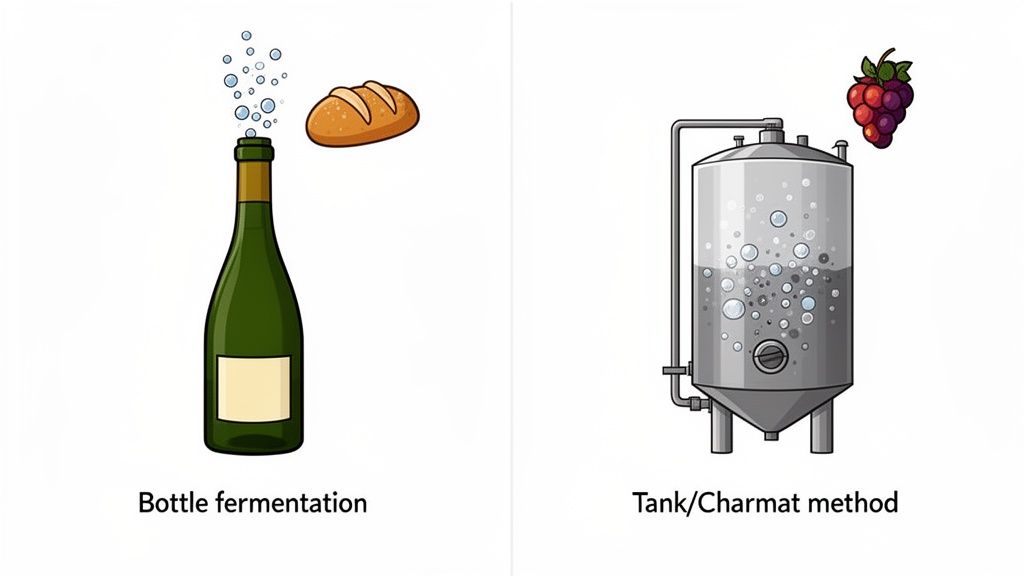
There are two main paths to creating those bubbles: the traditional method and the tank method. Each one gives the final wine a unique character, texture, and flavour, which directly influences its quality and price. Think of it like the difference between a slow-fermented, complex artisan sourdough and a fresh, crusty baguette—both are delicious, but they get there in very different ways.
The Art of Méthode Traditionnelle
The most revered and labour-intensive process is the Méthode Traditionnelle, or traditional method. This is the magic behind Champagne, Cava, and many of Australia’s best sparkling wines, including some absolute gems from McLaren Vale. It’s a patient art form where the second fermentation—the one that creates the bubbles—happens inside each individual bottle.
Here’s a quick rundown of how it works:
- Create a Base Wine: First, winemakers produce a still, dry, high-acid wine from grapes like Chardonnay, Pinot Noir, or Pinot Meunier.
- Kick off a Second Fermentation: This wine is then bottled with a small dose of yeast and sugar (called the liqueur de tirage) and sealed shut. The yeast gets to work, eating the sugar and creating more alcohol and, crucially, trapping carbon dioxide inside. Hello, bubbles!
- Age on Lees: After the yeast has done its job, the wine is left to age on the expired yeast cells, known as lees. This ageing process, which can last anywhere from 15 months to over a decade, is where the complexity builds. It’s what gives the wine those sought-after rich, toasty notes of brioche, almond, and baked bread.
This slow, in-bottle process is responsible for the fine, persistent bubbles and creamy texture that define the world's most celebrated sparkling wines. It takes time and serious effort, which is why these bottles command a higher price and are perfect for marking those big milestones.
The Freshness of the Tank Method
On the other hand, you have the Tank Method, also known as the Charmat or Italian Method. This technique is all about speed and preserving bright, fresh fruit flavours. It’s famously used for Prosecco and many other fruit-forward sparklings. Instead of happening in bottles, the second fermentation takes place in a large, pressurised stainless-steel tank.
This approach keeps the wine’s primary fruit notes right at the forefront—think green apple, pear, honeydew, and citrus. Because the wine spends very little, if any, time ageing on lees, it doesn’t develop those yeasty, bready characters you find in traditional method wines.
The Tank Method is all about capturing the vibrant, youthful essence of the grapes. It's a quicker, more cost-effective process that gives us wines perfect for casual sipping, brunch mimosas, and everyday celebrations.
Ultimately, neither method is better than the other; they just create different styles of good sparkling wine for different occasions. A complex, aged Méthode Traditionnelle from McLaren Vale offers a rich, layered experience, while a crisp, fruit-driven Tank Method wine delivers immediate, uncomplicated pleasure.
To dive deeper, check out our in-depth guide to sparkling wines and bubbles beyond Champagne. Understanding the craft behind the fizz is the first step to choosing the perfect bottle, every single time.
How to Decode Sparkling Wine Labels
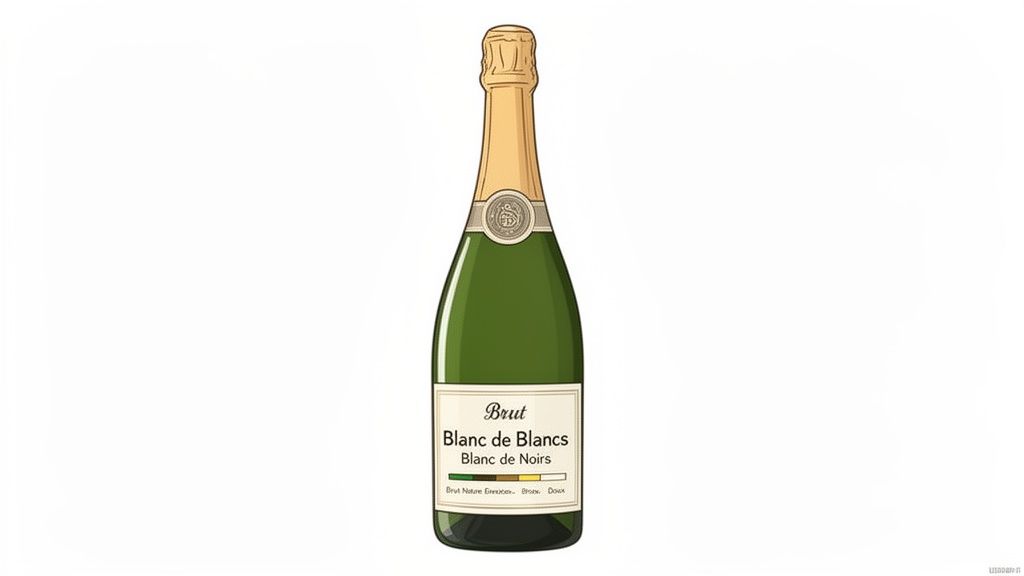
A sparkling wine label holds all the clues you need to find a bottle you'll love, but it can feel like trying to read another language. Think of this section as your personal decoder ring, turning those cryptic terms into clear signposts for your palate.
Once you can read the lingo, you’ll know exactly what to expect from the wine inside the bottle.
The most important clue is almost always the sweetness level. This tells you how dry or sweet the wine will taste, and it’s all controlled by a little bit of winemaking magic called dosage. After the secondary fermentation (where the bubbles are made), a small mixture of wine and sugar is added to balance the wine's naturally high acidity and perfect the final flavour.
Understanding the Sweetness Scale
From bone-dry to lusciously sweet, these terms are your guide. Getting to know them is the fastest way to find a sparkling wine that hits the spot.
Here’s a quick rundown of the most common terms you’ll see on a bottle, from driest to sweetest.
| Term on Label | Sweetness Level | Grams of Sugar per Litre (g/L) | Tasting Notes |
|---|---|---|---|
| Brut Nature / Zero Dosage | Bone Dry | 0-3 g/L | The driest style. Crisp, sharp, and incredibly refreshing. |
| Extra Brut | Very Dry | 0-6 g/L | Extremely dry, with a slightly softer edge than Brut Nature. |
| Brut | Dry | 0-12 g/L | The most popular and versatile style. Tastes dry with a subtle fruitiness. |
| Extra Dry / Extra Sec | Off-Dry | 12-17 g/L | Confusingly, this is slightly sweeter than Brut, with a noticeable fruit-forward flavour. |
| Dry / Sec | Medium-Sweet | 17-32 g/L | Noticeably sweet and works beautifully with desserts or spicy food. |
| Demi-Sec | Sweet | 32-50 g/L | A distinctly sweet sparkling wine, perfect for rich cakes and fruit tarts. |
| Doux | Very Sweet | 50+ g/L | The sweetest of all—essentially a dessert wine in bubbly form. |
This wide range of styles is fantastic for Australian wine lovers. While specific stats are hard to pin down, a recent 2% rise in white wine production highlights the steady growth of the whole segment. This gives our winemakers, especially in premium pockets like McLaren Vale, a fantastic canvas to craft exceptional sparklers across all sweetness levels.
Translating Other Key Terms
Beyond sweetness, a few other common phrases on a label will tell you a lot about the wine’s character and the grapes used to make it.
Knowing these terms is like having an insider's guide. They reveal the winemaker's intention and give you a clear preview of the wine's body, flavour, and overall style before you even pop the cork.
Blanc de Blancs literally translates to "white from whites." This tells you the wine is made 100% from white grapes, which is most often Chardonnay. These wines are typically elegant and crisp, with bright citrus notes and zippy acidity. They make a fantastic aperitif or a perfect partner for seafood.
On the other hand, Blanc de Noirs means "white from blacks." This style is crafted entirely from red grapes like Pinot Noir or Pinot Meunier. The juice is separated from the skins quickly to avoid picking up any red colour. The result? A wine with more body, red fruit character (think strawberry or raspberry), and a richer texture.
Understanding these distinctions is a key part of appreciating just how different sparkling wines can be. To dive deeper, check out our guide that explains in detail what separates Champagne from other sparkling wines.
Exploring Famous Sparkling Wine Regions
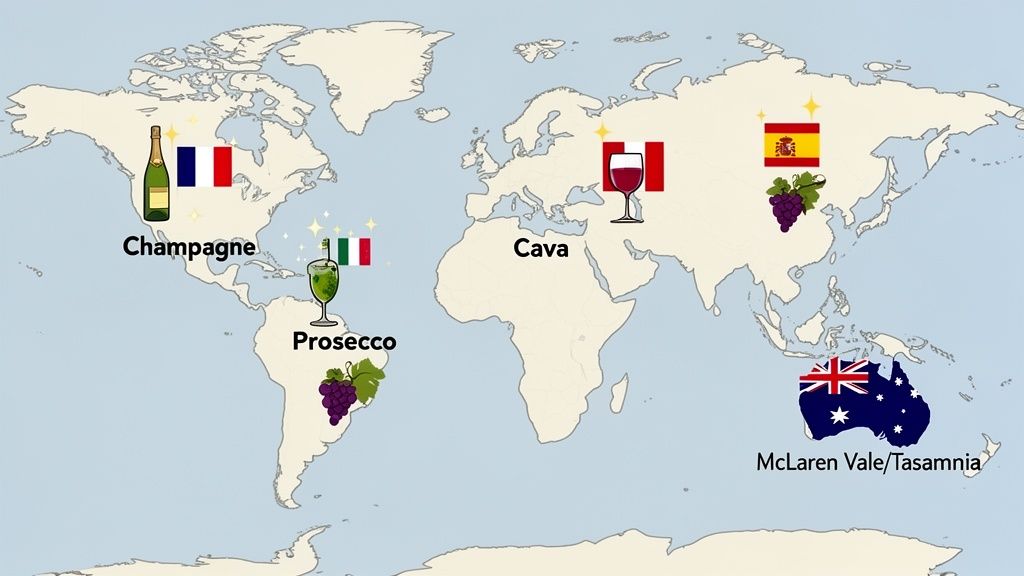
A great sparkling wine is like a postcard from its home, bottling the unique climate, soil, and traditions of the place it was grown. To really get a handle on what makes these wines tick, you need to take a quick trip around the globe, stopping in at the iconic regions that set the standard for fizz.
Our journey kicks off in France, the undisputed home of prestige sparkling, before swinging through sunny Italy and Spain. But the best part is bringing it all back home to Australia, where our winemakers are crafting world-class bubbles that can stand shoulder-to-shoulder with the classics.
The Old World Icons
For centuries, Europe has written the rulebook on sparkling wine. Three regions in particular have become household names, each with a personality shaped by its grapes, methods, and culture. Getting to know these legends gives you a brilliant foundation for appreciating good sparkling from anywhere.
-
Champagne, France: This is the gold standard. Made exclusively with the traditional method, Champagne is revered for its incredible complexity, fine bead, and classic notes of brioche, citrus, and chalk. Only wines from this tiny patch of France can legally carry the name, making it the ultimate benchmark for quality.
-
Prosecco, Italy: Fun, fresh, and fantastically fruity. Prosecco is mostly made using the Tank Method, which is why it bursts from the glass with lively flavours of green apple, pear, and honeysuckle. Its approachable charm has made it a global sensation for casual get-togethers.
-
Cava, Spain: Spain’s brilliant answer to Champagne. Cava also uses the traditional method but relies on native Spanish grapes like Macabeo, Parellada, and Xarel·lo. This gives it a unique profile that's often a bit more earthy and savoury than Champagne, offering incredible quality without the hefty price tag.
These famous regions show us the sheer diversity of what a good sparkling wine can be. They’re a masterclass in how different grapes and techniques can lead to vastly different, yet equally delicious, experiences.
Australia's World-Class Fizz
While the Old World has history on its side, Australia has muscled its way onto the world stage as a powerhouse producer of exceptional sparkling wine. Our diverse climates mean we can craft a huge range of styles, from elegant and refined to bold and uniquely Aussie.
Cool-climate regions like Tasmania have earned international acclaim for producing sparklings with a razor-sharp acidity and complexity that genuinely rivals Champagne. But you don’t have to look that far for top-tier fizz. Right here in South Australia, another region is making serious waves with its distinctive sparkling offerings.
McLaren Vale: A Coastal Gem
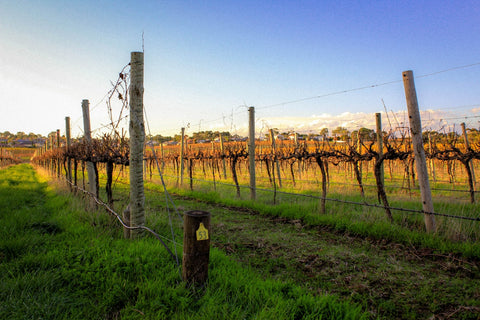
McLaren Vale's magic lies in its unique coastal climate. Those warm, sunny days are perfectly balanced by cooling sea breezes rolling in from the Gulf St Vincent, creating ideal conditions for growing grapes with beautiful ripeness and zesty acidity. This is the secret sauce behind the region’s vibrant and expressive sparkling wines.
Local winemakers are harnessing this advantage to craft everything from crisp, elegant Blanc de Blancs to the iconically Australian Sparkling Shiraz. This bold, rich, and bubbly red is a true Aussie original, packed with flavours of dark berries, chocolate, and spice. It’s proof that a good sparkling wine isn’t just white and delicate. McLaren Vale is where global standards of excellence meet the innovative gems waiting to be discovered right in our own backyard.
How to Choose the Perfect Bottle for Any Occasion
Alright, you've got the basics down—you know about the methods, the labels, and the regions. Now for the fun part: putting that knowledge to work. Choosing a good sparkling wine isn't about some mythical "best" bottle. It’s about matching the right wine to the right moment.
Let’s get one thing straight: this isn't meant to be stressful. The goal is simply to sync up the wine's personality with the vibe of the event. A celebratory toast needs something different from a lazy weekend brunch, and pairing fizz with a full-blown dinner is another game entirely. Let's break down how to nail the choice every single time.
Matching the Wine to the Mood
Think of your sparkling wine as the playlist for the occasion. You wouldn't put on a quiet acoustic set during a party, would you? The same logic applies here. The style of the wine should lift the mood, not fight against it.
-
For Milestone Celebrations: When you're marking a big life event—an anniversary, a promotion, a landmark birthday—you need a wine with a bit of gravitas. A premium Méthode Traditionnelle is the go-to. Its fine, persistent bubbles and complex, toasty notes of brioche and almond just feel special. It says, "This is a moment to savour."
-
For Casual Gatherings and Brunch: For those relaxed, sunny catch-ups, you want something bright, fresh, and easy-going. A zesty, fruit-forward sparkler made with the Tank Method, like an Aussie Prosecco-style fizz, is perfect. Those lively green apple and citrus notes are just pure joy in a glass and won't overpower your smashed avo.
-
For a Cosy Night In: Sometimes the "occasion" is just putting your feet up. A versatile and elegant sparkling rosé is brilliant for this. It has the crispness of a white sparkling but with a lovely red berry character. It’s sophisticated enough to feel like a treat but relaxed enough for a Tuesday night on the sofa.
The key is to be intentional. Think about the feeling of the event first. That alone will narrow your choices and help you pick a style that truly fits, making you look like a pro at every gathering.
Pairing Sparkling Wine with Food
One of the greatest things about sparkling wine is how ridiculously well it pairs with food. That high acidity and those cleansing bubbles are magic—they cut through rich, fatty, or salty foods like nothing else, making it one of the most versatile wines you can pour.
Here are a few ideas to get you started:
-
Crisp, Dry Styles (Brut Nature, Brut): A classic McLaren Vale Blanc de Blancs is an absolute showstopper with fresh seafood. Think oysters, prawns, or grilled fish. But don't stop there. Its zippy acidity is also incredible with anything salty and fried. Seriously, try it with hot chips or crispy fried chicken—it's a game-changer.
-
Fruit-Forward Styles (Extra Dry): That little hint of sweetness makes these wines a fantastic partner for spicy dishes. The fruitiness helps to cool the heat from a Thai green curry or spicy Mexican food, creating a delicious harmony on the palate.
-
Bold, Rich Styles (Sparkling Shiraz): Let's not forget Australia's unique gift to the world! A bold sparkling Shiraz is a must at a barbecue, easily standing up to grilled meats and rich, smoky sauces. It's also a brilliantly festive choice for Christmas lunch alongside roast turkey and cranberry sauce.
If you're after more inspiration, our sparkling wine recommendations guide has plenty more ideas.
Right now is a fantastic time to be buying Australian wine. While recent national sales hit 1.08 billion litres, production has actually increased to 1.13 billion litres, creating a bit of a surplus. For savvy wine lovers, this means premium sparklers, like our best-selling Blanc de Blancs from McLaren Vale Cellars, are more accessible than ever. It's the perfect opportunity to grab high-quality bubbles for any occasion without breaking the bank. You can dig into the numbers and see what it means for consumers in the latest Australian wine production and sales data.
Serving and Pairing Sparkling Wine Like a Pro
Getting the final touches right can take your experience with a good sparkling wine from memorable to truly unforgettable. It's the simple things that make a huge difference—like nailing the serving temperature, opening the bottle with confidence, and pouring it into the perfect glass. These professional tips will help turn every bottle you open into a special event.
First up, let's talk temperature. If you serve sparkling wine too cold, you’ll mute all its beautiful, delicate flavours. Serve it too warm, and it can feel a bit flat and boozy. The sweet spot for most sparkling wines is between 6-8°C. An hour or two in the fridge is usually all it takes. Just promise us you'll never put it in the freezer—this can damage the wine and, in a worst-case scenario, cause the bottle to explode.
Now, for the main event: opening the bottle. Forget those dramatic, cork-popping explosions you see in movies; they just waste precious fizz. A quiet, gentle "sigh" is the sound of a pro at work.
- Remove the Foil: Find the tab and tear off the foil capsule just below the wire cage.
- Loosen the Cage: Place your thumb firmly over the top of the cork and cage. Now, untwist the wire loop six times. CRITICAL: Once that cage is loose, never take your hand off the cork.
- Twist the Bottle: Hold the cork and cage securely with one hand, and with the other, gently twist the base of the bottle. The pressure inside will slowly push the cork out with a satisfying, gentle hiss.
Choosing the Right Glassware
While the classic, tall flute is an iconic look, many wine experts (including us!) now lean towards a tulip-shaped glass. Why? The wider bowl gives the wine's complex aromas room to open up and develop. At the same time, the tapered rim funnels all those beautiful scents right where you want them—towards your nose. It’s the best of both worlds, really: all the elegance with much more flavour.
Beyond Classic Pairings
Thanks to its high acidity and cleansing bubbles, sparkling wine is one of the most food-friendly wines on the planet. It effortlessly cuts through fat, salt, and spice, refreshing your palate with every sip. Oysters and canapés are classic for a reason, but don't be afraid to think outside the box.
The secret to great pairings is using sparkling wine's crispness to your advantage. It acts like a squeeze of lemon, brightening and lifting the flavours of a dish.
Here are some fun, and maybe surprising, matches to try:
- Crispy Fried Chicken: The wine’s acidity slices straight through the richness of the batter. A match made in heaven.
- Spicy Thai Food: A slightly off-dry sparkling (look for 'Extra Dry' on the label) can cool the heat beautifully.
- Gourmet Popcorn: That salty, buttery goodness is a surprisingly delicious partner for a dry Brut.
- Rich Cheeses: A creamy Brie or a salty Parmesan is wonderfully balanced by the wine's effervescence.
When you're ready to put your new skills to the test, or you just fancy a great night out, consider exploring some of the best wine bars in Palm Springs. Learning these simple techniques transforms how you enjoy every bottle, turning any occasion into a proper celebration.
Got Questions About Sparkling Wine? We've Got Answers
Stepping into the world of sparkling wine can feel a little daunting, but it doesn't have to be. To help you pick your next bottle with total confidence, we've tackled some of the most common questions we hear about what makes a great fizz.
What Is the Biggest Difference Between Champagne and Sparkling Wine?
In short, it's all about location, location, location. For a bottle to be called Champagne, it must come from the Champagne region of France. That's it. The name is legally protected.
Many of the world's best sparkling wines, including some incredible drops from right here in McLaren Vale, are made using the exact same meticulous Méthode Traditionnelle. This is the time-honoured process that gives Champagne its famous tiny bubbles and complex flavours.
Think of it like this: all Champagne is sparkling wine, but not all sparkling wine is Champagne. The term guarantees a place of origin, not necessarily a superior quality over other well-made sparklings.
How Long Can I Store an Unopened Bottle of Sparkling Wine?
This really depends on how it was made. Most non-vintage sparkling wines (like many Proseccos or your everyday bubbles) are bottled ready to drink and are best enjoyed fresh, usually within 1-3 years of buying them. They won't get any better with age, so don't be afraid to pop that cork!
On the other hand, high-quality vintage sparkling wines, particularly those made with the traditional method, can evolve beautifully in the cellar for 5, 10, or even more years. As they age, they shed their zesty primary fruit notes and develop incredible layers of nutty, toasty, and brioche-like complexity. If you're ever unsure, a quick look at the producer's website should give you a good idea.
Is a More Expensive Sparkling Wine Always Better?
Not at all. A high price tag often reflects the labour-intensive production method, the length of time it has been aged, or simply the power of a famous brand name. Sure, a top-shelf vintage Champagne can be a truly mind-blowing experience, but you can find absolutely stunning, well-crafted sparkling from regions like McLaren Vale for a fraction of the cost.
Ultimately, the 'best' wine is the one that you enjoy, suits the occasion, and fits your budget. The real secret is to get out there and explore. Tasting different styles is the only way to discover those hidden gems that deliver amazing quality and incredible value.
Ready to explore the exceptional quality of local fizz? Discover curated sample packs, value bundles, and premium bottles from the heart of South Australia at McLaren Vale Cellars. Find your next favourite sparkling wine with confidence and taste the difference. Shop our full sparkling wine collection today!

Comments (0)
There are no comments for this article. Be the first one to leave a message!