
When someone talks about a good Sauvignon Blanc, they’re describing more than just a chilled white wine. They’re talking about a vibrant, refreshing experience in a glass, a wine bursting with lively aromas, crisp acidity, and expressive fruit flavours that tell a story about where it came from.
A great Savvy is all about a beautiful balance between zesty citrus notes, grassy or herbaceous undertones, and a clean, mouth-watering finish.
What Makes a Sauvignon Blanc Good?
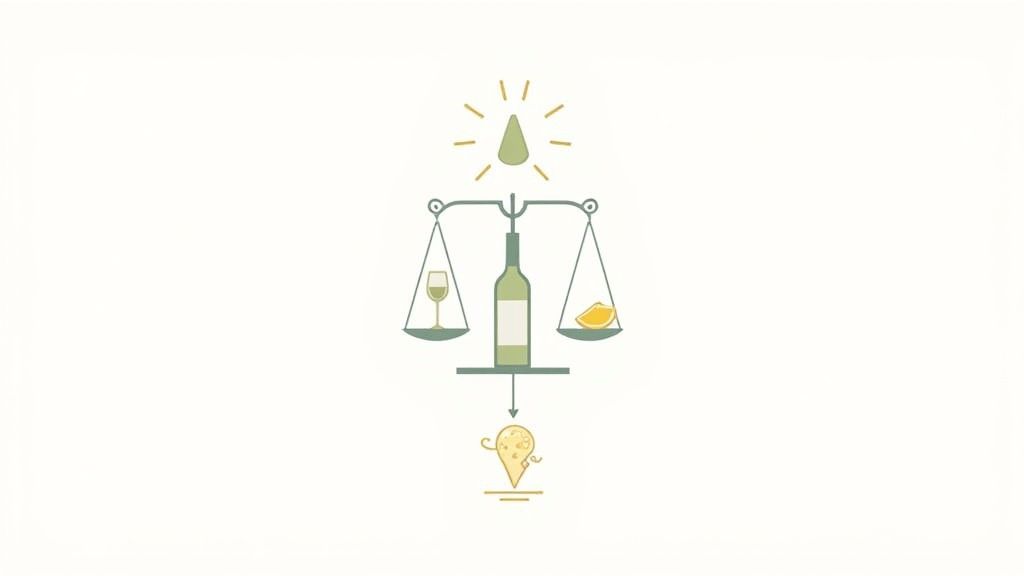
So, what separates a truly memorable Sauvignon Blanc from a forgettable one? It’s not just one thing. It’s the harmony between three key pillars: aromatic intensity, structural balance, and regional character.
A fantastic bottle makes its presence known the moment you lift the glass. It greets you with a burst of captivating aromas, not just a generic "wine" smell, but specific, lively scents like zesty grapefruit, tropical passionfruit, freshly cut grass, or even a hint of smoky minerality. This is a wine that has something to say.
The Core Elements of Quality
The real magic, however, happens on your palate. This is where the interplay between acidity, body, and alcohol needs to be perfectly poised. Acidity is the absolute superstar here; it’s what gives Savvy its refreshing, zesty quality and makes it such a brilliant partner for food.
Think of acidity like the sharp, delightful zing in a perfectly made lemonade. It should be bright and invigorating, making your mouth water, but never unpleasantly sour or aggressive. This crispness is what gives the wine its clean, palate-cleansing finish.
When we talk about balance, we mean that no single element shouts over the others. The fruit flavours shouldn't feel sugary, the alcohol shouldn't create a hot sensation in your throat, and the acidity shouldn't be biting. Instead, all these components should weave together seamlessly.
A Sense of Place
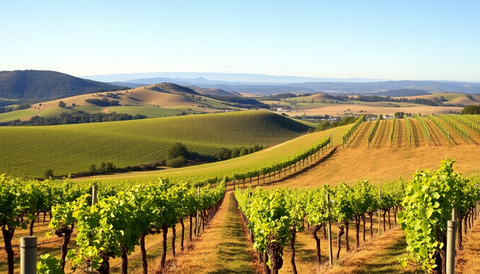
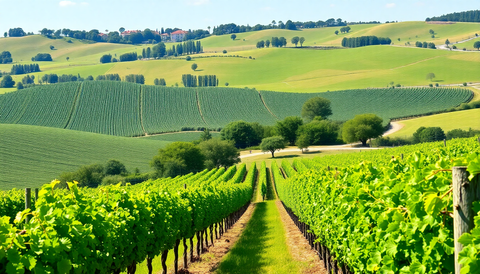
Finally, a truly good Sauvignon Blanc has what the French call terroir, a clear sense of place. It’s the reason a bottle from the cool Loire Valley in France tastes so different from one grown under the South Australian sun in McLaren Vale.
The local climate, the soil, and the winemaker's touch all leave a unique signature on the final wine. You can learn more about its fascinating journey by exploring the origins of the Sauvignon Blanc wine grape and its global evolution.
To help you get a handle on these concepts, here’s a quick summary of what to look for when you're tasting.
Key Characteristics of a Good Sauvignon Blanc
| Attribute | Description | What to Look For |
|---|---|---|
| Aroma | The intensity and clarity of the wine's scent profile. | Punchy, distinct aromas of citrus, tropical fruit, green herbs, or minerality. |
| Acidity | The mouth-watering quality that provides freshness and structure. | A bright, crisp sensation that isn't sour; a clean finish. |
| Balance | The seamless integration of fruit, acidity, alcohol, and body. | No single element dominates; the wine feels complete and harmonious. |
| Regionality | The unique characteristics derived from the wine's origin (terroir). | Distinct flavours that reflect its region, e.g., grassy Loire vs. tropical Marlborough. |
Understanding these pillars, aroma, balance, and place, gives you a simple but powerful framework for spotting a quality Sauvignon Blanc. It’s not about being a wine snob; it’s about knowing what you enjoy and why, setting you up to explore all the incredible styles this grape has to offer.
Decoding the Aromas of Sauvignon Blanc
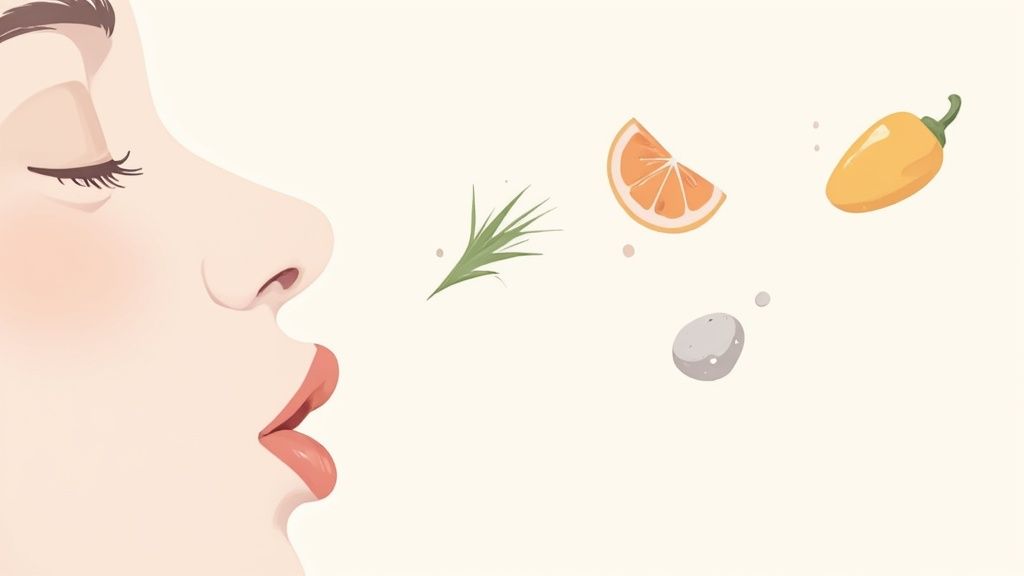
Ever wonder how a single wine can smell like a zesty lemon and freshly cut grass at the same time? A good, tasty sauvignon blanc is a master of aromatic complexity. Learning to pick out its signature scents is like learning a secret language that reveals everything about where it came from and how it was made.
This captivating personality comes down to specific chemical compounds that form in the grapes as they ripen. These compounds fall into two main families, and each one is responsible for a different side of the wine’s character. Learning to spot them is the first step toward truly appreciating what's in your glass.
Green and Grassy Notes
First up are the pyrazines (pronounced peer-a-zeens). These are the compounds behind Sauvignon Blanc’s famous "green" or herbaceous aromas. Think of the smell of a freshly snapped green capsicum, a clipped hedge, or even a hint of asparagus.
In cooler climates like France's Loire Valley, these pyrazine-driven notes are much more obvious, giving the wine an elegant, savoury, and sometimes flinty profile. When you smell these aromas, you’re tasting the influence of a milder growing season where the grapes held onto their vibrant, green character.
Fruity and Tropical Bursts
On the other side of the spectrum are thiols. These compounds are the powerhouse behind the explosive fruit aromas that put New Zealand and Australian Sauvignon Blanc on the map. Thiols are responsible for a whole range of scents you can train your nose to identify:
- Citrus: Grapefruit, lime zest, and lemon peel.
- Tropical Fruits: Passionfruit, guava, and mango.
- Stone Fruits: White peach and nectarine.
Warmer regions, like South Australia's McLaren Vale, let the grapes develop higher concentrations of these thiols. The result is wines that are bursting with ripe, juicy fruit character, a profile that has helped drive the grape's incredible popularity here in Australia.
Sauvignon Blanc is a fantastic example of aromatic transparency. Its scent profile acts as a direct report from the vineyard, telling you about the climate, soil, and the exact moment the grapes were harvested.
The growing appetite for this style is clear. Australia's recent wine grape harvest saw Sauvignon Blanc post double-digit growth, making it one of the top five most produced grape varieties in the country for the first time. This shows a big shift in what people want to drink, even as the overall growth for white varieties (2%) trailed behind reds. You can dig into more data on Australia's recent harvest trends.
This balance between green pyrazines and fruity thiols is what makes tasting Sauvignon Blanc so much fun. A good bottle will have these elements in harmony, creating a layered and exciting aromatic experience that just begs you to take that first sip.
A World Tour of Sauvignon Blanc Styles
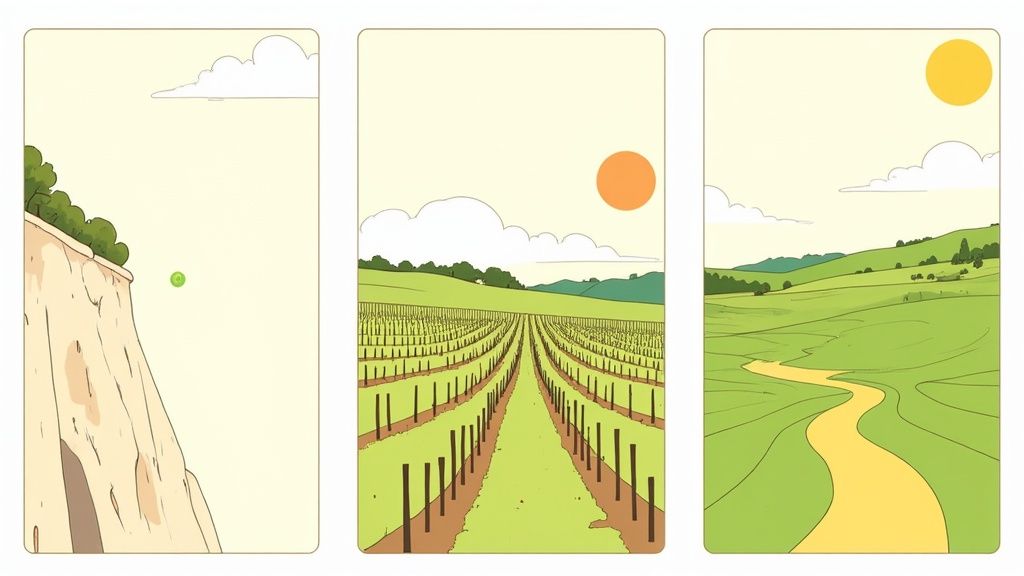
Get your passport ready, because the same grape can tell wildly different stories depending on where it’s grown. This unique combination of climate, soil, and local winemaking tradition, what the French call terroir, shapes Sauvignon Blanc into distinct regional personalities.
Getting to know these styles is the secret to finding a good sauvignon blanc that hits the spot for you every time.
The French Original: Loire Valley
Our journey begins in Sauvignon Blanc’s spiritual home: France’s Loire Valley. Here, in appellations like Sancerre and Pouilly-Fumé, the cool climate and chalky, flint-rich soils create wines of incredible elegance and restraint.
Don't expect a fruit explosion. Instead, think refined subtlety.
These classic French Savs are celebrated for their laser-like acidity and distinct mineral backbone. The dominant notes are citrus-driven, lime zest, green apple, with a signature flinty or wet-stone quality that feels incredibly refreshing. It's a crisp, savoury, and sophisticated style that is famously food-friendly.
The Tropical Powerhouse: New Zealand
Next, we fly halfway across the world to Marlborough, New Zealand, the region that put Sauvignon Blanc on the global map in the 1980s. If the Loire Valley whispers, Marlborough shouts.
It’s a style that grabs your attention from the first sniff. The cool but sunny climate and stony soils produce wines bursting with intense, vibrant aromatics. Expect a powerful wave of tropical fruit like passionfruit and guava, blended with zesty grapefruit and its trademark gooseberry and fresh-cut grass notes.
This electric acidity and punchy fruit profile have made it an international superstar for a reason.
A wine's style is its accent. A French Sauvignon Blanc from Sancerre might speak in a quiet, crisp whisper of minerals and lime, while a Marlborough Savvy shouts with a booming, cheerful voice of passionfruit and sunshine. Both are speaking the same language, just with a completely different personality.
The Zesty Innovator: Australia
Finally, we land back home in Australia, where our winemakers are crafting their own unique take on this versatile grape. Regions like the Adelaide Hills and our own McLaren Vale have become hotspots for producing high-quality Sauvignon Blanc that often finds a delicious middle ground between the French and New Zealand styles.
Australian versions typically balance ripe tropical and stone fruit flavours with a zesty, refreshing acidity. You might find notes of passionfruit and white peach alongside bright citrus, all wrapped up in a clean, crisp finish. It’s an approachable style that is absolutely perfect for the Australian climate.
Here in McLaren Vale, the focus is often on quality and hands-on regional expression. It's telling that winery-grown fruit makes up 62% of the Sauvignon Blanc crushed in a recent vintage. This highlights a deep connection to the vineyard that allows winemakers to achieve their desired style with precision. You can discover more about the strategic role of McLaren Vale Sauvignon Blanc and its place in the national market on our blog.
To make spotting these differences even easier, here’s a quick-glance comparison of the three major styles.
Sauvignon Blanc Regional Profile Comparison
This table breaks down the typical characteristics you can expect from Sauvignon Blanc from these three iconic regions, helping you pinpoint the style you might enjoy most.
| Region | Primary Aromas & Flavours | Acidity Level | Body |
|---|---|---|---|
| Loire Valley, France | Lime, green apple, grapefruit, wet stone, flint, gooseberry | High | Light to Medium |
| Marlborough, New Zealand | Passionfruit, guava, gooseberry, fresh-cut grass, capsicum | High | Medium |
| South Australia, AU | Passionfruit, white peach, grapefruit, lemon zest, herbs | Medium to High | Light to Medium |
By exploring these three iconic regions, you can start to pinpoint which "accent" you prefer, the mineral-driven elegance of France, the bold fruit of New Zealand, or the balanced zest of Australia.
Finding the Perfect Food Pairings
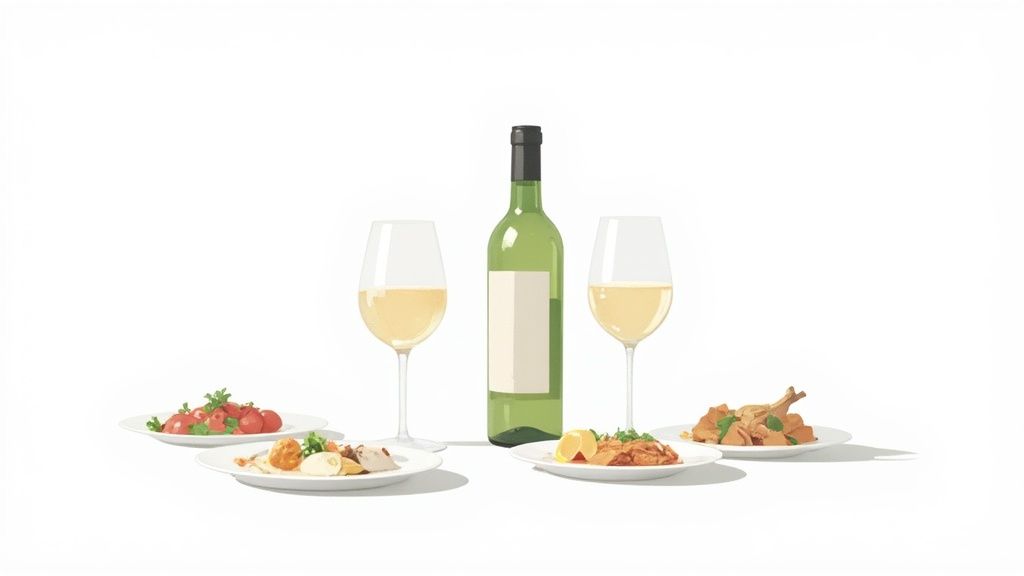
A good Sauvignon Blanc really shines when it’s alongside the right dish. Its famous high acidity and zesty flavours are like a squeeze of fresh lemon over food, it cuts through richness, lifts up delicate ingredients, and just makes every single bite better.
When you get the hang of the principles behind pairing, you can turn a simple meal into something truly memorable. It’s all about finding a happy balance on your plate and in your glass.
The Golden Rule of Pairing
The main idea is dead simple: match the intensity. The bright, herbaceous, and citrusy character of the wine is a natural fit for foods that have those same fresh qualities.
Think of it like a duet. You want both partners to be on the same level. A delicate piece of grilled fish with a spritz of lime is a perfect match for the wine's zesty punch. A heavy, creamy sauce, on the other hand, would completely steamroll it.
Classic and Timeless Matches
Some pairings are classics for a reason, they just work, every time. The wine’s crispness and mineral edge are an absolutely sublime match for the briny freshness of seafood, creating a duo that’s both refreshing and surprisingly elegant.
These timeless combinations are a fantastic place to start:
- Oysters and Shellfish: This is the ultimate pairing. The wine's minerality is the perfect counterpoint to the salty, oceanic flavour of fresh oysters, prawns, and mussels.
- Goat Cheese: The tangy, earthy flavour of a good goat cheese mirrors the wine’s own zesty acidity, creating a harmonious and invigorating match.
- Grilled White Fish: Simple preparations of fish like snapper, bream, or cod are instantly elevated by the wine’s citrusy backbone.
- Green Vegetables: Asparagus, green beans, and leafy salads tossed in vinaigrette are all beautifully enhanced by the wine's green, herbaceous character.
Think of Sauvignon Blanc's acidity as your secret culinary tool. It cleanses the palate after a rich bite of fried calamari and brightens the flavours in a zesty herb-crusted chicken, making each mouthful as exciting as the first.
Adventurous and Unexpected Pairings
While you can always rely on the classics, a good Sauvignon Blanc is surprisingly versatile. Its talent for handling fresh herbs and even a bit of spice opens up a whole world of exciting and less conventional matches.
If you’re keen to explore beyond the usual suspects, these pairings can be a delightful surprise. For example, the tropical fruit notes you find in many Australian styles stand up brilliantly to the aromatic spices in Southeast Asian cuisine.
Why not try it with a Thai green curry or some Vietnamese summer rolls? For more ideas to get your creative juices flowing, you can find a heap of inspiration for pairing McLaren Vale Sauvignon Blanc with suggested foods in our detailed guide.
And when you’re looking at recipes that call for a splash of white wine, you might also find it handy to know about some white wine cooking substitutes for those times you don't want to crack open a new bottle. At the end of the day, pairing is all about experimenting and discovering what you love.
How to Choose a Bottle You'll Love
Walking into a wine shop shouldn't feel like a pop quiz you didn't study for. With a few pointers, you can confidently stride down the aisle and pick out a good sauvignon blanc that hits all the right notes for you. The secret isn't some mystical knowledge; it's just knowing how to decode the clues on the bottle.
Think of a wine label as the bottle's passport. The most important stamp is the region. Seeing "Marlborough" or "Adelaide Hills" instantly gives you a massive hint about the style inside. Marlborough almost always means you're in for a burst of tropical fruit, while Adelaide Hills points to zesty citrus and a crisp, more elegant finish. Getting a handle on these regional tells is the biggest step you can take toward finding your perfect Savvy.
Read Between the Wines
Once you've got the region down, look for other little hints that tell you about how the wine was made. If you spot "Fumé Blanc," that's a key sign. It means the Sauvignon Blanc was likely aged in oak, giving it a richer texture and a whisper of smoky complexity, a whole different world from the zippy, unoaked styles.
Price can also offer a clue about the winemaking. More affordable bottles are usually fermented in stainless steel tanks to keep that classic fresh, fruity character front and centre. A higher price tag might hint at more hands-on methods like oak aging or stirring on lees (the leftover yeast), which adds a lovely creamy texture and depth.
Don't ever fall into the trap of thinking a higher price automatically means "better", it often just means "different." An inexpensive, crisp Savvy can be the absolute star of a picnic, while a more complex, oaked version might be the perfect partner for a special dinner. The best wine is simply the one that suits the moment and your taste.
Knowing this is especially handy right now. Australian white wine production, including Sauvignon Blanc, grew by 2% in a recent year, which has led to a bit of a surplus. For us wine lovers, that's great news! It means there's some fantastic value out there if you know what you're looking for.
Explore with Confidence
One of the best, most enjoyable ways to figure out what you truly love is through a curated collection. Sample packs or mixed cases from a specialist retailer like McLaren Vale Cellars take all the guesswork out of it. They give you the chance to try different styles side-by-side, which is the fastest way to pinpoint the exact aromas and flavours that get you excited.
Checking out the best Australian Sauvignon Blanc selections is a brilliant way to start your adventure. It’s a fantastic approach to broaden your horizons and maybe just find a new favourite without having to commit to a whole case of something you're unsure about.
You’ve picked out a great bottle of Sauvignon Blanc—now for the fun part. Let's make sure you enjoy every last drop exactly as the winemaker intended. A few simple steps in serving and storing can make all the difference, turning a good glass of wine into a truly memorable one.
First things first: temperature. While "chilled" is the goal, "ice-cold" is the enemy of flavour. Over-chilling a wine is like putting earmuffs on it; you completely mute its vibrant personality and all those gorgeous, punchy aromas. For most Savvy B, the sweet spot is between 8-10°C. A good rule of thumb is to pull it out of the fridge about 20 minutes before you plan on pouring.
Glassware and Keeping it Fresh
Believe it or not, the right glass really does make a difference. A classic white wine glass, the one with a U-shaped bowl that tapers slightly at the top, is your best friend here. That shape is designed to capture and concentrate all those beautiful citrus and grassy aromas, funnelling them straight to your nose so you get the full experience.
Now, what about leftovers? If you find yourself with an unfinished bottle, the number one priority is to protect it from its mortal enemy: oxygen.
- Seal it up tight: The original screw cap is perfect, but a proper wine stopper works wonders too.
- Keep it cold: Pop that sealed bottle straight back into the fridge. The cold temperature dramatically slows down the oxidation process that makes wine taste flat.
- Drink it soon: A good Sauvignon Blanc is at its best within 2-4 days of being opened. After that, it starts to lose its spark.
Remember, the vast majority of Sauvignon Blanc is made to be enjoyed young and fresh. Its whole appeal lies in that vibrant, energetic character. Unlike a big, brooding red, this isn't a wine you squirrel away in a cellar for years.
By following these simple tips, you’re making sure that all the crisp acidity and punchy aromatics the winemaker worked so hard to get into the bottle actually make it into your glass. It’s the final, crucial step in savouring a truly great Sauvignon Blanc. Cheers to that.
Common Questions About Sauvignon Blanc
Even after you’ve got a handle on the main styles, a few questions always seem to pop up.
Even after you've got a handle on the main styles, a few questions always seem to pop up when you're standing in the wine aisle. Let's clear up some of the most common queries so you can sip with complete confidence.
Is Sauvignon Blanc a Sweet or Dry Wine?
The vast majority of Sauvignon Blanc is made in a dry style, meaning it has little to no leftover sugar. What can sometimes trick your palate is the intensity of the fruit flavours, think bursting passionfruit or juicy peach, which can give an impression of sweetness, but the wine itself is technically dry.
The real giveaway is that zinging acidity. It keeps the finish crisp, clean, and refreshing, which is the absolute hallmark of a classic dry white wine.
What Is the Difference Between Sauvignon Blanc and Fumé Blanc?
Fumé Blanc is just Sauvignon Blanc that’s seen some time in oak barrels, a style that really took off in California. The name was a clever marketing move to distinguish it from the unoaked, zesty versions that everyone was used to.
That touch of oak softens the wine’s sharper, grassy notes and adds a whole new layer of complexity. You'll find richer textures and flavours like vanilla, a bit of toast, and even a smoky hint. It’s the same grape, but the winemaker's approach completely transforms the experience.
Think of Fumé Blanc as Sauvignon Blanc's sophisticated, slightly richer cousin. It swaps the classic zesty punch for a creamier, more complex character, making it a fantastic alternative when you want something with a bit more weight and texture.
How Long Does an Opened Bottle of Sauvignon Blanc Last?
Once you pop that top, a bottle of Sauvignon Blanc is best enjoyed within 2-4 days. The key is to seal it up tightly, with a proper wine stopper or the original screw cap, and get it straight back into the fridge. This minimises contact with oxygen, which is what makes wine go flat and dull.
The first thing to fade is that vibrant, punchy aroma that makes Savvy B so great, so drinking it fresh is always your best bet.
Ready to put your newfound knowledge to the test? At McLaren Vale Cellars, we've put together a fantastic range of Sauvignon Blanc from our region and beyond, available in handy sample packs and value-packed dozens. Explore our collection today and taste the difference for yourself at https://www.mclarenvalecellars.com.
Comments (0)
There are no comments for this article. Be the first one to leave a message!