
Introduction to the World of Wine
Wine has been cherished by civilizations across the globe for millennia, symbolizing celebration, culture, and artistry. As of 2025, the landscape of wine has become more diverse than ever, with a plethora of styles, flavor profiles, and innovative winemaking techniques emerging from around the world. Whether you are an avid connoisseur, a casual drinker, or a curious beginner, understanding the different types of wine and their unique flavors can deepen your appreciation and help you select the perfect wine for any occasion.
The Rich Spectrum of Red Wines
Red wines are among the most popular and revered varieties, offering an array of flavors from light and fruity to full-bodied and intense. They are produced through fermentation with grape skins, which lend color, tannins, and complexity to the wine. The diversity of red wines reflects regional climates, soil types, grape genetics, and winemaking styles.
Common Red Wine Varieties
- Pinot Noir: Known for its elegant and delicate profile, this variety showcases flavors of red berries, cherries, and sometimes earthy or mushroom notes. In Australia, Tasmania produces outstanding Pinot Noir with a refined finesse.
- Shiraz/Syrah: A bold, spicy wine with dark fruit, pepper, and sometimes smoky undertones. The Barossa Valley is famous for its robust Shiraz that displays rich body and complexity.
- Cabernet Sauvignon: Recognized for its full tannic structure, blackberry and blackcurrant flavors, and aging potential. Margaret River is a top region for producing world-class Cabernet.
- Grenache: Medium-bodied with red fruit flavors, herbs, and spice, often blended with Syrah or Mourvèdre in southern France and Australian blends.
- Malbec: Known for its plum and blackberry notes, with a smooth texture and an approachable profile, particularly from Argentina and increasingly in Australia.
Red Wine Trends in 2025
Consumers today are seeking wines with personality, balance, and sense of place. Orange/red blends, natural wines, and minimal intervention winemaking are gaining popularity, reflecting a shift towards authenticity and experimentation.
The Diversity and Elegance of White Wines
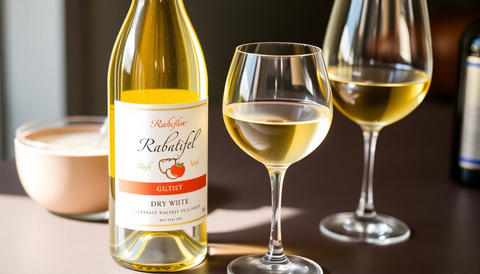
White wines emphasize freshness, acidity, and aromatics. They are generally produced without skin contact, keeping them bright, clean, and expressive of their grape origins. The range of white wines in 2025 is remarkable, from crisp to creamy, simple to complex.
Key White Wine Varieties
- Riesling: From bone-dry to luscious, Rieslings are known for their floral aromatics and high acidity. Australian Rieslings from Clare Valley and Eden Valley are internationally acclaimed.
- Chardonnay: The versatility of Chardonnay allows it to range from lean and zesty in Margaret River to rich, buttery, and oaked in regions like Yarra Valley and Tumbarumba.
- Sauvignon Blanc: Bright, herbaceous, and citrusy, this variety shines in cooler climates such as Adelaide Hills and Sancerre in France.
- Semillon: Often blended or bottled on its own, Semillon can be crisp and dry or rich and honeyed, especially in Hunter Valley.
Emerging White Wine Styles
In 2025, producers are experimenting with skin contact whites (orange wines), amphora aging, and low/intervention wines that highlight terroir and natural expression, appealing to a new generation of wine enthusiasts.
Rosé: The Versatile and Fashionable Choice
Rosé wines have experienced a renaissance, going from simple, sweet selections to sophisticated, dry, and complex options. They are made from red grape varieties but with limited skin contact, resulting in a spectrum of styles.
Popular Rosé Styles
- Fresh and fruity with dominant berry flavors, ideal for casual sipping.
- Dry and elegant, often with subtle spice and mineral notes, perfect for pairing with a variety of dishes.
- Provence-style rosé, known for its lightness, freshness, and pale pink hue.
- Blended rosés, incorporating multiple grape varieties for complexity and balance.
Trends and Innovations in Rosé
In 2025, rosé is increasingly crafted for food pairing, with flavor profiles mirroring savory, umami-rich dishes, further cementing its place as a versatile wine for all seasons and occasions.
Champagne and Sparkling Wines: The Celebratory Staples
Effervescent wines are integral to celebrations, and Australia is making significant advancements in this category, producing both traditional method sparkling wines and innovative styles.
Styles of Sparkling Wines in 2025
- Traditional Method: Similar to Champagne, these wines undergo secondary fermentation in the bottle, resulting in fine bubbles and complex flavors. Tasmania excels in this style.
- Prosecco Style: Made with tank fermentation, offering fresh, fruit-driven flavors at a more accessible price point. King Valley is a notable producer of Australian Prosecco.
- Pét-Nat (Pétillant Naturel): An increasingly popular natural sparkling wine made with minimal intervention, often cloudy and energetic, highlighting fruit purity and earthy notes.
The Future of Sparkling Wines
Producers are exploring new techniques such as petillant naturel, and experimenting with flavor experiments like aromatized sparkling wines, broadening the spectrum of bubbly options available in 2025.
Fortified and Dessert Wines: Layers of Richness
Australia boasts a rich tradition of producing fortified wines, with several unique styles that stand out globally.
Fortified Wine Varieties
- Tawny Style (Port): Barrel-aged with complex flavors of dried fruits, nuts, caramel, and spices. It’s often blended from multiple vintages, creating a consistent house style.
- Muscat from Rutherglen: Known for its intensity, richness, and aromatic complexity, this sweet wine is aged for remarkable depth and character.
Australian Dessert Wines
- Late Harvest: Grapes are left to fully ripen on the vine, developing high sugar content balanced by natural acidity. These wines range from luscious to luscious with nuanced complexity.
- Noble Rot (Botrytis): Produces concentrated, honeyed wines with complex aromas. Riverina’s botrytis wines are gaining international acclaim for their finesse.
Innovations in Dessert and Unique Styles in 2025
- Orange/Amber Wines: Skin contact white wines that are deeply textured, often slightly tannic, and highly food-friendly.
- Low/No Alcohol Wines: Advanced technology allows winemakers to craft wines with full flavor profiles and character, aligning with health-conscious consumer trends.
The Evolving Landscape of Wine Styles
In 2025, wine producers are embracing sustainability, natural fermentation, amphora aging, and experimental blends. These innovations are driven by a desire to reflect terroir more authentically and to respond to changing consumer tastes for transparency, healthfulness, and novelty.
Conclusion: Navigating the Expansive World of Wine in 2025
The world of wine is more vibrant and diverse than ever before. With countless styles, flavor profiles, and innovative techniques to explore, 2025 offers an extraordinary landscape for enthusiasts and newcomers alike. Whether you prefer a crisp white, a bold red, a sparkling celebration, or a sweet fortified delight, understanding these varieties empowers you to make informed choices and enhances your appreciation of this ancient craft. Cheers to your next wine adventure!
Comments (0)
There are no comments for this article. Be the first one to leave a message!