
Introduction
White wine remains one of the most popular and versatile beverages enjoyed worldwide in 2025. Its appeal lies in its diverse flavor profiles, ranging from crisp and dry to sweet and luscious. To truly appreciate white wine, it helps to understand what ingredients and grape varieties contribute to its unique composition. Every bottle reflects a combination of carefully selected grapes, fermentation agents, processing techniques, and additives. This comprehensive guide takes you through the detailed makeup of white wine, exploring the key components, ingredients, and the intricate process that results in the beloved beverage we enjoy today.
Overview of White Wine and Its Popularity in 2025
In 2025, white wine continues to be celebrated for its refreshing qualities, aromatic complexity, and food pairing versatility. Unlike its red counterpart, white wine is typically made from green, yellow, or light-colored grapes, and often fermented without skin contact, giving it a distinct palette of flavors. The growing adoption of sustainable winemaking practices, the resurgence of lesser-known grape varieties, and advancements in fermentation technology contribute to the ongoing evolution of white wines on the global stage.
Grape Varieties that Craft White Wine
The foundation of white wine’s flavor and aroma profile is rooted in the grape varieties used during production. Different grapes impart distinct characteristics, and understanding these varieties gives insight into the diverse styles of white wines available in 2025.
Popular White Wine Grape Varieties
- Chardonnay: The most widely planted and versatile of white grapes, Chardonnay produces wines that range from crisp and minerally to rich and buttery, especially when aged in oak barrels.
- Sauvignon Blanc: Known for its high acidity and vibrant flavors of citrus, green apple, and grass, Sauvignon Blanc is often associated with a zesty and refreshing profile.
- Riesling: This aromatic grape offers a spectrum from bone-dry to lusciously sweet, with pronounced floral and stone fruit notes.
- Pinot Grigio/Pinot Gris: These grapes produce light, crisp wines with delicate fruit and mineral nuances, popular in Italy, France, and beyond.
- Semillon: Valued for its capacity to develop honeyed aromas and rich textures, especially when aged or blended with Sauvignon Blanc, as in Bordeaux or Australia.
- Grüner Veltliner: An increasing favorite from Austria, known for its peppery and mineral qualities.
Many other local and lesser-known varieties contribute to regional white wine styles, reflecting terroir and winemaker creativity.
Core Ingredients and Components of White Wine
Beyond the grapes themselves, several other ingredients and components influence the final makeup of white wine, affecting its flavor, aroma, texture, and stability.
1. Grapes
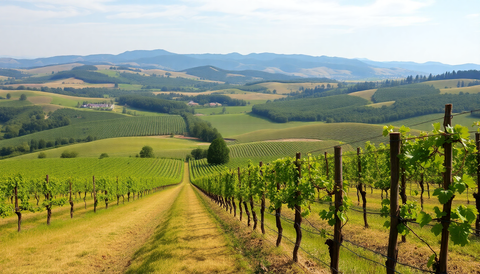
The primary ingredient, grapes, provide the sugars, acids, phenolic compounds, and aromatic precursors that form the backbone of white wine. The variety, clone, and growing conditions (climate, soil, vineyard practices) directly influence the wine’s core characteristics.
2. Yeast and Fermentation Agents
Yeast is essential for converting grape sugars into alcohol, carbon dioxide, and secondary metabolites that develop aroma and flavor. Winemakers may use:
- Native (wild) yeast: Fermentation driven by naturally occurring yeasts in the vineyard or winery environment, offering unique flavors.
- Cultured yeast strains: Selected for consistency and specific aromatic profiles, especially important in commercial winemaking.
Yeast selection significantly shapes the aroma profile, mouthfeel, and alcohol content of the wine.
3. Water and Acidity
Water is naturally present in grapes and in small amounts in wine, affecting dilution but more critically, the balance of acids that define freshness. Grape acidity includes:
- Tartaric acid: The dominant acid in grapes, contributing to the wine’s stability and a crisp taste.
- Malic acid: Provides green apple-like sharpness, which may be reduced via malolactic fermentation.
- Lactic acid: Formed during malo, adding softness and creaminess.
4. Additives and Stabilizers
Winemakers utilize various additives to improve stability, prevent spoilage, and influence flavor:
- Sulfites (Sulfur dioxide, SO₂): Used to inhibit oxidation and microbial growth, ensuring wine longevity.
- Fining agents: Substances like bentonite, gelatin, or egg whites clarify the wine by removing suspended particles.
- Enzymes: Facilitate extraction, clarification, or color removal.
5. Other Ingredients
- Malolactic bacteria: When involved, they convert sharper malic acid into softer lactic acid, adding complexity and a buttery character, especially in Chardonnay.
- Oak-derived compounds: When aged in oak barrels, compounds like lactones, tannins, and phenols influence aroma and mouthfeel.
- Pollutants or impurities: Ideally minimized, but residual traces can influence the wine’s purity and stability.
The Winemaking Process and Its Influence on Composition
The journey of making white wine from vineyard to bottle involves multiple carefully controlled steps, each impacting the wine's final composition:
Harvesting
The timing of harvest is crucial. Higher sugar levels and lower acidity are typically achieved later, shaping the wine’s sweetness and freshness. Cooler climates and early harvests favor acidity and aromatic precision, while warmer regions produce riper, fuller-bodied wines.
Pressing and Juice Extraction
Gently pressing the grapes separates juice from skins, seeds, and stems. Modern pneumatic presses minimize skin contact, maintaining the wine's light color and delicate flavors. Whole cluster pressing preserves elegance, while skin contact can add complexity.
Fermentation
This critical stage transforms grape juice into wine. Temperatures are kept low (10–15°C / 50–59°F) to preserve aroma compounds. Fermentation duration and yeast choice influence residual sugar, alcohol, and aromatic profiles.
Malolactic Fermentation (Optional)
This secondary fermentation, if conducted, turns sharper malic acid into softer lactic acid, creating creamier textures and buttery notes often appreciated in Chardonnay.
Aging and Lees Contact
Many white wines are aged on their lees (dead yeast cells), which, through bâtonnage (lees stirring), adds richness, mouthfeel, and complexity.
Clarification and Stabilization
Fining and filtration remove undesired particles, preventing haze and spoilage. These steps determine clarity, freshness, and stability of the final product.
Bottling and Packaging
Minimal oxygen exposure is critical during bottling to preserve aromatic integrity. Some wines are bottled with a small addition of sulfur dioxide, ensuring longevity and preventing oxidation.
Impact of Ingredients and Processes on Final Wine
Each decision during viticulture and vinification influences the composition and therefore the taste, aroma, and texture of white wine. For example:
- Choosing early harvests boosts acidity and floral aromas.
- Extended lees contact increases mouthfeel and complexity.
- Aging in oak adds tannins and vanilla notes.
- Use of specific yeast strains enhances tropical or citrus character.
- Adjusting acidity or residual sugar can tailor the wine for dryness or sweetness.
Conclusion
The composition of white wine is a complex interplay of grape chemistry, winemaking techniques, additives, and aging practices. Each ingredient and step in the process contributes to the final flavor, aroma, and structural qualities that make white wine a diverse and cherished beverage. In 2025, advancements in technology and an increased focus on sustainability continue to refine and expand the expressions of white wine. Whether you prefer a crisp Sauvignon Blanc, a rich Chardonnay, or a delicate Riesling, understanding the ingredients that make up white wine enriches the experience of tasting and appreciating every glass. Cheers to celebrating the science and artistry behind this timeless beverage!
Comments (0)
There are no comments for this article. Be the first one to leave a message!