
I still remember the first time I poured an Eastern Peake Pinot Noir for a friend who thought Victorian Pinot was all perfume and no spine. One sip in, the room went quiet. The wine had that rare mix of delicacy and grip that makes you lean back, then immediately lean in again.
An Introduction to a Victorian Pioneer
Eastern Peake Vineyard has the kind of reputation that spreads person to person, bottle to bottle. It isn't just another regional producer with a pretty story and a polished label. For many Australian wine lovers, it sits in that special category of estates you discover once, then keep returning to whenever you want to remind yourself what cool-climate wine can do at its most expressive.
What makes it so compelling isn't hype. It's clarity. Eastern Peake wines often feel as though they come with the noise stripped away. You taste freshness, tension, savoury detail, and that lovely sense that the vineyard, not the winemaking tricks, is doing the talking.
That matters because a lot of writing about great wineries gets stuck in admiration. You hear about “purity”, “minerality”, and “site expression”, but not what any of that means when you're standing in a bottle shop or deciding whether to open a bottle tonight or put it away. Eastern Peake deserves more than generic praise, especially because it raises practical questions that wine lovers care about.
Why enthusiasts keep talking about it
Some wines impress in a loud way. Eastern Peake tends to impress in a slower, deeper way. It rewards attention.
A few reasons it keeps drawing serious drinkers back:
- It feels rooted in place. The wines don't taste interchangeable or polished into sameness.
- It speaks clearly to lovers of Pinot Noir and Chardonnay. If you care about finesse, acidity, texture, and restraint, this is fertile ground.
- It has a long shadow in Victorian cool-climate wine. People often talk about Eastern Peake as a benchmark because it arrived early and earned respect the hard way.
Eastern Peake isn't only a winery to admire. It's a winery to learn from.
That's why this guide takes a different angle. Yes, the vineyard and its site are fascinating. But the more useful question is how to approach these wines as a buyer and drinker. Which bottles should you hunt down first? When should you open them? How should you serve them so they show their best? Those are the questions that turn admiration into enjoyment.
The Origins of a Cool-Climate Icon
The first thing to understand about Eastern Peake is that it did not begin as a fashionable vineyard project. It began as a conviction.
As outlined in Eastern Peake's biography, the story starts with an enquiry from winemaker Trevor Mast, followed by the first Pinot Noir plantings in 1983 on the Coghills Creek property. Chardonnay came later, through additional plantings across the following years, and that slow build matters. It tells you this estate was shaped over time, with each block added to a site that had to prove itself first.

That makes Eastern Peake feel different from producers that arrived after cool-climate Chardonnay and Pinot Noir already had a ready-made audience. Planting vines in a high, exposed part of Victoria before the style was widely celebrated was a serious act of belief. Wine lovers often call a producer a pioneer too casually. Here, the word fits.
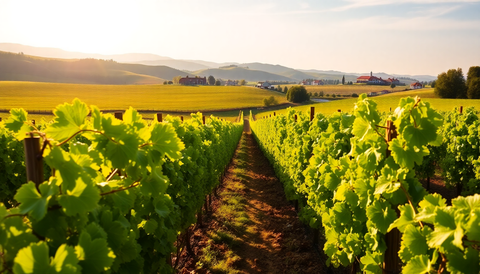
The site itself explains why that decision was both risky and rewarding. The vineyard sits at altitude on the Great Dividing Range, with volcanic weathered basalt and grey loam soils. If those details sound technical, here is the plain-English version. Altitude tends to slow ripening, and volcanic soils often drain well and push vines to work harder. For grapes like Pinot Noir and Chardonnay, that slower rhythm can preserve acidity, sharpen aromas, and give the wine a firmer spine.
A warm, easy site can make generous fruit. A cool, demanding site can make detail.
Eastern Peake belongs firmly in the second category. That helps explain why the wines are so often described with words like line, tension, perfume, and restraint. Those are not abstract tasting terms. They are the sensory signs of fruit that ripened gradually rather than racing to sweetness.
Another early defining feature was the vineyard's long dry-grown history before limited irrigation was introduced through an underground artesian system when needed. For drinkers, that is more than a farming footnote. Dry-growing tends to force a closer relationship between vine and site, a bit like teaching an athlete to pace themselves rather than rely on constant support. The vine cannot coast. It has to search, regulate, and adapt.
That history gives you a practical clue about what to expect in the glass and why these bottles often reward patience. Eastern Peake is not famous because it flatters on first sip. It built its reputation because the wines carry shape, energy, and a sense of place that becomes clearer as they open, and often clearer again with time in cellar. If you are deciding whether a bottle is worth buying young and holding, this origin story is part of the answer.
From Vineyard to Bottle Biodynamic Viticulture
At Eastern Peake, biodynamics isn't there to decorate a back label. It shapes how the vineyard is farmed and how the wines are understood. The vineyard is described as Demeter-certified biodynamic on The Grape Reset's Eastern Peake profile, which also notes deep volcanic red-brown soils with strong drainage and mineral capacity.

If the term “biodynamic” feels slippery, here's the practical version. The goal is to farm the vineyard as a living system, not as a factory floor. That means paying close attention to soil life, vine balance, seasonal rhythms, and the long-term health of the site.
What that means in plain language
A lot of drinkers confuse biodynamic and organic farming. They overlap, but they aren't identical. If you want a simple primer, this guide to biodynamic vs organic farming is useful because it breaks the ideas down without the mystique.
At Eastern Peake, the point isn't ideology for its own sake. It's that farming choices affect what lands in your glass. Deep, well-draining volcanic soils can influence how vines access water and how roots travel through the site. In low-input systems, that often supports fruit with concentration and definition rather than excess weight.
How to taste the farming
When people say a wine tastes “alive”, they often mean one of a few things:
- Energy on the palate. The wine feels fresh and lifted rather than heavy.
- Clear fruit shape. Flavours seem precise instead of blurry.
- Textural detail. You notice grip, line, and savoury nuance, not just sweetness or oak.
That's especially important with cool-climate wines. You want brightness without thinness, structure without hardness. Eastern Peake's vineyard approach aims for that balance.
For a broader sense of why cooler regions can produce such vivid, high-detail wines, this piece on cool-climate wine flavours and style gives helpful context.
Here's a useful visual explainer on low-intervention vineyard thinking and the wider philosophy behind it:
Why biodynamics matters more here than as a buzzword
Some estates can talk about biodynamics and still make wines that feel anonymous. Eastern Peake doesn't. The vineyard work seems aimed at preserving site character, not overriding it.
That's the key distinction. If you love wines that carry tension, savoury edges, and a real sense of origin, biodynamic farming at Eastern Peake is worth understanding because it helps explain why the wines feel so composed and so individual.
Signature Wines A Tasting Guide
The two names to focus on first are Pinot Noir and Chardonnay. That's where Eastern Peake has built much of its following, and it makes sense once you understand the site. On Eastern Peake's about page, the vineyard is described as sitting at about 430 metres above sea level in Coghills Creek near Ballarat, in a marginal continental climate on volcanic terrain. Cooler conditions like that usually slow ripening and help preserve acidity, which is exactly what these varieties need when elegance matters.

Pinot Noir
Eastern Peake Pinot Noir is the bottle many drinkers chase first, and for good reason. If you're used to plush, fruit-saturated Pinot, this style may surprise you. It leans more toward perfume, earth, spice, and structure than obvious sweetness.
Expect a profile built around red cherry, wild strawberry, rose petal, and subtle forest-floor notes. In stronger showings, there's often a lovely savoury edge that feels almost stony or ferrous rather than overtly fruity. The texture matters as much as the aroma. Good Eastern Peake Pinot tends to move with a fine, tensile line across the palate.
Here's the easiest way to read it:
| What you notice | What it often means |
|---|---|
| Bright acidity | The cool site preserved freshness |
| Fine tannin | The wine has shape without becoming burly |
| Savoury finish | The vineyard character is taking centre stage |
| Moderate body feel | Ripeness was measured, not pushed |
If Pinot Noir confuses you, focus less on “big flavour” and more on movement. Ask yourself whether the wine glides, tightens, and lingers. Eastern Peake often excels there.
A great cool-climate Pinot doesn't need to shout. It needs to stay interesting from first smell to final savoury echo.
Chardonnay
Eastern Peake Chardonnay is for drinkers who want tension and detail rather than creamy excess. That doesn't mean it's austere. It means the wine is usually built around citrus, stone fruit, fine texture, and a firm line of acidity.
A useful way to approach it is by contrast. If broad, buttery Chardonnay spreads across the palate, Eastern Peake Chardonnay is more likely to cut a cleaner path. Think white nectarine, lemon curd, grapefruit pith, a little struck-stone complexity, and a chalky or saline impression through the finish.
How to train your palate on these wines
If you're opening Eastern Peake for the first time, try this tasting sequence:
- Smell before swirling. You'll often catch delicate floral or mineral notes before air amplifies the fruit.
- Take a small first sip. This helps you notice acidity and shape before your palate adjusts.
- Look for the finish. The best clue to quality is often what remains after the fruit fades.
- Revisit after time in the glass. These wines tend to unfold rather than explode.
Which style suits you best
Choose Pinot Noir if you love fragrance, red fruit, autumnal savouriness, and food-friendly structure.
Choose Chardonnay if you want freshness, texture, citrus drive, and a white that can handle serious cooking rather than just aperitif duty.
If you love both, that's where Eastern Peake becomes especially rewarding. The pair gives you two versions of the same place. One translated through red fruit and fine tannin, the other through acid line and layered texture.
Awards and Critical Acclaim
Eastern Peake has a strong reputation, but there's an important caveat here. The available verified information for this article doesn't include specific award counts, trophy names, ratings, or critic scores. So rather than invent a list, it's better to say plainly what can be supported.
Eastern Peake is widely treated as a serious, benchmark-level cool-climate producer by engaged Australian wine drinkers and by people who follow Victorian Pinot Noir and Chardonnay closely. That esteem doesn't come from one flashy moment. It comes from the estate's long-standing place in the conversation around site-driven Australian wine.
Why the acclaim feels durable
The foundation of that reputation is easier to trust because it rests on tangible things already discussed:
- A long history in the region
- A distinctive high-altitude site
- A clear commitment to biodynamic farming
- A tight focus on varieties suited to place
That combination tends to attract admiration from people who care about authenticity rather than trend cycles. Eastern Peake isn't usually spoken about as a mass-market success story. It's spoken about as a producer that serious enthusiasts seek out, cellar, debate, and revisit.
What that means for buyers
This kind of acclaim is often more useful than a medal tally. Why? Because awards can tell you a wine stood out in a moment. A sustained reputation suggests the wines keep delivering over time, across different releases and in the hands of experienced drinkers.
When an estate earns loyalty from people who drink widely, that's often the strongest endorsement of all.
So if you've heard Eastern Peake mentioned in reverent tones, that reaction makes sense. Even without citing specific trophy cabinets or score sheets, the winery's standing as a respected name in cool-climate Australian wine is well established.
How to Buy Eastern Peake Wines
Buying Eastern Peake can be slightly tricky, and that's part of the appeal. Boutique producers often don't behave like supermarket brands. Availability can be patchy, vintage variation matters, and the best bottle for you depends on whether you want to drink now or cellar.
That's why it helps to treat the purchase as a decision, not a reflex.
Start with the producer and trusted retailers
Your first option is to buy direct from the winery when stock is available. That's often the cleanest path if you already know what you want. If you're travelling through Victoria, a visit can also give you more context around the wines and the place they come from.
For everyone else, the practical route is online retail. A solid buying framework is to use specialist merchants that handle temperature-sensitive stock carefully, list vintage details clearly, and give enough producer context to help you choose. If you'd like a broad primer before ordering, this guide on how to buy wine online in Australia is a helpful place to sharpen your checklist.

What to check before you click buy
Don't just ask “Is it in stock?” Ask better questions.
- Check the cuvée name. Eastern Peake can attract buyers who assume every bottle serves the same purpose. It doesn't. Some bottlings are better for early drinking, while others deserve more patience.
- Ask about the vintage. Cool-climate wines can show meaningful seasonal differences. If a retailer doesn't list the vintage clearly, ask.
- Think about your timeframe. If you want a bottle for dinner this weekend, buy differently than if you're building a small cellar.
- Look at storage and shipping policies. Fine Pinot Noir and Chardonnay don't love rough handling or heat.
A practical buying approach
If you're new to Eastern Peake, keep it simple:
| Buyer type | Smart first move |
|---|---|
| Curious first-timer | Buy a bottle each of Pinot Noir and Chardonnay |
| Pinot lover | Start with Pinot Noir, then compare across vintages if possible |
| White wine specialist | Look for Chardonnay with enough bottle age to start opening up |
| Collector-minded drinker | Buy multiples so you can open one early and hold the rest |
One more useful tactic is comparing channels before purchase. If you sometimes buy from larger wine clubs or multi-brand retailers, tools that help you save on Wine Selectors purchases can be handy for stretching the budget while you explore. The point isn't to chase the cheapest bottle at all costs. It's to leave yourself room to buy thoughtfully.
The insider rule
The best Eastern Peake buying habit is this: don't wait until you need the bottle tonight. These wines reward a little planning. Buy when you see a good release or a trusted retailer with sound stock, then give yourself options. That's how you avoid panic-buying and how you learn what style and maturity level you enjoy most.
Serving and Cellaring Your Eastern Peake
Eastern Peake is exactly the kind of wine that benefits from care after purchase. Not ceremony for its own sake. Just sensible handling that lets the wine show its shape and detail.
If you store and serve these wines casually, they can still be good. If you store and serve them properly, they become much more articulate.
How to cellar them well
Start with stable conditions. Fine Pinot Noir and Chardonnay dislike heat spikes, bright light, and constant movement. If you're building even a modest home collection, this guide to wine storage and protecting your investment gives a practical overview of what matters most.
The key principle is consistency. You don't need a castle cellar. You need a cool, dark, steady environment where the wine can rest.
Cellaring rule: if your storage spot feels like a place you'd hate to sit in on a hot afternoon, your wine probably hates it too.
Because this article doesn't include verified bottle-specific ageing windows, it's better to stay qualitative. In general, Eastern Peake Pinot Noir and Chardonnay can both be rewarding young if you like freshness and primary detail. They can also reward patience if you enjoy more savoury, layered development. The exact timing depends on the bottling, the vintage, and your taste.
How to serve Pinot Noir
Serve Pinot Noir a little cooler than many people expect. If it's too warm, the wine can lose precision. If it's too cold, the aromatics can feel muted.
Use a glass with enough bowl to let the perfume rise. Give the wine some air, especially if it seems shy on opening. A short rest in the glass can make a real difference.
Food pairing works best when you respect the wine's elegance. Good matches include:
- Roast duck or chicken. The savoury skin and gentle richness suit Pinot beautifully.
- Mushroom dishes. Earthy flavours echo the wine's forest-floor notes.
- Salmon or tuna. This style of Pinot can handle richer fish if the preparation isn't too sweet.
How to serve Chardonnay
Eastern Peake Chardonnay should be cool, not icy. Over-chilling mutes texture, and texture is part of the pleasure.
A medium-sized white wine glass usually works well. Let the wine warm slightly in the glass and notice how the fruit broadens and the mineral details become easier to read.
Try it with:
- Roast chicken with lemon and herbs
- Pork dishes with apple or fennel
- Firm, plainly cooked seafood
- Creamy but not overly heavy pasta
When to open and when to wait
If you have one bottle, open it when the occasion feels right. Wine knowledge shouldn't become paralysis.
If you have several bottles, that's when Eastern Peake becomes especially fun. Open one young to understand its fruit and structure. Leave another aside. That simple comparison teaches you more than any tasting note ever will.
A key aspect with Eastern Peake is that it's not only worth buying. It's worth revisiting. These are wines that can show different faces with air, with food, and with time in bottle. Treat them accordingly, and they'll tell you much more.
If you're ready to explore thoughtful Australian wines with confidence, McLaren Vale Cellars is a great place to start. Their range, tasting content, and buyer-friendly guidance make it easier to choose bottles for drinking now, gifting well, or building a cellar without guesswork.

Comments (0)
There are no comments for this article. Be the first one to leave a message!