
In Australia, dry red wine usually sits in three broad bands: value wines below AUD 15, premium wines around AUD 15 to 30, and higher-end bottles above that according to a common industry breakdown linked later in this guide. And before a retailer even adds margin, the Wine Equalisation Tax is 29% on wholesale sales, which is one reason two dry reds can look similar on the shelf yet land at very different prices.
You're probably here because you've stood in front of a shelf, or scrolled a page of reds online, and thought: why is one McLaren Vale Shiraz priced for a Tuesday pasta night while the bottle beside it is clearly angling for a Saturday roast and a long decant?
That confusion is normal. Wine pricing can feel murky because the number on the tag is never just about what's in the glass. It's also about where the fruit came from, how the wine was made, how it travelled, how it was packed, and who sold it to you.
The good news is that dry red wine price isn't random. Once you know what creates value, the shelf starts to make sense. You stop asking “Is this cheap or expensive?” and start asking “What am I getting for this money?”
Your Guide to Understanding Dry Red Wine Prices
You are standing in front of two bottles from the same region, both labelled dry red, both promising a good night at the table. One is priced for a midweek steak sandwich. The other looks more like the bottle you open when friends stay for a long lunch. That gap can feel arbitrary until you know what the price is really paying for.
A dry red carries the cost of many choices before it reaches your glass. Vineyard work shapes fruit quality. Winemaking choices shape texture, flavour, and ageing potential. Packaging, freight, and the way a retailer sells the wine, as single bottles or in a dozen, all influence the final figure. Price is less like a mystery number and more like the end of a trail.
For everyday buying, three broad shopper bands are still useful, as noted earlier in the article: value bottles sit at the lower end of the shelf, premium wines occupy the middle ground, and higher priced bottles usually reflect greater site distinction, more expensive maturation, lower volumes, or stronger cellaring promise. Those bands matter because they give you a quick frame of reference. They do not tell you whether a wine is worth buying.
That is the shift that helps most. Ask what the bottle is offering for the money.
If you are still sorting out style before budget, start with this plain-English guide to what dry red wine means. Once you know what “dry” describes, the pricing side becomes much easier to read.
A practical way to judge value is to match the wine to the job. A bright, juicy red with little or no oak can be perfect value for pizza, burgers, or a Tuesday night pasta. A firmer, more layered bottle from older vines, with time in barrel and a few years ahead of it, may cost more and still represent excellent value if you want depth, savoury detail, and a wine that holds its own beside lamb or slow-cooked beef.
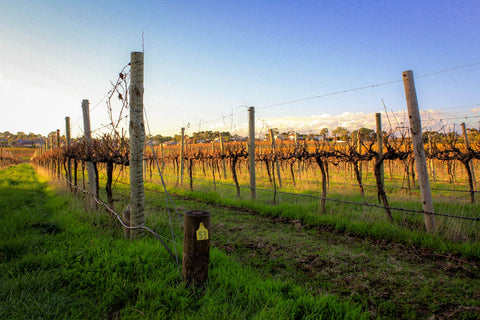
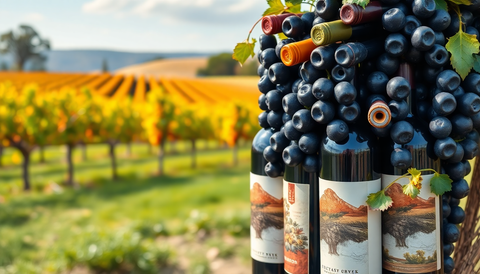
McLaren Vale makes this easier because the region has a clear personality. You are often buying more than colour and grape variety. You are buying a place with a reputation for generous fruit, dark berry richness, warm spice, and that plush, full-bodied style many South Australian drinkers know and love. Regional character has value because it gives you a stronger sense of what will be in the glass before the cork is pulled.
Buying direct from a regional specialist sharpens that value equation again. A focused retailer can build mixed dozens, offer sharper case pricing, and give guidance grounded in producer and region rather than broad national averages. The same principle appears in other specialist categories, from wine to ethically sourced wholesale teas. Closer supply and clearer product knowledge often lead to better buying.
The goal is confidence. You do not need to memorise labels or chase the highest price. You need to recognise when the wine's region, winemaking, and drinking occasion line up neatly with what you are paying for.
Decoding the Price Tag What Really Drives Cost
A wine is called dry because it has very little residual sugar left after fermentation. But dryness isn't the expensive part.
Industry guidance commonly defines dry wine as under 10 g/L residual sugar, with many dry reds closer to 0 to 2 g/L, and typical alcohol levels around 13% to 15% ABV. That same guidance notes that riper fruit and higher alcohol can increase production cost, but site, yield, oak, and brand positioning are key drivers of price in dry red wine, not dryness itself, as outlined in this dry red wine reference.

Grape and place
Some fruit is costlier to grow well. Old vines can produce smaller crops with more concentration. Better vineyard sites often need more patient farming. If a producer is chasing ripe tannins, balanced acidity, and flavour depth rather than bulk tonnage, the bottle usually won't end up in the bargain bin.
Place matters too. “McLaren Vale Shiraz” says more than colour and grape. It signals a style and a reputation. Regional naming gives buyers a shorthand for what they expect in the glass, and that expectation can support a higher asking price than a generic regional blend.
People and process
Wines don't make themselves. Hand work in the vineyard, selective picking, small-batch ferments, longer maturation, and careful blending all add labour and holding cost.
Oak is a classic example. A red that spends time in quality barrels often tastes broader, smoother, and more savoury, but it also ties up stock for longer. The producer has money sitting in barrels instead of bottles being sold.
Here's a useful comparison from another craft category. With products such as ethically sourced wholesale teas, buyers also pay for origin, handling, and production choices rather than just the raw agricultural ingredient. Wine works much the same way. The finished price reflects layers of work between farm and final sip.
Why shoppers get tripped up
Many people assume sweetness equals cheap and dryness equals premium. That's not how red wine pricing works.
A better way to read the label is to ask:
- Region first. Is this a recognised place with a clear style?
- Variety next. Shiraz and Cabernet Sauvignon often carry different buyer expectations.
- Alcohol as a clue. A higher ABV can suggest riper fruit and a fuller style, though it isn't a quality guarantee.
- Oak and intent. Words like reserve, barrel-aged, or single vineyard may indicate a more ambitious wine, but you still need to weigh whether the bottle delivers value for your occasion.
Dryness tells you the wine style. It doesn't tell you whether the price is fair.
Your McLaren Vale Red Wine Price Guide by Budget
You're standing in front of the shelf on a Friday afternoon, eyeing one bottle at AUD 14, another at AUD 24, and a third at AUD 38. All three are dry reds. All three promise a good night. The key question is simpler and more useful. Which one gives the best value for what you need?
Price bands help because they set realistic expectations. As noted earlier, the broad pattern is straightforward. Lower-priced bottles usually aim for easy drinking, mid-priced wines often show more regional detail, and higher-priced wines tend to reflect more site selection, maturation, or cellaring potential.

Everyday value under AUD 15
This is your weeknight workhorse.
In McLaren Vale terms, wines in this range often deliver generous fruit, soft texture, and enough structure to handle food without asking for too much thought. You might open one with homemade pizza, lamb sausages, or roast vegetables and get exactly what you want. Bright flavour, a dry finish, and a bottle that disappears without ceremony.
The trade-off is usually complexity. These wines are made to drink now, not to sit in the cupboard for years while they slowly change shape. That is not a flaw. It is the point. A good sub-AUD 15 red is like a reliable local bakery loaf. Fresh, satisfying, and excellent at its job.
Premium and expressive around AUD 15 to 30
For many drinkers, value becomes easiest to taste.
You often see more polish here. Tannins feel finer. Fruit has more layers. The wine starts to speak more clearly of McLaren Vale, whether that means plush Shiraz fruit, spice, dark chocolate notes, or the firmer line of Cabernet Sauvignon. The extra spend can show up as better balance and a more complete finish, not just a louder flavour.
This band suits the bottles you want to pour when the meal matters a bit more. A weekend roast. Friends around the table. A gift that feels thoughtful without becoming extravagant. If you want examples that show how far this budget can go, have a look at the best value McLaren Vale Shiraz wines for every budget.
The middle tier often gives the clearest lesson in value, because you can taste the extra care without paying mainly for rarity.
Icon and cellar-worthy above AUD 30
Above AUD 30, the conversation shifts from simple drinkability to intent.
Some bottles in this range are built from smaller parcels, more selective fruit, or sites with a stronger identity. Some spend longer maturing before release. Some are made with cellaring in mind, which means they may feel tighter and more structured when first opened. Paying more here can mean paying for patience, precision, and a wine that will reveal more over time.
It also means you need to stay alert. A higher price can reflect real substance, but it can also reflect branding or limited supply. That is why occasion matters. If you want a bottle for tonight's pasta, this tier may be unnecessary. If you want something for a milestone dinner or a few years in the cellar, the added spend may make perfect sense.
| Price band | What you're usually getting | Best fit |
|---|---|---|
| Below AUD 15 | Fresh fruit, early-drinking style, straightforward pleasure | Midweek meals |
| AUD 15 to 30 | Better structure, clearer regional character, more detail | Weekends, gifting, shared dinners |
| Above AUD 30 | Greater site expression, longer maturation, ageing potential | Special occasions, cellaring |
A budget works best when you match it to the moment. That is how the shelf starts to make sense, and how price turns from a guess into a useful buying tool.
Beyond the Bottle Factors That Shape a Wine's Value
A bottle's price tells only part of the story. Real value comes from what had to happen before the cork went in, and from what the wine can give you once it is in the glass.
Start with the costs that never show up on the front label. In Australia, wine pricing is shaped in part by the Australian Taxation Office's Wine Equalisation Tax rules, along with freight, storage, packaging, and the margin taken at each step between winery and drinker. That is one reason two dry reds made in a similar style can finish at very different retail prices.
Then there is the human side. One producer may machine harvest and bottle early for a fresh, easy-drinking red. Another may hand-pick smaller parcels, sort fruit carefully, mature the wine longer, and hold stock back before release. Both bottles are red wine. They do not carry the same cost base, and they do not offer the same kind of value.
Vintage matters in a more tactile way than many buyers expect. A warm, generous year can produce reds that feel plush and open young. A cooler or later season can bring firmer tannin, brighter acidity, and a slower unfurling style. In McLaren Vale, that difference is easy to taste once you know what to look for. The season leaves fingerprints on the wine.
Producer reputation also affects value, but it helps to separate substance from hype. A trusted winery usually earns its name over many vintages by making wines that taste true to place and style. That consistency reduces your risk as a buyer. If you want help spotting the difference between a genuine bargain and a polished disappointment, our guide to finding the best wine deals online without ending up with duds breaks it down clearly.
Some value is about time.
A red built for cellaring often costs more because the winery has invested in balance, structure, and maturation, then waited longer to release it. You are paying for more than tonight's drink. You are paying for a wine with the bones to develop savoury detail, softer texture, and greater harmony over the years.
Sustainability can shape price as well. Careful farming, lower-yield vineyards, and hands-on vineyard work usually cost more than broad-brush production. Yet those choices often show up where it counts, in cleaner fruit, stronger regional character, and a wine that feels grounded rather than generic.
A practical way to judge value is to ask three simple questions:
- Who made it, and have they earned trust over time?
- What work went into the vineyard and winery to create this style?
- Does the wine suit your purpose now, or is part of the value in what it can become later?
That is the shift from price to value. A smart buy is not always the lowest-priced bottle on the shelf. It is the bottle whose cost makes sense once you understand the fruit, the season, the producer, and the path it took to reach your table.
Smart Strategies for Buying More and Paying Less
The easiest way to improve your dry red wine price isn't always to hunt for the cheapest bottle. Often it's to change how you buy.
Australia's value end of the market leans heavily on pack formats, and that matters. Guidance on local trading models notes that the best market prices for dry red wine are often achieved through 6-bottle or dozen-equivalent formats, because freight and handling are spread across more units, lowering the effective delivered cost per bottle, as explained in this look at red wine pack buying and logistics.

Why singles often cost more
A single bottle is the least efficient way to move wine. The carton, picking, packing, and freight all lean heavily on that one unit. Once you spread those same costs across a half-dozen or dozen, the maths gets friendlier.
That doesn't just help the retailer. It helps you reach for a better bottle without blowing the budget. Instead of buying one or two random singles, you can buy with intent and lower the average cost across the case.
Smarter ways to build a dozen
There's no rule saying a dozen has to be twelve of the same wine. Mixed packs can be the sweet spot because they let you sample styles while still benefiting from more efficient shipping and handling.
A simple buying pattern works well:
- Choose a core wine for weeknights. This is your pizza, pasta, and barbecue bottle.
- Add a step-up option for weekends or guests. That gives you contrast and stops “special” bottles from gathering dust.
- Include one wildcard such as a bolder Cabernet Sauvignon or a more savoury Shiraz to test your palate.
If you want a practical roadmap for hunting value online, this article on how to find the best wine deals online and avoid the duds is well worth your time.
A short visual guide can help make the logic of bundle buying even clearer:
When to hold back
Bulk buying only works if the wines suit your taste. Don't buy a dozen just because the sticker looks sharp. Buy because you can imagine reaching for those bottles over the next month or two.
Buy more of what you already know you like. Use mixed packs to explore. Don't confuse a low unit price with real value.
That mindset is what separates a crowded wine rack from a smart cellar.
Shop With Confidence at McLaren Vale Cellars
Once you understand dry red wine price as a value question rather than a cheap-versus-expensive argument, buying gets simpler. You start noticing which bottles are priced for region, which are priced for process, and which are priced mostly for noise.
That's where a regional specialist earns its keep. A store focused on McLaren Vale can help you compare like with like. Instead of sorting through a noisy national catalogue, you can shop within a region known for bold Shiraz, structured Cabernet Sauvignon, and polished reds that span everyday drinking through to cellar-worthy bottles.

Why a specialist retailer helps
A focused retailer does a few things better than a general shelf:
- Curated regional range means you can compare McLaren Vale reds across styles and budgets without filtering out endless irrelevant bottles.
- Sample packs and mixed formats make it easier to test value before committing to larger quantities.
- Wine education helps newer drinkers connect flavour, structure, and region with the number on the tag.
For cautious buyers, practical trust signals matter too. A Taste Guarantee reduces the anxiety of trying something unfamiliar. Free delivery Australia-wide on orders over $100 makes half-cases and dozens more appealing. And Grape-ful Rewards gives regular buyers a reason to stay strategic rather than impulsive.
What confident buying looks like
Confident buying isn't about choosing the most expensive bottle in your budget. It's about choosing the bottle whose price makes sense for your purpose.
Sometimes that means an easy weeknight Shiraz. Sometimes it means a more layered Cabernet Sauvignon for a dinner table that deserves a little extra. Sometimes it means buying a half-dozen and getting the delivered value right.
When you think that way, the shelf stops feeling like a test. It starts feeling like a map.
If you're ready to turn all this into a better wine rack, explore McLaren Vale Cellars for regional reds, mixed packs, value-driven dozens, and a buying experience built to help you choose with confidence.
Comments (0)
There are no comments for this article. Be the first one to leave a message!