
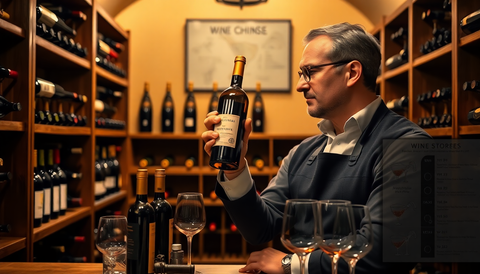
As a wine enthusiast, I've often found myself pondering the age-old question: does expensive wine truly taste better than its more affordable counterparts? It's a debate that has raged on for centuries, with passionate arguments on both sides. As the owner of McLaren Vale Cellars, a premier destination for fine wines in the heart of South Australia's renowned wine region, I've had the privilege of tasting and studying a wide range of wines, from the most budget-friendly to the most exclusive and sought-after.
In this blog post, I'll delve into the science, the psychology, and the personal experiences that shape our perceptions of wine quality and value. We'll explore the factors that contribute to a wine's price tag, the role of branding and marketing, and the ways in which our own biases and expectations can influence our taste buds. By the end, I hope to provide you with a more nuanced understanding of the complex relationship between price and taste, empowering you to make more informed decisions when it comes to your wine purchases.
The Science of Taste
At the heart of the debate over expensive wine lies the question of whether there is a measurable difference in the taste and quality of these wines. After all, if there is no discernible difference, then the high price tag may simply be a result of clever marketing and branding.
To explore this, let's take a closer look at the science of taste. The human tongue is equipped with thousands of taste buds, each of which contains specialized receptors that respond to different chemical compounds. These receptors are responsible for detecting the five basic tastes: sweet, sour, salty, bitter, and umami.
When it comes to wine, the complexity of flavors and aromas is largely determined by the grape variety, the terroir (the unique combination of soil, climate, and geography), and the winemaking process. Factors such as the age of the vines, the fermentation techniques, and the use of oak aging can all contribute to the final flavor profile of the wine.
Numerous scientific studies have been conducted to determine whether there is a measurable difference in the taste and quality of expensive wines compared to their more affordable counterparts. The results have been mixed, with some studies suggesting that trained experts can reliably distinguish between high-end and low-end wines, while others have found that even experienced tasters struggle to consistently identify the more expensive wines in blind tastings.
One particularly intriguing study, published in the Journal of Wine Economics, involved a group of wine experts who were asked to evaluate a selection of wines. The researchers found that the experts' ratings were strongly influenced by the price information provided, with the more expensive wines receiving higher scores, even when the wines were actually the same.
This suggests that our perceptions of wine quality are not solely based on the intrinsic properties of the wine itself, but are also heavily influenced by external factors, such as branding, marketing, and our own preconceptions.
The Psychology of Perception
The idea that our perceptions of wine quality are shaped by more than just the taste and aroma of the liquid in the glass is not a new one. In fact, the field of sensory science has long recognized the complex interplay between our senses and our cognitive processes when it comes to evaluating food and beverages.
One of the key factors that can influence our perception of wine quality is the power of suggestion. Studies have shown that simply telling people that a wine is more expensive or of higher quality can significantly alter their experience of the wine, even if the actual contents of the glass are identical.
This phenomenon, known as the "price-quality heuristic," is a cognitive shortcut that our brains use to make quick judgments about the quality of a product based on its price. In the case of wine, we may unconsciously assume that a more expensive bottle must be of higher quality, even if we can't necessarily detect a difference in the taste.
Another factor that can shape our perception of wine quality is the power of branding and marketing. Renowned wineries and prestigious wine regions can command higher prices, not necessarily because their wines are objectively better, but because they have cultivated a reputation for excellence. This can create a self-fulfilling prophecy, where the high price tag itself becomes a signal of quality, regardless of the wine's actual characteristics.
Furthermore, the context in which we consume wine can also play a significant role in our perception of its quality. A glass of wine enjoyed in a fine dining restaurant or a picturesque vineyard may be perceived as more enjoyable and of higher quality than the same wine consumed at home or in a less glamorous setting.
Personal Experiences and Preferences
While the science and psychology of wine perception are fascinating, it's important to acknowledge that personal experiences and individual preferences also play a crucial role in our assessment of wine quality.
For many wine enthusiasts, the enjoyment of a particular wine is not solely about the objective characteristics of the liquid, but also about the emotional and social connections we associate with it. A bottle of wine may hold sentimental value because it was shared with loved ones on a special occasion, or it may evoke memories of a memorable trip to a particular wine region.
Additionally, our personal taste preferences can vary widely, and what one person considers an exceptional wine may be less appealing to another. Some individuals may prefer the bold, fruit-forward flavors of a young, high-alcohol wine, while others may gravitate towards the more subtle, nuanced characteristics of an aged, low-alcohol vintage.
It's also worth noting that our perception of wine quality can evolve over time as our palates mature and our knowledge of wine deepens. What may have seemed like an exceptional wine in our early days of wine exploration may later be viewed as merely average as our tastes and expectations change.
Conclusion
In the end, the question of whether expensive wine truly tastes better is a complex one, with no simple answer. The science, psychology, and personal experiences that shape our perceptions of wine quality are multifaceted and often intertwined.
While there may be measurable differences in the intrinsic properties of high-end and low-end wines, our ability to reliably detect and appreciate these differences is often clouded by the power of suggestion, branding, and our own biases and preconceptions.
As wine enthusiasts, it's important to approach the topic with an open mind and a willingness to explore a wide range of wines, from the most budget-friendly to the most exclusive. By doing so, we can develop a more nuanced understanding of the relationship between price and taste, and ultimately make more informed and satisfying wine choices.
At McLaren Vale Cellars, we are committed to providing our customers with a curated selection of premium local wines that showcase the best of what the McLaren Vale region has to offer. Whether you're a seasoned wine connoisseur or a curious newcomer, we invite you to explore our collection and discover the joys of exceptional wine, regardless of price tag.
Comments (0)
There are no comments for this article. Be the first one to leave a message!