
Introduction to Tawny Port
In the vast and diverse world of wines, few are as captivating and versatile as Tawny Port. This rich, velvety fortified wine boasts a complex flavor profile that has delighted palates for centuries. Its deep amber hue, combined with layers of caramel, dried fruit, and nutty notes, make it a preferred choice for connoisseurs and casual drinkers alike. As we step into 2025, understanding what makes Tawny Port unique — from its origins to production methods, aging techniques, and tasting nuances — is essential for anyone interested in exploring this exquisite beverage.
The Rich History and Origins of Tawny Port
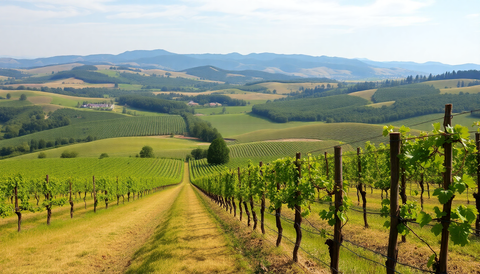
The heritage of Tawny Port traces back to Portugal’s Douro Valley, where it has been produced for over three centuries. The name “Tawny” came into use to describe the wine’s distinctive golden-amber hue, which results from prolonged aging and oxidation. Historically, Portuguese vintners exported their fortified wines across Europe, where the style evolved and adapted in regions like South Australia. Today, South Australia stands as a global hub for Tawny Port production, combining traditional methods with modern innovations to craft exceptional wines.
Throughout history, Tawny Port has been cherished for its approachable sweetness, complex aromatics, and pairing versatility, making it an enduring favorite among wine enthusiasts worldwide.
The Winemaking Process of Tawny Port
1. Grape Selection and Harvesting
The foundation of quality Tawny Port begins with selecting the right grape varieties. The primary varietals used include Shiaz, Grenache, and Mataro (also known as Mourvèdre). These varietals flourish in South Australia’s warm, dry climate, which intensifies their fruit flavors and maintains essential acidity. Harvesting is done at peak ripeness, typically in late summer, to ensure high sugar levels necessary for fermentation and subsequent fortification.
2. Crushing and Fermentation
Once harvested, grapes are gently crushed to release their juice. Natural fermentation begins as yeasts convert sugars into alcohol. Unlike standard wines, where fermentation continues unimpeded, Tawny Port’s fermentation is intentionally halted early through fortification.
3. Fortress of Fermentation – Fortification Process
This pivotal step involves adding a high-proof grape spirit — usually around 77% alcohol — to the fermenting wine. The addition of spirit stops fermentation prematurely, preserving the grape’s natural sugars and creating a balanced, sweet base. The timing of fortification is crucial: too early, and the wine becomes overly sweet; too late, and the wine risks developing a drier profile unsuitable for Tawny style.
4. Ageing and Maturation in Oak Barrels
Post-fortification, the wine is transferred into oak barrels for aging. Traditional aging involves large, old oak casks, often seasoned with previous fortified wines. During this period, the wine undergoes slow oxidation, which imparts the characteristic caramel, nutty, and dried fruit flavors associated with Tawny Port. The heat of South Australia accelerates maturation, allowing the wine to develop rich complexity in a shorter timeframe than cooler climates.
5. Blending and Bottling
To achieve consistency, winemakers often blend different barrels and vintages, balancing younger and older wines to create a harmonious flavor profile. Once blended, the Tawny Port is bottled without further aging, ready for consumption. It is important for consumers to understand that, unlike Vintage Port, Tawny Port does not benefit from further bottle aging and is best enjoyed within a few years of bottling.
Styles and Ageing of Tawny Port
The defining trait of Tawny Port is its aging process, which influences its flavor, color, and aroma. Here’s a closer look at the different styles:
- Young Tawny (3-5 years): Features fresh fruit notes, subtle oak influence, and vibrant amber hues. Suitable for casual sipping and pairing with lighter dishes.
- Older Tawny (10-20 years): Develops richer caramel, nutty, and dried fruit flavors, with a more profound oxidative character. Color deepens and complexity increases.
- Vintage-Style Tawny (30+ years): Exceptionally complex, with refined nutty notes, dried fruits, and a luscious mouthfeel. These are often blended from select older barrels to preserve consistency.
Each age category offers a different experience, making Tawny Port a wine that can be enjoyed in a multitude of contexts.
The Art of Ageing Tawny Port
Traditional aging methods involve placing the wine in large, seasoned oak barrels. The game-changing factor is the oxidative aging that occurs during storage. This process results in the development of nuanced flavors and a characteristic golden-amber color. For premium Tawny Ports, aging can extend beyond three decades, allowing the wine to take on even greater complexity.
Many producers, including those in South Australia, employ blending techniques to ensure consistent quality and flavor profile. Each barrel adds a distinct layer to the final blend, contributing to its balance and finesse.
Serving and Enjoying Tawny Port
Proper serving enhances the wine’s aroma and flavor. Tawny Port should be served slightly chilled, at around 12-16°C (54-61°F), especially in warmer weather. Unlike vintage Port, it does not require decanting or cellaring, making it a convenient and elegant choice for spontaneous enjoyment.
Once opened, Tawny Port can last several weeks to months due to its oxidative aging, which stabilizes the wine. Store the bottle upright in a cool, dark place to preserve quality.
Food Pairings
- Cheeses such as blue cheese, aged cheddar, and Roquefort
- Nuts and dried fruits like almonds, walnuts, figs, and apricots
- Rich desserts including chocolate mousse, sticky toffee pudding, and caramel-based treats
- Foie gras and patés for a savory pairing
Differences Between Tawny Port and Vintage Port
- Tawny Port: Matured in barrels with oxidation, leading to its characteristic caramelized and nutty flavor profile, ready to serve straight from the bottle.
- Vintage Port: Aged primarily in bottles, requiring decanting, and designed for further aging to develop its full potential.
Understanding these differences helps in selecting the right Port for different occasions and preferences.
Can You Age Tawny Port in the Bottle?
Unlike Vintage Port, Tawny Port is bottled when it's ready to drink. It does not improve significantly with further bottle aging but rather stabilizes and develops its nuanced flavors over time during its initial maturation. Proper storage after opening is key to maintaining its quality.
The Last Word on Tawny Port
As of 2025, Tawny Port continues to symbolize craftsmanship, tradition, and elegance in fortified wines. Its versatile style, complex flavors, and approachable nature make it an enduring favorite across the globe. Whether sipped alone as a contemplative after-dinner drink or paired with complementary foods, Tawny Port offers a rich and aromatic experience that captures the spirit of South Australia's winemaking mastery.
Embrace the journey of exploring Tawny Port, and discover a world of deep, layered flavors that can be enjoyed across generations. Cheers to appreciating this remarkable wine’s timeless appeal!
"

Comments (0)
There are no comments for this article. Be the first one to leave a message!