
You're likely standing in front of a shelf or scrolling a bottle page contemplating the same question many have when first encountering it: how can something clear taste like chocolate? And once you get past that, the next question usually lands fast. What do you do with it?
That curiosity is exactly why White Crème de Cacao earns a spot on so many smart bar carts. It solves a very specific problem. You want cocoa flavour, but you don't want the heavy colour of a dark liqueur and you don't want the creamy, dessert-like weight of a white chocolate liqueur. You want lift, aroma, sweetness, and a clean look in the glass.
For home bartenders, that makes it a secret-weapon bottle. For shoppers looking at South Australian options, it's also a practical buy because there are local choices that make the category easier to explore without guesswork. If you've seen Vok on the shelf and wondered whether it's worth bringing home, this guide will help you understand what White Crème de Cacao is, how it behaves, and how to use every last splash with confidence.
An Introduction to White Crème de Cacao
White Crème de Cacao is a chocolate-flavoured liqueur that's usually clear or nearly clear. The word crème throws people off, because it sounds like dairy. In this case, it refers to the liqueur style and richness, not to cream.

What it is and what it isn't
Start with the simplest distinction.
- It is a cocoa liqueur. It brings chocolate aroma and sweetness to a drink.
- It isn't dark crème de cacao. Dark versions add colour and often feel a bit weightier in a cocktail.
- It isn't white chocolate liqueur. That style can taste creamier and more confectionary, while White Crème de Cacao is usually cleaner and more mixable.
That last difference matters. If you've ever made a drink that turned muddy in colour or felt too sweet by the final sip, you've seen why bartenders reach for the white version instead.
Why bartenders love it
This bottle does a job that very few others can do. It adds cocoa notes without dragging a drink into dessert-only territory. In classics, that means it can sit beside citrus, mint, gin, brandy, or cream and still keep the drink balanced.
Practical rule: If you want chocolate flavour in a cocktail without making the drink look brown, White Crème de Cacao is usually the first bottle to try.
It's also not a base spirit in the way gin, vodka, whisky, or rum is. You don't usually build an entire drink around a large pour of it. You use it as a modifier, the ingredient that nudges a cocktail into something more aromatic, smoother, and more complete.
Where it sits in strength and tradition
Many White Crème de Cacao liqueurs sold in Australia sit at a moderate 22.9 to 23% ABV, including brands such as Continental and Baitz, and Baitz is noted as having won Melbourne's Lillie Trophy almost every year since the award began in 1951 in this Australian product reference. That tells you two useful things. First, this is a long-established style. Second, it's built for mixing, not for the punch of a full-strength spirit.
If you're new to liqueurs, that's the mindset to keep. Don't treat it like vodka. Treat it like the finishing touch that makes a drink taste polished.
From Bean to Bottle The Clear Difference
The clear colour isn't a gimmick. It comes from how the liqueur is made.
Distillation keeps the flavour and leaves the colour
Premium White Crème de Cacao is made by distilling whole roasted cocoa beans and then combining that distillate with vanilla infusion, producing a transparent liqueur with notes of cacao, light coffee, vanilla, and caramel, as described by Giffard's Crème de Cacao Blanc product page.
That one production choice explains almost everything people notice in the glass. Distillation captures aroma and flavour compounds while leaving behind much of the dark colour you'd expect from cocoa.
Why dark versions behave differently
Dark crème de cacao usually leans more on infusion. That pulls more visible colour into the bottle and often gives the final drink a deeper tone. Neither style is better in every situation. They just solve different problems.
Use the dark version when you want cocoa to show visually as well as aromatically. Use the white version when colour matters, especially in pale cocktails.
| Style | Best known for | Effect in a drink |
|---|---|---|
| White Crème de Cacao | Clear appearance and lifted cocoa aroma | Keeps cocktails lighter in colour |
| Dark Crème de Cacao | Richer colour presence | Adds a darker visual tone |
Distillation is the trick. You get the smell and taste of cocoa without carrying all of its colour into the bottle.
What that means for you at home
You don't need to memorise production jargon. You only need to remember the payoff. White Crème de Cacao is clear because the maker is chasing clarity and finesse, not just sweetness.
That's why it works so well in drinks where appearance matters. It's also why the flavour often reads as elegant rather than dense. Think cocoa aroma with vanilla support, not a thick chocolate sauce in liquid form.
Tasting Notes and Flavour Profile
Pour a little into a small glass and give it a swirl. The first surprise is usually the nose. You expect something sugary and blunt. What you often get instead is a layered smell that feels more refined than the name suggests.
On the nose
The aroma usually opens with cacao first, then softer notes that can remind you of vanilla, light coffee, and caramel. It doesn't smell like a chocolate milk drink. It smells closer to the fragrant side of cocoa, with sweetness sitting underneath rather than shouting over the top.
That's why bartenders like to use it in cocktails that already have their own personality. It doesn't flatten everything into one-note sweetness.
On the palate
The sip is where people tend to recalibrate. White Crème de Cacao is sweet, yes, but the better versions feel smooth and rounded rather than sticky. The chocolate note lands more like milk chocolate aroma than dark bitter cocoa.
There's often a gentle vanilla softness through the middle of the palate. That makes it easy to pair with spirits that already carry warmth or spice, and it also helps cream-based drinks feel integrated rather than split into separate flavours.
On the finish
The finish is usually softer than people expect. Instead of a heavy, cloying close, you often get lingering cocoa sweetness with a mild confectionary edge. That's exactly why it works in cocktails that need a sweet component but still want freshness.
A simple way to think about the flavour profile:
- Aroma brings cocoa, vanilla, and a hint of roasted character
- Texture feels silky rather than thick
- Finish stays sweet but usually cleaner than creamy chocolate liqueurs
If you're deciding whether you'll like it, ask yourself this. Do you enjoy the smell of chocolate desserts but sometimes find chocolate drinks too heavy? White Crème de Cacao is often the answer to that gap.
Classic Cocktails with White Crème de Cacao
A bottle makes the most sense once you use it. These are the drinks that show why it matters.

Grasshopper
This is the mint-chocolate classic. It's lush, cool, and unapologetically retro in the best possible way.
You'll need
- White Crème de Cacao
- Crème de menthe
- Cream
- Ice
How to make it
- Add all ingredients to a shaker with ice.
- Shake until the tin feels very cold.
- Strain into a chilled cocktail glass.
Why it works
The white version matters here because the drink is meant to stay pale and inviting. A dark cacao liqueur pushes it into a muddier look. White Crème de Cacao keeps the drink closer to that classic soft-green style while still giving the mint something chocolatey to play against.
20th Century
This is one of the best drinks for people who think chocolate and citrus sound odd together. In a good version, they don't fight at all.
You'll need
- Gin
- White Crème de Cacao
- Lemon juice
- Aromatic fortified wine
- Ice
How to make it
- Combine everything in a shaker with ice.
- Shake briskly until chilled.
- Fine strain into a coupe.
According to Skurnik's profile of Giffard Crème de Cacao Blanc, White Crème de Cacao is formulated to be less cloying than many white chocolate liqueurs, which is why it suits citrus-forward cocktails like the 20th Century. The same source notes that many modern versions are also vegan, gluten-free, and lactose-free.
That technical point makes a real difference in the glass. Lemon juice needs room to stay bright. If the chocolate element is too creamy or too heavy, the drink collapses.
In the 20th Century, White Crème de Cacao doesn't read as “dessert”. It reads as polish.
If you enjoy tweaking sweet flavour accents in drinks and coffee service alike, this comprehensive guide to coffee syrups is useful for understanding how different sweeteners shape flavour without overwhelming a base.
A few more ideas live in McLaren Vale Cellars' own cocktail ideas archive, especially if you're building a home drinks list and want to branch beyond the obvious classics.
Here's a quick visual walkthrough before the next drink:
Golden Cadillac
If the Grasshopper is minty and playful, the Golden Cadillac is silkier and more dessert-like.
You'll need
- White Crème de Cacao
- Galliano
- Cream
- Ice
How to make it
- Shake all ingredients with ice.
- Strain into a chilled cocktail glass.
- Serve immediately while the texture is still light and frothy.
Why it works
Galliano brings herbal vanilla character. White Crème de Cacao fills in the cocoa side without making the drink look muddy. Cream ties the two together. The result tastes richer than the ingredient list suggests.
A simple buying rule for cocktails
If your goal is any of the following, White Crème de Cacao is the right pick:
- Pale classics where colour matters
- Mint drinks that need chocolate but not heaviness
- Citrus cocktails where creaminess would get in the way
- After-dinner drinks that should taste elegant, not syrupy
That's why bartenders keep it around even if they don't use it every night. When the right drink calls for it, nothing else does quite the same job.
Beyond the Cocktail Shaker Dessert Ideas
White Crème de Cacao belongs in the kitchen just as much as it belongs at the bar. If you only think of it as a cocktail ingredient, you'll miss half its charm.

Why it works in desserts
The appeal is simple. It adds chocolate aroma and sweetness in a way that stays fluid and easy to portion. You don't need to melt anything, bloom cocoa, or rework the texture of a dessert recipe.
That makes it especially handy when you want a chocolate note without darkening the final dish too much.
Easy ways to use it
- Over ice cream. A small drizzle over vanilla bean ice cream turns a basic bowl into something closer to an affogato's dessert-bar cousin.
- In panna cotta. Add a splash to the dairy mixture for a gentle cocoa-vanilla accent.
- With mousse. Stir a little into a pale mousse or cream filling when you want a more aromatic chocolate note.
- On sponge cake. Brush it onto cake layers to add moisture and flavour before filling.
- Into whipped cream. Fold in a modest splash for a topping that works beautifully with berries and meringue.
Kitchen tip: Start small. White Crème de Cacao is sweeter than many people expect, so a restrained pour usually gives a cleaner result.
Best dessert pairings
It shines most with desserts that are already light in colour or texture. Think vanilla, almond, mascarpone, cream, sponge, and soft fruit. Dark chocolate desserts can handle it too, but pale desserts show off its particular strengths better.
If you like thinking about sweet balance more broadly, McLaren Vale Cellars' article on desserts and wine sweet matches made in heaven is a helpful companion for pairing ideas around puddings, cakes, and after-dinner service.
A bottle often lasts longer in the kitchen than expected because you tend to use modest amounts. That's part of its value. It can enhance a dessert without demanding a complicated recipe.
Your Guide to Buying Storing and Saving
You spot a bottle of white crème de cacao on the shelf and hesitate. The question usually is not "is this good?" It is "will I use it enough to justify buying it?"
That is the right question.
White crème de cacao works like a bottle of liquid cocoa perfume for cocktails and desserts, so the best buy depends on how often you reach for that style. For McLaren Vale Cellars customers, there is also a practical local angle. South Australian drinkers often want something that fits the way they already shop for wine and spirits: good value, clear purpose, and a bottle that earns its space at home.
What to check before you buy
Start with the label, then picture your own bar cart or kitchen shelf.
Bottle size matters first. A 500ml bottle suits curious buyers who want to test a few cocktails, make the occasional dessert, and see whether the flavour becomes a regular habit. A larger bottle makes more sense for frequent entertaining or for anyone who already knows this liqueur will show up in after-dinner drinks, cream-based cocktails, and baking.
Producer style matters too. Some bottles taste cleaner and more cacao-forward. Others lean sweeter and softer. If you already shop McLaren Vale Cellars for wine, you already know this idea. Two bottles in the same category can play very different roles at the table.

A practical South Australian option
Vok White Crème de Cacao is produced in South Australia and available in 500ml and 1L bottles, which gives buyers a useful entry point into the category. That local connection will appeal to shoppers who like matching imported cocktail traditions with a bottle that feels closer to home.
The format choice is easy once you frame it around use. A 500ml bottle is often the safer first purchase. A 1L bottle suits the person who hosts often, makes dessert drinks regularly, or already knows a Grasshopper will not be a one-off experiment.
How to judge value without overbuying
Price only helps if you read it alongside volume and your own habits. A smaller bottle can be the smarter purchase because it lets you learn the ingredient before committing to more of it. A bigger bottle can offer better value per pour, but only if you will use it before the flavour starts to lose some brightness.
A good rule is simple. Buy for your next six months, not for your fantasy cocktail life.
| Shopping question | Better choice |
|---|---|
| I'm trying it for the first time | 500ml often makes sense |
| I mix cocktails regularly | 1L may suit better |
| I mainly use it in desserts | Smaller bottle is usually enough |
| I entertain often | Larger format is worth considering |
How to store it properly
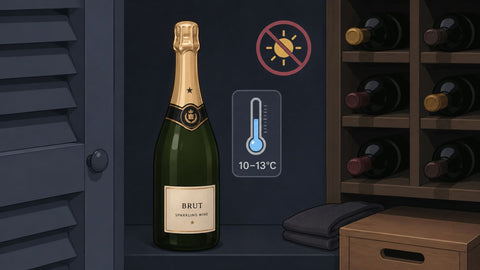
White crème de cacao is easy to keep in good condition. Store it in a cool, dark cupboard, seal the cap tightly, and keep it away from heat and direct sun. The goal is simple: protect the aroma, keep the sweetness tasting fresh, and avoid the dull, tired note that can creep in when a bottle sits badly stored for too long.
The top of the fridge is a common mistake. It is convenient, but the temperature swings are not helpful.
If you want broader bottle-care habits, Blind Barrels whiskey storage advice covers principles that also suit liqueurs. McLaren Vale Cellars also has a helpful guide to protecting your investment with proper wine storage, which is useful if your home setup includes both spirits and wine.
How to make a bottle last
Use a measured pour. This liqueur is sweet, and a little usually goes further than people expect. That means even a modest bottle can cover plenty of cocktails and dessert recipes.
If you only use it occasionally, keep it visible enough to remember. A forgotten bottle at the back of the cupboard is the fastest way to waste value. A bottle you can spot easily tends to find its way into an after-dinner drink, a splash in whipped cream, or a simple weekend cocktail.
The best purchase is the bottle size that matches your real habits and your actual shelf space. That is how white crème de cacao goes from curiosity to reliable secret weapon.
Frequently Asked Questions
Is White Crème de Cacao the same as white chocolate liqueur
No. They can overlap in sweetness, but they aren't the same thing. White Crème de Cacao is a cacao liqueur built for chocolate aroma and mixing versatility. White chocolate liqueur usually tastes creamier, heavier, and more dessert-like.
If a cocktail needs lift and balance, White Crème de Cacao is usually the better tool.
Does the word crème mean it contains dairy
Not necessarily. In this category, crème refers to the liqueur style rather than actual cream. Many modern White Crème de Cacao products are made without dairy, and some are also suitable for drinkers looking for vegan, gluten-free, and lactose-free options, as noted earlier in the guide.
Still, check the label if dietary needs are strict. Producers can differ.
Is it really colour-neutral in cocktails
That's one of the most common points of confusion. Producers often say White Crème de Cacao helps preserve clarity or a paler appearance in drinks like the Grasshopper, but formal mixology studies on its visual impact compared with brown-tinted variants are scarce. In practice, most bartenders use it when they want a lighter-looking result, but the exact effect can still depend on the rest of the recipe.
So the honest answer is this. It's usually the right choice for pale cocktails, but it isn't magic invisibility liquid.
Can I sip it neat
You can, especially lightly chilled. It is typically enjoyed more in small pours than in large glasses because it's sweet and designed primarily as a mixing ingredient.
Try a small taste first. You'll understand it better once you've had it on its own.
Can I use dark crème de cacao instead
Sometimes, yes. The flavour family is close enough that a drink may still work. But the colour and overall feel of the cocktail will change. In pale classics, that change is often noticeable straight away.
Can I make it at home
You can make chocolate-flavoured liqueurs at home, but reproducing the polished clarity and balance of a commercial White Crème de Cacao is harder than it sounds. The clear colour is tied to how the flavour is extracted, and that's the part home versions usually struggle to match.
If your goal is reliability in cocktails, buying a bottle is usually the easier path.
If you're ready to pick a bottle and start mixing, McLaren Vale Cellars is a great place to explore South Australian favourites alongside wines, fortifieds, and liqueurs for your next cocktail night or dessert pairing.
Comments (0)
There are no comments for this article. Be the first one to leave a message!