
As wine enthusiasts, we've all been there - standing in front of the wine aisle, overwhelmed by the sheer variety of bottles, unsure of which one to choose. Wine can be an intimidating world, with its complex flavors, vintages, and serving rituals. However, with a little knowledge, you can avoid common wine mistakes and elevate your wine-drinking experience.
At McLaren Vale Cellars, we're passionate about helping our customers discover the joys of wine. In this blog post, we'll explore some of the most common wine mistakes and provide practical tips to ensure you get the most out of every sip.
Mistake #1: Serving Wine at the Wrong Temperature
Temperature plays a crucial role in the way wine tastes. Serving a wine at the wrong temperature can mute its flavors or make it taste unbalanced. As a general rule, white wines should be served chilled, between 45-55°F (7-13°C), while red wines should be served at a slightly warmer temperature, between 55-65°F (13-18°C).
The reason for this is simple: colder temperatures can suppress the aromas and flavors of a wine, while warmer temperatures can make the wine taste overly alcoholic or "hot." By serving your wine at the optimal temperature, you'll be able to fully appreciate the nuances and complexities that the winemaker has worked so hard to create.
Mistake #2: Neglecting to Decant
Decanting is the process of pouring wine from the bottle into a separate vessel, usually a carafe or decanter. This simple step can have a profound impact on the taste of your wine, especially for older or more tannic red wines.
Decanting serves two main purposes:
-
Aeration: As the wine is poured into the decanter, it is exposed to air, which helps to "open up" the wine and release its aromas and flavors.
-
Sediment Removal: Many older red wines will have some sediment that has accumulated over time. Decanting allows you to separate the clear wine from the sediment, resulting in a smoother, more enjoyable drinking experience.
By taking the time to decant your wine, you'll be rewarded with a more complex, harmonious, and enjoyable glass of wine.
Mistake #3: Ignoring the Importance of Glassware
The type of glass you use can also have a significant impact on the way a wine tastes. Different wine glasses are designed to enhance the specific characteristics of different wine styles.
For example, a wide, shallow glass is ideal for full-bodied red wines, as it allows the wine to aerate and release its aromas. On the other hand, a tall, narrow glass is better suited for delicate white wines, as it helps to preserve the wine's freshness and acidity.
Investing in a set of quality wine glasses can make a noticeable difference in your wine-drinking experience. While you don't need to have a different glass for every wine, having a few versatile options can help you get the most out of your favorite bottles.
Mistake #4: Storing Wine Improperly
Proper wine storage is essential for maintaining the quality and longevity of your wine collection. Exposure to light, heat, and vibration can all negatively impact a wine's flavor and aroma.
The ideal storage conditions for wine are:
- Temperature: Consistent temperature between 55-65°F (13-18°C)
- Humidity: 60-70% humidity
- Darkness: Stored in a dark, or at least dimly lit, environment
- Stillness: Minimal vibration or movement
If you don't have a dedicated wine cellar or refrigerator, you can still store your wine properly by keeping it in a cool, dark place, such as a closet or basement. Avoid storing wine in the kitchen or near appliances that generate heat, as these environments can accelerate the aging process and compromise the wine's quality.
Mistake #5: Neglecting to Pair Food and Wine
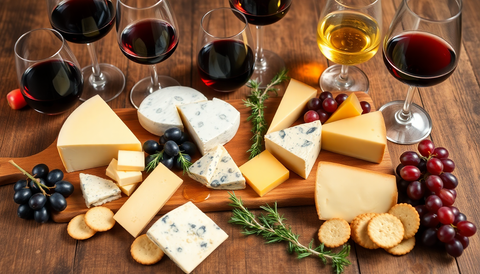
The right food and wine pairing can elevate both the meal and the wine, creating a harmonious and delightful dining experience. Conversely, a poor pairing can make the wine taste unbalanced or the food seem overpowering.
When pairing wine with food, consider the following factors:
-
Flavor Intensity: Match the weight and intensity of the wine with the food. For example, a bold, full-bodied red wine pairs well with a hearty steak, while a delicate white wine complements a light salad.
-
Acidity and Tannins: High-acid wines, such as Sauvignon Blanc or Pinot Noir, can cut through rich, fatty foods, while tannic red wines pair well with proteins that can stand up to their structure.
-
Sweetness: Sweet wines, like Riesling or Moscato, can balance out spicy or salty dishes, while dry wines can become overpowered by sweet foods.
By considering these factors and experimenting with different pairings, you'll be able to discover the perfect match for your favorite dishes and wines.
Conclusion
Wine can be a complex and rewarding hobby, but it doesn't have to be intimidating. By avoiding these common wine mistakes and following a few simple guidelines, you can elevate your wine-drinking experience and discover new favorites.
At McLaren Vale Cellars, we're here to help you on your wine journey. Whether you're a seasoned oenophile or a curious beginner, our knowledgeable staff is always happy to provide recommendations and guidance to ensure you get the most out of every bottle.
So, the next time you're browsing our selection, remember these tips, and let us help you find the perfect wine to suit your taste and occasion. Cheers!
Comments (0)
There are no comments for this article. Be the first one to leave a message!