
If you've ever heard wine lovers talk about Australian white wine in hushed, reverent tones, chances are they were talking about Clare Valley Riesling. It’s the benchmark, the icon. Think of it as wine in high definition—the flavours are just so incredibly clear, sharp, and full of life. It’s all about that intense lime, zinging acidity, and an almost magical ability to get better and better with age.
What Makes Clare Valley Riesling So Special

Clare Valley Riesling isn’t just a big deal in Australia; it’s a global standard for quality. This is a wine that tells a story of where it comes from, bottling the unique climate and soils of its South Australian home. Its stellar reputation is built on unwavering consistency and an incredible capacity to transform in the cellar.
What really sets it apart is its purity. Winemakers here almost always keep oak barrels out of the equation. This lets the pristine fruit and the region’s signature minerality shine, resulting in a wine that’s breathtakingly fresh and aromatic right from the get-go.
The Signature Flavour Profile
The first thing you’ll notice in a young Clare Valley Riesling is its powerful citrus punch. We're talking a full-on explosion of fresh lime juice and lemon zest, often with a bit of tangy green apple in the mix. It's all held together by a steely, mineral backbone that wine nerds love to call “slatey” or “flinty.”
A young Clare Valley Riesling is just thrilling. It’s defined by this laser-like acidity and piercing citrus that feels almost electric on the palate. You can taste the promise of a long and fascinating life ahead.
This razor-sharp acidity is the wine's engine. It gives it structure, drive, and a mouth-watering finish that keeps you coming back for another sip. It’s also the secret to its longevity, acting as a natural preservative that allows the wine to evolve beautifully over decades. To see how it stacks up against other whites, check out our guide on exploring the dry white wine gems of Australia.
An Unmatched Ability to Age
While a young Clare Riesling is delicious, the real magic happens when you give it some time. As it matures in the bottle, the wine undergoes a complete personality shift. Those sharp, zesty citrus notes soften and fold into the wine, making way for something far richer and more complex.
With a bit of age, you’ll start to find some amazing new characteristics:
- Toasted Notes: Flavours of honey-on-toast, brioche, and even buttered popcorn start to appear.
- Textural Richness: The wine gains weight, developing a smoother, more luscious mouthfeel.
- Complex Aromas: That famous "kerosene" or "petrol" aroma emerges—a celebrated hallmark of world-class aged Riesling that gets collectors very excited.
This incredible transformation from a zesty, vibrant young wine into a layered, profound older one is exactly why it’s a must-have for any serious wine lover's cellar.
What Makes Clare Valley Riesling So Special?

To really get what makes Clare Valley Riesling a world-beater, you have to look beyond the winery and into the land itself. The French have a word for this: terroir. It’s the powerful alchemy of climate, soil, and elevation that gives a wine its unique signature and sense of place.
Think of it like this: a great chef can only be as good as their ingredients. The Clare Valley hands its winemakers the most incredible, exclusive ingredients to work with—and it all starts with the climate.
The region's secret weapon is its dramatic diurnal range. That’s a fancy term for the massive temperature drop between the warm, sunny days and the chilly nights. During the day, all that beautiful sunshine ripens the grapes perfectly, building up those intense citrus and floral flavours. But when the sun goes down, the cold air sweeps in, locking in the grape's natural acidity. This daily hot-and-cold cycle is what gives a classic Clare Valley Riesling its trademark power—electrifying flavour balanced by a zesty, fresh finish.
Altitude Is Everything
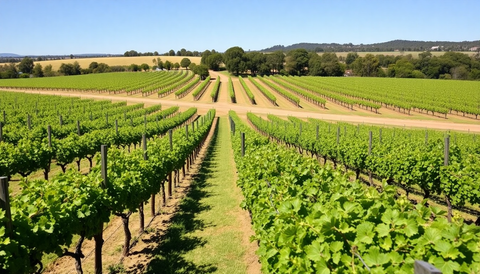
The Clare Valley isn't just one valley; it's a whole series of rolling hills and ridges. The vineyards here are planted at impressive altitudes, from 320 to 570 metres above sea level—unusually high for an Australian wine region. This elevation is a game-changer. Higher vineyards mean cooler nights, which is crucial for preserving that all-important acidity in the grapes.
It's a beautiful balancing act performed by nature. The warm, dry summers ripen the fruit to perfection, while the cool nights and high altitude lock in the zesty acidity that makes these wines so vibrant and built to last.
This unique climate gives winemakers pristine fruit, allowing them to craft wines that are both intensely powerful and wonderfully elegant. It's no wonder the region has become the undisputed heartland for Australian Riesling. The Clare Valley is home to a staggering 34% of the nation’s total Riesling plantings, tended by over 200 growers and crafted at more than 48 boutique wineries. Its importance is cemented in Australian wine history, as you can read about on the Clare Valley wine region's Wikipedia page.
A Tale of Two Soils: Watervale vs. Polish Hill River
Nowhere is the magic of terroir clearer than when you compare the Clare Valley’s two most famous sub-regions: Watervale and Polish Hill River. They're only a few kilometres apart, but their vastly different soils create two distinct personalities of Riesling.
To make it simple, let's break down how these two neighbouring areas produce such different wines.
Clare Valley Sub-Regions At A Glance
| Feature | Watervale | Polish Hill River |
|---|---|---|
| Soil | Rich red 'terra rossa' clay over limestone | Broken grey slate and hard quartzite rock |
| Aromas | Expressive lime, grapefruit, and floral notes (citrus blossom) | Intense, piercing lime juice and a distinct 'wet stone' or mineral scent |
| Palate | Softer, more generous, and rounder in texture | Tightly wound, structured, and defined by a steely, linear acidity |
| Best Enjoyed | Approachable and delicious upon release | Can be austere when young, but blossoms beautifully with age |
As you can see, Watervale Rieslings are often the more generous, friendly sibling. With their 'terra rossa' soils holding moisture well, the vines produce wines that are bursting with juicy lime and soft floral notes, making them incredibly approachable from a young age.
Polish Hill River, on the other hand, is the more intense, structured sibling. Its lean, rocky slate soils force the vines to struggle, digging deep for water. This struggle translates into a wine that is powerfully concentrated, with a piercing lime character, incredible mineral drive, and a backbone of acidity that promises a long, fascinating life in the cellar.
This incredible diversity is what makes the Clare Valley so exciting. From one small, special pocket of South Australia, you get a whole spectrum of world-class Riesling styles to explore.
Crafting Excellence From Vine to Bottle
 The journey of a Clare Valley Riesling from the vineyard to your glass is a story of preservation. Winemakers here don’t see themselves as creators, but rather as custodians. Their job is to protect the pristine, vibrant character that the region’s unique terroir gifts the grapes. The philosophy is refreshingly simple: less is more.
This hands-off approach starts with one of the most nerve-wracking decisions in the entire process—choosing the perfect moment to pick. Harvest too soon, and the wine risks being thin and screechy. Wait too long, and you lose that signature zesty freshness. It’s a true balancing act, with growers walking the rows daily, tasting berries, and checking sugar and acid levels to capture that fleeting moment of perfect equilibrium.
Protecting the Purity
Once the decision is made, the grapes are often picked in the cool of the night or early morning to lock in their crispness. From there, the focus shifts to preserving their pure, aromatic soul. This is where Clare Valley winemakers deliberately sidestep two techniques that are common for other white wines.
First, you’ll almost never find a Clare Valley Riesling that’s seen the inside of a new oak barrel. Oak can add wonderful flavours of vanilla, spice, and toast, but those would completely overwhelm the delicate citrus and floral notes that make this style so revered.
The goal is to let the fruit do all the talking. Using new oak would be like putting a filter over a high-definition photo—it would just obscure the very details that make it so special.
Instead, winemakers rely on completely inert vessels, almost always stainless steel tanks. These tanks are like perfect echo chambers. They allow the wine to ferment and settle without adding any outside flavours, ensuring the final wine is a crystal-clear expression of the grape and its home.
The Winemaker’s Toolkit
The second technique they almost universally avoid is malolactic fermentation (MLF). This is a process that converts the sharp, appley malic acid in a wine into softer, creamier lactic acid. While it’s the secret behind many buttery Chardonnays, it would completely strip a Riesling of its structural backbone and electric drive.
By skipping MLF and fermenting the wine at very cool temperatures, winemakers make sure it holds onto its piercing acidity and vibrant aromatics. It’s a meticulous process that shows just how much skill is involved in letting the wine’s natural brilliance shine through.
This dedication to quality is now being reflected in the numbers. In a recent vintage, the Clare Valley's Riesling crush became the region's largest variety, overtaking Shiraz for the first time in over a decade. While the broader market saw a downturn, Riesling commanded the highest average price at $1,645 per tonne—a 3% increase from the year before—while Shiraz prices fell. You can dive into the details in the Clare Valley regional report for 2024.
This shift highlights Riesling’s premium status and resilience, with one-third of all new vineyard plantings now dedicated to this signature white. It’s a clear signal of the enduring demand for the exceptional quality that flows from this careful, considered winemaking process.
The Tasting Spectrum: From Youthful Zest to Aged Complexity
One of the most thrilling things about Clare Valley Riesling is its incredible ability to transform in the bottle. It's a wine that lives two very different, but equally fantastic, lives. A young bottle is all about zesty, explosive energy, while an older one offers a deep, almost contemplative complexity.
Getting your head around this journey is the key to understanding why it’s celebrated as one of the world's great white wines.
The Vibrancy of Youth
Think of a young Clare Riesling as a tightly coiled spring, just buzzing with energy. Pop the cap on a recent vintage, and you’re hit with this incredible, pure citrus aroma that just leaps out of the glass.
In its youth—usually the first one to three years—Clare Riesling is defined by its sharp, clean fruit and almost electric acidity.
What you'll find in a young bottle:
- Dominant Flavours: It's all about intense, freshly squeezed lime juice, lemon zest, and maybe a bit of tart green apple.
- Mineral Edge: You'll often find a signature "wet stone" or "slatey" character that adds a savoury, mouth-watering touch. It’s what keeps the pure fruit in check.
- Palate Sensation: The wine feels light and crisp, with a driving acidity that makes your palate feel incredibly refreshed and clean.
This youthful stage is a real thrill. The wine is direct, expressive, and a pure snapshot of the vineyard and the vintage it came from.
But a great Clare Valley Riesling is built to last. That vibrant acidity isn't just for show; it’s the wine's natural preservative, allowing it to evolve slowly and gracefully for 10 to 20 years, or even longer. It's a fascinating bit of science. If you want to dive deeper, check out our article on the science behind wine aging and what makes some bottles improve so dramatically.
The Magic of Maturity
Once a Clare Riesling hits about five to eight years of age, something magical starts to happen. The wine begins to relax and unfurl, revealing a stunning depth and richness that was only hinted at when it was young. This transformation is what truly sets it apart.
Those sharp, primary citrus notes start to soften and step back, making way for a more complex and savoury bouquet. It’s like watching a photograph slowly develop, with new details emerging over time.
The real reward of cellaring Clare Riesling is witnessing this beautiful evolution. The wine sheds its youthful austerity and develops a rich, honeyed character, underscored by that iconic toasty complexity. It’s a hallmark of world-class aged Riesling.
This aged profile is what collectors and wine lovers hunt for. The key characteristics of a mature Clare Riesling include:
- Aromatic Shift: The fresh lime and lemon morph into richer notes of lime marmalade, beeswax, and dried citrus peel.
- Tertiary Flavours: This is where the famous aged characters come out to play. You'll discover delicious notes of honey-on-toast, toasted nuts, and brioche.
- The Kerosene Note: The most celebrated (and sometimes debated) sign of a well-aged Riesling is a distinctive aroma often described as kerosene or petrol. It’s caused by a compound called TDN, which develops in grapes grown with plenty of sun exposure and in high-acid wines—both hallmarks of the Clare Valley.
- Textural Change: That once-sharp acidity softens and weaves itself into the wine, creating a rounder, richer, and more viscous texture on the palate.
Navigating this spectrum is all part of the fun. Whether you prefer the electric thrill of a young bottle or the profound, layered complexity of an aged one, Clare Valley Riesling offers an exceptional experience at every stage of its long and fascinating life.
Perfect Pairings and Serving Suggestions

Getting the most out of your Clare Valley Riesling is about more than just pulling the cork. How you serve and pair this wine can turn a good glass into a truly great one, whether it’s a zesty young bottle or a complex, aged treasure.
The secret to any great food and wine pairing is to match their personalities. For a young Clare Valley Riesling, its defining feature is that vibrant, high acidity. It’s a mouth-watering quality that acts just like a fresh squeeze of lime, slicing through rich foods and cleansing your palate.
Pairing Young Clare Valley Riesling
A fresh, youthful bottle that’s bursting with lime and mineral notes is one of the most food-friendly wines you can find. Its crispness is the perfect foil for dishes with a bit of spice, salt, or oil.
- Spicy Asian Cuisine: The wine’s touch of fruit sweetness and razor-sharp acidity is a brilliant counterpoint to the heat in a Thai green curry or a zesty Vietnamese noodle salad.
- Fresh Seafood: This is a classic for a reason. Think freshly shucked oysters, grilled prawns drizzled with lemon and garlic, or simple fish tacos with a tangy slaw.
- Fried and Fatty Foods: That electric acidity cuts straight through the richness of fried calamari, salt and pepper squid, or even a classic plate of fish and chips.
The wine doesn’t just hold its own against these foods; it makes them better, lifting every bite and making the flavours feel brighter and more vibrant.
Think of a young Clare Riesling’s acidity as a secret weapon in the kitchen. It cuts through fat, balances spice, and refreshes the palate, getting you ready for the next delicious mouthful.
Pairing Aged Clare Valley Riesling
As a Clare Valley Riesling gets some years under its belt, it transforms. Those sharp citrus notes mellow into incredible honey, toast, and nutty complexities, and the wine gains a richer texture. This evolution calls for a completely different style of food.
With its new-found depth, an older Riesling shines alongside more savoury, earthy, and roasted dishes. Its complexity can stand shoulder-to-shoulder with richer flavours without being lost. Give these a try:
- Roast Meats: A dream match for a roast chicken with lemon and herbs, or even a succulent pork belly with that perfect crackling.
- Creamy Cheeses: The complex, toasty notes in an aged Riesling are simply superb with soft-ripened cheeses like a good brie or camembert.
- Earthy Flavours: Dishes built around mushrooms, truffles, or roasted root vegetables find a wonderful companion in the wine’s savoury character.
For even more inspiration, our comprehensive Riesling food pairing guide will help you explore the full versatility of this incredible grape.
Ideal Serving Temperature and Glassware
Getting the serving details right can make all the difference. The sweet spot for a Clare Valley Riesling is chilled, but not frozen, to around 8–10°C. If it’s too cold, you’ll mute all those beautiful aromatics; too warm, and the acidity can feel a bit lazy and flat.
Pour it into a standard white wine glass with a slight taper at the top. This shape is perfect for concentrating the delicate citrus and floral aromas and delivering them right where you want them. And here's some good news: you almost never need to decant a Riesling. Just chill, open, and pour.
How to Choose, Buy, and Cellar Your Riesling
Walking into a bottle shop or browsing online for a Clare Valley Riesling can feel a bit overwhelming. Labels flash terms like 'Watervale', 'Polish Hill River', and 'Cellar Release', but what do they actually mean for the wine in the bottle? Let's break it down so you can confidently pick the perfect Riesling every time.
Think of it as decoding the secrets on the label. The most important clues—the sub-region and any special terms—are your signposts to the style and flavour you can expect. Getting to know these will change your buying experience from a guessing game into a confident choice.
Understanding the Label
When you pick up a bottle, the first thing to hunt for is the sub-region. As we've seen, this is one of the biggest hints about the wine’s personality.
- Watervale: If you see 'Watervale', you're in for a more generous and aromatic treat. These Rieslings practically jump out of the glass with expressive lime, grapefruit, and floral notes. They're beautiful to drink from the moment they’re released.
- Polish Hill River: A bottle with 'Polish Hill River' on it signals something more structured and intense. Expect a piercing lime-juice character, a distinct 'wet stone' minerality, and a tightly-wound acidity that screams incredible ageing potential.
You might also spot terms that tell you a bit about the wine's age. A 'Cellar Release' or 'Museum Release' is a wine the winery has already aged for you, often for five to ten years or more. This is a brilliant way to taste the magic of a mature Riesling without waiting years yourself.
Finding a Producer Style You Love
Beyond the sub-region, every producer has their own signature style. One might aim for a powerful, textured Riesling, while another crafts a lighter, more delicate expression. Instead of getting lost in brand names, it helps to think about them in broad categories.
Think of it like choosing a coffee roaster. Some specialise in light, bright, acidic beans, while others are known for their dark, rich, and powerful roasts. The key is to find the style that aligns with your personal preference.
Here are a few common styles to look for:
- The Classic and Austere: These producers focus on creating tightly structured, mineral-driven wines with razor-sharp acidity. Often from areas like Polish Hill River, these are the bottles built for long-term cellaring.
- The Generous and Fruit-Forward: This style is all about immediate pleasure. These wines are more expressive in their youth, with softer textures and an abundance of juicy citrus and floral notes, often hailing from Watervale.
- The Textural and Complex: A growing number of winemakers are playing with techniques like leaving the wine on its lees (spent yeast cells) for longer. This adds weight, texture, and complexity, creating a rounder, more savoury style of Riesling.
Practical Tips for Cellaring Your Riesling
One of the greatest joys of Clare Valley Riesling is watching it evolve. The good news is you don’t need a fancy underground cellar to start ageing wine. A few simple rules will set you up for success.
The main goal is to give your bottles a stable, peaceful place to rest. The most important things to control are temperature, light, and position.
- Find a Cool, Dark Place: A wardrobe, a cupboard under the stairs, or a quiet corner of the garage works perfectly. You’re looking for a consistent, cool temperature—ideally between 12-15°C. Avoid spots with big temperature swings, like the kitchen or laundry.
- Store Bottles on Their Side: This keeps the cork moist, preventing it from drying out and letting air spoil the wine. While it’s less critical for screw caps, it’s still the best practice for storing any wine.
- Avoid Vibrations and Strong Smells: Keep your wine away from appliances that vibrate (like a washing machine or fridge) and anything with a strong odour. Over time, these can affect the wine inside the bottle.
Follow these simple steps, and you can confidently start your own collection. You'll be well on your way to uncorking a beautifully aged Clare Valley Riesling in the years to come.
Got a few lingering questions about Australia's most celebrated white wine? We've got you covered. Here are the answers to the most common queries we hear about Clare Valley Riesling, so you can buy, serve, and pour your next bottle with total confidence.
What Does Clare Valley Riesling Taste Like?
When it's young, a Clare Valley Riesling is all about that explosive, citrus-driven aromatic profile. Think a powerful burst of freshly squeezed lime, sharp lemon zest, and maybe a touch of crisp green apple. Underpinning it all is that classic Clare character—a distinctive 'wet slate' or mineral-like note that feels incredibly refreshing.
But the real magic happens with a bit of time in the cellar. Those sharp citrus notes mellow and transform into something far more complex: rich lime marmalade, honeyed toast, and buttery brioche. This is when you might start to notice the famous kerosene or petrol aroma, a signature of a beautifully aged, top-quality Riesling.
How Should I Serve It?
Getting the serving right can make or break the experience. It’s simple, but it matters.
- Temperature: Chill your Riesling down to about 8–10°C. Any colder and you’ll mute those gorgeous aromatics; any warmer and the acid can feel a bit flat.
- Glassware: A standard white wine glass is perfect. The slight taper at the rim helps funnel all those delicate, zesty aromas right where you want them.
- Decanting: Don't bother. Decanting is almost never needed for Riesling. You want to preserve every bit of its fresh, vibrant character, so just chill, open, and pour.
Think of the serving temperature like tuning a radio. At 8–10°C, all the wine’s vibrant details—the zesty citrus, delicate florals, and crisp minerality—come through with perfect clarity.
Is Clare Valley Riesling Sweet or Dry?
You can bet on Clare Valley Riesling being bone-dry. The region's winemakers have built their stellar reputation on a style that is unapologetically crisp, zesty, and refreshing, with no noticeable sweetness.
While the intense fruit flavours can sometimes give an impression of richness, the wine's hallmark high acidity swoops in to deliver a clean, dry, and incredibly sharp finish. It's this precise, dry character that makes it such an amazing and versatile food wine.
At McLaren Vale Cellars, we're passionate about showcasing the absolute best of South Australian wine. Explore our hand-picked selections and find your next favourite bottle today. https://www.mclarenvalecellars.com
Comments (0)
There are no comments for this article. Be the first one to leave a message!