
You've opened a bold McLaren Vale Cabernet Sauvignon twenty minutes before dinner, poured a glass, and taken a sip. The tannins grab the middle of your tongue and hold on. Nothing is wrong with the wine. It's built for food, and right now it's talking to an empty room.
Put the right bite alongside it and the same wine turns plush. The dark fruit lifts, the grip softens, and the second glass tastes rounder than the first. That's the whole argument for cabernet sauvignon food pairing appetizers done with some thought rather than assembled from a generic list.
Each of the seven below explains the mechanism at work, whether that's fat meeting tannin, salt lifting fruit or umami settling into oak, so you can improvise your own pairings from whatever is in the fridge.
1. Aged Cheddar with Cabernet Sauvignon
A cheddar with twelve months or more behind it is the most dependable partner a young Cabernet has. Australia has been making that case for close to two centuries, since James Busby's 1832 vine collection put the variety in local soil, as the Wine Selectors guide to Cabernet Sauvignon records. The logic hasn't shifted: the wine's tannins and acidity balance the fat and protein in rich food, and aged cheddar delivers both in concentrated form.
Serve a wedge at cool room temperature, around 18°C, so the fat is soft and the flavour carries. Straight from the fridge, the cheese turns waxy and the pairing falls apart.
A plain board, a sharp knife and a cool kitchen are all this one needs.
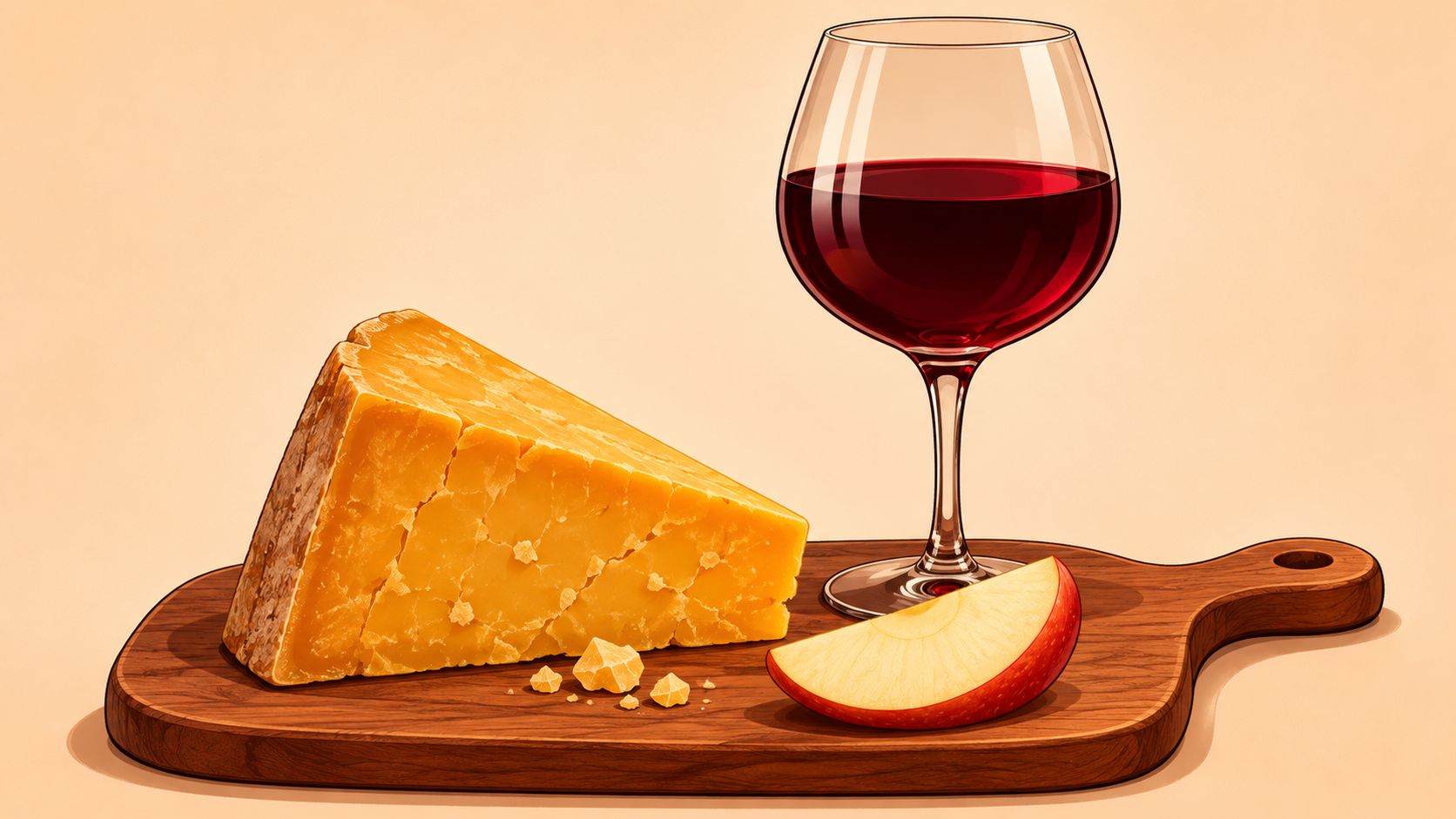
- Buy for age, not brand: Twelve months minimum, two years if you can find it. Older cheddar gives you the crystalline crunch that stands up to oak.
- Add something fresh: Sliced apple or oat crackers cut the fat and keep the palate awake between bites.
- Watch the portion: Three or four cubes per person is plenty before a main course arrives.
For a fuller walkthrough of matching cheese styles to different Cabernet weights, this Cabernet Sauvignon food pairing guide covers the ground well.
2. Rosemary Lamb Skewers with Cabernet Sauvignon
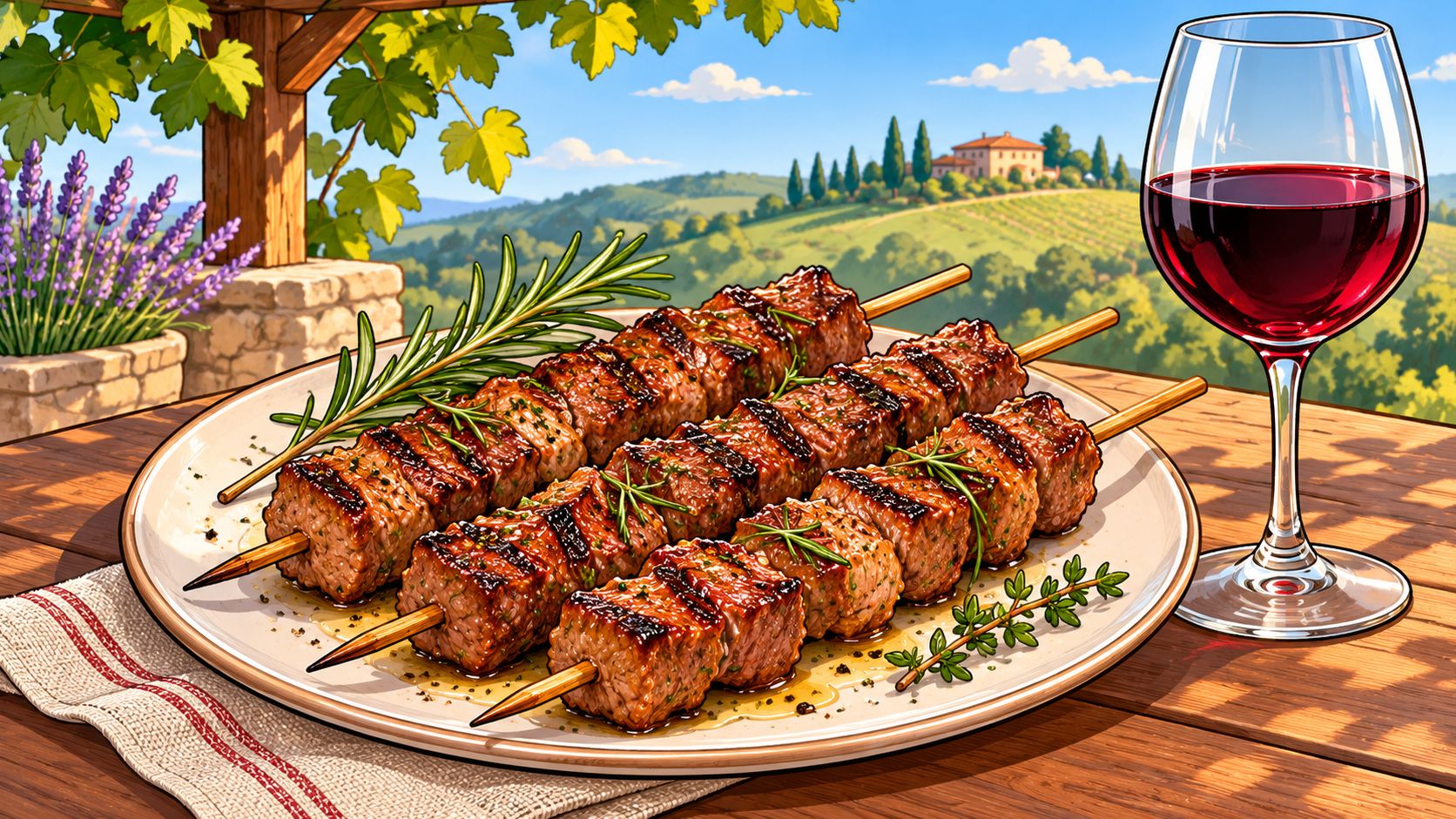
Lamb is the pairing most McLaren Vale winemakers name first, and skewers are the format that lets you serve it without filling people up. The meat's savoury, faintly gamey richness answers the wine's blackcurrant and cedar, and its fat coats the tannins so every sip lands softer than the last. Rosemary does the rest, echoing the dried-herb note that runs through cooler-climate Cabernet.
McLaren Vale grows a serious amount of the variety. Cabernet Sauvignon accounted for 3,299 tonnes in the region's 2022 grape crush at an average value of $1,760 per tonne, according to the McLaren Vale 2022 winegrape crush survey, so the local styles you're matching are rarely thin or shy.
Get the cook right before the wine
Marinate cubed lamb shoulder for at least two hours in olive oil, lemon, garlic and fresh rosemary, then grill hot and fast to medium-rare, around 55 to 60°C internal. Overcooked lamb turns dry and the tannins sharpen against it, no matter how good the bottle is.
Practical rule: Open the bottle 30 to 60 minutes before guests arrive. A young Cabernet with time in the air shows more fruit and less grip, which matters most when the meat is lean.
Two skewers per person, with a wedge of lemon on the side.
3. Cured Salami and Chorizo Platter with Cabernet Sauvignon
Guests reach for the salami before anyone sits down. That first bite is the pairing test. Salt pulls the fruit forward in the glass, and the fat film on a good salami coats the palate so tannin reads as texture rather than grip.
Wine Australia's Cabernet Sauvignon guidance points cooks toward lamb, beef, darker game, braised red meat and firm cheeses, and a sensory-pairing study it cites found spicy Italian salami delivered the strongest match among the tested foods, with a mean pairing score of 5.09.
That score is decent rather than perfect. The gap is chilli. Heat sharpens tannin, so I build the board from a lower-chilli salami and a smoked paprika chorizo, then set fat-rich cheese and fresh bread beside them so the spice has somewhere to go. Once you can taste salt against fruit and fat against tannin, you can swap in another cured sausage without copying this platter.
Take the salami out of the fridge twenty minutes before serving and slice it thin. Cold fat tastes greasy and mutes the wine. Cornichons, bread and a mild cheese stop the board tasting the same on the fourth bite. A moderately oaked Cabernet handles the paprika. A heavily charred, vanilla-forward bottle fights it.
Carrying the platter to someone else's table? Pack the cold items in a chilly bin with ice packs until serving, and insulated takeaway cups for coffee shops are handy for keeping iced water cold between courses.
4. Mushroom and Thyme Crostini with Cabernet Sauvignon
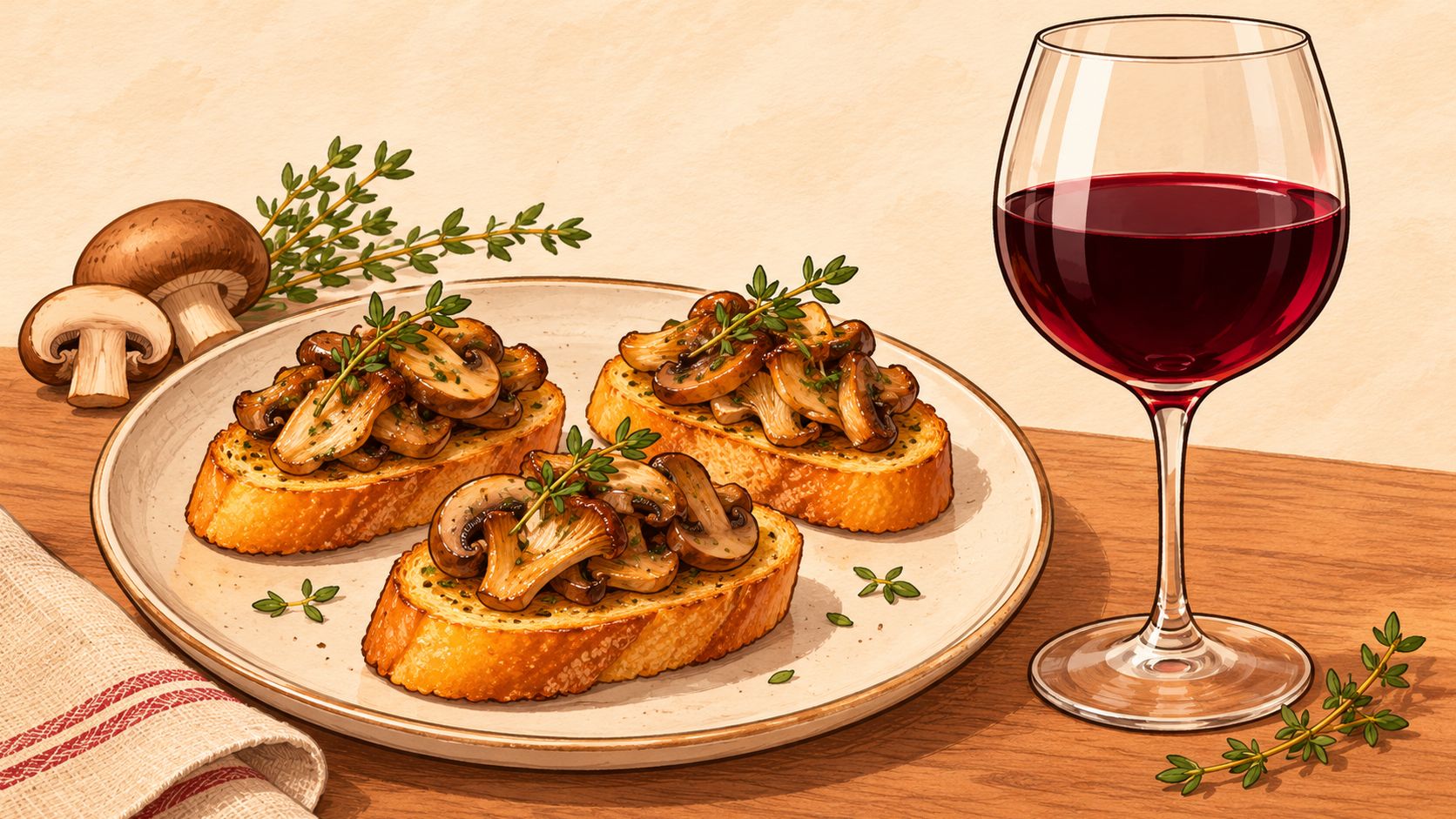
Mushrooms are the vegetarian ingredient that behaves most like meat under a Cabernet. They're dense with umami, they carry an earthy forest-floor character that mirrors the wine's savoury notes, and their texture gives the palate something to work against, which lowers the perception of tannin. Thyme picks up the dried-herb thread running through the wine.
The cooking decides the match
Sauté Swiss brown and button mushrooms in butter or olive oil over high heat until the edges brown properly. Crowding the pan steams them instead, and a pale, watery mushroom loses the depth you need. Finish with garlic, fresh thyme and a few drops of aged balsamic or grated parmesan for extra savoury weight, then pile onto grilled sourdough and serve warm.
Watery mushrooms are the usual failure. If the topping tastes thin, the wine will taste more tannic than it did a minute earlier.
Pile the mushrooms on while the toast is still warm.
5. Walnut and Blue Cheese Crostini with Cabernet Sauvignon
Guests are halfway through the first glass when the blue cheese hits the toast. Salt lands first, fat follows, and the Cabernet's tannin, dry on its own, suddenly has something to grip. Fat coats the palate and salt lifts fruit, so a creamy blue spread thin keeps the wine lively instead of flattening it. Walnuts run a second negotiation: their skins carry light tannin and their oil meets the wine's oak, which is why a modest handful works better than a heavy scatter. A thread of dark honey joins the salt to the fruit.
Match power to power. A very firm, very pungent blue can push a modest Cabernet towards a metallic edge, so keep creamy styles with a gentler bottle and save crumbly, assertive blues for a bigger, oakier wine.
Toast the walnuts five minutes in a dry pan. The oils come forward and the texture stays crunchy rather than soft and stale. Honey stays a thin drizzle, not a pool. Sugar in quantity makes tannin bite.
Food can exaggerate a wine's tannin, acidity and alcohol, and Wine Companion's guide to food and wine pairing notes that bottles around 11.5% to 13% alcohol generally work better at the table than those at 15% to 16%. Against a salty, pungent cheese, that difference is easy to taste.
For more board-building ideas, these perfect wine and cheese pairings are worth a read before you shop. Cheese-topped bases beyond this crostini sit with these protein bread ideas for lifters.
6. Mini Beef Sliders with Caramelised Onion and Cabernet Sauvignon
Beef, fat and umami in a two-bite format. The patty does the structural work, binding tannin to protein so the wine feels rounder, while slow-cooked onions bring a sweetness that lines up with ripe Cabernet fruit. A light tomato relish adds acidity without the vinegar hit that can flatten the wine.
The eating occasion carries this one. Wine Australia's market bulletin on Australian wine occasions reports that eating a main meal was the most popular reason for wine consumption, at 36% of recorded wine occasions since the beginning of 2023, with tasting good and going well with food among the leading needs. Sliders bridge pre-dinner bites and the meal itself, which is exactly when wine is often enjoyed.
Build them so they hold together
Use beef with at least 20% fat, season the patties properly, and cook the onions slowly for 20 to 30 minutes until deep golden brown. Serve warm, with the Cabernet poured slightly cool from a 16 to 18°C cellar so the alcohol doesn't overpower the plate.
"Sweet sauces are where this pairing goes wrong. If sugar is the first ingredient on the relish label, the wine will taste bitter, so keep it to a spoonful."
If you want to carry the menu through to the main course, this McLaren Vale Shiraz and steak pairing guide covers the red meat and tannin relationship in more detail.
7. Roasted Eggplant Dip with Pomegranate and Cabernet Sauvignon
Vegetarian appetizers aren't automatically a poor match for Cabernet. They fail when they're low in umami, bitter or too delicate, which is why a raw vegetable platter falls flat and a smoky eggplant dip doesn't. Wine Australia's Cabernet Sauvignon variety cheat sheet describes the wine as tannic and fruit-rich, built for fatty meats, earthy mushrooms and hard cheeses, and the same logic applies to vegetables once you add fat and savoury depth.
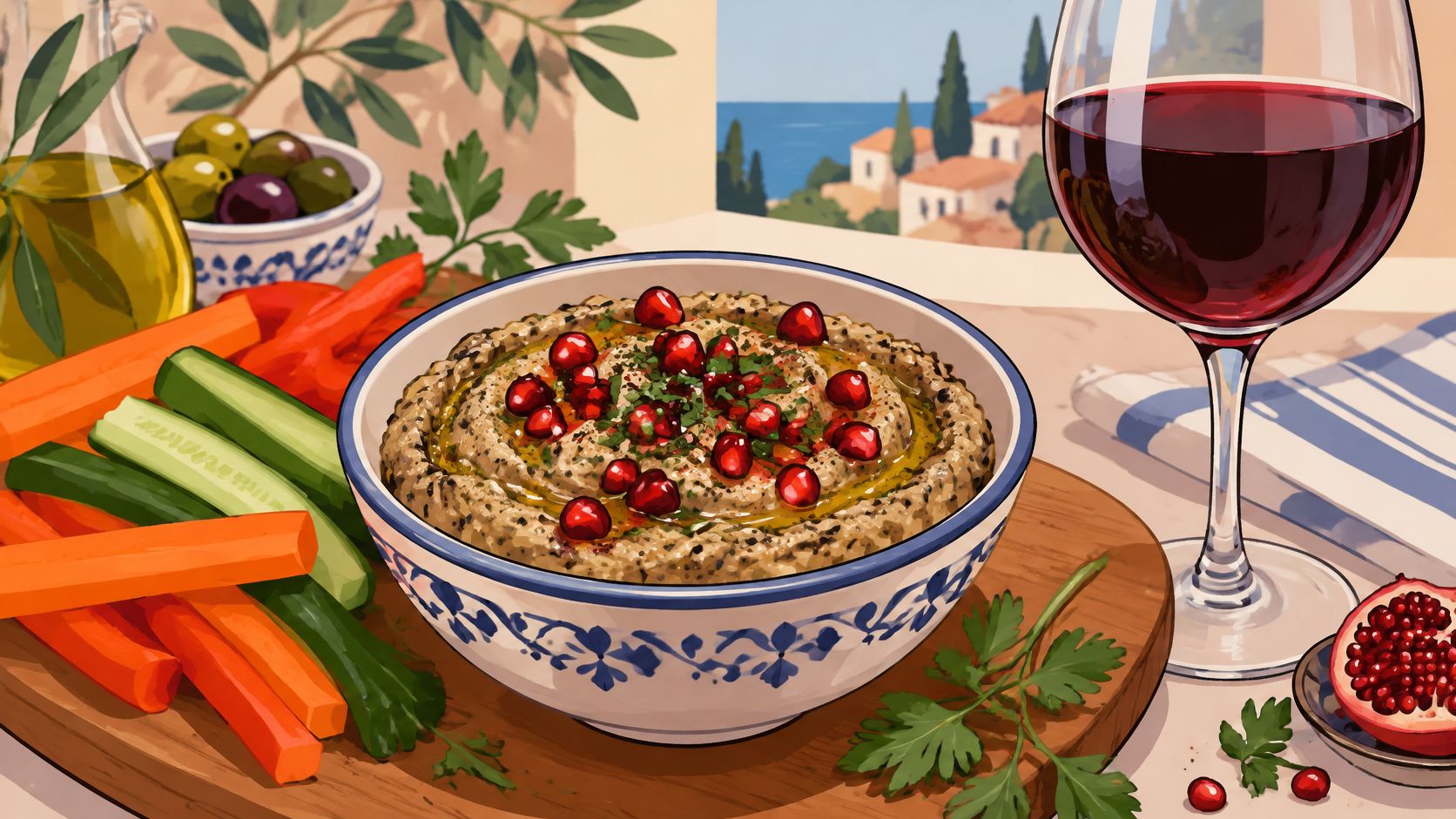
Roast whole eggplants until the skin blisters and the flesh collapses. That char echoes oak, and roasting concentrates sweetness, which is the practical fix for vegetables that would otherwise fight the tannin. Fold through tahini, lemon and olive oil for fat and umami, then scatter pomegranate seeds for the acid and fruit that refresh your palate between sips.
The vegetarian trap: Delicacy, not the absence of meat, is what breaks a pairing. Give the wine fat, salt or smoke and a plant-based bite can hold its own.
- Build the fat: Tahini, olive oil and a spoon of thick yoghurt all soften tannin.
- Season properly: Salt in the dip lifts the wine's fruit the same way a cured meat does.
- Give it a scoop: Warm pita or vegetable sticks keep the texture varied.
Smoke, tahini and pomegranate, the three notes that make this one work.
7 Cabernet Sauvignon Appetizer Pairings at a Glance
| Pairing | Preparation Effort | Dietary Notes | Why It Works |
|---|---|---|---|
| Aged Cheddar with Cabernet Sauvignon | Minimal; slice and serve | Vegetarian if made with suitable rennet | Fat and protein soften tannins; sharp, nutty flavors match the wine's intensity |
| Rosemary Lamb Skewers with Cabernet Sauvignon | Moderate; marinate and grill | Contains meat | Lamb fat softens tannins, while rosemary and char complement herbal and oak notes |
| Cured Salami and Chorizo Platter with Cabernet Sauvignon | Minimal; slice and arrange | Meat-based; often high in salt | Fat balances tannins, while salt and spice complement dark fruit and oak |
| Mushroom and Thyme Crostini with Cabernet Sauvignon | Moderate; sauté and assemble | Vegetarian; typically contains gluten | Earthy mushrooms echo savory notes, and thyme complements the wine's herbal character |
| Walnut and Blue Cheese Crostini with Cabernet Sauvignon | Minimal; toast walnuts and assemble | Vegetarian if made with suitable rennet; typically contains gluten | Creamy, salty cheese balances tannins, while walnuts echo the wine's tannic and nutty notes |
| Mini Beef Sliders with Caramelised Onion and Cabernet Sauvignon | Moderate; cook patties and onions | Meat-based; contains gluten unless using suitable buns | Beef softens tannins, and sweet onions complement the wine's ripe fruit |
| Roasted Eggplant Dip with Pomegranate and Cabernet Sauvignon | Moderate; roast and prepare dip | Vegan and gluten-free when served with vegetables | Smoky flavors echo oak, tahini softens tannins, and pomegranate adds freshness |
Bring These Pairings to Life with a McLaren Vale Cabernet
You've got the board planned: mushroom crostini and eggplant dip on one side, lamb, sliders and cheddar on the other. A younger, medium-bodied Cabernet handles the vegetable end. A fuller, oakier bottle wants the red meat and hard cheese. Match the weight of the wine to the weight of the bite and the rest falls into place.
If you're buying for a tasting board, two bottles cover the whole list better than one. I keep the lighter Cabernet for mushrooms and eggplant, and the structured one for lamb, beef and cheddar.
On price, the Curtis Heritage Cabernet Sauvignon is $180.00 a dozen, which works out at $15.00 a bottle, and the Curtis Legion Cabernet Sauvignon 2021 is $150.00 per dozen, or $12.50 a bottle. Either covers a group of eight to ten people with two or three appetizers each.
Let the cheddar sit out for half an hour before anyone arrives. Open the red 30 to 60 minutes ahead. Keep portions small, three bites per person per item, so the appetizer leaves everyone looking forward to dinner.
Every pairing here runs on the same mechanism. Give the tannin something to bind to, fat, protein or umami, and give the fruit something to push against, salt or smoke. Once that becomes instinct, you can look at any appetizer and know within a second whether it belongs beside a Cabernet.
McLaren Vale Cellars stocks McLaren Vale Cabernet Sauvignon across dozens, half-case bundles and mixed sample packs, so you can try the lighter style alongside the fuller one before committing to a case. The Tasting Guide and Wine 101 articles explain how to cellar and serve each bottle, and the team will help you find a wine that suits the plate, from a cheese board to lamb skewers. Free delivery Australia-wide applies to orders over $100, and the Taste Guarantee covers you if a bottle doesn't suit your palate. Start with the Cabernet range at McLaren Vale Cellars and build your first appetizer board this weekend.
Comments (0)
There are no comments for this article. Be the first one to leave a message!