
What makes a white wine truly one of the best? It’s that perfect moment when flavour, aroma, and texture all sing in harmony. We're talking about everything from a zesty Sauvignon Blanc and a complex Chardonnay to an aromatic Riesling. But ultimately, the "best" bottle is a deeply personal choice—it’s all about your taste, the occasion, and the food on your plate.
Your Journey Into the World of White Wine

Trying to find the best white wines can sometimes feel like staring at a wall of unfamiliar labels, hoping for the best. This guide is your map. We're going to move past just grabbing the same old bottle and start a journey to really understand what makes a white wine stand out.
Think about the zippy, citrus hit of a Sauvignon Blanc on a hot summer afternoon, or the rich, buttery comfort of an oaked Chardonnay alongside a creamy pasta dish. These incredible experiences don’t just happen by chance. They're carefully crafted from a few key elements.
The Building Blocks of Great Wine
To truly appreciate what’s in your glass, it helps to know the three core factors that shape a wine's personality. Think of them as the non-negotiable ingredients in any great winemaker’s recipe.
- The Grape Varietal: This is the wine's soul. A Riesling grape is born with high acidity and floral notes, whereas a Viognier grape is naturally fuller-bodied with flavours of peach and apricot.
- The Climate and Region: Where the grape is grown is absolutely crucial. A Chardonnay from a cooler climate like Burgundy will be crisp and mineral-driven, while one from a warmer spot like California will be much riper and fruitier.
- The Winemaker’s Touch: This is all about the decisions made in the winery. Choices like fermenting in stainless steel tanks to keep things fresh or ageing in oak barrels to add layers of complexity can completely transform the final wine.
By understanding these three pillars, you can start to predict how a wine will taste just by reading its label. It’s like learning the language of wine, giving you the power to choose bottles with confidence.
Our goal is to arm you with this knowledge. For a closer look at the different profiles you’ll come across, you can dive into our detailed white wine guide for understanding different styles. This guide will give you the confidence to explore, select, and enjoy incredible white wines, turning every bottle into a new discovery.
Decoding the Most Popular White Wine Varietals

Ever stared at a wall of white wine, wondering where to even begin? The secret to confidently picking a bottle you’ll love is getting to know the personality of the grape inside. The varietal is what gives a wine its core character, its signature flavours, and its unique charm.
Let's start with the big four—the grapes that have earned their global reputation for being consistently delicious, versatile, and a fantastic reflection of where they’re grown.
Chardonnay: The Ultimate Shape-Shifter
Chardonnay is a household name for a reason. It’s the world's great white grape chameleon, celebrated for its incredible ability to transform depending on the climate and the winemaker’s touch.
An unoaked Chardonnay, often made in stainless steel, is all about crisp, clean fruit. Think zesty green apple, lemon, and a refreshing mineral streak. It’s lean, vibrant, and incredibly food-friendly.
Then you have oaked Chardonnay. When aged in barrels, the wine picks up entirely different characteristics, becoming richer and more complex. These are the wines with that full-bodied, creamy texture and those delicious notes of vanilla, butter, and toasted nuts. It’s this amazing versatility that makes Chardonnay a global superstar, from cool-climate Burgundy to our own sunny Australian vineyards.
Sauvignon Blanc: The Zesty Firecracker
If Chardonnay is the adaptable actor, Sauvignon Blanc is the star with a signature move. Famous for its electrifying aromatics and zingy acidity, this is a wine that makes its presence known from the very first sniff.
Its flavour profile is unmistakable: a riot of citrus like grapefruit and lime, mixed with punchy green notes of cut grass, passionfruit, and sometimes a hint of capsicum. It’s one of the most invigorating white wines you can drink.
A great Sauvignon Blanc is like a splash of cold water on a hot day—it’s clean, sharp, and instantly revitalising. That high acidity makes it a brilliant food wine, perfect for cutting through rich sauces or pairing with fresh seafood.
While France's Loire Valley (home of Sancerre) and our own Adelaide Hills produce world-class examples, New Zealand’s Marlborough region has become famous for a particularly bold, fruit-forward style that has taken the world by storm.
To help you get a handle on these classic grapes, we’ve put together a quick comparison.
A Quick Guide to Classic White Wine Varietals
This table breaks down the key personalities of the world's most popular white grapes, giving you a cheat sheet for your next bottle shop visit.
| Varietal | Common Flavors | Body and Acidity | Classic Food Pairings |
|---|---|---|---|
| Chardonnay | Apple, lemon, pear (unoaked); Vanilla, butter, pineapple (oaked) | Medium to Full Body; Medium Acidity | Roast chicken, creamy pasta, lobster |
| Sauvignon Blanc | Grapefruit, lime, grass, passionfruit | Light to Medium Body; High Acidity | Goat cheese, oysters, green salads |
| Pinot Grigio | Pear, white nectarine, almond, citrus | Light Body; Medium-High Acidity | Light fish, salads, antipasto |
| Riesling | Green apple, lime, peach, honeysuckle, slate | Light to Medium Body; High Acidity | Spicy Thai or Indian food, pork, schnitzel |
This is just the starting point, of course. The real fun begins when you start exploring how these grapes change from one region to another.
Pinot Grigio: The Effortless All-Rounder
Known as Pinot Gris in France and here in Australia, Pinot Grigio is the definition of an easy-drinking white wine. It’s loved for its light body, subtle flavours, and wonderfully approachable nature, making it a go-to for casual sipping.
The classic Italian style is typically bone-dry and light, with delicate notes of pear, citrus, and a little almond on the finish. It’s a beautifully simple wine designed for pure enjoyment.
But when it's grown in places like Alsace, France, or Oregon in the US, Pinot Gris reveals a different side. These versions often have more texture and weight, with spicier notes of ginger and honey layered over the fruit. It’s a great example of the grape's hidden depth. You can take a closer look at the huge range of white wine varieties to see just how diverse the world of white wine really is.
Riesling: The Aromatic Chameleon
Riesling is one of the world's most noble—and often misunderstood—white grapes. Its stunning natural acidity and intense aromatics allow it to be made in a huge range of styles, from bracingly dry to incredibly sweet dessert wines.
- Dry Riesling: These are powerfully refreshing wines. They burst with sharp acidity and flavours of lime, green apple, and a wet-stone or slate-like minerality. Germany and our own Clare Valley are famous for producing some of the world's best.
- Off-Dry Riesling: With just a hint of sweetness left in the wine, these bottles strike a perfect balance. The touch of sugar beautifully complements the high acidity, bringing out notes of peach and honeysuckle. They are exceptionally good with spicy food.
- Sweet Riesling: These are decadent, concentrated dessert wines. They’re packed with flavours of honey, apricot, and candied citrus, but that signature Riesling acidity keeps them from ever feeling heavy.
Regardless of the style, Riesling is known for its remarkable ability to age. Over time, it can develop complex and savoury petrol notes that wine lovers go crazy for. It’s a must-try for anyone looking to understand the true potential of white wine.
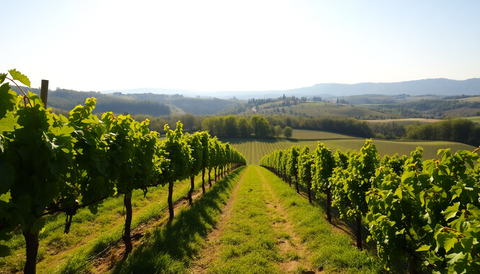
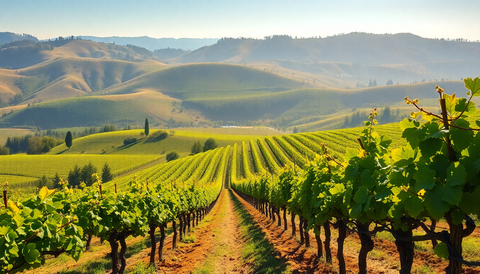
Ever wondered why a Sauvignon Blanc from France tastes so different from one grown right here in the Adelaide Hills? Or why a Chardonnay from a cool coastal spot is zesty and crisp, while another from a warm, sunny valley bursts with tropical fruit? The answer is one of the most romantic yet practical concepts in wine: terroir.
Terroir is a French term that, simply put, is a wine's "sense of place." It's the entire natural world a grapevine grows in—the soil, the climate, the landscape. Think of it as the unique accent a grape picks up from where it was raised.
This "sense of place" is so powerful it can shape a wine's flavour, aroma, and texture just as much as the grape itself. Getting your head around it is a huge step toward finding the white wines you'll absolutely love.
Cool Climate vs Warm Climate Wines
The biggest piece of the terroir puzzle is climate. How much sun and warmth a grape gets directly controls its sugar, acidity, and flavour. We can break this down into two main camps: cool climate and warm climate wines.
Analogy: Think of it like this: a cool-climate wine is a lean, long-distance runner—athletic, defined, and full of nervy energy. A warm-climate wine is more like a powerful sprinter—robust, muscular, and bursting with explosive power.
A cool climate makes grapes ripen slowly, holding onto their natural acidity. This gives you wines that are typically:
- Lighter in body and lower in alcohol.
- Higher in acidity, with that crisp, mouth-watering quality.
- Full of tart fruit flavours like green apple, lime, and just-ripe stone fruit.
Classic cool climates like Germany's Mosel Valley, France's Sancerre, and our very own Tasmania are famous for producing some of the best white wines with this signature zesty profile.
The Power of Sunshine
On the other hand, warm climates shower grapes in sunshine, letting them get fully ripe and packed with sugar. This creates wines that are generally:
- Fuller in body and higher in alcohol.
- Lower in acidity, which makes them feel rounder and smoother.
- Loaded with ripe, juicy fruit flavours like pineapple, mango, and baked apple.
Regions like California's Napa Valley, parts of South Africa, and many of our famed South Australian spots like the Barossa Valley produce wines with this generous, fruit-forward style. Knowing this difference helps you guess what’s in the bottle before you even pull the cork.
The Ground Beneath the Vines
It’s not just about sunshine. The very soil the vines are planted in plays a massive part. Soil determines how the vine gets water and nutrients, which in turn shapes the wine's final flavour. For a deep dive, you can learn more about how climate and soil shape flavour in our detailed article.
For example, the limestone-rich soils of Burgundy, France, are legendary for giving Chardonnay a distinct, chalky minerality. You just won't find that flavour in a Chardonnay grown in rich, fertile soil elsewhere.
Different soil types bring their own unique character to the party:
- Limestone and Chalk: Often leads to high acidity and elegant, mineral-driven wines.
- Clay: Great at holding water, which can produce bolder, more powerful wines.
- Slate and Schist: These soils trap heat, helping grapes ripen in cooler spots and often adding a "wet stone" or flinty note, especially in Riesling.
- Gravel and Sand: These soils drain well, creating aromatic wines that are more about finesse than raw power.
By understanding how climate and soil work together, you unlock a whole new level of appreciation. You start to see that the "where" on a wine label is just as important as the "what," empowering you to explore the world of white wine with real confidence.
The Simple Art of Perfect Food and Wine Pairings

Pairing food and wine shouldn’t feel like a test you have to study for. Forget the stuffy rulebooks. It's really all about creating harmony in your mouth, where the right match can turn a simple meal into something truly memorable.
The secret isn’t memorising intimidating lists. It’s about understanding a few simple ideas that will give you the confidence to start experimenting.
The biggest idea to get your head around is matching the weight of the wine to the weight of the food. Think of it like a seesaw—you're looking for balance, not one side crashing down. A delicate dish needs a delicate wine, and a robust dish needs a wine that can hold its own.
For instance, a light, flaky piece of grilled whiting would be completely bulldozed by a big, buttery, oaked Chardonnay. It’s crying out for a light-bodied, zesty white like a Pinot Grigio or a dry Riesling. On the flip side, that same crisp Pinot Grigio would be totally lost next to a rich roast chicken, which is where a fuller-bodied Chardonnay finds its perfect moment.
The Two Core Pairing Strategies
Once you’ve got the weight balance sorted, you can play with two main approaches: matching flavours or creating a contrast. Both can lead to delicious results.
A congruent pairing is all about matching like with like. Think of a buttery, oaked Chardonnay alongside lobster dripping in a butter sauce—it’s a classic for a reason. The creamy, rich notes in the wine just melt into the richness of the dish, creating a seamless, luxurious experience.
Then there's the contrasting pairing, where opposites attract to create balance. You know how a squeeze of fresh lemon cuts through the richness of fried calamari? A high-acidity Sauvignon Blanc does exactly the same thing. It cleanses your palate, making every bite taste as fresh as the first. This is also why some of the best white wines for spicy food are off-dry Rieslings; that little hint of sweetness tames the heat while the acidity keeps everything vibrant.
Pairing with Acidity and Salt
When it comes to food pairing, acidity is your best friend. High-acid wines are incredibly food-friendly and can make a dish truly sing.
When in doubt, reach for a wine with good acidity. A crisp, dry white wine acts like a spritz of citrus, brightening flavours and cutting through fat, salt, and richness with ease.
This is the secret behind so many classic pairings:
- Salty Foods: Salt actually tones down the perception of acidity in wine, making it seem fruitier and softer. It’s why salty oysters and a crisp, mineral-driven Sauvignon Blanc are a match made in heaven.
- Fatty Foods: Acidity is your secret weapon for cutting through rich, fatty dishes. Think of classic fish and chips with a zesty sparkling wine, or a creamy pasta dish with a sharp Pinot Grigio.
A Practical Framework for Common Dishes
Instead of trying to remember rigid rules, use these ideas as a jumping-off point for your own culinary adventures.
| Food Category | Why It Works | Classic White Wine Pairings |
|---|---|---|
| Light Seafood & Salads | The delicate food needs a light-bodied wine that won't overpower it. Acidity is your friend here for that fresh, clean feeling. | Pinot Grigio, Sauvignon Blanc, dry Riesling, unoaked Chardonnay. |
| Rich Seafood & White Meats | Fuller-flavoured dishes like roast chicken or salmon can stand up to a wine with more body, texture, and character. | Oaked Chardonnay, Viognier, Fiano, White Rioja. |
| Spicy Asian Cuisine | A touch of sweetness in the wine is perfect for balancing heat, while high acidity keeps the whole pairing refreshing. | Off-dry Riesling, Gewürztraminer, aromatic Torrontés. |
| Creamy or Cheesy Dishes | You need a wine with high acidity to slice through all that richness and cleanse the palate between bites. | Sauvignon Blanc, Albariño, dry sparkling wine. |
Ultimately, the goal is to build your own intuition. The more you taste and experiment, the more you'll start to understand what you love. Start with these classic combos, but never be afraid to go off-script. The most exciting discovery might just be the one you make yourself, creating a perfect pairing that becomes your new house favourite.
A Practical Guide to Buying and Storing White Wine
Choosing a brilliant bottle is only half the battle. The real magic happens when you ensure it tastes absolutely perfect the moment you open it. This guide cuts through the noise, giving you straightforward, practical advice for buying and storing your white wine like a seasoned pro.
We’ll help you walk into any bottle shop with confidence and show you how to keep your wine in pristine condition right at home.
It's easy to feel a bit lost staring at a wall of wine, whether in a shop or browsing online. But a few key pointers can help you spot incredible quality and value. Don't just be swayed by a fancy label or an unusually heavy bottle. Instead, zoom in on the details that truly matter: the region, the varietal, and the vintage.
Understanding the vintage—the year the grapes were picked—is a game-changer for white wines. Most are crafted to be enjoyed young and fresh, typically within 1-3 years of that vintage date. This is especially true for crisp, aromatic styles like Sauvignon Blanc and Pinot Grigio, where that vibrant, zesty fruit flavour is the star of the show.
Smart Buying Strategies
When you're ready to buy, a little strategy goes a long way. Whether you're in a physical store or browsing our collections here at McLaren Vale Cellars, keep these tips in mind to find the perfect white for your palate and budget.
- Ask for Help: Never be shy! The staff in a good wine shop are a fountain of knowledge. They can point you towards hidden gems, let you know if a certain bottle is drinking well right now, or tell you which recent vintages were outstanding for specific regions.
- Look for Value Regions: While the most famous regions command high prices, the "in-between" areas right next door often produce fantastic wines for a fraction of the cost. A great example is the Entre-Deux-Mers area in Bordeaux, which makes brilliant Sémillon-Sauvignon Blanc blends that offer tremendous value.
- Read the Back Label: Think of the back label as a treasure map. It often holds tasting notes, clues about the winemaker’s style (like “aged in French oak” or “fermented in stainless steel”), and sometimes even handy food pairing suggestions.
How to Store White Wine Correctly
Once you get those precious bottles home, storing them properly is absolutely crucial for preserving their flavour and character. You don’t need a high-tech cellar; the principles are simple and easy to follow.
The three golden rules of wine storage are to keep it cool, dark, and stable. Wine’s greatest enemies are heat, light, and big swings in temperature.
Think of your wine as a sleeping creature. You want to disturb it as little as possible. Constant changes in temperature cause the wine to expand and contract, which can compromise the seal and let in oxygen—the ultimate flavour-killer.
For most white wines you plan to drink within a few months, a cool, dark cupboard or pantry is perfect, as long as it's away from heat-generating appliances like ovens or the back of the fridge.
If a bottle is sealed with a cork and you plan on keeping it for more than a few months, lay it on its side. This simple step keeps the cork moist, preventing it from drying out and letting destructive air seep in.
The Secret to Perfect Serving Temperature
Serving white wine at the right temperature is one of the easiest—and most effective—ways to elevate your entire drinking experience. Serve it too cold, and you’ll mute its beautiful aromas and flavours. Serve it too warm, and it can seem flat, floppy, and overly alcoholic.
Getting it just right unlocks the wine's true potential. Here’s a quick guide to help you hit the sweet spot every time.
Ideal Serving Temperatures for White Wine
Unlock the best aromas and flavours by serving your white wine at the perfect temperature.
| Wine Style | Ideal Temperature (°C) | Reasoning |
|---|---|---|
| Light & Crisp Wines | 6–9°C | A colder temperature enhances their crisp acidity and refreshing character. Think Sauvignon Blanc, Pinot Grigio, and dry Riesling. |
| Full-Bodied & Oaked Wines | 10–13°C | A slightly warmer temperature allows their complex aromas of vanilla, butter, and spice to open up. Think oaked Chardonnay or Viognier. |
| Sparkling Wines | 5–8°C | Chilling sparkling wine well keeps the bubbles fine and preserves its fresh, zesty profile. |
Here's a simple trick we swear by: take your white wine out of the fridge 15-20 minutes before you plan to pour it.
This tiny step allows the wine to warm up just enough to unlock its full aromatic potential, ensuring every single sip is as delicious as the winemaker intended.
Exploring the Best White Wines of McLaren Vale

Alright, let's put all that great theory about taste and terroir to the test. It's time to pour a glass and explore McLaren Vale, one of Australia’s most exciting wine regions. Famed for its coastal influence and Mediterranean climate, this is where some of the country’s best white wines are born.
While we're famous for our reds, our whites are the region's best-kept secret. Winemakers are moving beyond the old classics, embracing grapes that truly sing in our warm days and cool, sea-breeze-kissed evenings. Let's dive into some incredible bottles from McLaren Vale Cellars that our customers love.
Customer Favourites from the Vale
Our regulars know a good thing when they taste it. They consistently reach for wines that scream "McLaren Vale"—vibrant, expressive, and an absolute dream to pair with food. These best sellers are the perfect gateway to discovering what makes our whites so special.
-
Sauvignon Blanc: You might associate this grape with cooler climates, but McLaren Vale gives it a whole new personality. We get a riper, more textural style here. Think less sharp grass and more luscious passionfruit and tropical notes, all held together by a zesty, refreshing acidity. It's an absolute winner with grilled prawns or a vibrant summer salad.
-
Pinot Grigio: Forget any thin, watery versions you've had before. Our Pinot Grigio is all about texture and flavour. It’s loaded with crisp pear and green apple notes and a wonderful minerality. This is your go-to for everything from a lazy afternoon antipasto platter to a light pasta dinner.
These wines prove that even a familiar grape can show you a completely different, delicious side of itself when it finds the right home.
By exploring these regional expressions, you’re not just tasting a grape; you’re tasting the sunshine, soil, and coastal air of McLaren Vale. It's the ultimate application of understanding terroir.
Discover Value with Curated Bundles
One of the smartest ways to get to know a region is through a curated case. You get exceptional value and a guided tour of different styles without any of the guesswork. Our team has put together hand-selected packs that show off the brilliant diversity of our local white wines.
A great place to start is our Value White Dozen. It’s your ticket to stocking the fridge with top-quality, everyday drinkers, often mixing customer favourites with a few hidden gems. And for those who love a bit of everything, our popular "Half & Half" packs are a fantastic introduction to the best of both worlds.
The Rising Stars: Fiano and Vermentino
McLaren Vale has become a hotbed for innovative winemakers who are championing alternative grapes that are a perfect match for our climate. Italian varieties like Fiano and Vermentino are absolutely thriving here, producing some of the most exciting and best white wines in Australia right now.
-
Fiano: This grape gives us a wonderfully textural, medium-bodied wine. It’s packed with enticing notes of citrus, hazelnut, and just a hint of spice. That rich mouthfeel and crisp finish make it an outstanding food wine that pairs beautifully with roast chicken or rich seafood dishes.
-
Vermentino: Bright, aromatic, and full of zest, Vermentino is like a holiday in a glass. It’s brimming with green apple and lime flavours, often with a distinct salty, sea-spray character that makes it the ultimate partner for fresh oysters or classic fish and chips by the beach.
Trying these varietals is a fantastic way to broaden your horizons and find a new favourite. They capture the forward-thinking spirit of McLaren Vale, offering complex and delicious alternatives to the usual suspects.
Frequently Asked Questions About White Wine
Diving into the world of white wine can bring up a few questions, and we've heard them all. Getting straight answers not only builds your confidence but helps you get the most enjoyment out of every single bottle. Here are a few of the most common queries we get from fellow wine lovers.
What Is the Difference Between Oaked and Unoaked White Wine?
The key difference here is all about what the wine is aged in after fermentation. Think of it like cooking a steak: one cooked over a smoky charcoal grill versus another seared in a clean, hot pan. Both are delicious, but the cooking method completely changes the final flavour.
-
Oaked wine spends time maturing in oak barrels. This contact with the wood lends the wine richer, creamier, and more complex notes like vanilla, butterscotch, and spice. Chardonnay is the classic grape that absolutely sings with this treatment, creating a full-bodied wine with layers of flavour.
-
Unoaked wine, on the other hand, is aged in neutral containers like stainless steel tanks. This keeps all the focus on the grape itself, preserving its pure, bright fruit character. The result is a wine that’s typically crisp, zesty, and refreshingly clean.
Does a Screw Cap Mean the Wine Is Cheap?
Not a chance. This is easily one of the biggest myths in the wine world, and it’s time we put it to rest. For many of Australia’s best white wines, a screw cap is actually a stamp of quality.
Top-tier wineries, especially here in Australia and across the ditch in New Zealand, prefer screw caps because they guarantee freshness. More importantly, they completely eliminate the risk of “cork taint”—a pesky chemical fault from a bad cork that can leave a wine smelling like a damp basement. A screw cap ensures the wine tastes exactly as the winemaker intended.
A screw cap isn't a sign of a wine's price or quality. It’s a modern seal designed to protect the vibrant, fresh flavours that make aromatic white wines so delicious.
How Long Does Open White Wine Last?
Once you pop that top, the clock starts ticking, but you’ve definitely got a few days to enjoy the rest of the bottle. With a good stopper and a spot in the fridge, most white wines will last for 3-5 days.
Lighter-bodied, zesty whites like a Sauvignon Blanc or Pinot Grigio are at their best within the first three days. Fuller-bodied wines, like a rich, oaked Chardonnay, often have a bit more staying power and can still be tasting great on day five.
At McLaren Vale Cellars, we make it easy to explore these styles and find your next favourite. Discover our curated collections and let your wine journey continue.

Comments (0)
There are no comments for this article. Be the first one to leave a message!