
Australia's most famous wine advice is also its least useful: buy the biggest Shiraz you can afford. That shortcut misses the point. Australia makes powerful reds, but it also makes taut Riesling, graceful Pinot Noir, serious sparkling wine, savoury Grenache, structured Cabernet and Chardonnay with plenty of drive. The best Australian wines aren't a single trophy bottle. They're the bottles that fit your palate, your meal and the occasion.
The country's scale makes that choice more interesting. In the year ended June 2026, Australian wine exports fell 7% in value to A$2.30 billion and 6% in volume to 598 million litres, with an average export value of A$3.84 per litre FOB, according to Wine Australia's export monitor. That's a large, export-oriented industry with enough regional and stylistic range to reward buyers who look beyond the obvious.
What Best Australian Wines Actually Means for a Buyer
“Best” sounds like a ranking, but few need a podium. They need a bottle for lamb on the barbecue, a crisp white for seafood, a gift that looks considered, or a red that won't overpower a Tuesday-night pasta.
A critic may reward concentration, rarity or cellaring potential. You might care more about whether the wine leaves your mouth refreshed, whether it suits the sauce, or whether you'll want a second glass. Buyer fit beats prestige when the bottle is being opened tonight.
My working definition is simple. A standout Australian wine should show:
- Clear varietal character, so Shiraz tastes like Shiraz and Riesling tastes like Riesling.
- Regional expression, so the wine reflects its climate and region rather than tasting like a generic technical exercise.
- Food-friendly balance, with acidity, tannin, fruit and oak working together.
- Reliable value, meaning the wine earns its place in the glass, not merely on a shelf with an impressive label.
That definition changes how you shop. A Barossa Shiraz can be excellent because its dense fruit and firm structure suit slow-cooked beef. A Yarra Valley Pinot Noir can be better for your dinner because its lighter body and aromatic lift won't flatten a mushroom dish. Neither is universally superior.
The counter question: Don't ask, “What's the best bottle?” Ask, “What do I want this bottle to do?”
This is why a regional guide such as this overview of Australia's best wine regions is more useful than a list of expensive labels. It helps you identify the style before you spend. Start with the drinker, the dish and the drinking window, then use the region and variety to narrow the choice.
The contrarian conclusion is clear: the smartest Australian buy may not be the most powerful red in the shop. Freshness, lighter texture and regional precision often make a bottle more versatile, particularly when you're buying for several people rather than one highly specific palate.
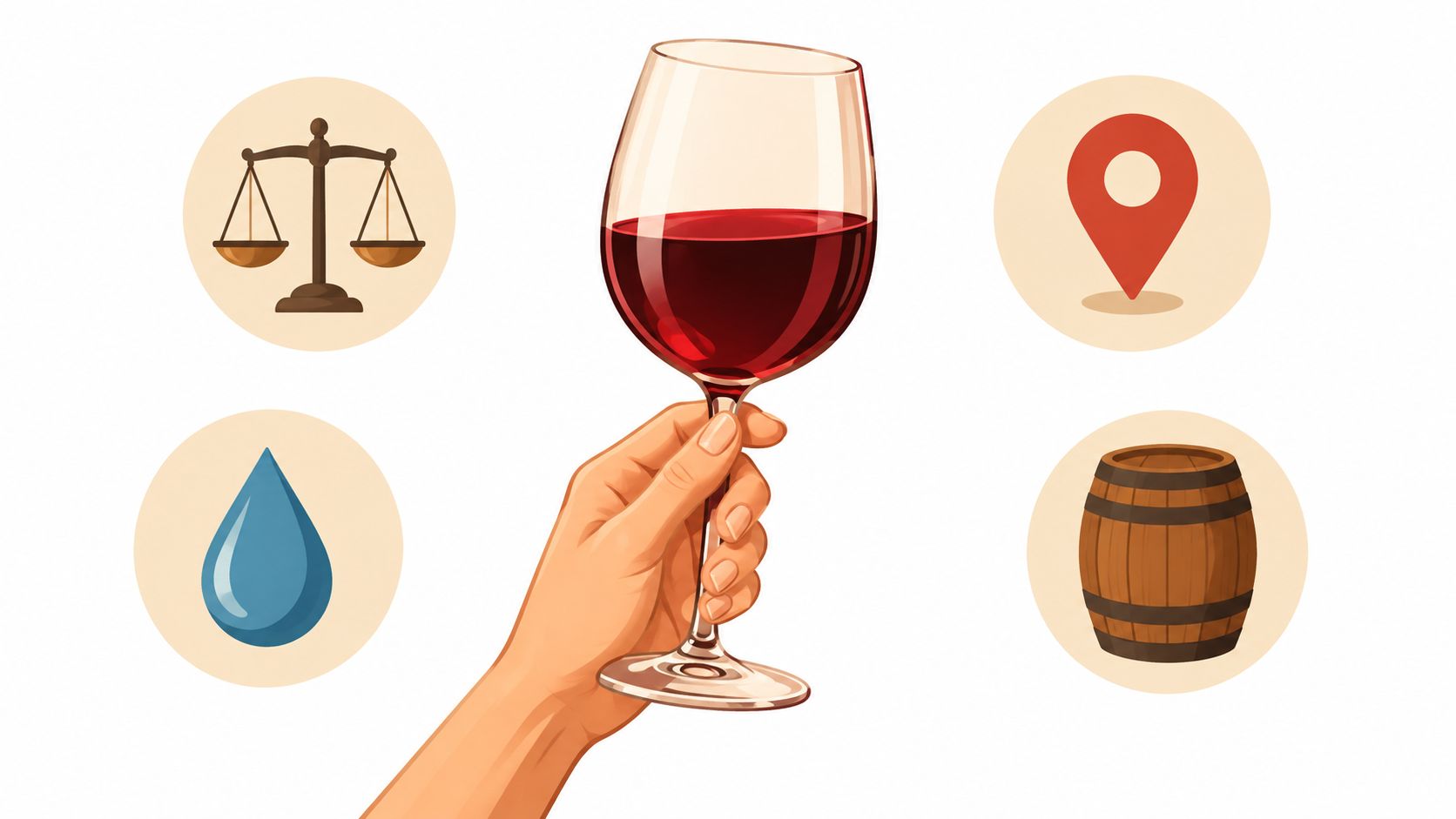
The Four Criteria That Define a Standout Australian Wine
Use four filters before you put any bottle in the basket. They work whether you're standing in a bottle shop or comparing tasting notes online.
Balance comes before weight
A full-bodied wine isn't automatically a better wine. Judge whether the fruit, alcohol, tannin and oak feel joined up. In a Barossa Shiraz, look for tannins that feel ripe and composed rather than rough and drying. In a McLaren Vale red, dark fruit can be generous, but the finish should still feel clean.
The best test is the sip after the sip. If the wine leaves your palate tired, hot or sticky, it's relying on weight. If it makes you want food or another glass, the structure is doing useful work.
Place should be visible in the flavour
Regional typicity means the wine tastes connected to its origin. A McLaren Vale Shiraz should offer ripe fruit and savoury structure without losing freshness. A Yarra Valley Pinot Noir should show aromatic detail and tension rather than being buried under oak.
You don't need to identify a vineyard. You only need to ask whether the wine has a recognisable personality. If every region on the label could produce the same flavour, the regional premium isn't doing much for you.
Freshness is a quality signal
Acidity isn't the same as sourness. Good acidity gives a wine shape, lifts the finish and makes food taste better. Look for a white that finishes with energy rather than flopping heavily across the palate, or a red whose fruit remains bright beneath its tannin.
This matters especially with warmer-climate wines. Ripeness brings flavour, but freshness keeps the wine mobile. Cooler or higher-altitude regions often shift the balance towards brighter acidity, finer tannins and more aromatic lift, as Wine Australia's Shiraz guide explains through the contrast between warm South Australian zones and cooler regions such as the Adelaide Hills and Yarra Valley.
Value means drinkability per dollar
A bargain isn't merely a cheap bottle. It's a wine you can serve confidently, pair easily and finish without forcing the last glass. A technically impressive wine that only one person enjoys isn't good value for a mixed dinner.
For online buyers, packaging and delivery also affect the experience. A retailer or fulfilment partner that understands pick and pack for wine can help protect bottles through organised handling and suitable packaging. Once the wine arrives, use these practical tips for buying wine like a sommelier to assess the label, vintage, closure and serving plan.
Australia's Standout Wine Regions and Why McLaren Vale Leads
Australia's regions don't produce one national style. They produce a collection of climates, soils and winemaking traditions, and that variety is the country's biggest advantage for buyers.
McLaren Vale is my first recommendation for shoppers who want red-wine depth without sacrificing freshness. The region's Mediterranean climate, ancient soils and sea breezes from Gulf St Vincent help shape Shiraz with ripe fruit, savoury structure and a more lifted finish. The Vale is also associated with strong organic and biodynamic momentum, which suits buyers who want regional character and a clear sense of farming.
Barossa Valley sits further towards power and breadth. Its Shiraz is a natural choice for drinkers who want dark fruit, texture and a substantial dinner red. Old-vine Grenache adds a different route into richness, often with more floral perfume and a softer, more open feel.
Adelaide Hills gives you the cooler-climate counterpoint. Choose it for Chardonnay, Pinot Noir or aromatic whites when you want precision rather than density. Yarra Valley performs a similar role in Victoria, particularly for Pinot Noir and Chardonnay with elegance, acidity and fine detail.
Margaret River is the Cabernet specialist in this group. Its Bordeaux-influenced reds suit buyers who like cassis fruit, savoury structure and wines that can develop with time. Hunter Valley Semillon is a separate proposition altogether, valued for its distinctive freshness and ability to evolve. Tasmania is the place to look for premium sparkling wine and Riesling, while Heathcote offers compelling Shiraz with a firm regional stamp.
| Region | Climate | Signature Varietals | House Style |
|---|---|---|---|
| McLaren Vale | Mediterranean, sea-influenced | Shiraz, Grenache, Cabernet Sauvignon, Chardonnay | Ripe fruit, savoury structure and freshness |
| Barossa Valley | Warm and continental | Shiraz, Grenache, Cabernet Sauvignon | Powerful, generous and deeply textured |
| Adelaide Hills | Cooler and elevated | Chardonnay, Pinot Noir, Sauvignon Blanc | Aromatic, bright and refined |
| Yarra Valley | Cool-climate Victorian | Pinot Noir, Chardonnay, Shiraz | Fine tannin, lift and detail |
| Margaret River | Maritime | Cabernet Sauvignon, Chardonnay | Structured, polished and ageworthy |
| Hunter Valley | Warm, humid and rainfall-influenced | Semillon, Shiraz | Distinctive, savoury and built for development |
| Tasmania | Cool maritime | Sparkling wine, Riesling, Pinot Noir | Taut, fresh and precise |
| Heathcote | Warm inland | Shiraz | Concentrated, firm and savoury |
Regional climate changes more than aroma. Research comparing Australian Shiraz regions found meaningful differences in temperature, rainfall, humidity, solar radiation and evaporation, with the Hunter Valley standing apart for high heat and humidity alongside lower solar radiation and evaporation. That's why you should expect regional differences in acid balance, tannin and ripeness, not just different tasting-note language. The case for McLaren Vale as a South Australian source of distinctive wines rests on that combination of generosity and lift.
McLaren Vale also works commercially because it gives buyers room to move. You can choose an approachable Shiraz for a weeknight, a more serious Grenache for a thoughtful dinner, or a structured Cabernet for the cellar, all without abandoning the region's identity.
Top Australian Varietals and the Styles Worth Knowing
Start with the grape, then choose the region. This is faster and more reliable than staring at a wall of labels.
McLaren Vale Shiraz is the benchmark for ripe dark fruit, savoury structure and immediate appeal. Choose it with grilled steak, lamb or rich pasta. It tends to overdeliver in the accessible and mid-range parts of the shelf, where you can get regional character without paying solely for prestige.
Barossa Shiraz is the bigger, denser alternative. It suits slow-cooked meat, winter stews and drinkers who enjoy broad texture. Look for tannin that feels polished, not merely forceful.
Cabernet Sauvignon from Coonawarra and Margaret River offers more architectural structure. Coonawarra is a strong choice for cassis, firm tannin and a classic South Australian profile. Margaret River gives you a maritime expression that works beautifully with roast beef, hard cheese and a serious dinner.
Grenache is the smart red for buyers moving away from blockbuster Shiraz. McLaren Vale Grenache can be fragrant, savoury and supple, with enough freshness for spiced food, roast vegetables and charcuterie. Dry-grown examples deserve particular attention when you want flavour without the sensation of heaviness.
Chardonnay from Adelaide Hills and Tasmania can deliver texture without becoming broad or buttery. Use it with roast chicken, creamy seafood, corn, mushrooms or hard cheese. Oak should frame the fruit rather than cover it.
Pinot Noir from the Yarra Valley and Mornington Peninsula is the red to choose for elegance. It suits duck, salmon, mushroom dishes and meals where you want the wine to remain graceful rather than dominate. Adelaide Hills Pinot can also be a lively, cool-climate option.
Riesling from Clare Valley and Eden Valley is all about aromatic precision, citrus freshness and a clean finish. Put it beside oysters, Thai food, fried fish or goat's cheese. It's one of Australia's best answers to the assumption that every Australian wine is rich.
Australian sparkling deserves a permanent place in the conversation. Tasmania and the Adelaide Hills produce styles with the freshness and structure needed for celebrations, aperitifs and salty snacks. Choose it when you want something festive that still works at the table.
| Varietal | Signature Style | Anchor Region | Best Food Match | Value Band |
|---|---|---|---|---|
| Shiraz | Ripe, savoury and textured | McLaren Vale | Barbecue and lamb | Everyday to premium |
| Shiraz | Dense, powerful and structured | Barossa Valley | Slow-cooked beef | Mid-range to premium |
| Cabernet Sauvignon | Firm, cassis-led and ageworthy | Coonawarra | Roast beef | Mid-range to premium |
| Cabernet Sauvignon | Polished, maritime and structured | Margaret River | Steak and hard cheese | Mid-range to premium |
| Grenache | Fragrant, supple and savoury | McLaren Vale | Spiced food and charcuterie | Everyday to premium |
| Chardonnay | Textured, bright and measured | Adelaide Hills | Roast chicken and seafood | Everyday to premium |
| Pinot Noir | Light, aromatic and fine | Yarra Valley | Duck and mushrooms | Mid-range to premium |
| Riesling | Citrus-led, precise and fresh | Clare Valley | Oysters and Thai food | Everyday to mid-range |
| Sparkling | Taut, dry and celebratory | Tasmania | Canapés and seafood | Mid-range to premium |
The lighter categories aren't consolation prizes. They're often the better buying decision because they work across more meals and more palates.
Building a Smart Value Dozen or Half-Case
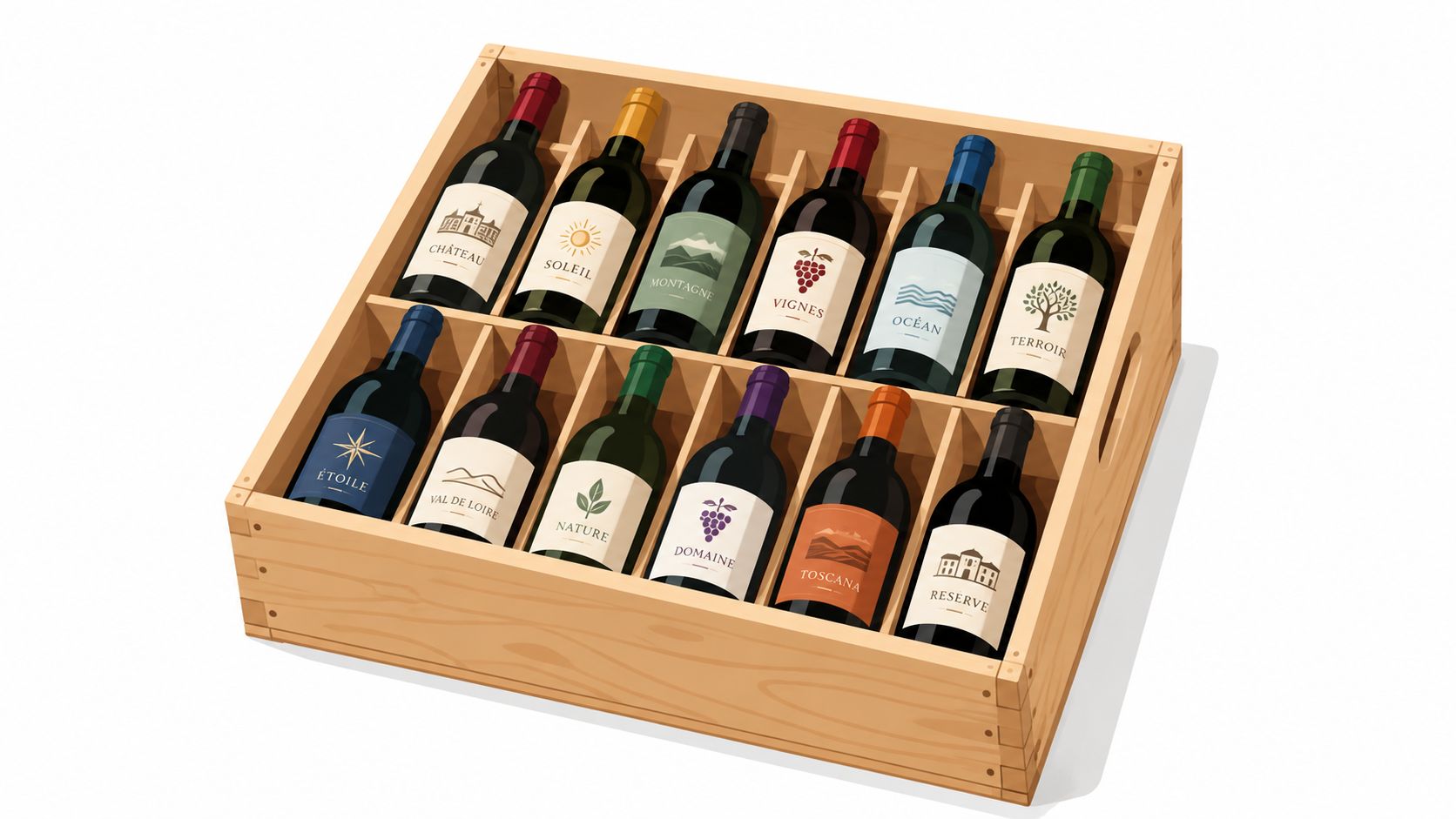
A smart case should feel organised without becoming predictable. Mix regions, varieties and drinking windows so you're not forced to open six similar reds before you reach the bottles you actually wanted.
For a dozen, I'd build around two anchor reds, two everyday reds, two whites, one sparkling, one rosé, one aged or single-vineyard curiosity, and the remaining bottles around specific meals. Make McLaren Vale Shiraz one anchor. Use Coonawarra or Margaret River Cabernet for a firmer, more structured red.
For the whites, choose Adelaide Hills Chardonnay for texture and Clare Valley Riesling for freshness. Add a cooler-region Pinot Noir to stop the case leaning too heavily towards warm-climate richness. A rosé and sparkling wine give you flexible aperitif options, while a single-vineyard or aged bottle creates something to discuss over dinner.
Use the shelf checklist
- Set the spend first: Keep the average bottle price at or below your target case budget.
- Rotate the regions: Don't buy every red from the same warm area.
- Protect the occasions: Reserve at least one bottle for seafood, one for lighter food and one for a celebration.
- Avoid producer repetition: A mixed case should let you compare winemaking choices as well as regions.
- Include contrast: Pair a powerful Shiraz with a fragrant Grenache or cool-climate Pinot Noir.
For a half-case, keep the same logic and remove duplication rather than just halving every category. Two reds, two whites, one sparkling and one wildcard will cover most homes better than five similar Shiraz bottles and a lonely white at the end.
Matching Australian Wines to the Right Occasion
The fastest buying rule is protein first, sauce weight second, region third, price ceiling last. That sequence prevents the label or discount sticker from making the decision for you.
For a weeknight dinner, choose drinkability over ceremony. Adelaide Hills Chardonnay works with roast chicken and creamy sauces. Clare Valley Riesling cuts through fried food and spice. A lighter McLaren Vale Grenache or Yarra Valley Pinot Noir will usually serve pasta, mushrooms and roast vegetables more gracefully than a heavy Shiraz.
Barbecue and slow-cooked lamb are where McLaren Vale and Barossa Shiraz earn their place. Pick McLaren Vale when you want ripe fruit with savoury lift. Pick Barossa when the meal is rich, smoky and substantial enough to absorb a broader wine.
Gifting calls for a clear story. A small selection from one respected region can feel more thoughtful than a random collection of expensive labels. McLaren Vale works particularly well because the gift can include Shiraz, Grenache, Cabernet and white styles without losing its regional thread.
Celebrations justify premium Tasmanian sparkling or a well-cellared Coonawarra Cabernet. Sparkling handles arrival drinks, seafood and canapés. Cabernet suits a seated meal where the bottle can be opened early and given time to show itself.
Serving rule: Match intensity, not colour. A delicate red can beat a heavy red with meat if the dish has herbs, mushrooms or a lighter sauce.
A bottle for a romantic dinner should support the meal rather than turn it into a tasting exam. With steak, choose Cabernet or Shiraz according to the sauce. With salmon or duck, Pinot Noir is the safer and more interesting call. With oysters, Riesling or sparkling will keep the palate moving.
The Lighter Styles Quietly Becoming the Smartest Buys
The blockbuster-red habit is losing its grip. Wine Australia reported that the 2026 national crush was 1.27 million tonnes, 25% below the ten-year average and the smallest vintage since 2000, while its 2026 market bulletin identified growing demand for lighter reds, alternative white varieties and sparkling styles. The same reporting also noted that younger consumers are moving towards rosé, sparkling, Prosecco, Pinot Gris or Pinot Grigio, and lighter reds such as Pinot Noir. KPMG's Australian wine industry report provides the broader context.
That shift makes sense at the table. Fresh wines handle more cuisines, lower temperatures and longer meals. They also give buyers a way to enjoy Australian regional character without committing to a dense, high-impact red.
| Style | Buyer Signal | Typical Price Band (AUD) |
|---|---|---|
| Lighter Shiraz | Red-fruit energy and less perceived weight | Entry to mid-range |
| McLaren Vale Grenache | Fragrant, savoury and food-friendly | Mid-range |
| Adelaide Hills Pinot Noir | Bright, aromatic and restrained | Entry to premium |
| Tasmanian Pinot Noir | Cool-climate freshness and fine structure | Mid-range to premium |
| Adelaide Hills Chardonnay | Texture with lift rather than heaviness | Entry to premium |
| Tasmanian Riesling | Taut, aromatic and precise | Mid-range |
| Australian rosé | Dry, fresh and easy with food | Entry to mid-range |
| Prosecco-style sparkling | Bright, uncomplicated and social | Entry to mid-range |
| Pet-Nat | Fresh, lightly textured and informal | Mid-range |
For McLaren Vale, look beyond Shiraz to Grenache and white varieties. The region remains red-led, but its broader mix includes Cabernet Sauvignon, Grenache and Chardonnay. Nationally, red grape production fell 29% year on year in 2026, compared with a 9% fall for whites, according to Wine Australia's McLaren Vale regional snapshot. That doesn't make classic reds irrelevant. It does make broader buying more intelligent.
When choosing a lighter style, check the vintage, closure and storage history. Screwcap is perfectly suitable for fresh wines and helps preserve their intended brightness. For Pet-Nat, buy from a retailer with good turnover and chill the bottle thoroughly before opening. Don't pay a prestige premium only because the label uses natural-wine language. Taste, balance and food performance still decide the purchase.
Australian Wine Questions Smart Buyers Keep Asking
Which reds should I cellar?
Cellar structured Coonawarra Cabernet, serious Margaret River Cabernet and well-made Barossa or McLaren Vale Shiraz when the wine has firm but polished tannin, concentrated fruit and a balanced finish. These are the categories most likely to reward patience.
Drink lighter Pinot Noir, fresh Grenache and straightforward Shiraz while their fruit is vivid. If the label is designed around immediate drinkability, don't force it into a cellar just because it's Australian.
How should I build a mixed case?
Rotate warm and cool regions. Put McLaren Vale and Barossa beside Yarra Valley, Adelaide Hills or Tasmania, then alternate red varieties with whites and sparkling. That keeps the case useful across meals and prevents palate fatigue.
Open the bottles in order of delicacy. Sparkling and Riesling come first, then Chardonnay and Pinot Noir, followed by Grenache, Shiraz and Cabernet.
How should I serve the wines?
Use a generous red glass for McLaren Vale Shiraz and Cabernet, but a narrower, more aromatic glass for Pinot Noir. Serve Chardonnay cool but not painfully cold, and give Cabernet enough time in the glass to soften. Decant a young, structured red when it feels tight or tannic. Don't decant delicate Pinot Noir automatically, as air can strip away its most attractive aromas.
Should I chase vintage or value?
Buy the producer and style you trust before chasing a vintage headline. Vintage matters most when you're buying a structured red for the cellar. For everyday drinking, a sound current release with clean fruit and good balance is usually the more sensible choice.
The working comparison of 2022 and 2023 reds is useful because both vintages appear across current Australian buying conversations, but neither should be treated as a universal winner. Taste the bottle's structure, check its storage and decide whether you want immediate pleasure or future development.
Build your next selection around the occasion rather than a score, with McLaren Vale Shiraz, Grenache, Cabernet, white and sparkling styles available through McLaren Vale Cellars. Visit the store to explore regional selections, mixed cases and tasting guidance, then choose a bottle that suits your meal and the people sharing it.


Comments (0)
There are no comments for this article. Be the first one to leave a message!