
Introduction to the World of Wine in 2025
Welcome to the fascinating universe of wine, a timeless beverage that continues to captivate enthusiasts around the globe in 2025. The diversity of wines reflects the rich history, culture, landscape, and climate of wine-producing regions. Whether you are a novice eager to understand the basics or a seasoned connoisseur looking to deepen your knowledge, this comprehensive guide aims to illuminate the myriad qualities of wine, helping you make informed choices and appreciate each glass more profoundly.
From the lush vineyards of Bordeaux to the sun-kissed slopes of Napa Valley, each wine embodies a story of land, climate, tradition, and innovation. As the wine industry evolves, new styles and varietals emerge, blending age-old techniques with modern twists. This guide will explore the principal types of wine, key grape varietals, influential factors like terroir and vintage, sophisticated pairing strategies, and emerging trends like organic and biodynamic wines. Embark on this vinous journey and unlock the secrets behind your favorite bottles.
Comprehensive Overview of Main Wine Categories
Wines can be classified broadly into five main categories, each offering a distinct sensory experience and cultural significance. Understanding these categories helps in exploring their unique characteristics and selecting wines suited to different occasions and dishes.
- Red Wines
- White Wines
- Rosé Wines
- Sparkling Wines
- Dessert Wines
Red Wines: Power, Complexity, and Age-Worthiness
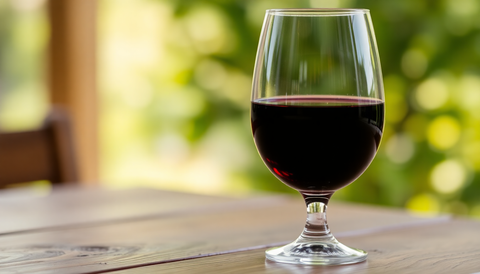
Red wines are renowned for their depth, tannic structure, and often, their ability to age gracefully. They are crafted from dark-colored grapes with skins that imbue the wine with color, tannins, and complex aromas. Red wine lovers appreciate the variety that ranges from light and fruity to bold and earthy.
- Key Characteristics: Flavors of blackberry, cherry, plum, spice, tobacco, and earthy nuances. Textures vary from velvety to tannic and structured.
- Popular Varietals: Cabernet Sauvignon, Merlot, Pinot Noir, Syrah/Shiraz, Zinfandel, Malbec, Sangiovese.
- Styles: Light-bodied reds like Pinot Noir, medium-bodied like Merlot, and full-bodied like Cabernet Sauvignon and Syrah.
White Wines: Light, Fresh, and Versatile
White wines are typically made from green or yellowish grapes. They are praised for their crisp acidity, vibrant aromatics, and refreshing qualities. White wines are often enjoyed young and are essential companions to seafood, poultry, salads, and lighter fare.
- Key Characteristics: Floral, citrus, apple, pear, mineral notes, and sometimes buttery or oaky textures.
- Popular Varietals: Chardonnay, Sauvignon Blanc, Riesling, Pinot Grigio/Pinot Gris, Chenin Blanc.
- Styles: Dry, off-dry, and sweet; full-bodied versus light-bodied.
Rosé Wines: The Perfect Middle Ground
Rosé wines have gained immense popularity in recent years for their vibrant color and lively acidity. Made by limiting skin contact during fermentation, rosés can range from sweet to dry and offer a blend of red and white wine traits.
- Key Characteristics: Red berry notes like strawberry and raspberry, floral hints, and balanced acidity.
- Regions Known For Rosé: Provence (France), Spain, Italy, California, Australia.
- Styles: Pale, salmon-colored wines with a spectrum from dry to sweet.
Sparkling Wines: Bubbles of Joy
Celebration and exuberance are often synonymous with sparkling wines. These effervescent wines undergo a secondary fermentation, capturing lively bubbles and a crisp profile. They range from dry to sweet and include some of the most iconic wines globally.
- Key Characteristics: Fine bubbles, high acidity, flavors of green apple, citrus, brioche, and almond.
- Major Types: Champagne (France), Prosecco (Italy), Cava (Spain), sparkling rosé, and artisanal méthode traditionnelle variants.
- Occasions: Celebrations, aperitifs, romantic dinners, and special moments.
Dessert Wines: Sweet Endings
Dessert wines enchant with their richness and sweetness. They are often crafted from late-harvested grapes or through special techniques like noble rot, freeze concentration, or fortification. These wines are perfect to pair with desserts, cheeses, or enjoyed solo.
- Popular Varietals and Styles: Sauternes, Tokaji, Port, Icewine, Muscat.
- Characteristics: Lush, honeyed, apricot, orange peel, and caramel notes, with high residual sugar and balanced acidity.
Deep Dive into Key Grape Varieties
Each grape variety brings its distinctive flavor profile, aroma, and texture. Learning about these key varietals enhances your ability to select wine that suits your palate and occasions.
Red Wine Varietals
- Cabernet Sauvignon: Known as the "king" of reds, with powerful blackberry, currant, vanilla, and oak flavors. Often aged in oak barrels for added complexity.
- Merlot: Smooth, soft, and approachable; features plum, chocolate, and herbal notes.
- Pinot Noir: Light, elegant, with cherry, raspberry, and earthy notes. Challenging to cultivate but highly prized.
- Syrah/Shiraz: Spicy, with black fruit, blackpepper, smoky, and sometimes meaty flavors.
- Zinfandel: Jammy, ripe fruit with hints of spice and often oaky finish.
White Wine Varietals
- Chardonnay: Ranges from crisp, green apple-driven wines to rich, buttery, oak-aged styles.
- Sauvignon Blanc: Zesty, herbaceous, with citrus and tropical fruit hints.
- Riesling: Aromatic, with high acidity; can be dry, off-dry, or sweet, with apricot, honey, and mineral notes.
- Pinot Grigio/Pinot Gris: Light and crisp, with pear, apple, and subtle floral notes.
- Gewürztraminer: Intensely aromatic with lychee, rose, and spice, often with a touch of sweetness.
The Role of Terroir and Vintage in Shaping Wine
Understanding the nuances of terroir and vintage can transform your appreciation of wine. These factors influence taste, aroma, and aging potential.
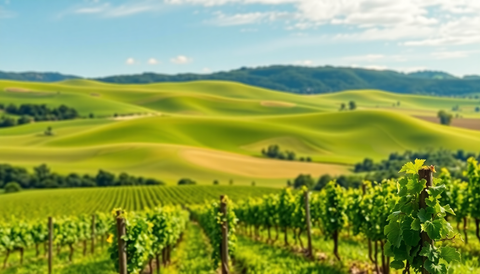
- Terroir: Encompasses soil type, climate, elevation, and landscape. Regional terroirs produce signature flavors.
- Vintage: The year grapes were harvested, significantly impacting flavor and quality due to weather conditions.
Pairing Wine with Food for Optimal Experience
Proper pairing elevates both the dish and the wine. Here are some guidelines:
- White wines: Great with seafood, salads, chicken, and light pasta dishes.
- Red wines: Ideal for red meats, hearty stews, and flavorful cheeses.
- Rosé wines: Versatile, pairing with a variety of foods from grilled vegetables to pizza.
- Sparkling wines: Perfect with fried foods, sushi, and light appetizers.
- Dessert wines: Complement sweet desserts, fruit tarts, and creamy cheeses.
Exploring Unique and Emerging Styles
The innovative spirit of winemaking in 2025 has led to the rise of exciting styles and lesser-known varieties:
- Orange wine: White grapes fermented with skins, resulting in an orange hue and complex flavor profile.
- Pet-Nat (Pétillant Naturel): Naturally sparkling, unfiltered, often cloudy with earthy and fruity flavors.
- Biodynamic and Organic Wines: Winemaking methods emphasizing sustainability and vineyard health, often resulting in more expressive wines.
The Art and Science of Wine Tasting in 2025
Wine tasting is an immersive experience that combines sensory perception and analytical skills. Here’s how to perfect your tasting process:
- Visual Analysis: Observe color, clarity, and viscosity to infer age, grape variety, and possible style.
- Aroma: Swirl the wine gently to release scent molecules, inhaling deeply to identify fruit, floral, spice, or earthy notes.
- Palate: Take a sip, allowing the wine to coat your tongue. Assess sweetness, acidity, tannin (in reds), body, and flavor intensity.
- Finish: Reflect on the length and complexity of the aftertaste. A lingering finish often indicates quality.
Conclusion: Embrace the Endless Possibilities of Wine in 2025
The world of wine invites continual discovery. With countless varieties, styles, and regional expressions, each bottle offers a new story and sensory adventure. Expand your horizons by exploring different types, learning about terroir and vintages, and experimenting with food pairings. Whether celebrating a special moment or simply enjoying a peaceful evening, wine in 2025 provides a gateway to cultures, histories, and connections. Cheers to an exciting journey through the diverse and delectable universe of wine!
Comments (0)
There are no comments for this article. Be the first one to leave a message!